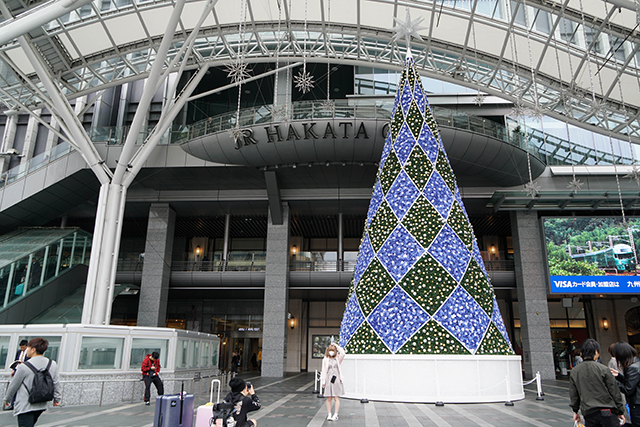
From 7-21 November 2019, we travelled around the island of Kyūshū in southern Japan. Kyūshū is the third-largest island of Japan’s five main islands. With Fukuoka being the most populous prefecture and city on the island as well as the main gateway from Honshū, we started our trip there via Tōkyō.
Tōkyō
Haneda Airport
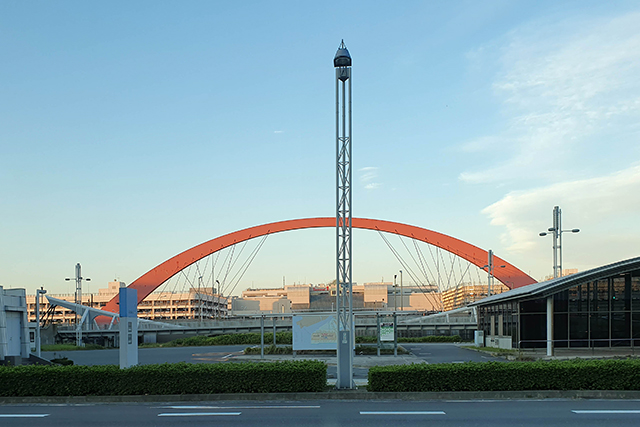
Our international flight landed at Haneda Airport in Tōkyō bright and early at 5 am. It was dark out when we disembarked but the sun came up as we caught the shuttle bus to transfer to the domestic terminal for our onward flight to Fukuoka.
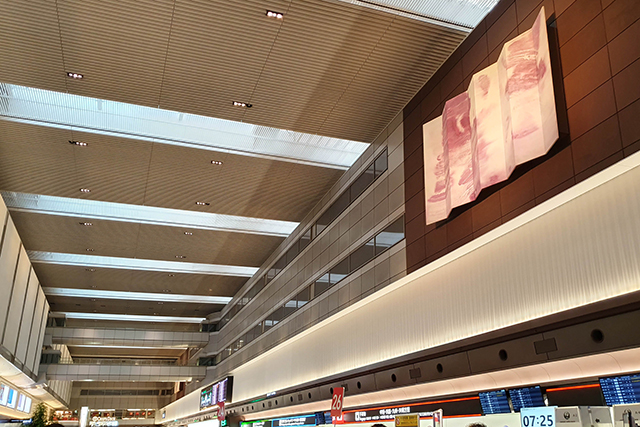
We’re completely exhausted from the cabin noise on our international flight. In our zombie states, it was a challenge trying to negotiate time zones and connecting flights.
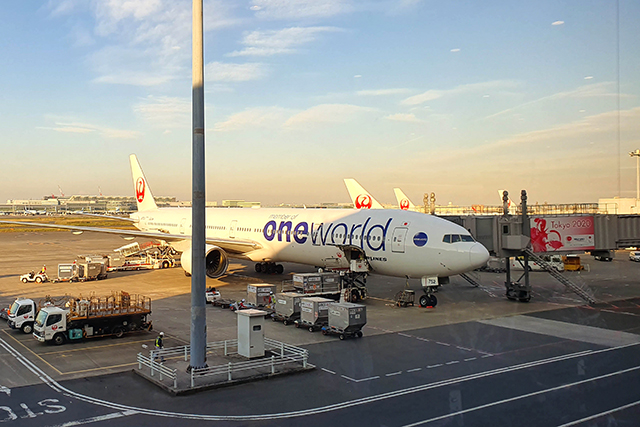
Nonetheless, we managed to shuffle onto the domestic flight with the numerous other salarymen at 8 am. We could count the number of female passengers on one hand.
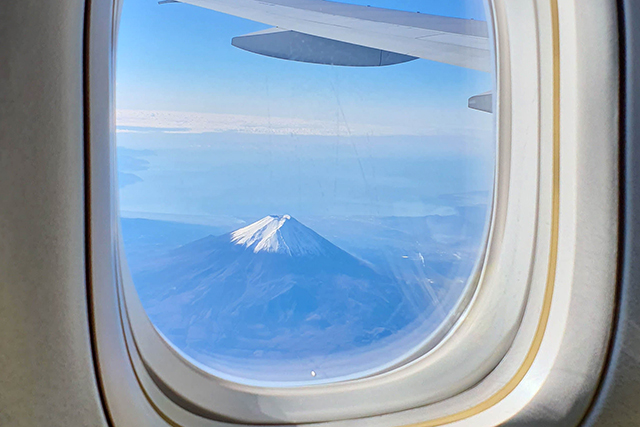
The flight between Tōkyō and Fukuoka passed by Mount Fuji.
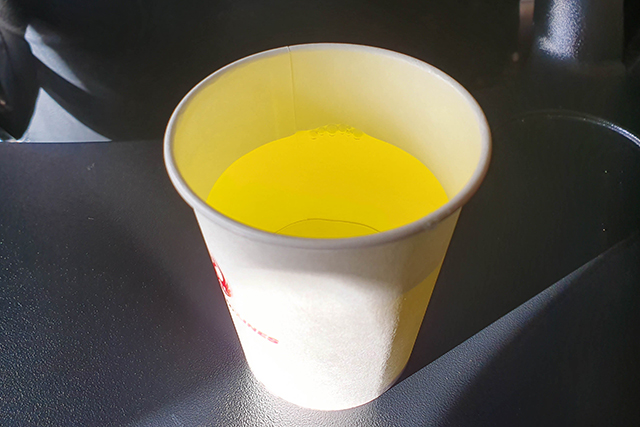
SKY TIME KIWI was a JAL original drink available only on their flights. It was served between 1992 and 2004 before returning in 2014 after customer demand. It had a very enjoyable crisply clear flavour of golden kiwi.
Fukuoka
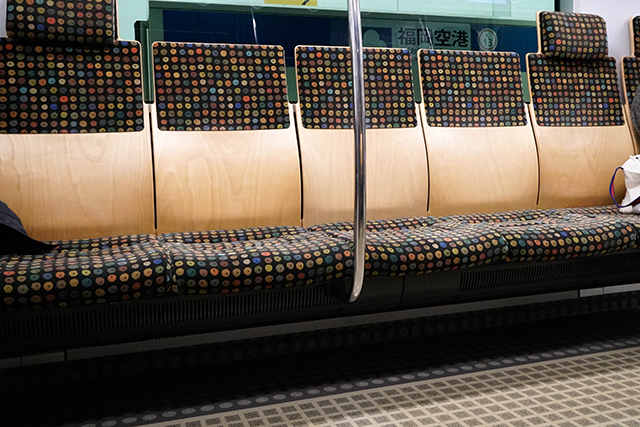
There is no airport more accessible than Fukuoka Airport, which was a mere 5-minute subway ride two stops away from Hakata Station, Fukuoka’s main train station, and cost only ¥260.
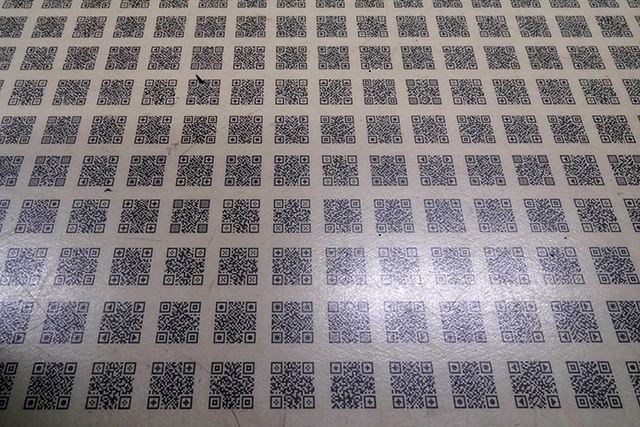
The floor of the subway carriages have a QR code pattern but scanning it did not lead anywhere.
JR Hakata City
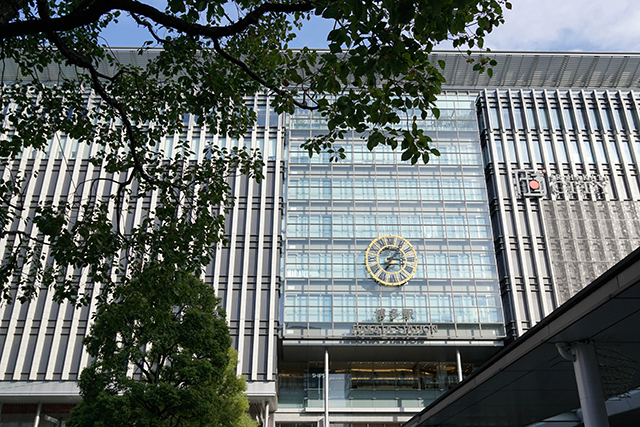
After dropping off our bags at the hotel, we headed back to JR Hakata City to exchange our JR Kyūshū passes for the upcoming days.
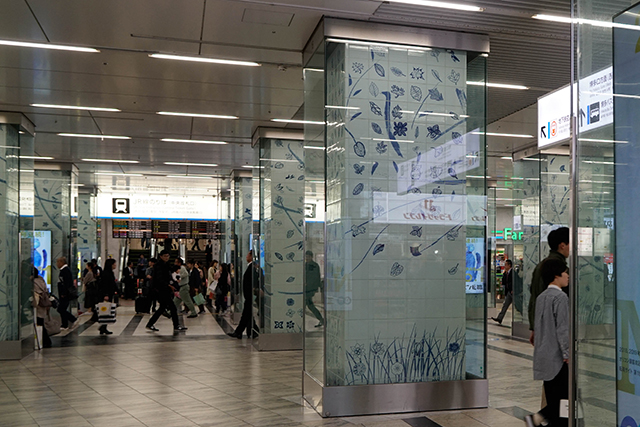
At Hakata Station, there was a dedicated queue for JR passes and at 10 am, it was about 15 people deep and only got longer as we waited. Everyone was armed with a long list of seat reservations they’d like with their pass and there were staff directing people to fill in forms listing their train reservations before queuing.
Travelling in November wasn’t peak season, but neither was it off-peak. From our experience, there were plenty of seats in the unreserved carriages of the intercity trains and it was unnecessary to make seat reservations. Unlike the shinkansen that had multiple reserved carriages, the reserved section of these intercity trains was only half of the first car, while cars 2-4 were unreserved. In any case, it seemed as if only tourists made seat reservations, while locals sat in the unreserved cars. For solitude, I’d go for the non-reserved cars.
That said, there is one exception where seat reservations are necessary, and that is when travelling on a special train. Many are reserved seat only, but it’s well worth paying for seat reservations in advance (¥1,000 per seat) at least one month before arriving in Japan. Seat reservations made after exchanging the pass are free but it’s likely the special train would be booked out by the time the pass is exchanged after arriving in Japan. We made reservations a month ahead for the Yufuin no Mori, which became booked out a week later.
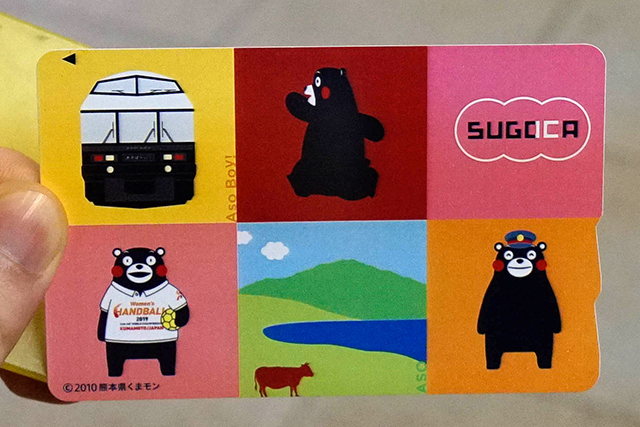
JR Kyūshū releases limited edition Sugoica cards (3,000 cards for each design) featuring Kumamon periodically that are available for purchase only by foreigners. The card here was ¥2,500 — ¥2,000 credit + ¥500 deposit — so similar to a standard IC card, such as Suica, and also usable across most of the country, much like a Suica. This Sugoica was the Aso Boy! edition. Aso Boy! is the name of the special train that used to connect the city of Kumamoto with Aso, but now instead runs between Aso and Beppu after the 2016 earthquake destroyed one of the bridges in the Kumamoto-Aso section.
Komeraku
こめらく, Hakata Deitos B1F, 1-1 Hakataekichuogai, Hakata Ward, Fukuoka, Japan.
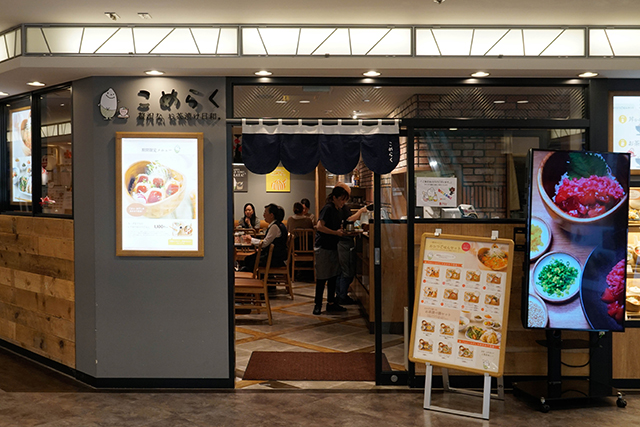
With our passes in hand, we surveyed the restaurants underground before having Komeraku as our first meal in Japan. The restaurant was a chain specialising in ochazuke and ohitsu and has stores across Japan.
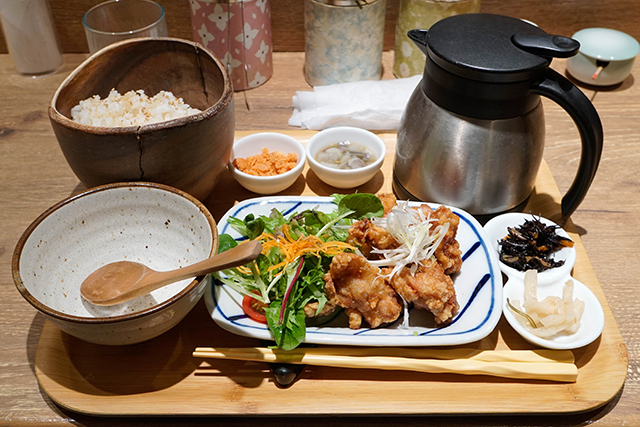
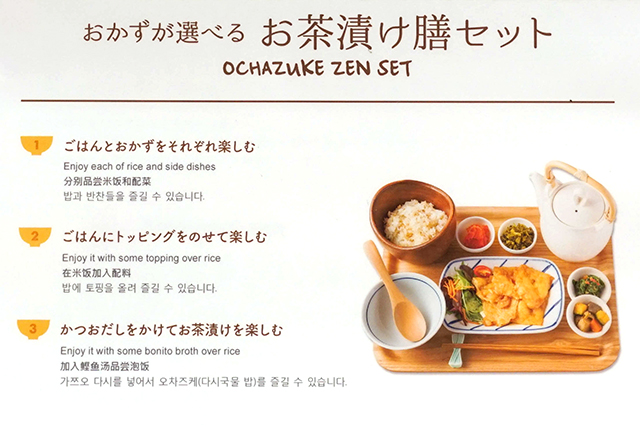
D ordered the shio dare fūmi no niwatori tō-age zen set (¥950 + tax), which consisted of salted fried chicken and two sides of his choice — takowasa and salmon flakes. Fried chicken is one of D’s favourite foods and he enjoyed the one served here for its crispiness and juiciness. While he enjoyed the side dishes with the rice, he also liked that the bonito broth changed the flavour of the dish halfway through.
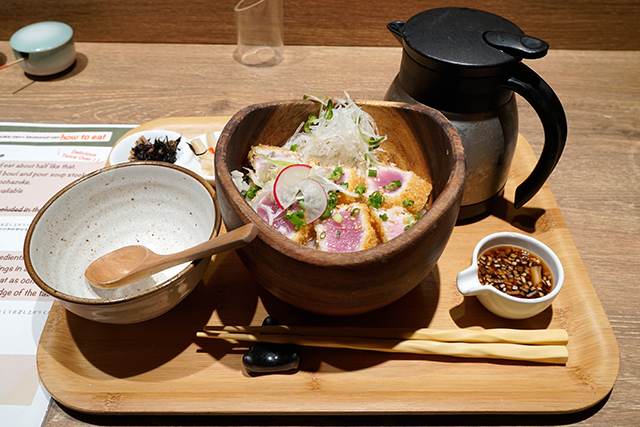
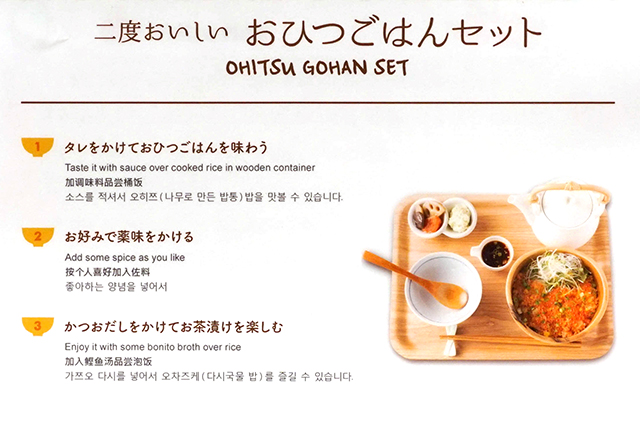
This was my seasonal ohitsu — kihada maguro no rea katsu ohitsu gohan set (¥1100 + tax), which consisted of deep-fried crumbed yellowfin raw tuna. The combination of fried food and raw tuna was a delectable mix here with the bonito broth flavouring the rice and also making it very easy to eat. The pickles in the side dishes added pops of savoury crunch and acidity.
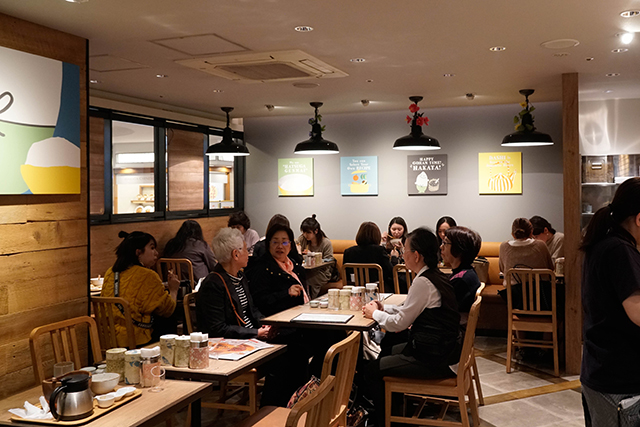
We very much enjoyed our meal at Komeraku and would love to return on future trips.
Mucchan Manjū
むっちゃん万十, Hakata Bus Terminal, 2-1 Hakataekichuogai, Hakata Ward, Fukuoka, Japan.
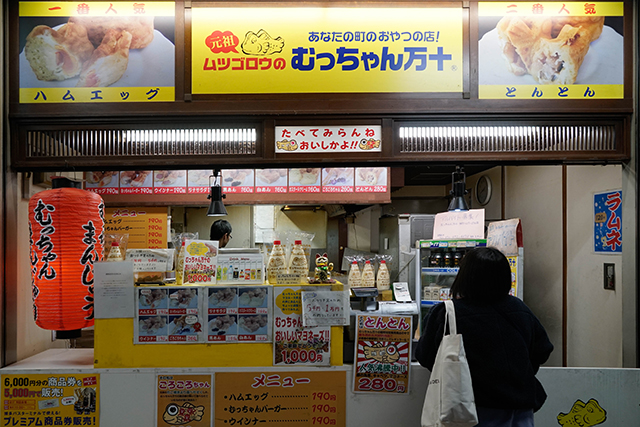
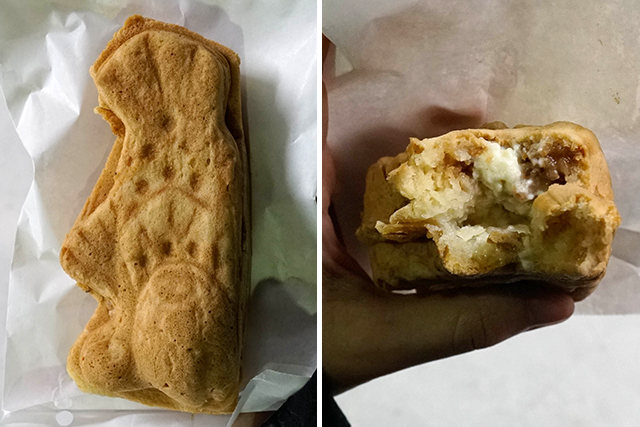
Visiting Japan is usually an endless eating tour and this time we headed to Mucchan Manjū to try their gorogoro chan (¥260), which was essentially a takoyaki manjū in the shape of their mascot, “mutsugoro” (mad skipper). This was said to be hugely popular with locals — the shop featured in the summer anime series, Hakata Mentai! Pirikarakochan — but we’re not fans. The taiyaki was soft and sweet like a sponge cake with too much mayonnaise in the centre. We did enjoy the bits of octopus, though.
Hakata Shopping
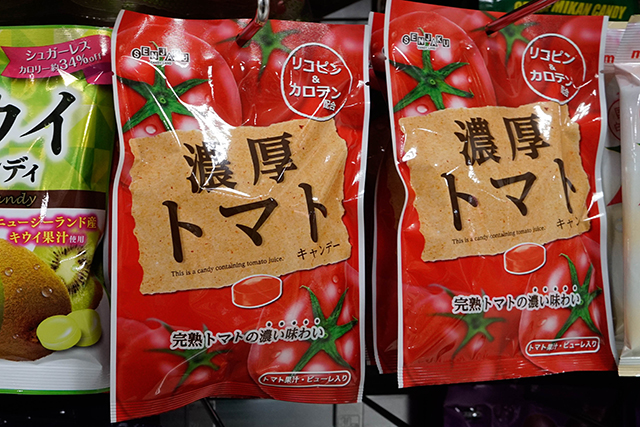
We headed a few floors up the Hakata Bus Terminal to visit the Daiso.
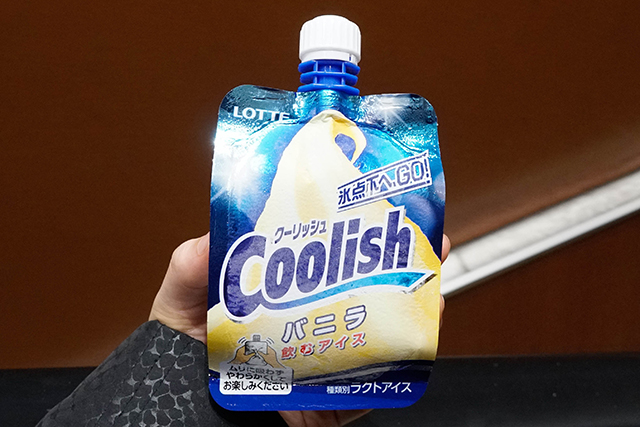
D left with a Glico ‘Giant’ Cookies and Cream cone that I didn’t photograph but was his favourite go-to ice cream in Japan. Meanwhile, I grabbed this Lotte Coolish Ramune, which tasted like a vanilla flavoured slushie without any citrus notes from the promised ramune flavour.
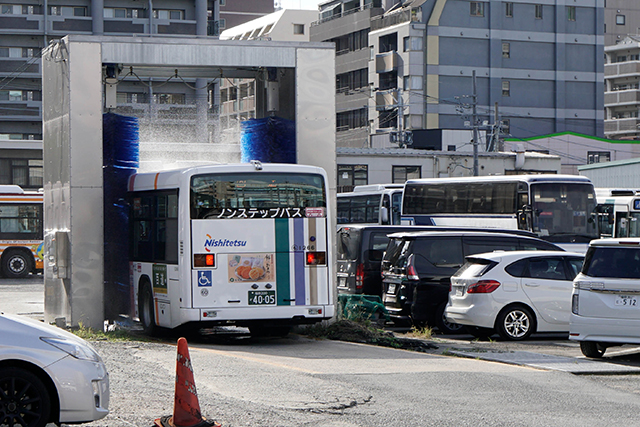
Enroute to Ishikura Brewery, we passed by a ‘bus wash’.
Ishikura Brewery Hyakunengura
石蔵酒造博多百年蔵, 1-chōme−30−1, Katakasu, Hakata Ward, Fukuoka, Japan
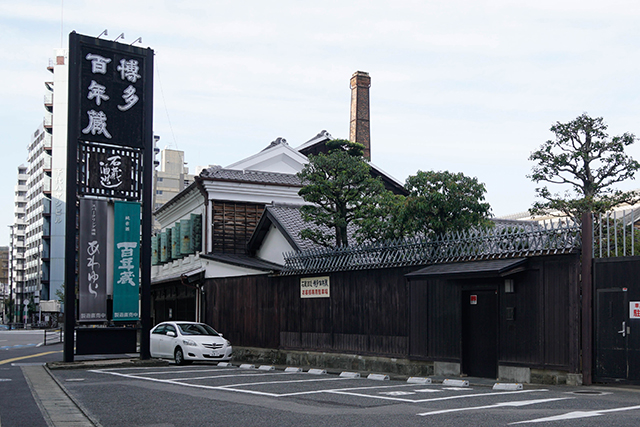
Ishikura Brewery Hyakunengura is the only local sake brewery in Hakata and within walking distance of Hakata Station. The brewery is known for its Hakata Hyakunengura sake, which is brewed in the original red brick chimney and white, chalky building, reminiscent of the Meji era.
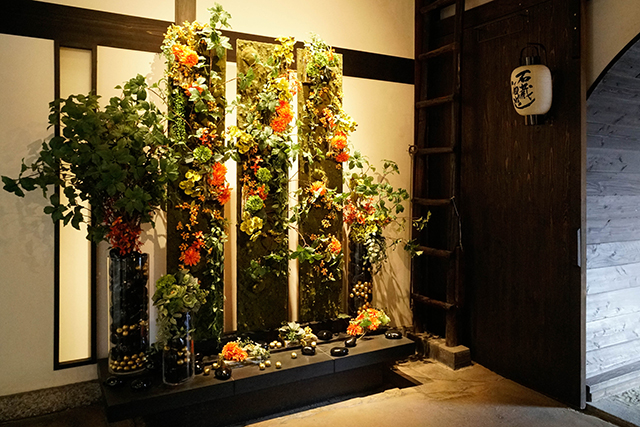
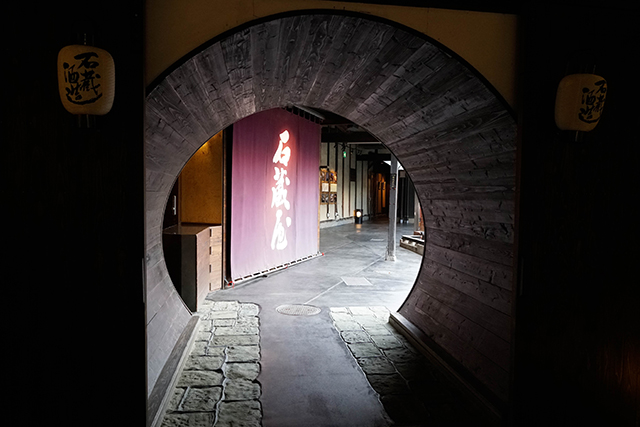
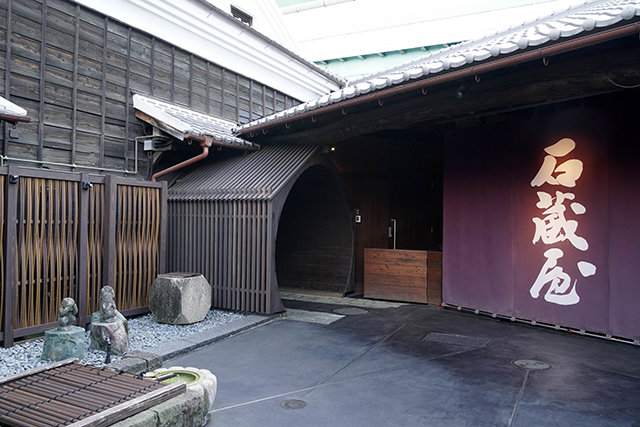
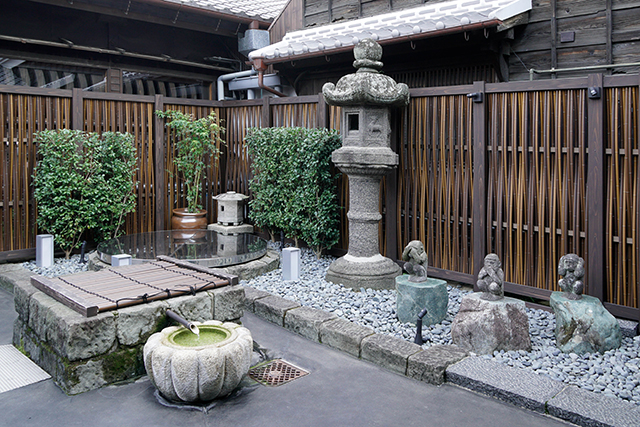
We walked past a floral arrangement and through an arched doorway to reach the inner courtyard.
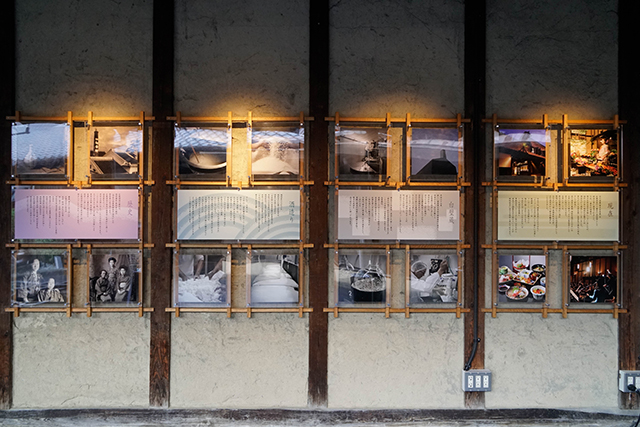
We were hoping for an experience more like the sake breweries we visited in the Nada district of Kōbe many years ago, but unfortunately, there’s not much to see other than some displays tracing the brewery’s history.
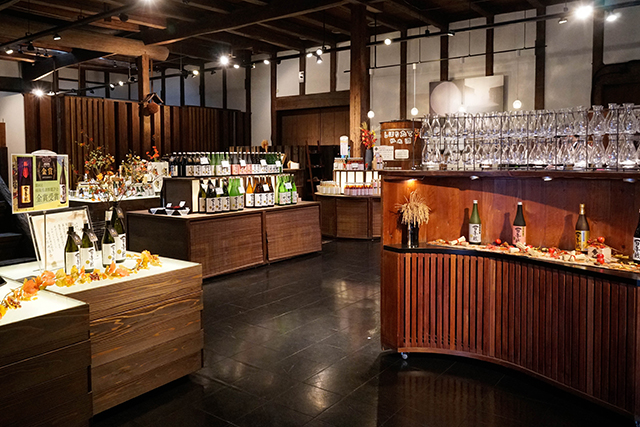
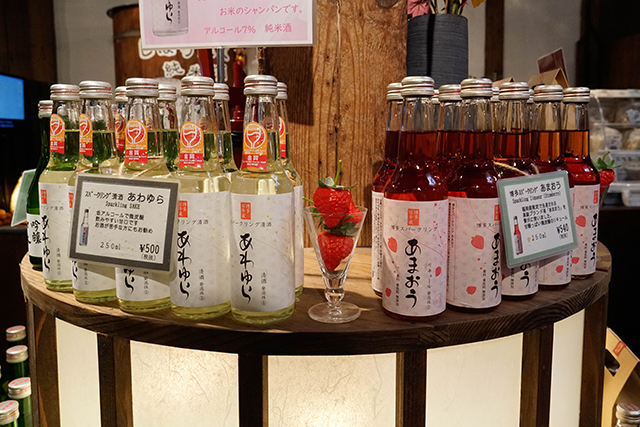
Instead, we took a look at the shop where the shopkeeper kindly offers samples of the different types of sake they have on offer. We came for the sparkling sake (left) and the sparkling strawberry liqueur (right) and did indeed pick up a bottle of each for enjoying later.
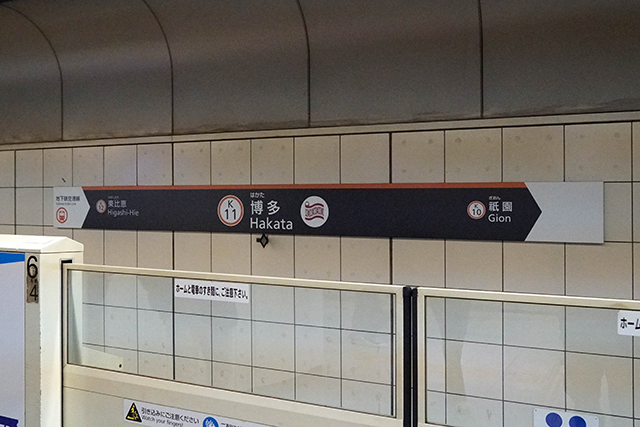
It was mid-afternoon by now, so we headed towards Hakata Station to check in to our hotel (review at the end) and take a much-needed shower before heading back on the subway to check out Tenjin.
Ringo
Tenjin Chikagai, 2-chome Tenjin, Chūō Ward, Fukuoka, Japan
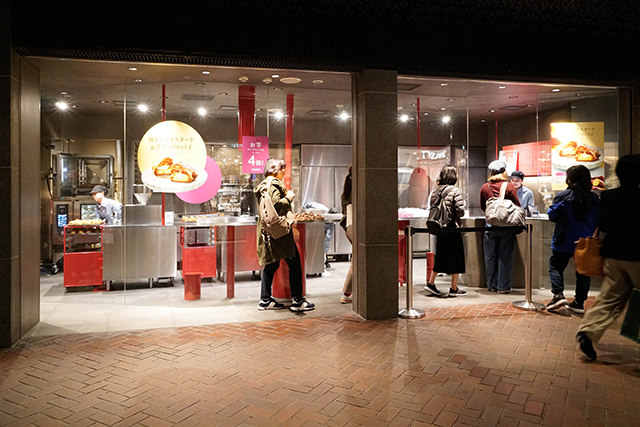
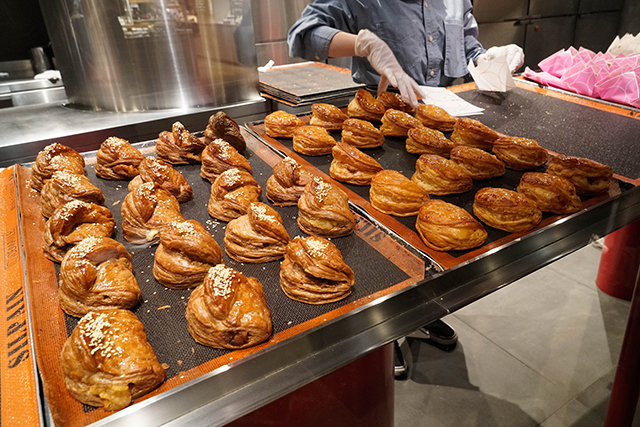
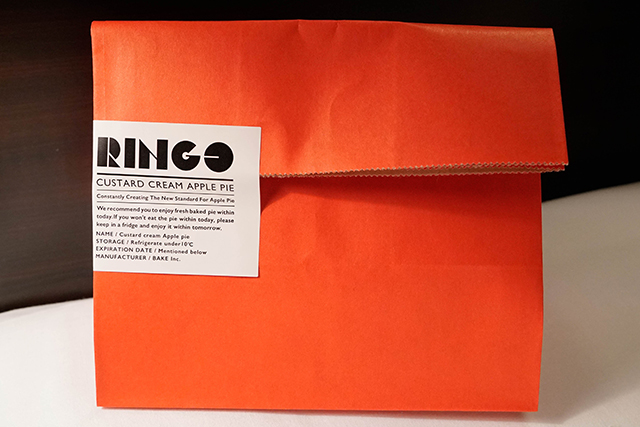
While apple turnovers have long existed, Ringo is the chain that inspired (the Malaysian-owned) Pafu in Australia. And as with the shops selling cheese tarts and choux creams, Ringo was also set up as a performance or stage, where customers can peer into the kitchen of fresh baked goods as they come out of the oven while they join the queue. Ringo kept it simple with just two pies on offer, and to our surprise, after-tax, they’re dearer than the ones in Australia. That said, both were heftier in weight than their Australian counterparts.
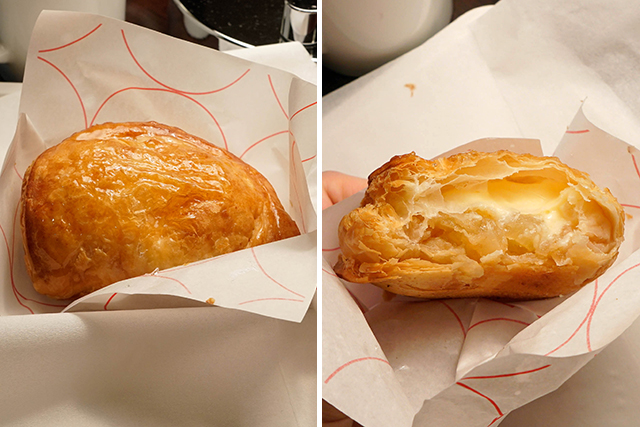
This was the permanent custard cream apple pie (¥399 + tax). This one had hints of cider making for a bright and clean apple flavour, although it lacked the bite of green apples.
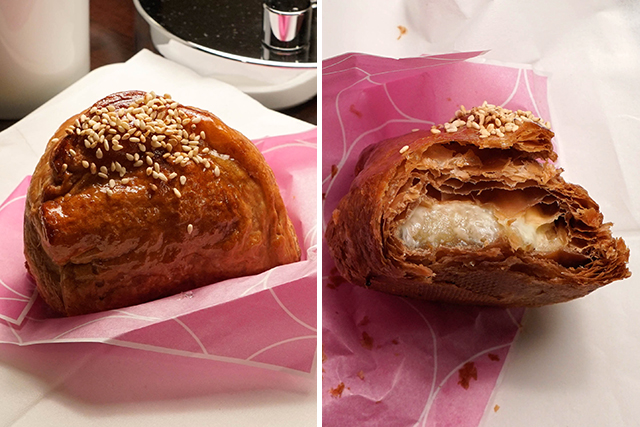
This was the seasonal sweet potato pie (¥399 + tax). The sweet potato filling was smooth and enjoyable, although the flavour came through more pronounced in the texture than the taste.
Tenjin Shopping
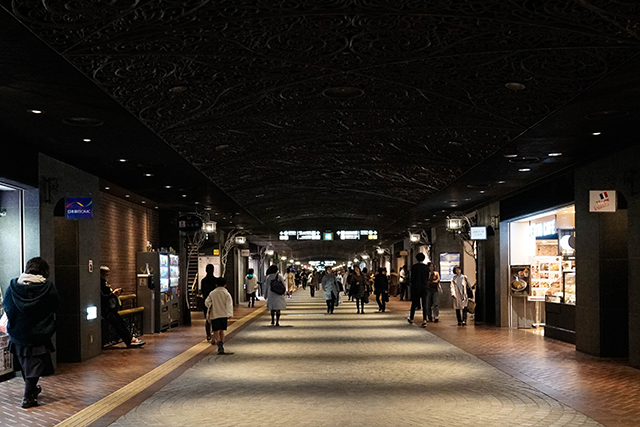
Tenjin is a very large shopping district with an extensive underground shopping strip with a good mix of convenience stores, fashion and food. Ring was located amongst these shops.
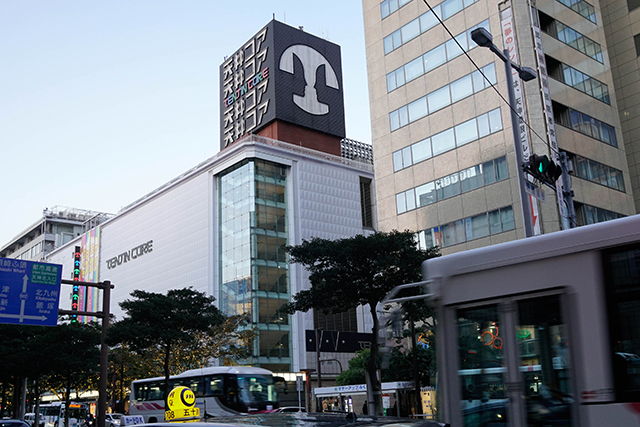
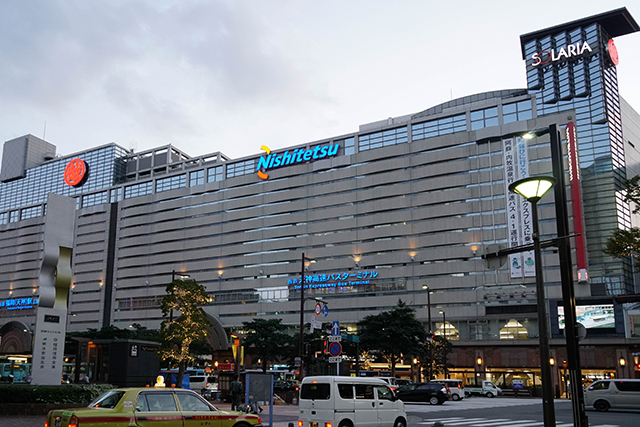
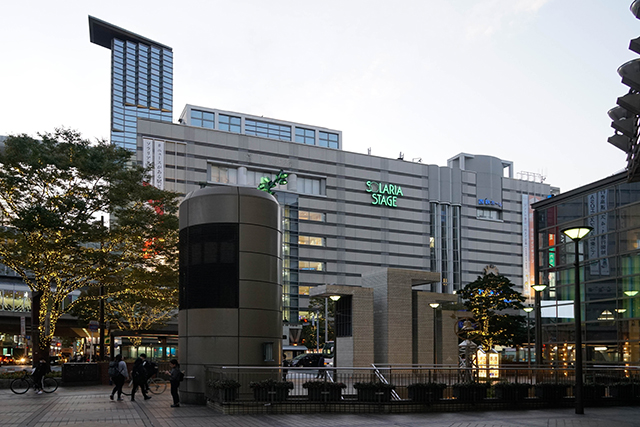
On the surface were numerous blocks of department store shopping. We were jetlagged and it was too early in the trip for clothes shopping so we walk on by…
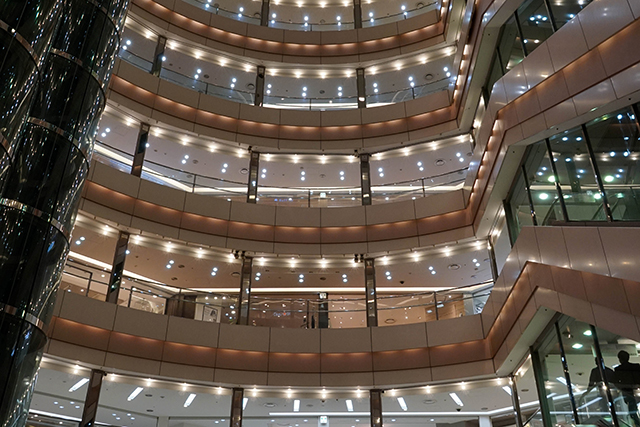
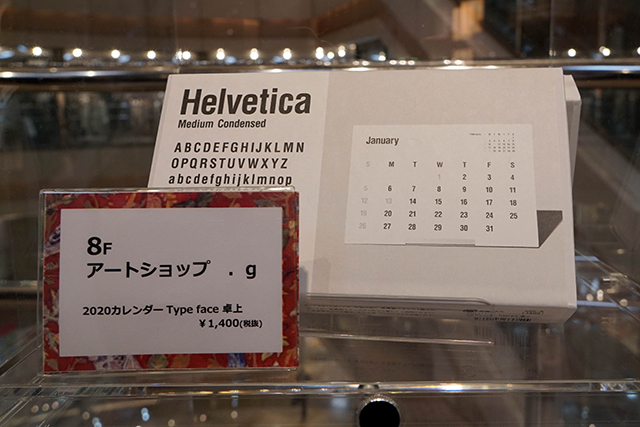
Of the few that we did venture into, we were thrown back into decor from the end of the 20th century with its beige colour scheme and spiral escalators. We spotted a calendar celebrating the Helvetica typeface.
Nakasu Island
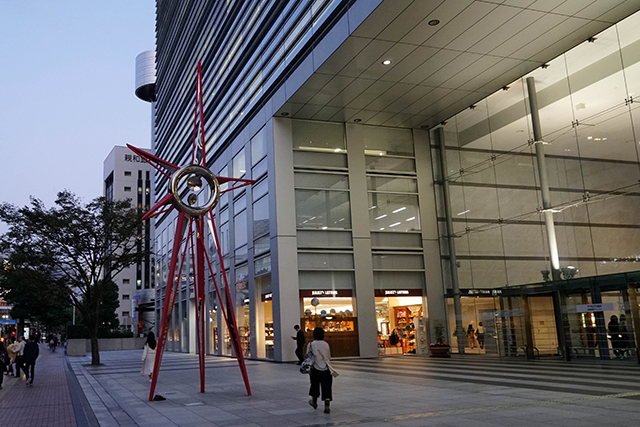
We walked back towards Nakasu Island just after sunset.
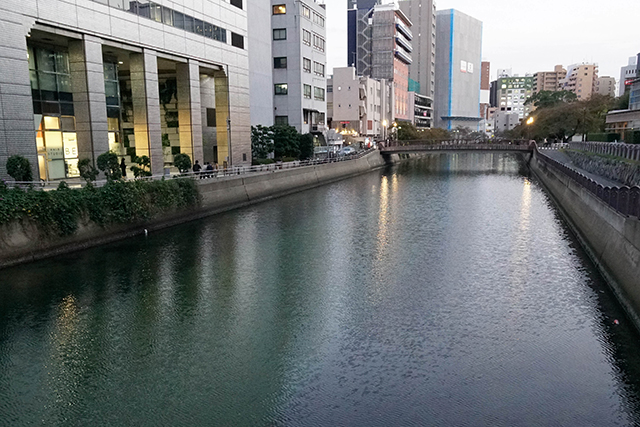
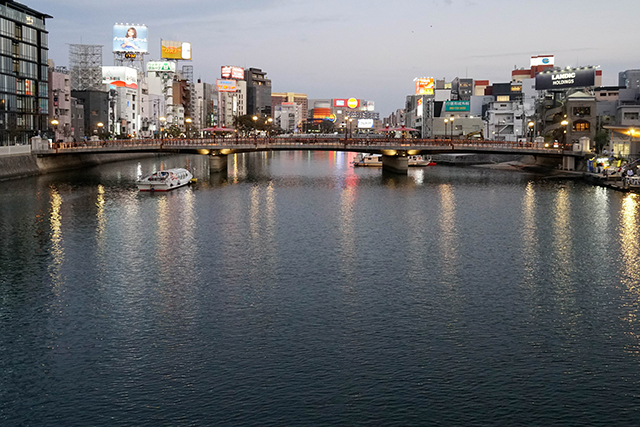
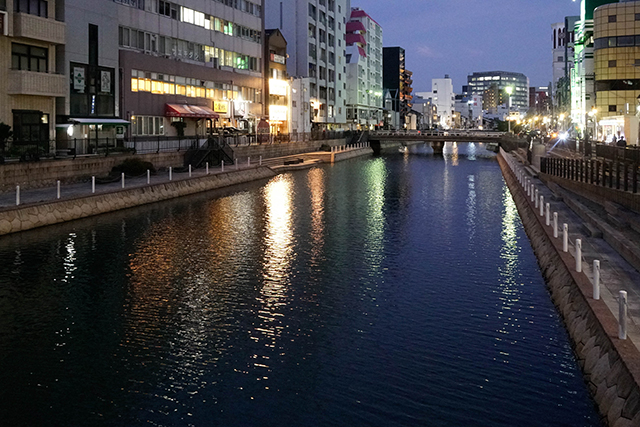
The intention was to check out the yatai food stalls on Nakasu Island, but they were still setting up and in our zombie states we wanted to eat at a restaurant where ordering was easier.
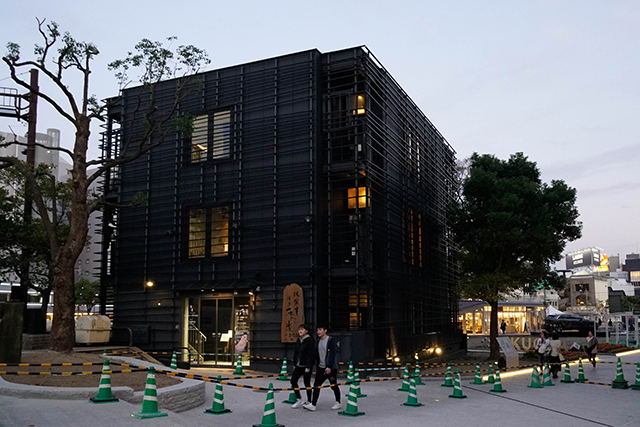
The industrial aesthetic of this black building with its warm pockets of light appealed to us.
Kawabata Shopping Arcade
10 Kamikawabatamachi, Hakata Ward, Fukuoka, Japan
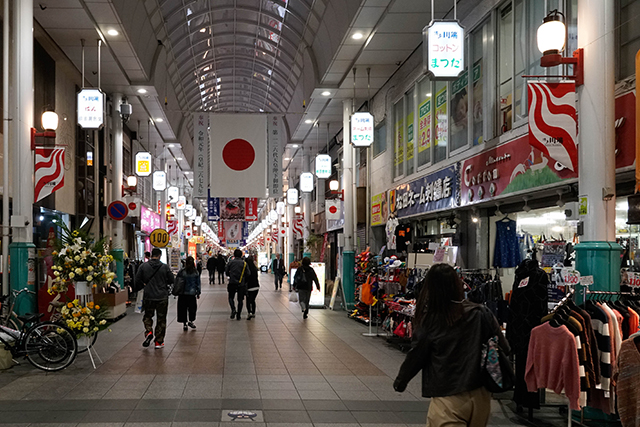
Walking through Kawabata Shopping Arcade, we were disappointed by its lethargy and dinginess. There were shops selling household shrines, incense, and many dingy-looking stores selling clothing. Perhaps 5 pm was already too late in the day.
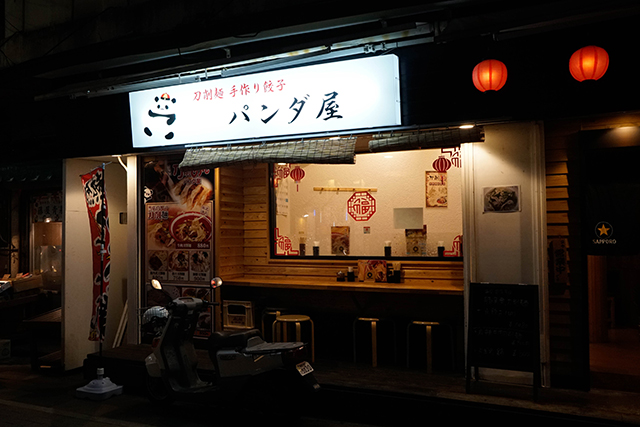
At the end of the street was an empty Chinese restaurant called ‘Panda Shop’.
Canal City Hakata
キャナルシティ博多, 1 Chome-2 Sumiyoshi, Hakata, Fukuoka, 812-0018, Japan
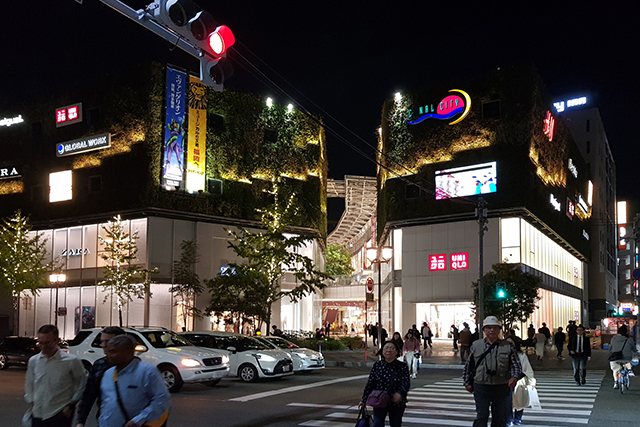
Canal City Hakata is a large shopping and entertainment complex with around 250 shops, cafes and restaurants, a theatre, game centre, cinemas, and two hotels.
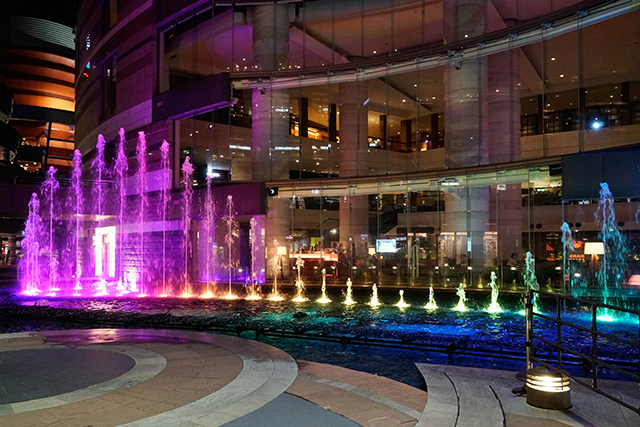
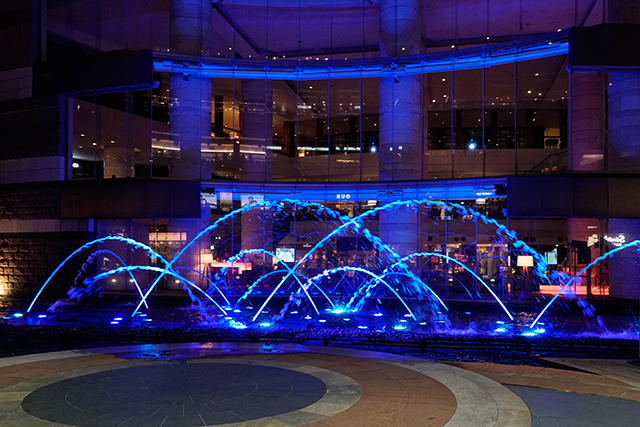
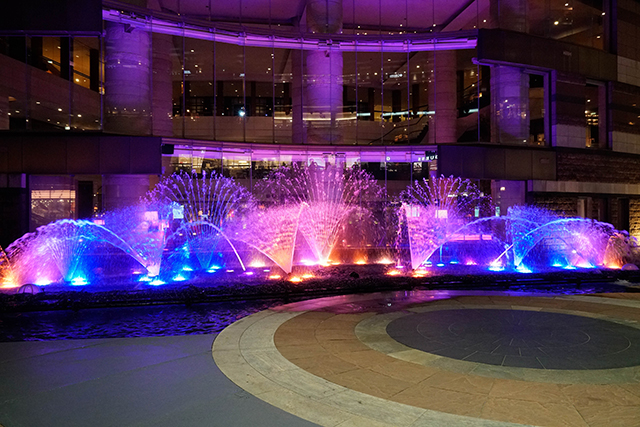
A canal runs through the complex with a fountain in the centre where water shows take place every 30 minutes from 10:00 until 22:00.
Canal Aqua Panorama Vol 10 ‘Evangelion – Angel Attack on Hakata’
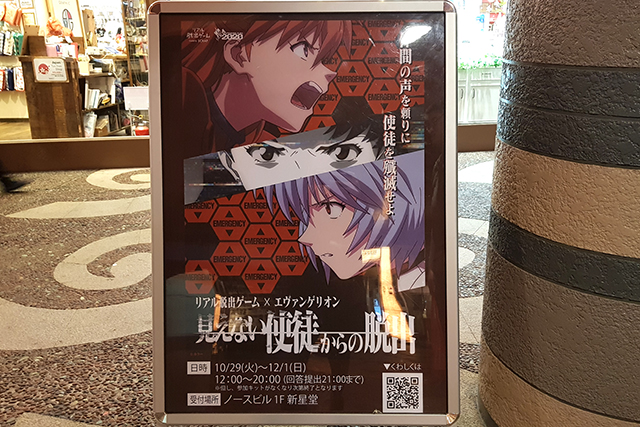
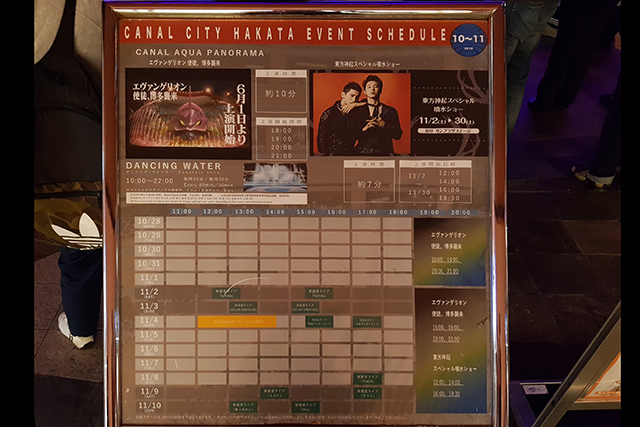
Ahead of the release of Evangelion: 3.0+1.0 in 2020, scenes from earlier series appeared at the Sun Plaza Stage at Canal City Hakata via projection mapping as part of the 10th volume of Canal Aqua Panorama.
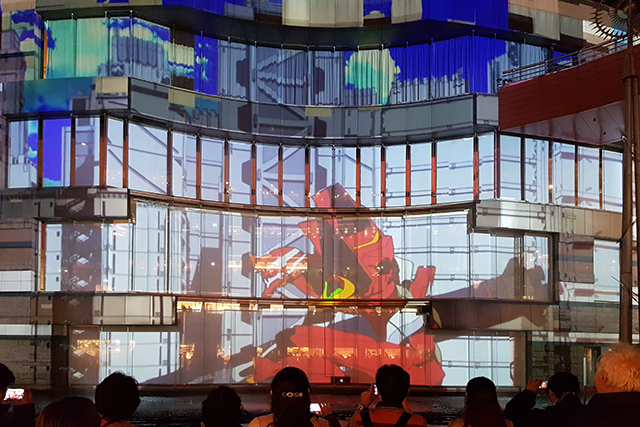
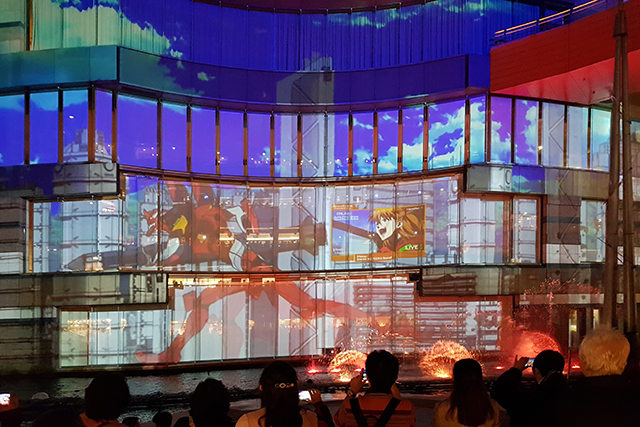
Scenes were projected onto the walls — 65 m x 20 m — and accompanied by a theatrical light, sound and water show.
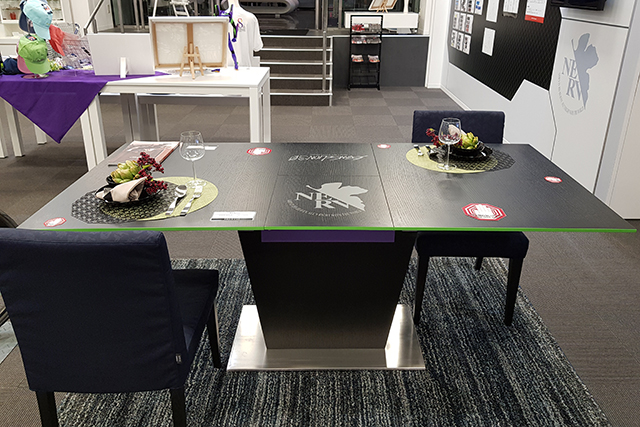
A pop-up shop dedicated to Evangelion merchandise was nearby selling an Evangelion dining table.
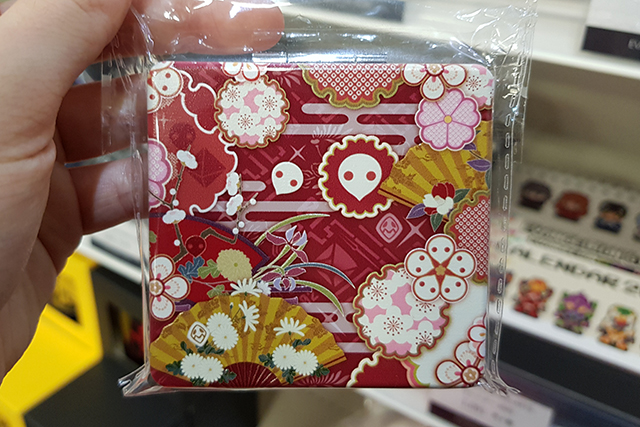
This pocket mirror with Evangelion branding was stylishly understated and elegantly incorporated.
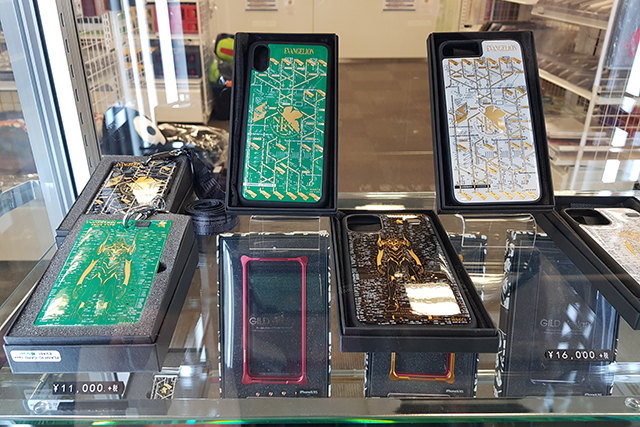
Evangelion luggage tags were selling for ¥11,000 as well as iPhone cases starting at ¥16,000. At that price, what do you do when you upgrade your phone?!
Ichiran Ramen
一蘭, Canal City Hakata B1F, 1 Chome−2−22, Hakata Ward, Fukuoka, Japan
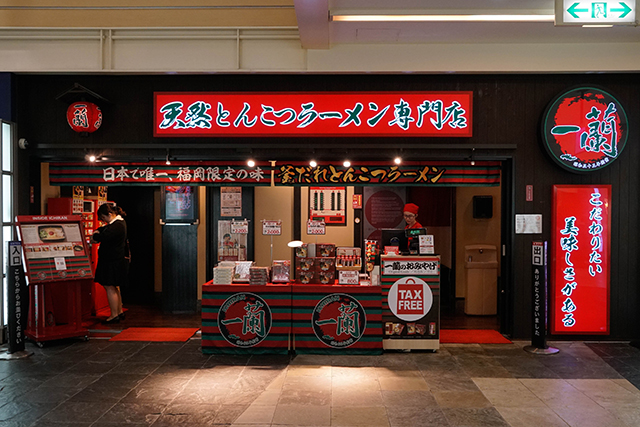
When it comes to food choices in Japan, D and I will almost always pick anything over ramen — that is, unless the ‘ramen’ is tomato-based, rather than pork-based. But we knew Hakata ramen as being one of the most popular types in Japan and were eager to try it at its source. And where better than at Ichiran Ramen whose ramen many claim to be the best in the world.
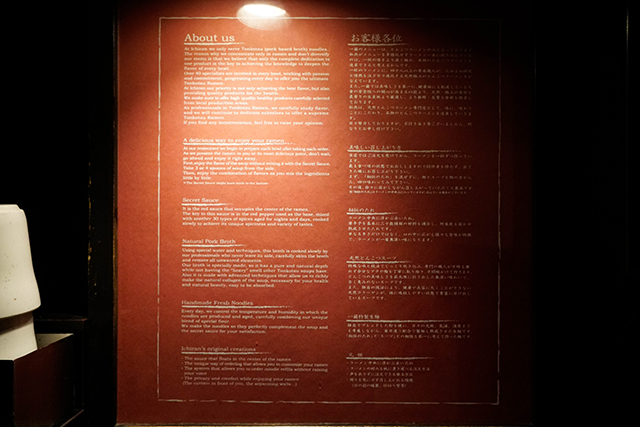
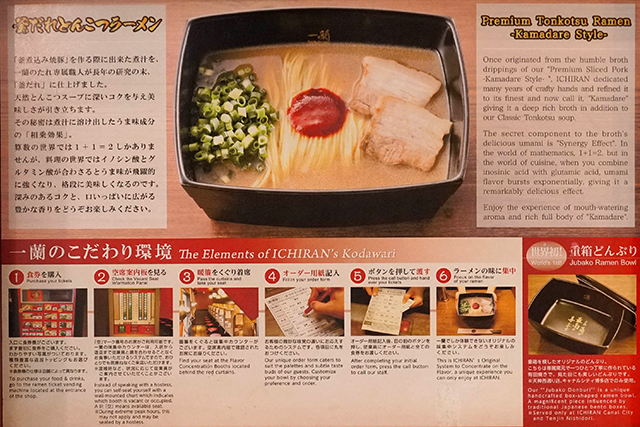
Ichiran serves only tonkotsu ramen and defines their style of deep rich broth as ‘Premium Tonkostu Ramen -Kamadare Style-‘.
The secret component to the broth’s delicious umami is ‘Synergy Effect’. In the world of mathmatics, 1+1=2, but in the world of cuisine, when you combine inosinic acid with glutamic acid, umami flavour bursts exponentially, giving it a remarkably delicious effect’.
Beyond that, they’re said to have revolutionised the ramen world with five elements:
- Original Spicy Red Sauce
- Aromatic Tonkotsu Broth
- Solo Dining Booth
- Order Form
- Kae-Dama Ordering System
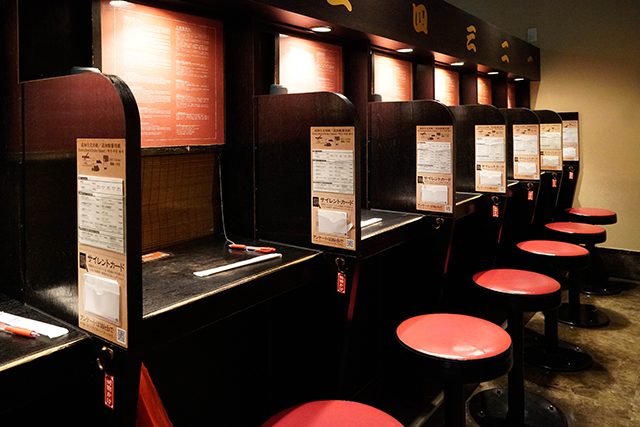
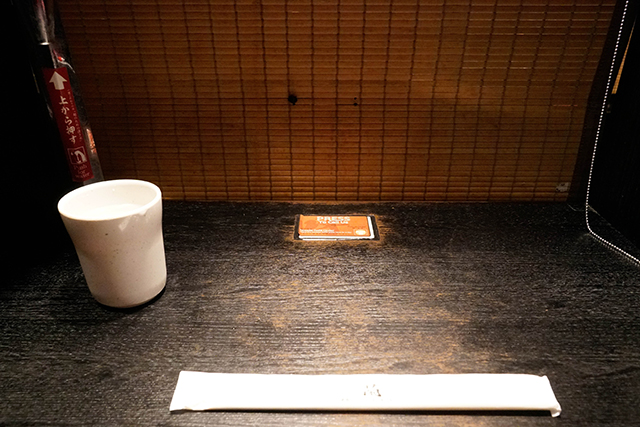
After paying for the ramen via a vending machine (¥1,080 including tax), we entered with our ticket into a space divided into the solo ‘Flavor Concentration Booths’ for which Ichiran is famous. Instead of speaking with staff, customers self-seat with a wall-mounted chart indicating vacant and occupied booths.
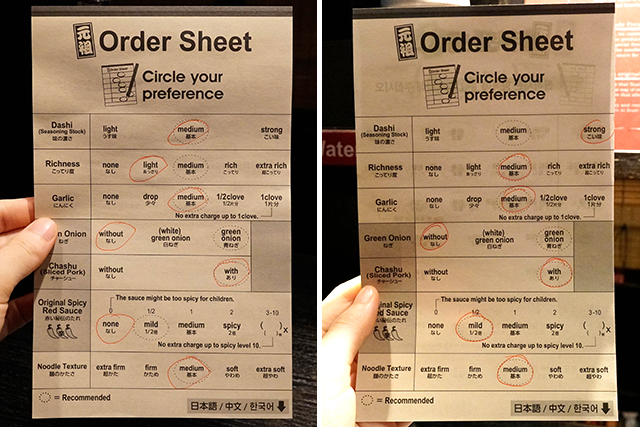
At each booth was an order sheet. While Ichiran serves only tonkotsu ramen, beyond that, every other aspect was customisable with the restaurant’s recommendations circled in broken line. (Left is mine, right is D’s.)
- Dashi: light, medium or strong
- Richness: none, light, medium, rich, extra rich
- Garlic: none, drop, medium, 1/2 clove, 1 clove
- Green onion: without, white (green onion), green onion
- Chashu: without, with
- Original spicy red sauce: none (0), mild (1/2), medium (1), spicy (2), up to 10 (3-10)
- Noodle texture: extra firm, firm, medium, soft, extra soft
Once the order sheet was completed, we rang the bell to notify the staff who retrieved the sheet and closed the bamboo blind until the food is ready, at which point they lifted the blind to place the food before shutting it again so that customers can enjoy their ramen without the distraction of either the staff, chefs or other customers.
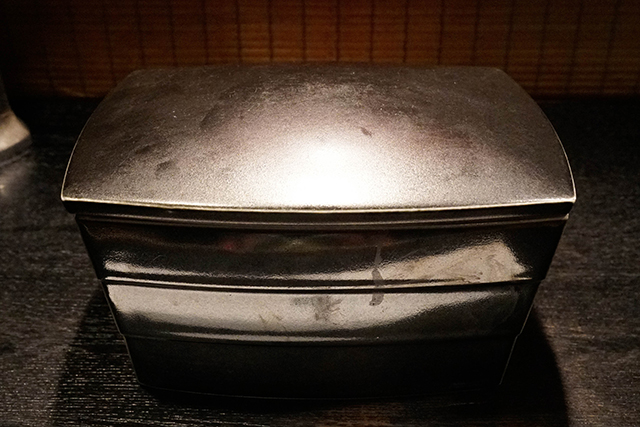
Ramen at Ichiran’s Canal City and Tenjin locations was served in their jubako ramen bowl, which was inspired by traditional Japanese bento boxes.
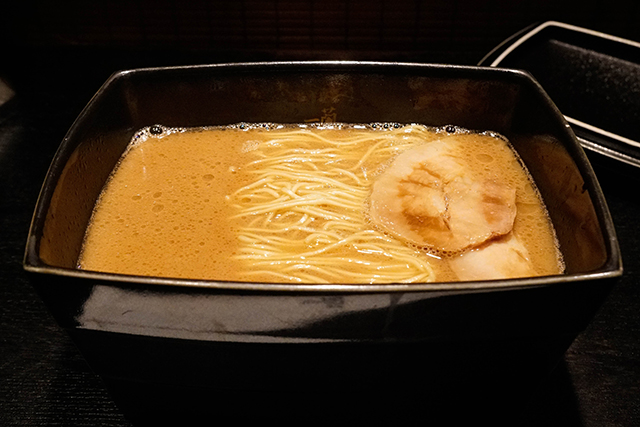
This was my ramen (medium dashi, light richness, medium garlic, without green onion, with chashu, no original spicy sauce, and medium noodle texture). When it comes to pork-based ramen, this was easily one of the tastiest we’ve enjoyed. The noodles had the perfect amount of bite and were excellent vehicles for the broth, which hit an enjoyable balance in terms of richness in the pork/dashi/garlic flavour that had me wanting to drink some of the broth at the end. I’d have enjoyed some sort of freshness in the form of bamboo shoots (not being a fan of green onion).
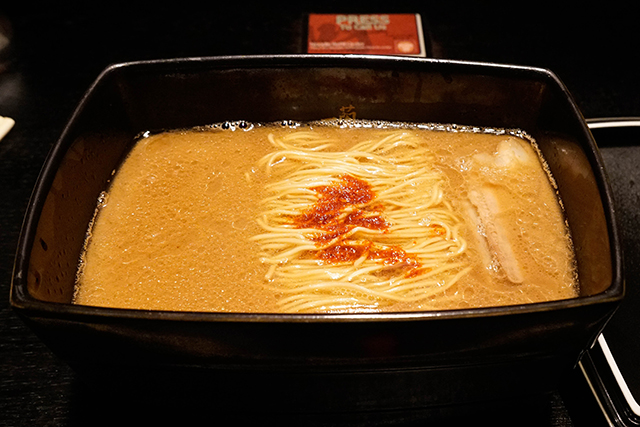
This was D’s ramen (strong dashi, medium richness, medium garlic, without green onion, with chashu, mild original spicy sauce, and medium noodle texture). D’s broth bumped up the richness and dashi strength, with both alterations making a dramatic difference to the richness of the broth. Indeed, the pork flavour was almost too intense, although the spicy sauce did lend an enjoyable gentle heat to the flavour.
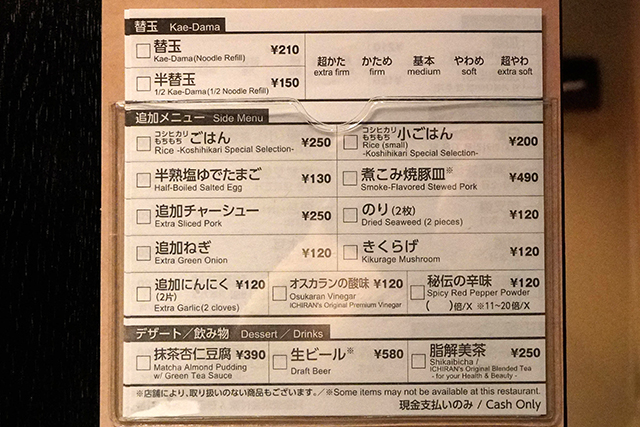
For those wanting something extra, side dishes could be purchased from the vending machine and added to the order. This included extra servings of noodles, rice, pork, vegetables as well as dessert and drinks.
Gindaco
築地銀だこ 原宿店, Canal City Hakata B1F, 1 Chome−2−22, Hakata Ward, Fukuoka, Japan
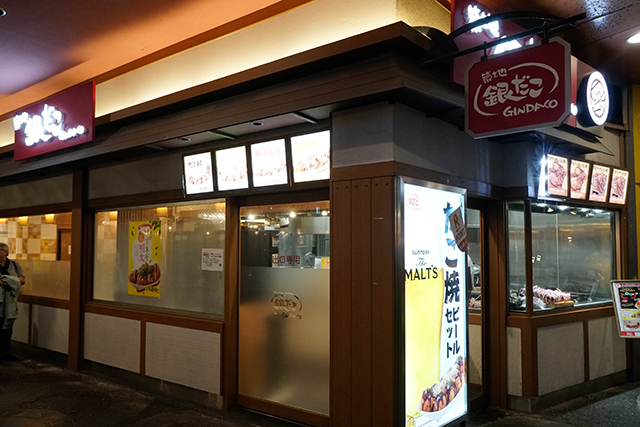
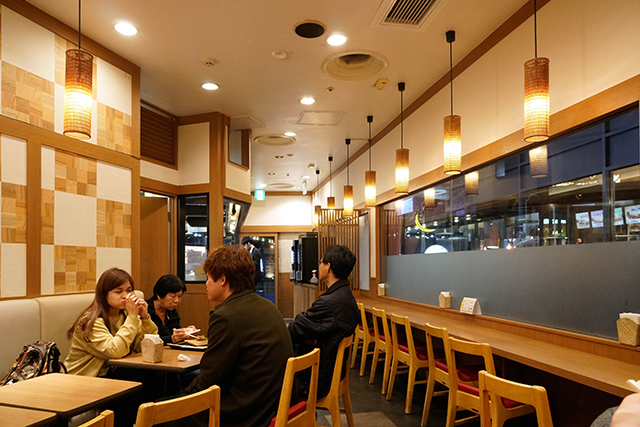
Takoyaki is one of D’s favourite Japanese foods and while we enjoy the ones from Ōsaka best, he was happy to scratch that itch with the nationwide chain, Gindaco.
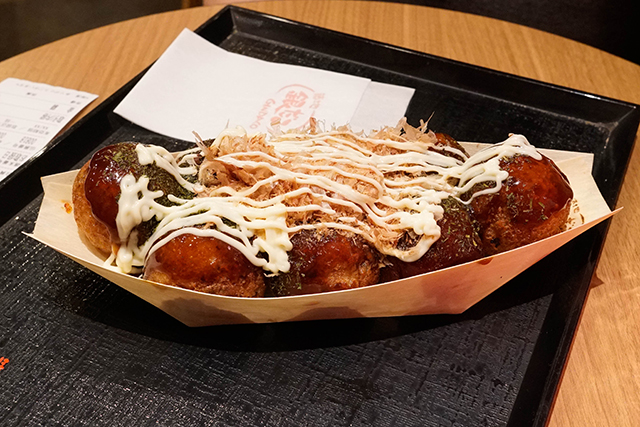
As we expected, the takoyaki isn’t quite as piping hot as in Ōsaka, but the combination of all the ingredients hit all the right spots.
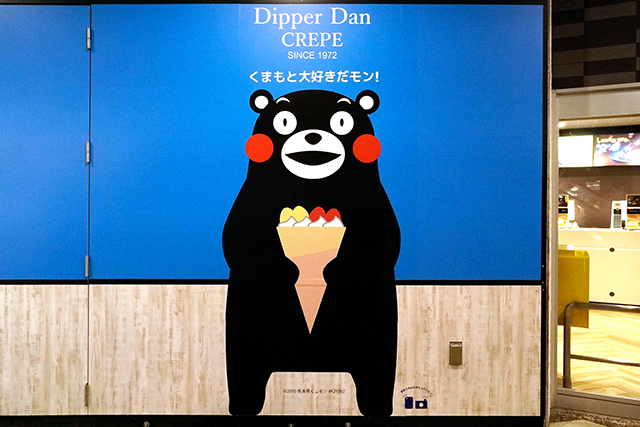
Nearby at Dipper Dan, there’s a huge Kumamon decal holding a crepe. Unfortunately, there was no Kumamon-themed crepe. Kumamon was printed only on the paper sleeve holding the crepes.
JR Hakata City
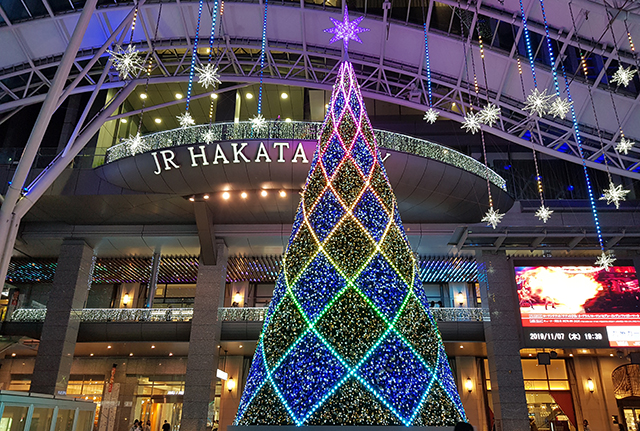
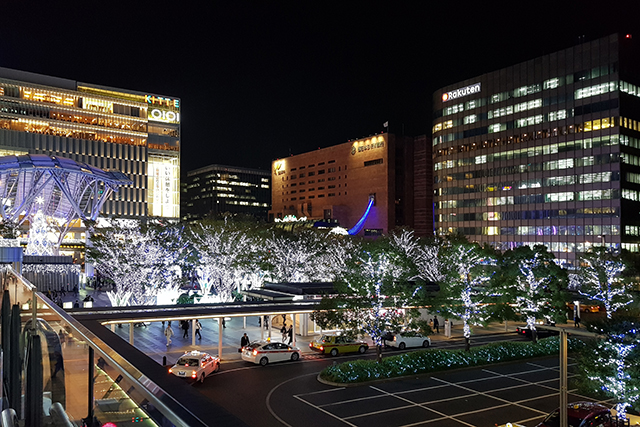
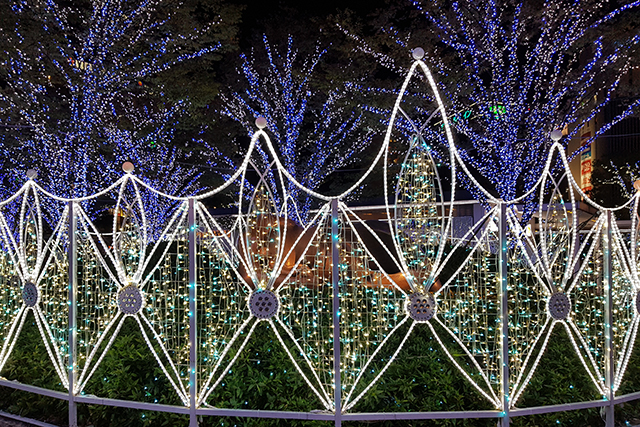
By now, we were ready to pass out so we headed back to the hotel, passing by JR Hakata City lit up at night. It was a beautiful sight.
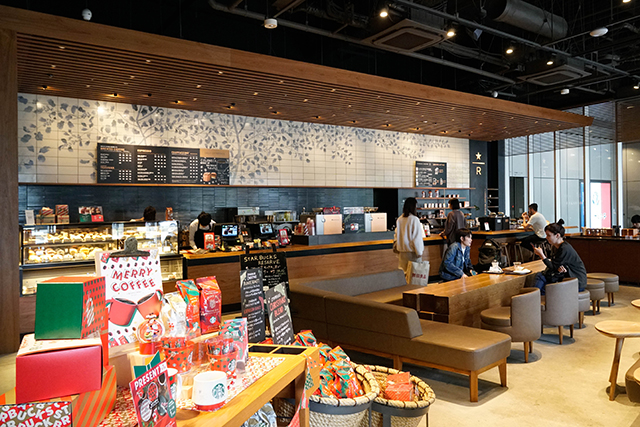
Mid-way, there was a Starbucks Reserve. This one was a bar selling single-origin coffees rather than a roastery with a tasting room like the one in Tōkyō.
Hotel Sunline Fukuoka
ホテルサンライン福岡博多駅前, 4 Chome-11-18 Hakata Ekimae, Hakata Ward, Fukuoka, Japan
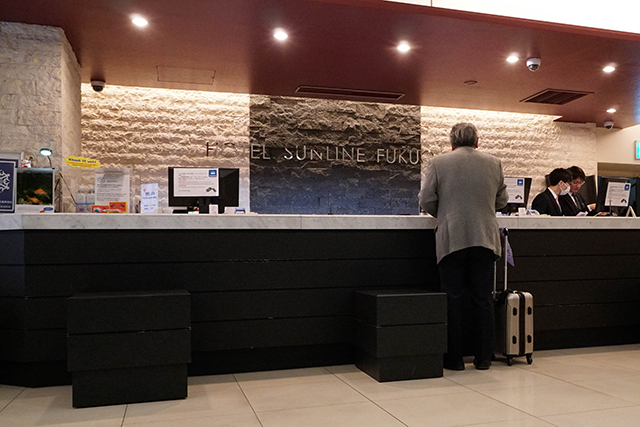
Hotel Sunline Fukuoka was our hotel and was located about 6 minutes walk from Hakata Station. With Hakata Station being so vast, we thought it was a decent location. The staff spoke decent English and had a British gentleman on staff in the evening. Check-in was after 3 pm, check out was before 11 am, and the hotel was happy to hold our luggage before check-in and after checking out.
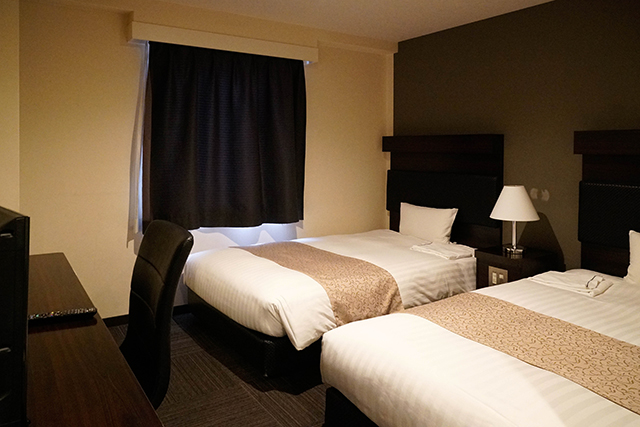
We booked a small non-smoking double room for one night and received a twin room, which gave us extra space to sprawl given the small size of Japanese hotel rooms. Overall, the room was clean and comfortable, while — as we’ve come to expect — the central air-conditioning set the temperature too warm making it difficult to sleep at night. The comforter was fluffy, but the mattress was hard (and we like our mattresses firm!) and the wheat sack pillows very passable.
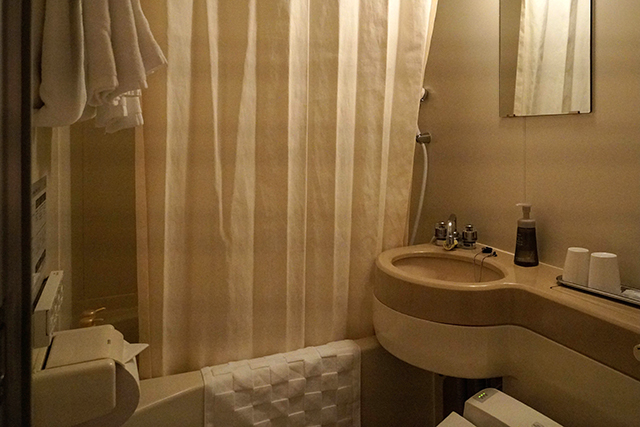
The bathroom was old and small but did come with a washlet, while the shower and the sink shared the same tap. Additional amenities (beyond body wash, shampoo, conditioner, hand wash, toothbrush and toothpaste), such as razors, could be picked up at a counter near reception.
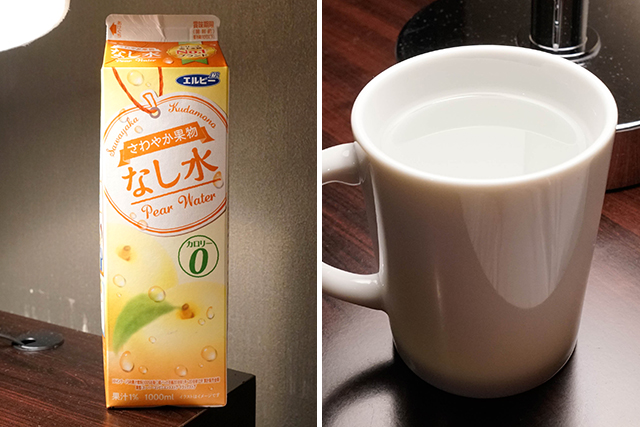
We quenched our thirst in the hotel with this Sawayaka Kudomono Pear Water. The drink was clear and colourless with a bright, crisp flavour of nashi that tastes much like the Korean Haitai Crushed Pear Juice but without the pulp. And with that, we passed out from sheer exhaustion.
Fukuoka was Day 1 of 15 in this Japan 2019 trip around Kyūshū. Day 2 saw us visiting Nagasaki.