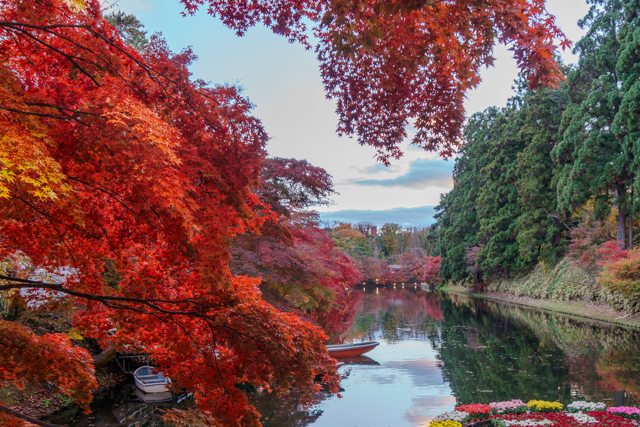
Hirosaki is a former castle town in Aomori Prefecture, with a strong sense of local identity and a pace that feels grounded and unhurried. The city centres around Hirosaki Castle, with layers of history sitting comfortably alongside everyday life. This post goes through what we did on our second of three days in the city, from wandering the town to eating our way through it.
Fujita Memorial Garden
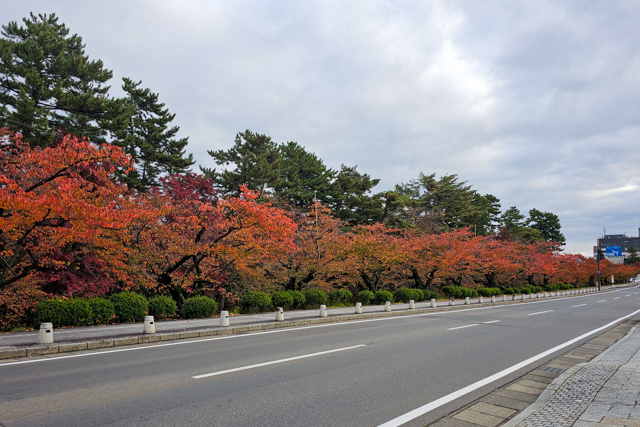
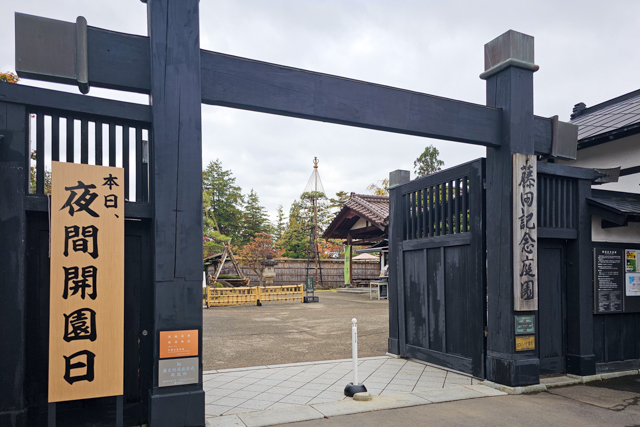
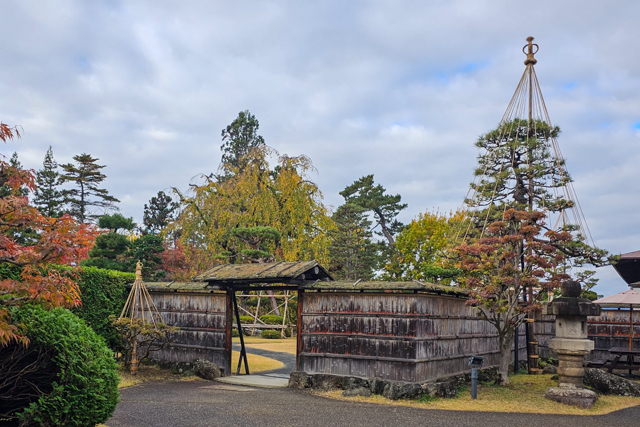
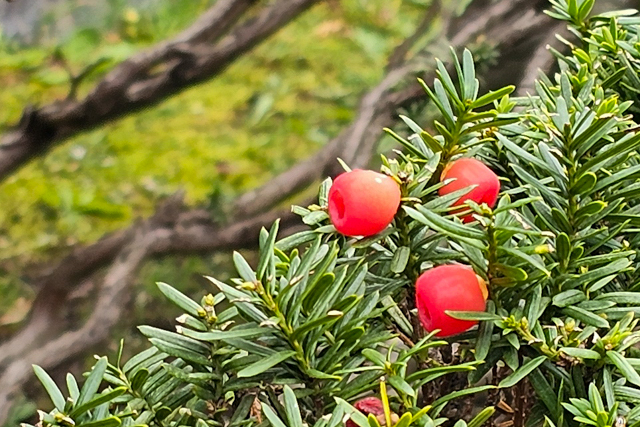
Hirosaki has long been regarded as a northern centre of learning, governance, and cultural refinement. The city retains a notably intact architectural fabric, particularly around Fujita Memorial Garden, where Taishō-era (1912–1926) sensibilities remain clearly legible in both scale and atmosphere.
Taishō Roman Tea Room
大正浪漫喫茶室, Inside the Former Fujita Family Western-style Villa, Fujita Memorial Garden, 8-1 Kamishiroganechō, Hirosaki City, Aomori 036-8207, Japan
Located within Fujita Kinen Teien, the Taishō Roman Tea Room occupies a Western-style residence distinguished by its red-gabled roof. This building, along with several others in the precinct, is registered as a Tangible Cultural Property.
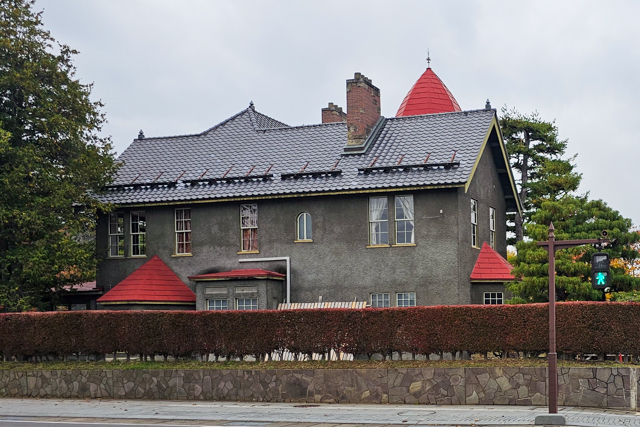
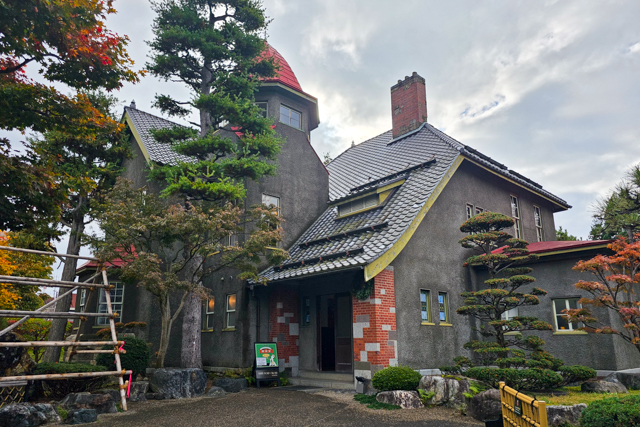
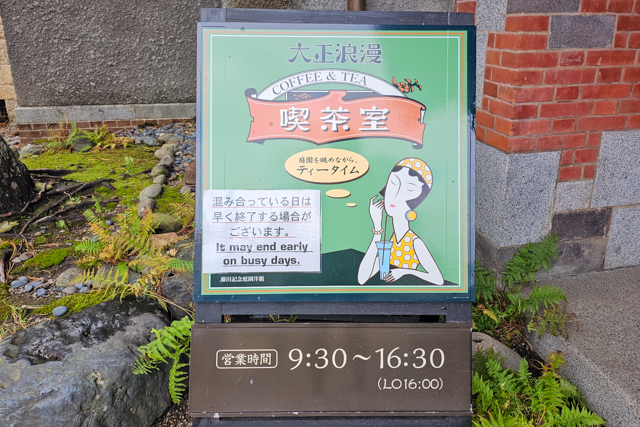
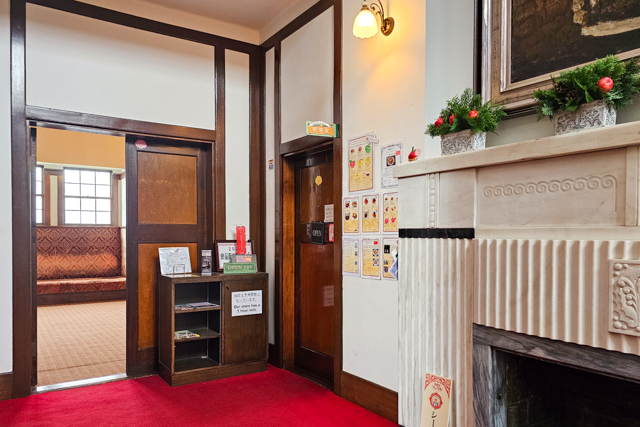
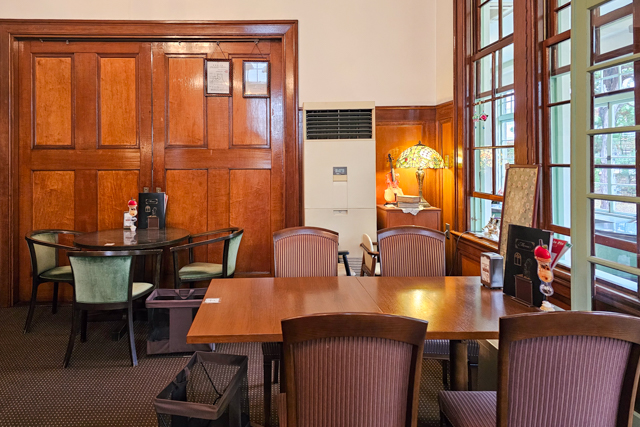
The interior immediately establishes its period character through stained glass, a preserved fireplace, latticed window fittings, and softly diffused lighting. Seating operates on a reservation list taken shortly before opening, with sittings limited to sixty minutes regardless of order size.
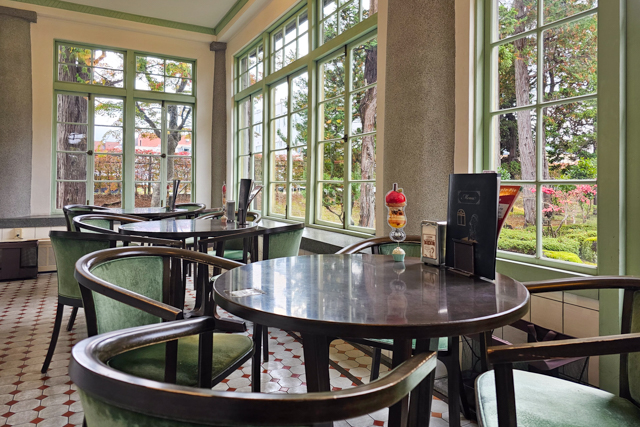
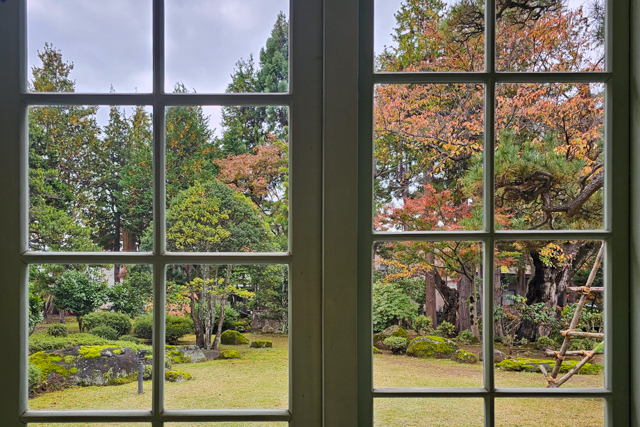
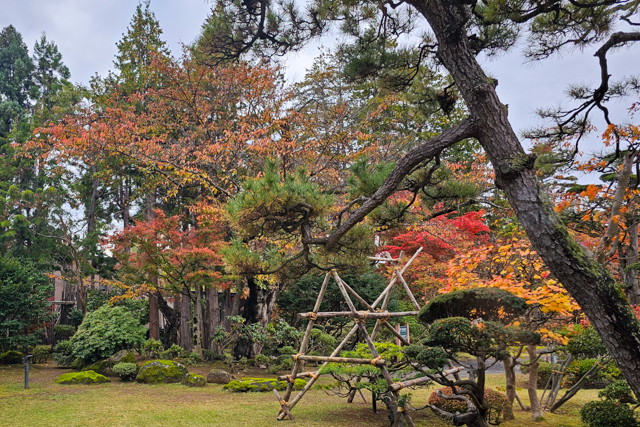
The sunroom, overlooking the garden, is the most sought-after space, offering seasonal views that shift markedly throughout the year.
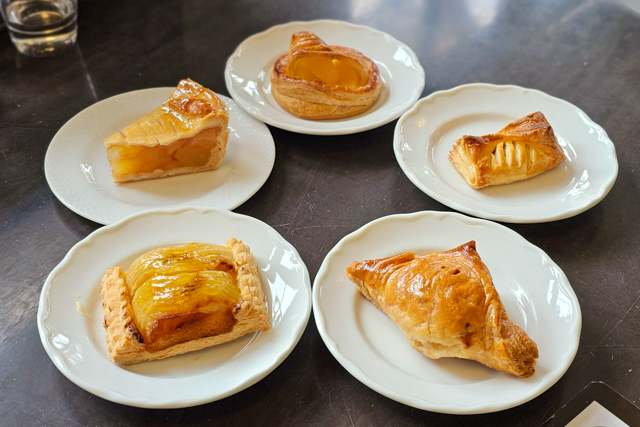
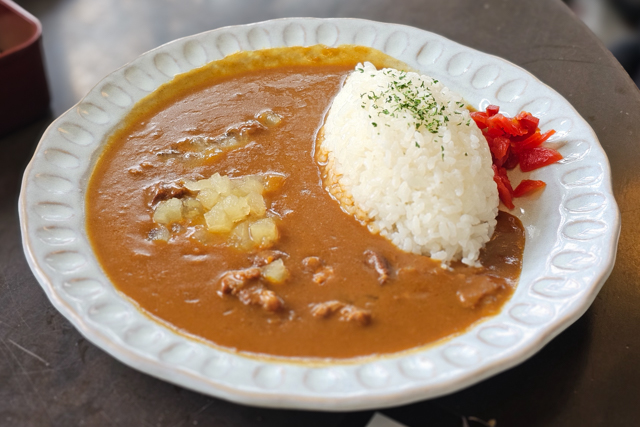
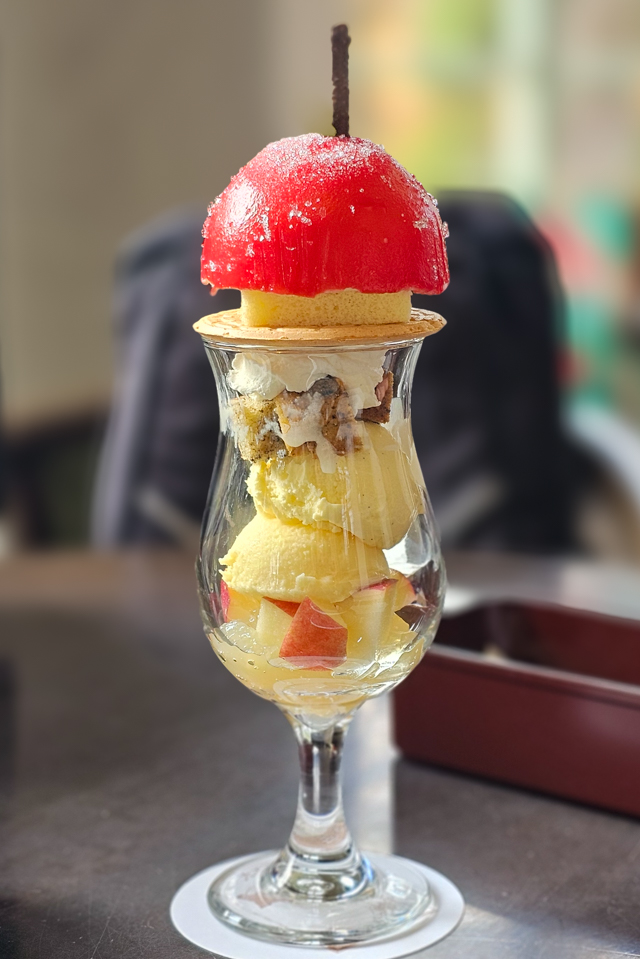
The tea room is particularly known for its rotating selection of apple pies sourced from bakeries across Hirosaki, allowing direct comparison of regional styles in a city synonymous with apple cultivation.
Review: Taishō Roman Tea Room, Hirosaki
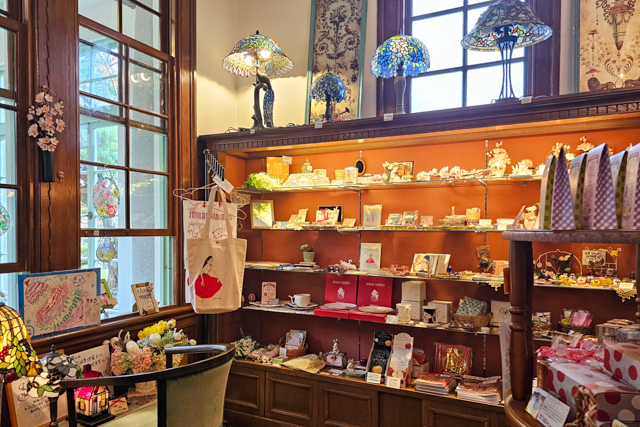
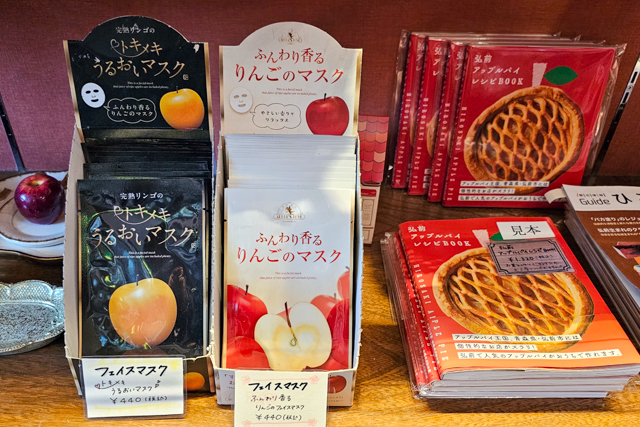
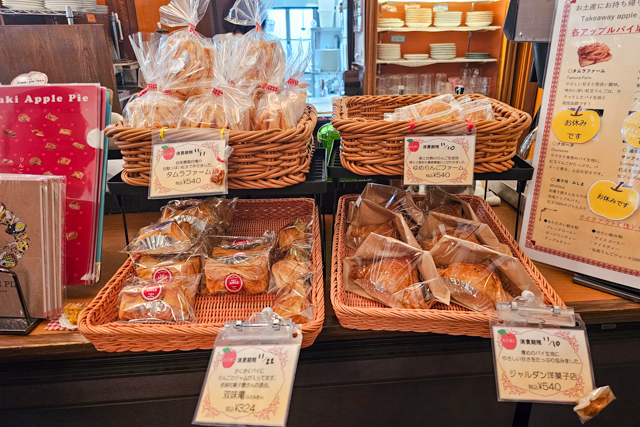
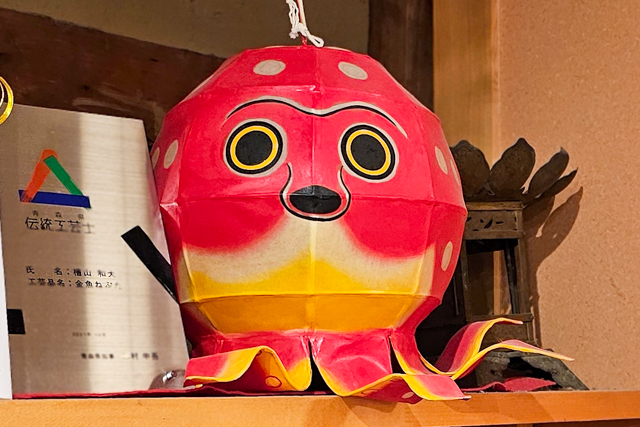
A compact gift shop attached to the tea room stocks apple-based confections and baked goods for takeaway, while other rooms of the residence are open for public viewing.
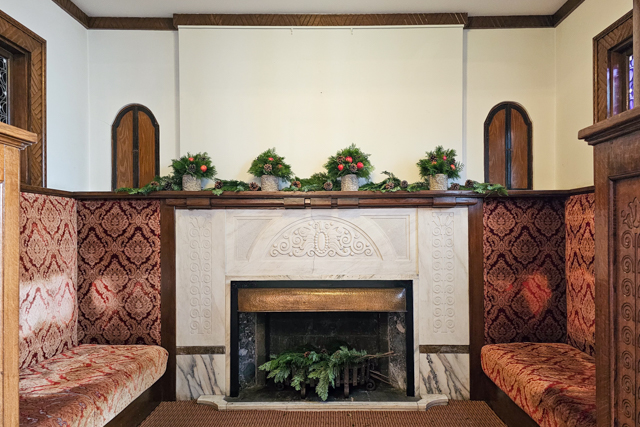
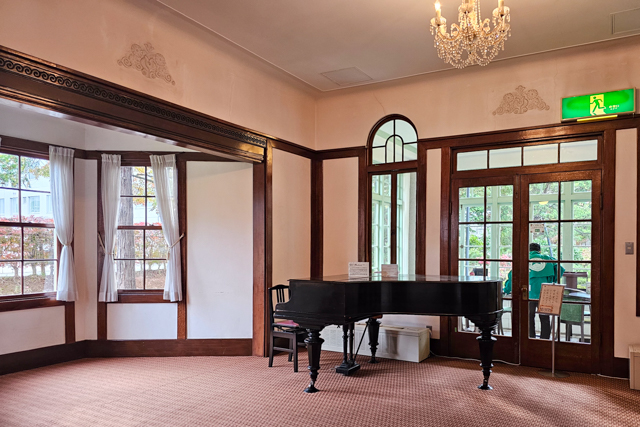
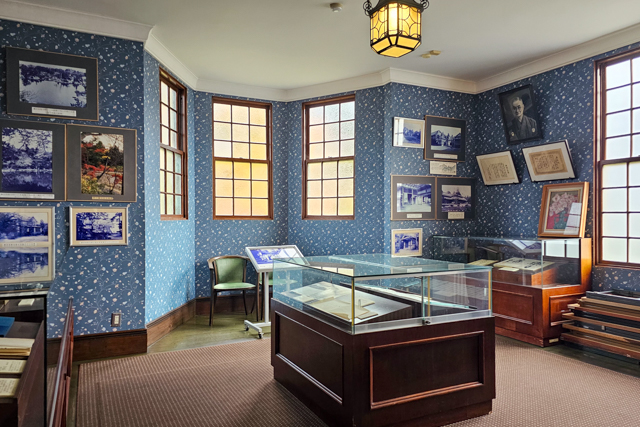
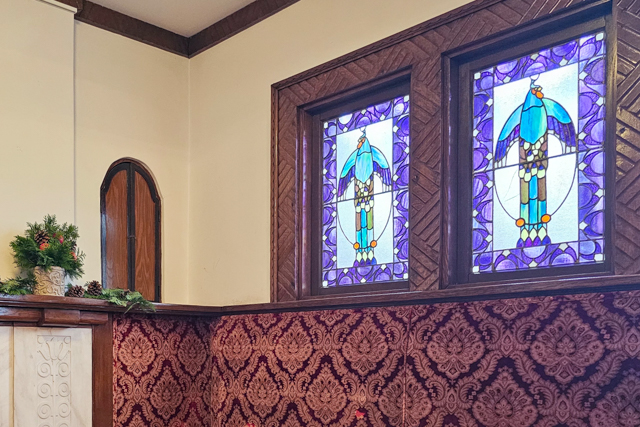
Other sections of the house are open to the public viewing.
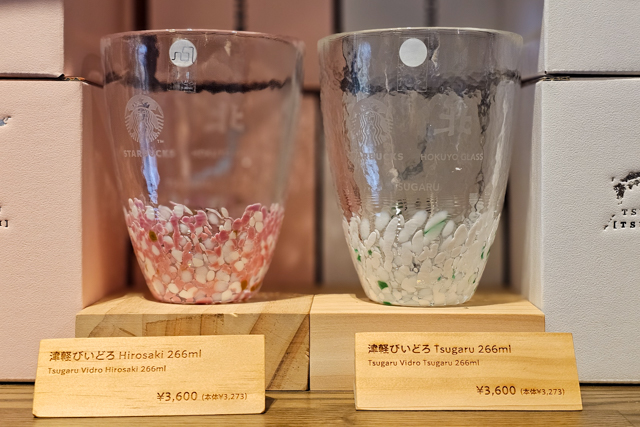
Starbucks Coffee Hirosaki Koenmae
旧第八師団長官舎(弘前市長公舎)1-1 Kamishiroganechō, Hirosaki, Aomori 036-8207, Japan
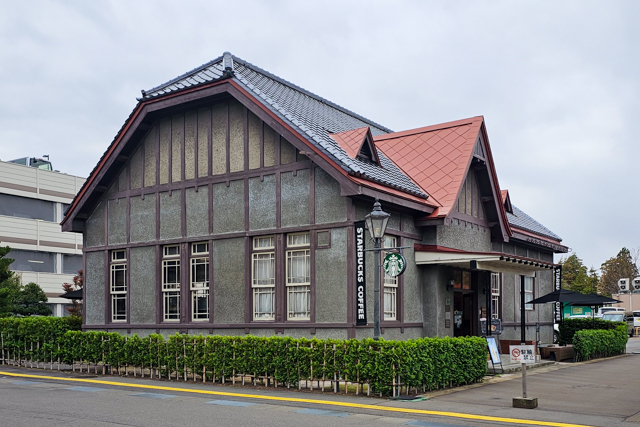
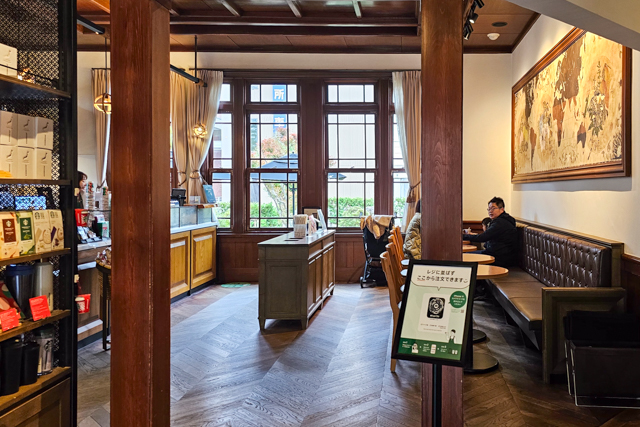
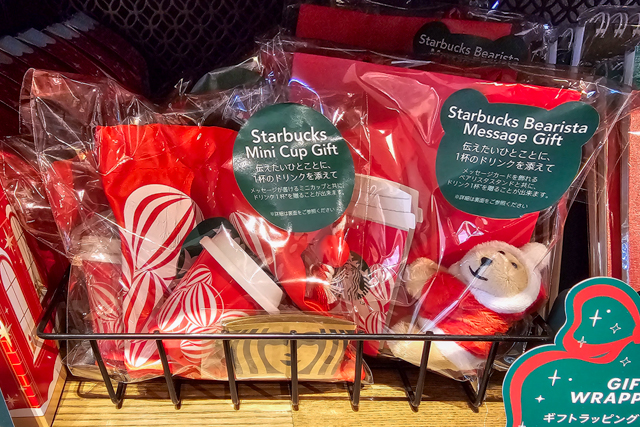
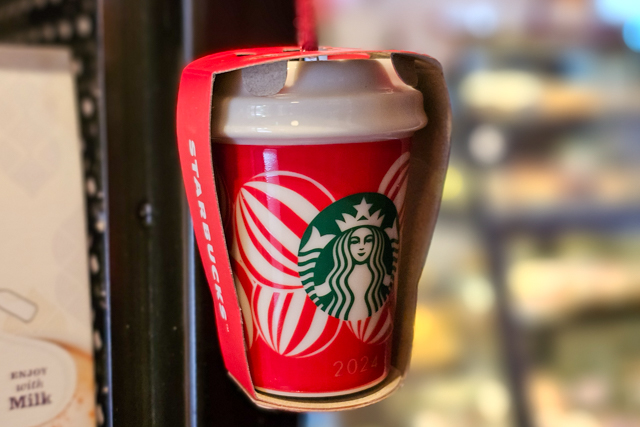
Facing Ōtemon Street and overlooking the outer moat of Hirosaki Castle, this Starbucks occupies a former military commander’s residence. It was the second Starbucks location in Japan to open within a Registered Tangible Cultural Property, following Kyōto.
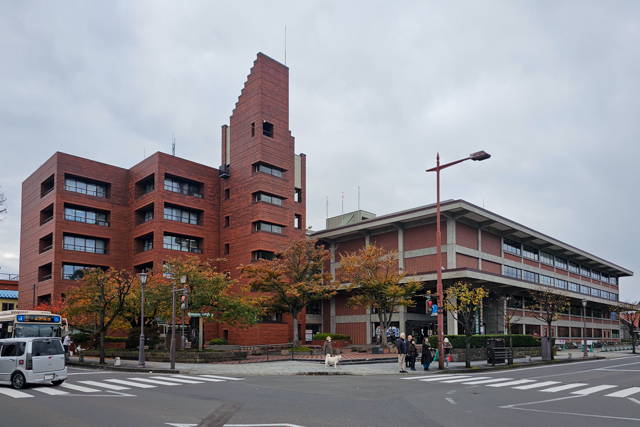
City Hall
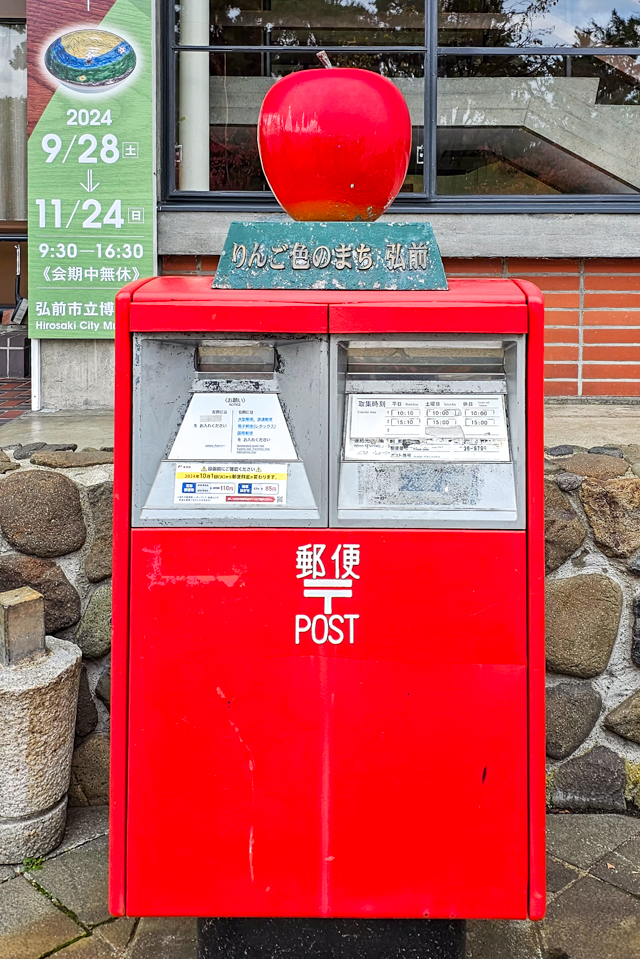
Ōtemon Square
Hirosaki Municipal Tourist Information Center
弘前市立観光館, Ōtemon Square, 2-1 Shimoshiroganechō, Hirosaki City, Aomori 036-8356, Japan
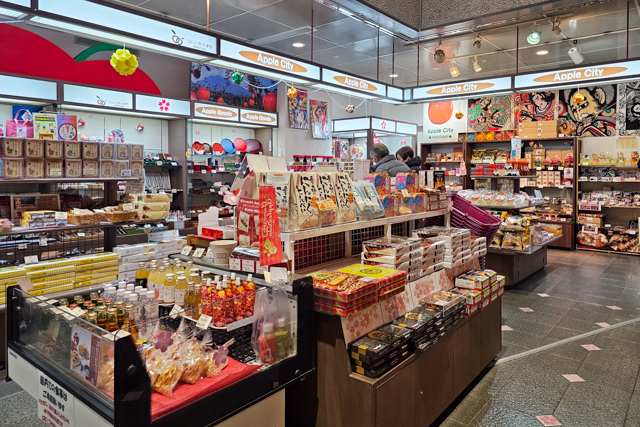
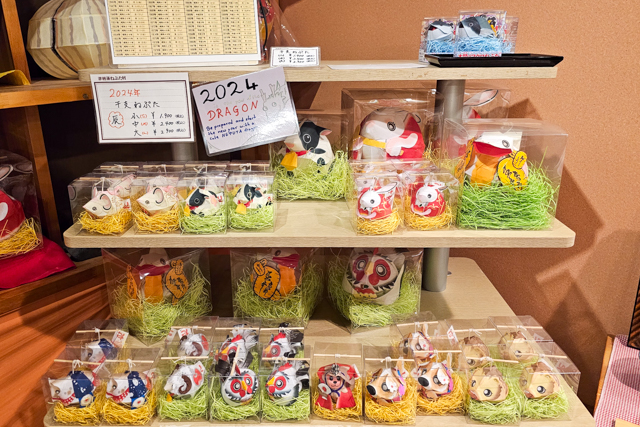
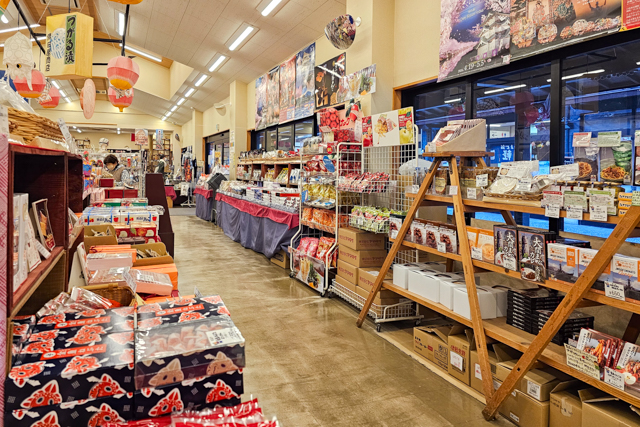
Situated near Hirosaki Castle, the tourist centre functions as the city’s primary visitor hub, providing maps, English-language assistance, regional souvenirs, and displays related to the Neputa Festival and Tsugaru crafts.
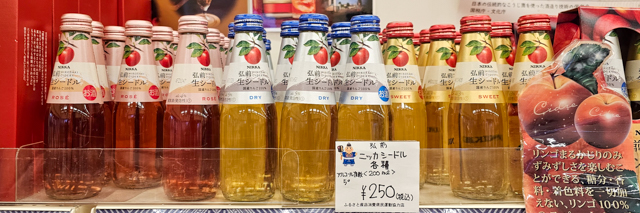
In return for participating in a local tourism survey, we received a can of JA Aoren Hirosaki Nebuta Apple Juice made from Tsugaru apples.
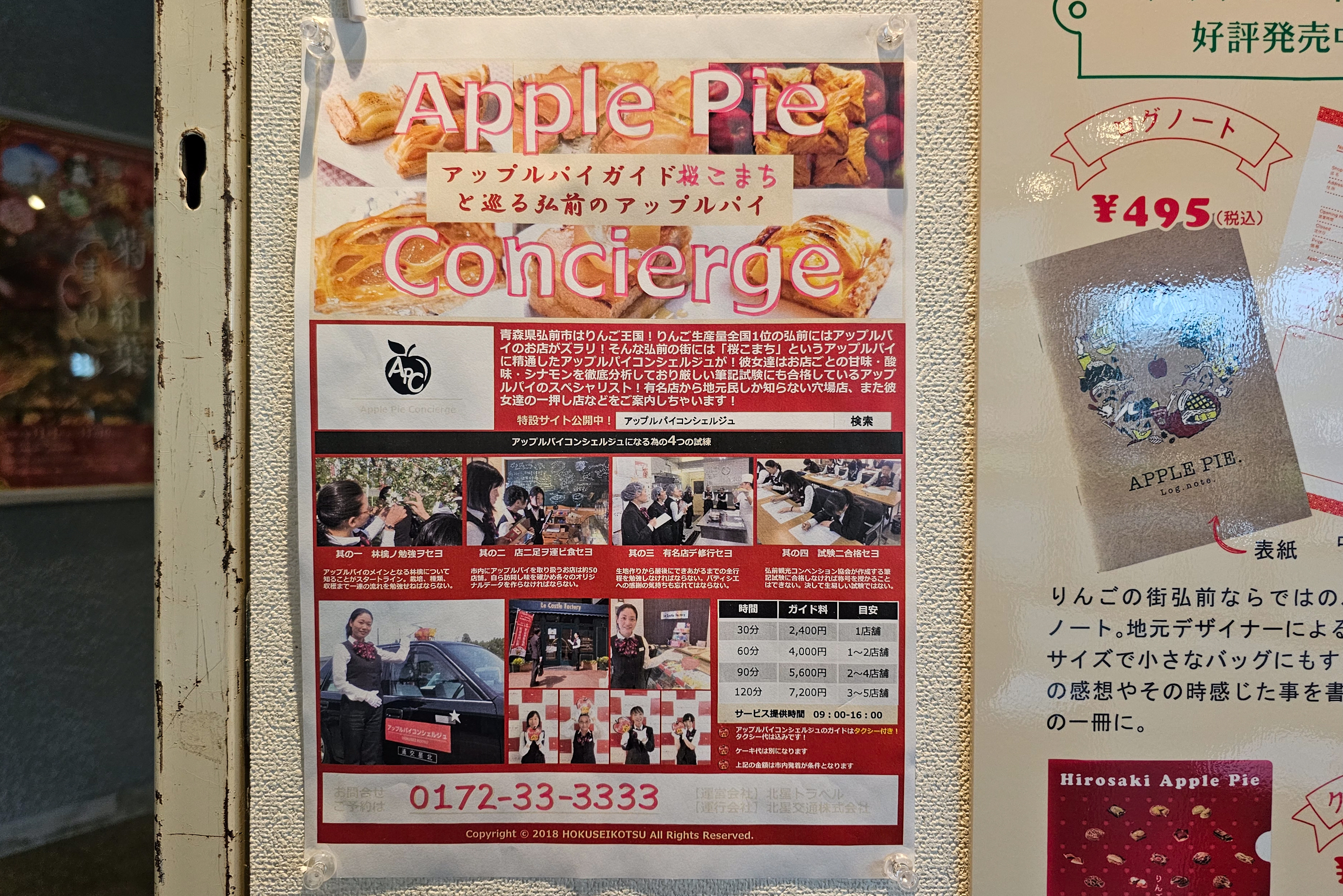
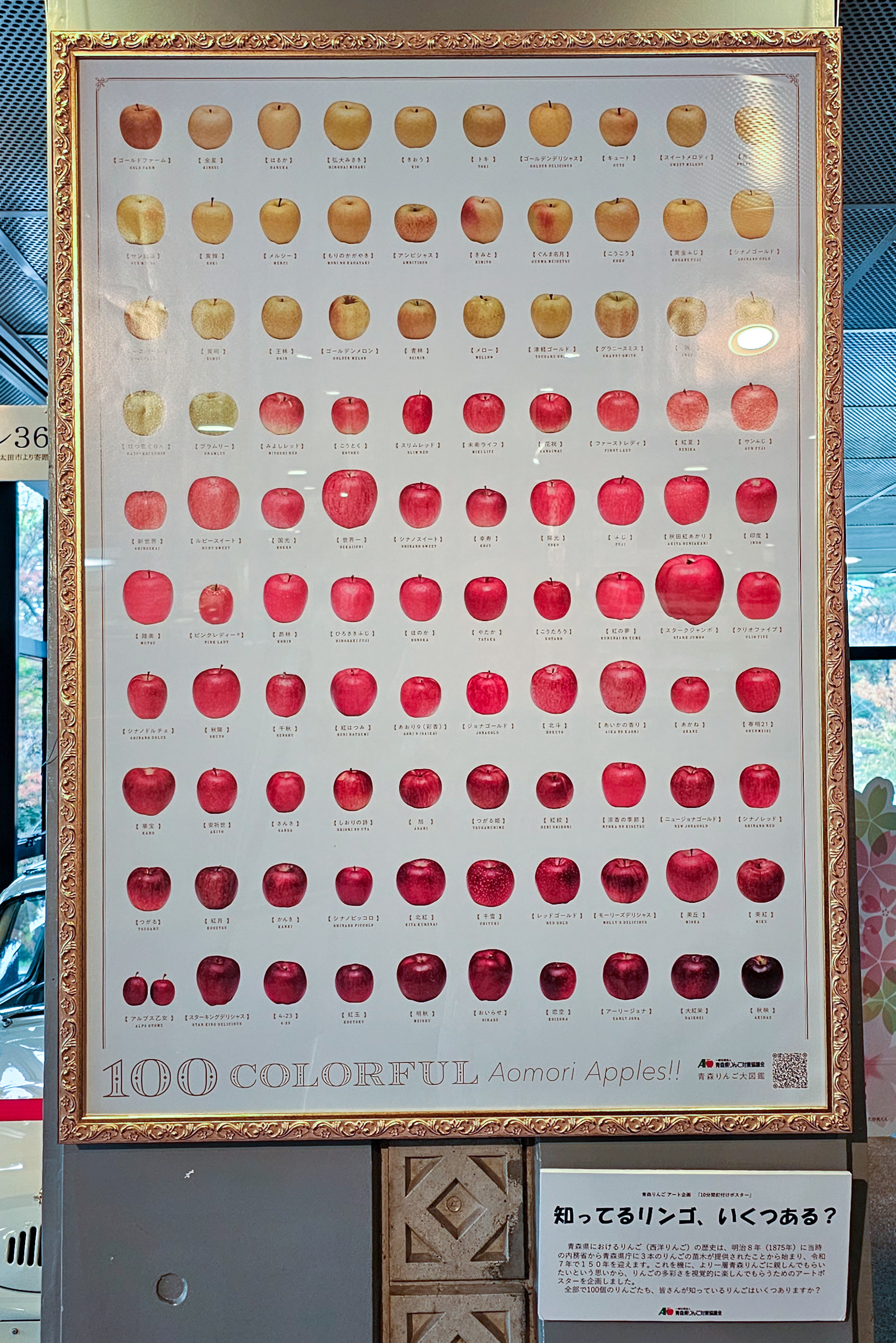
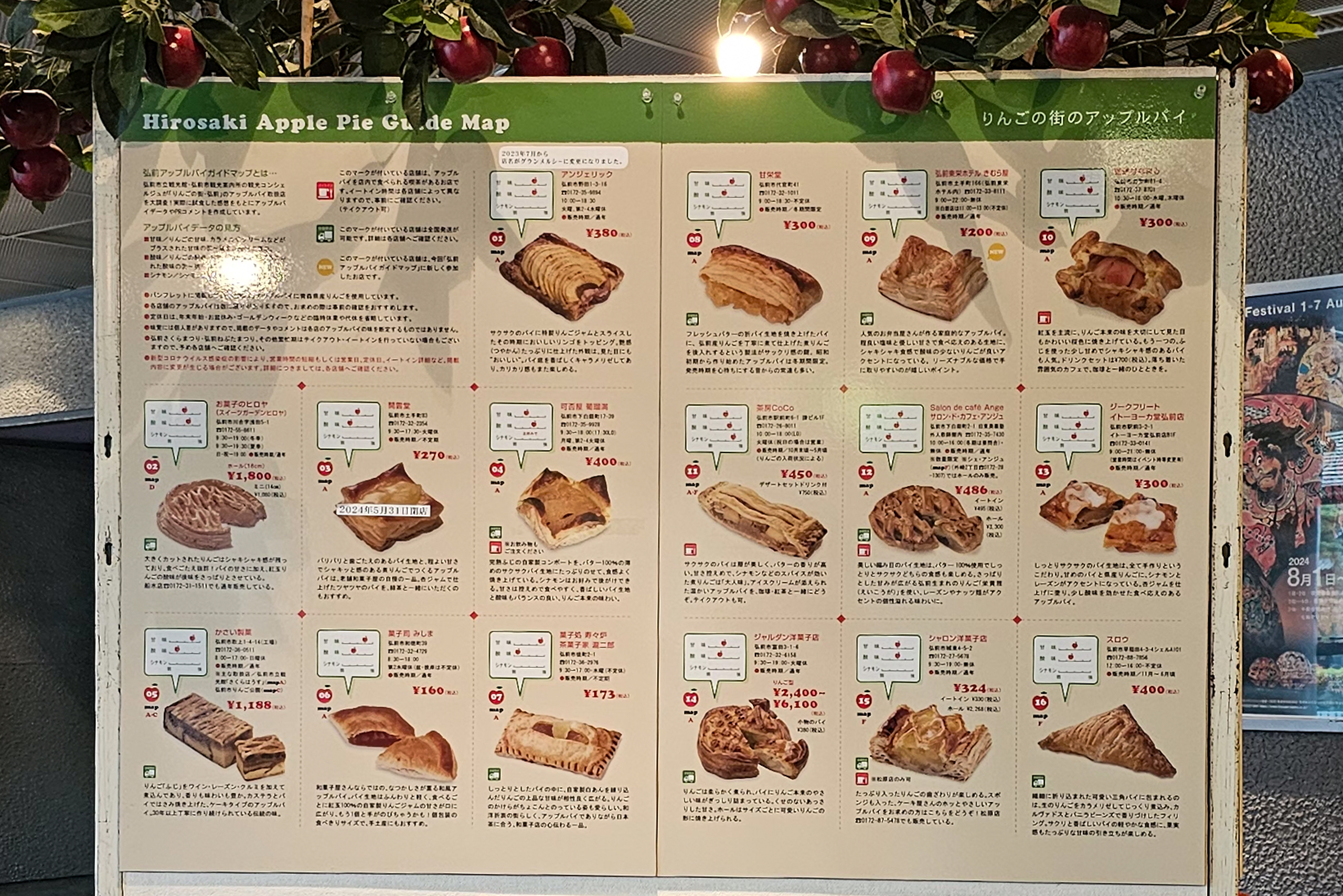
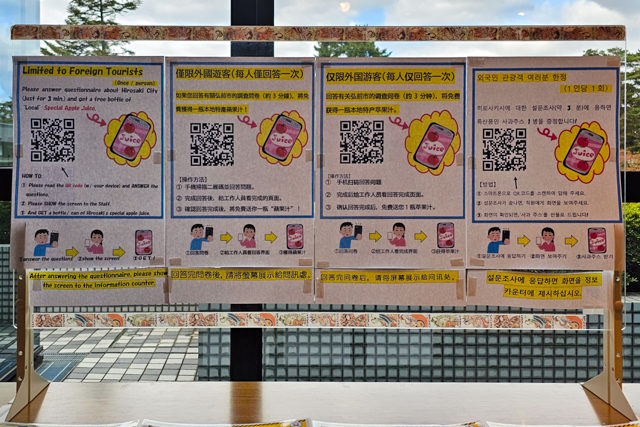
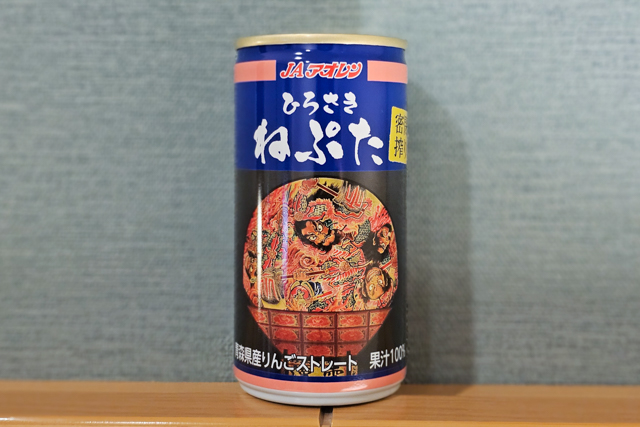
As part of a local tourism survey, a can of JA Aoren Hirosaki Nebuta Apple Juice, made from Tsugaru apples, was received.
Review: JA Aoren Hirosaki Nebuta Apple Juice.
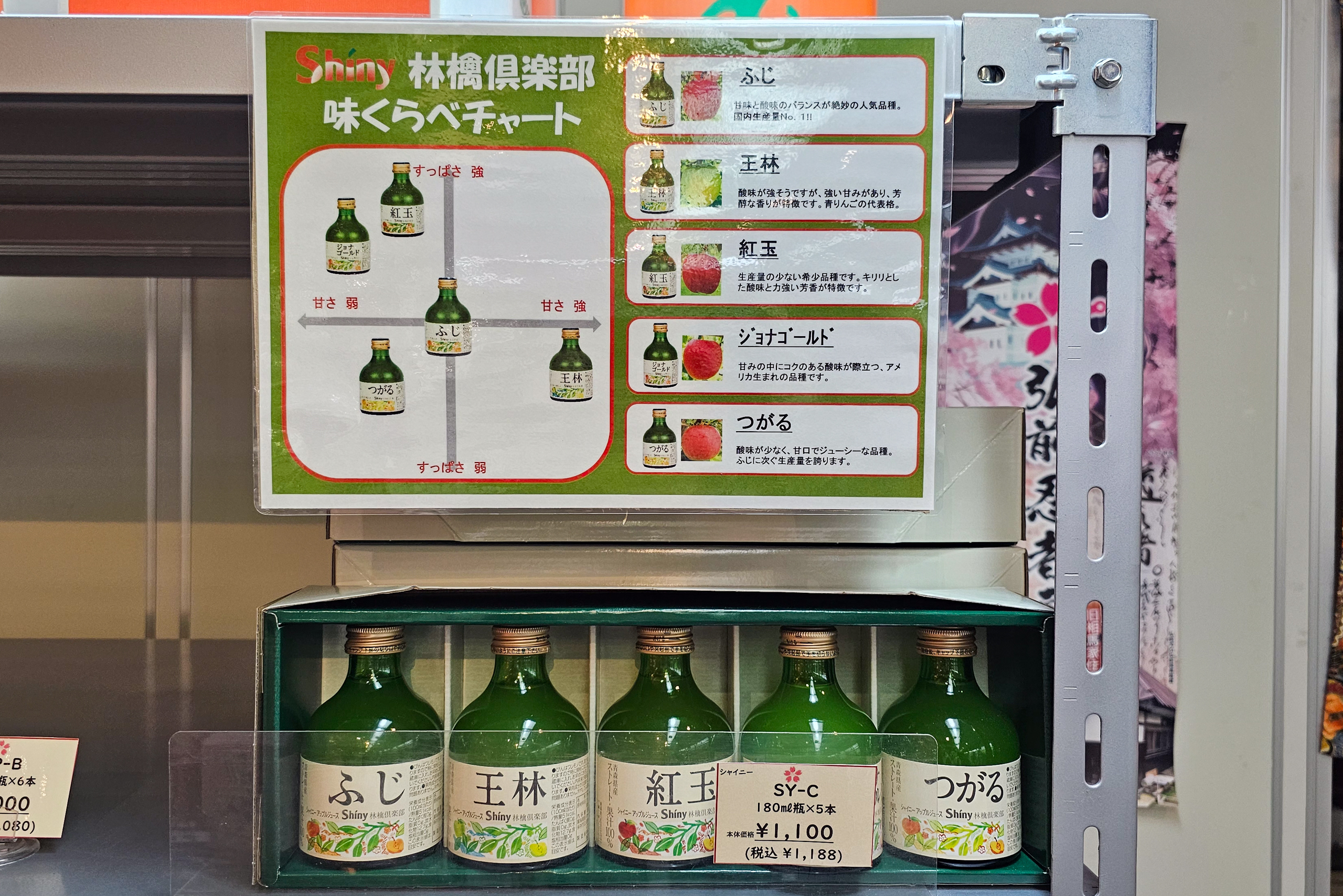
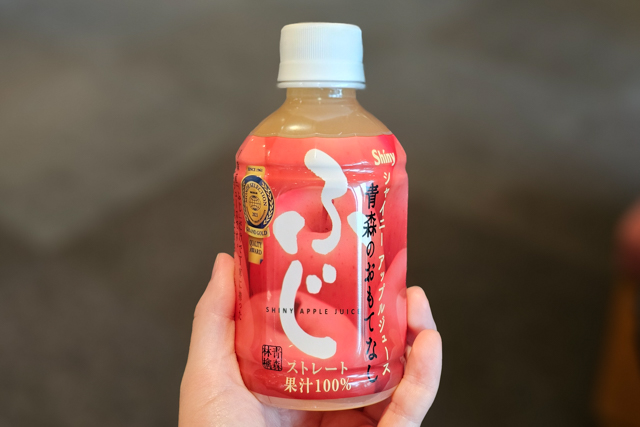
A bottle of Shiny Apple Juice (Fuji) was also purchased.
Review: Shiny Apple Juice Fuji.
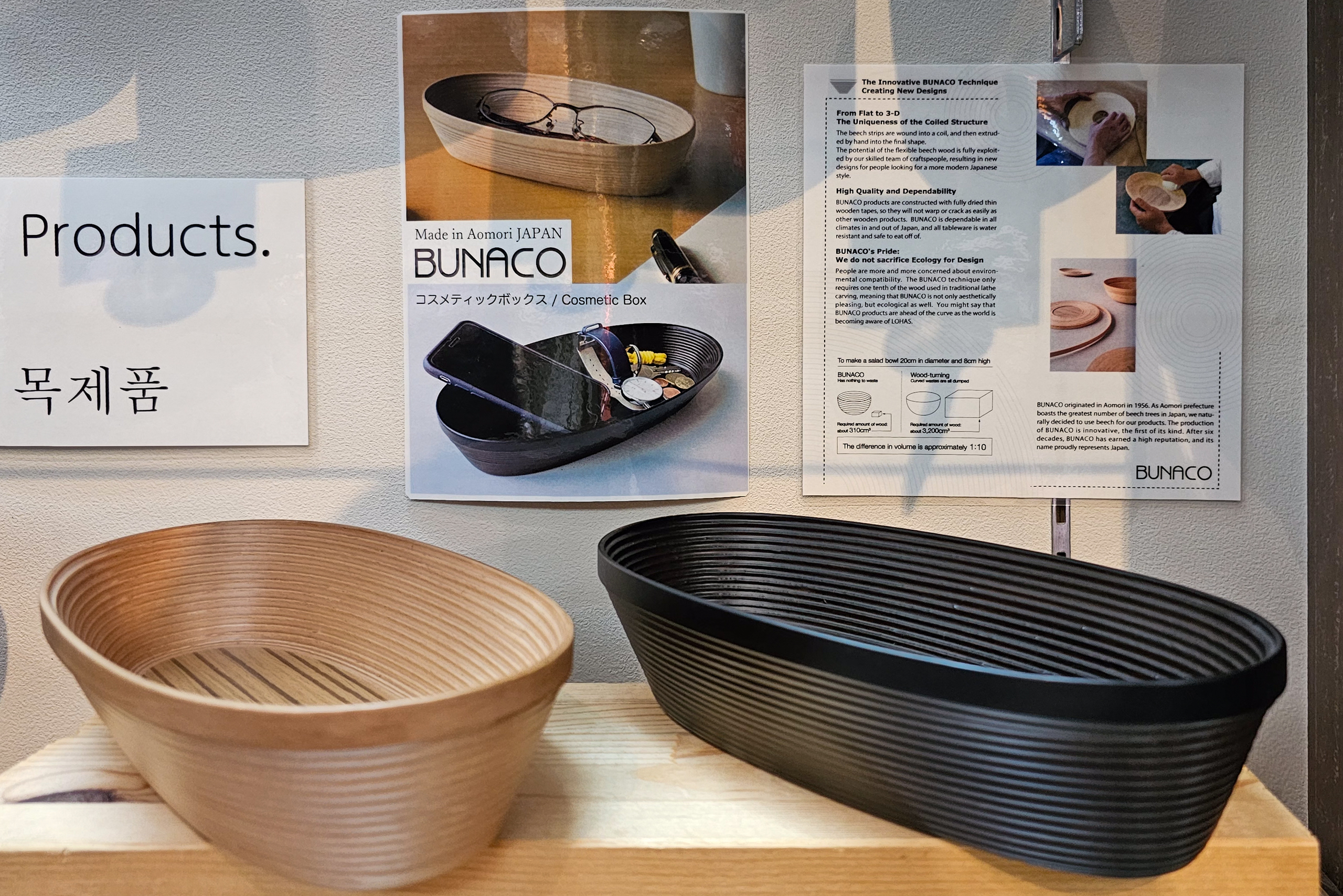
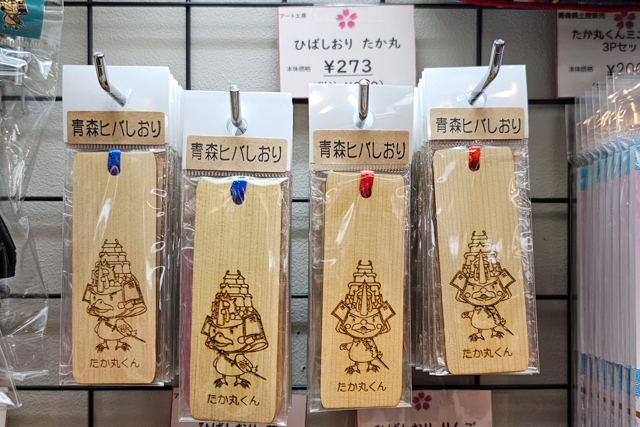
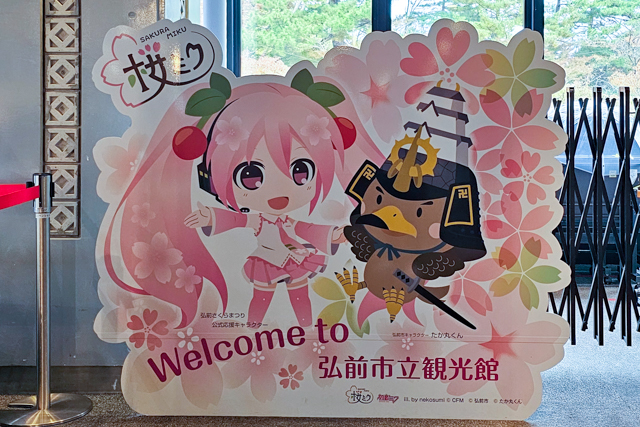
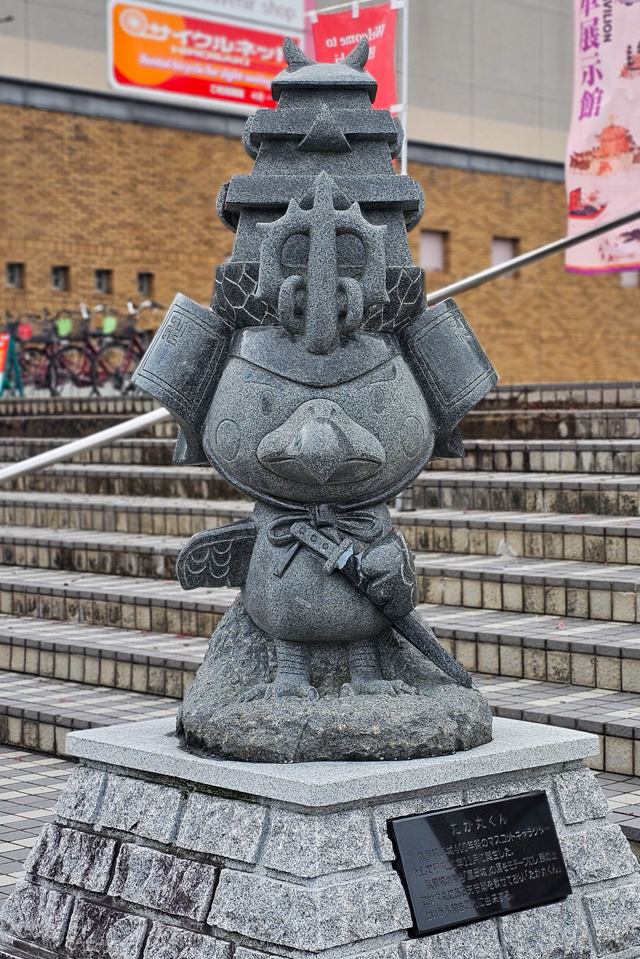
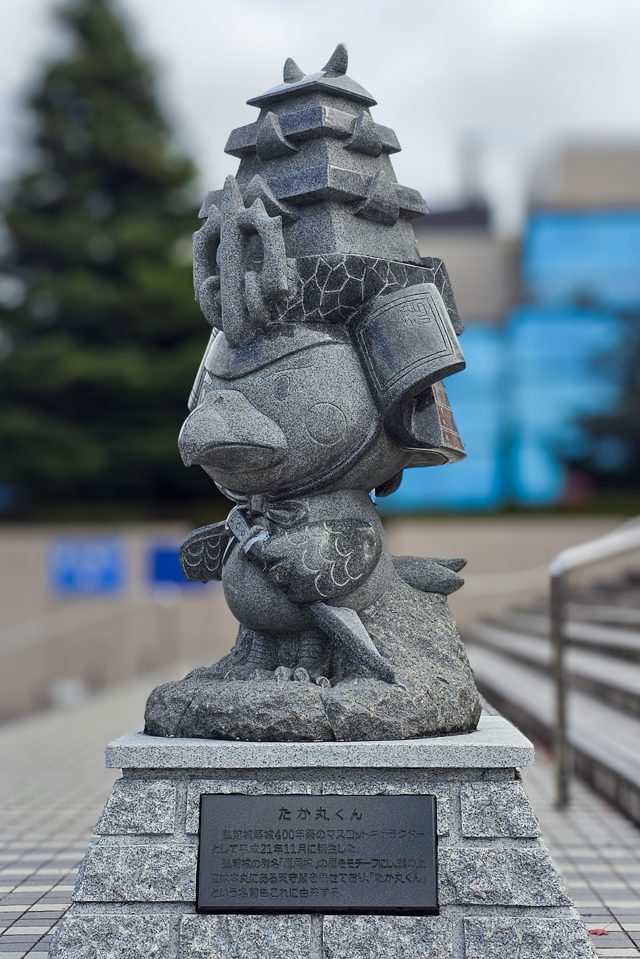
Takamarukun, the city mascot, features prominently throughout the space.
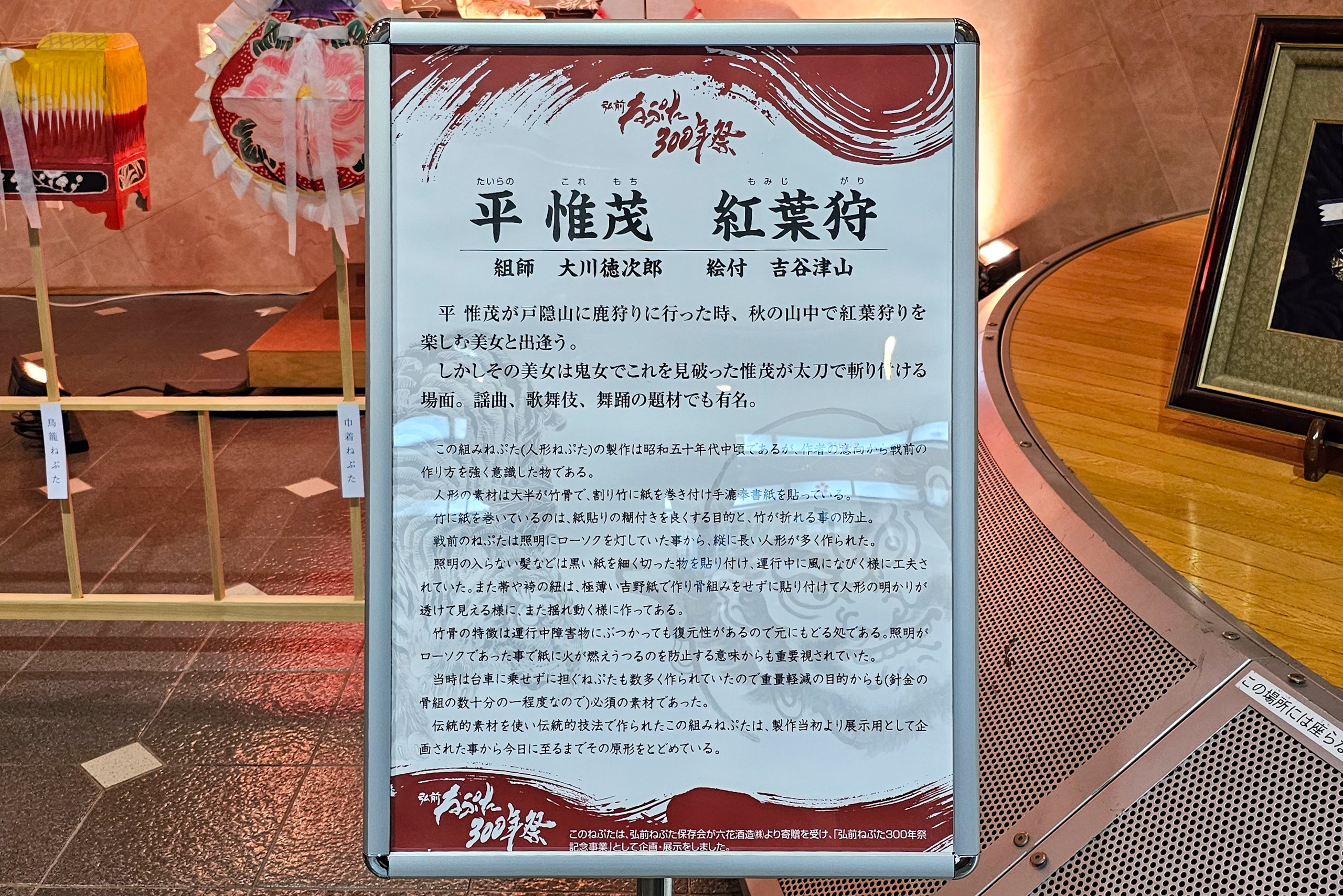
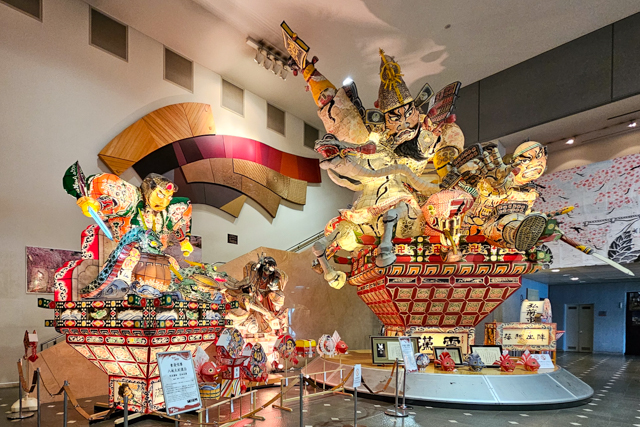
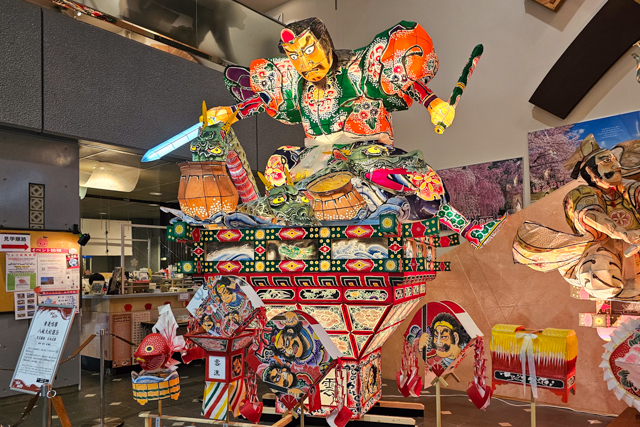
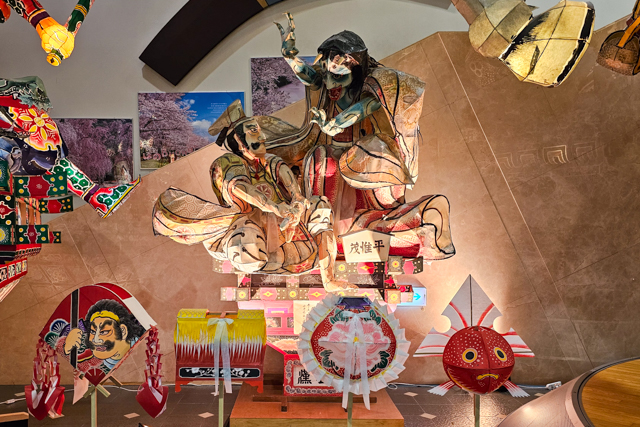
Hirosaki City Festival Floats Exhibition Hall
弘前市立山車展示館, Ōtemon Square, 2-1 Shimoshiroganechō, Hirosaki City, Aomori 036-8356, Japan
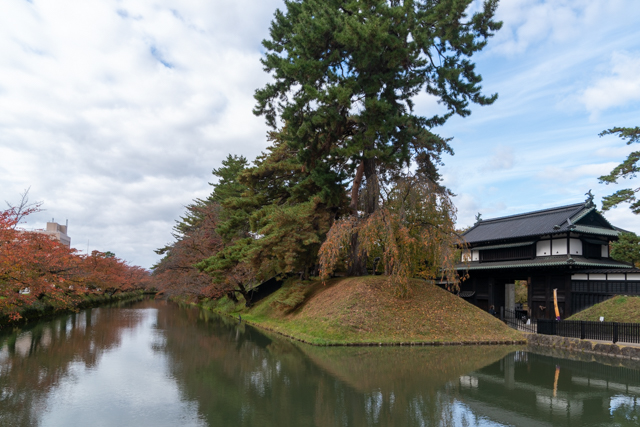
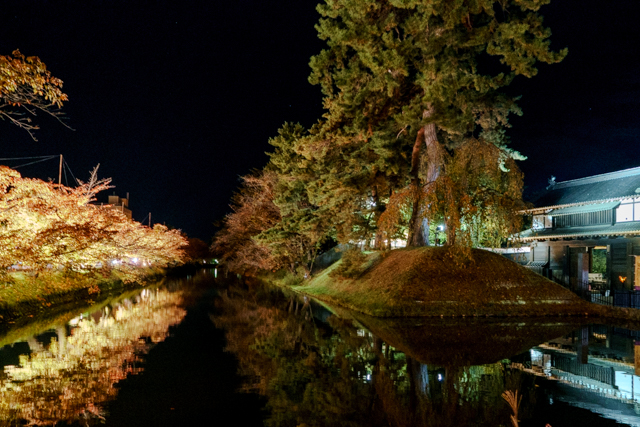
Hirosaki Castle
弘前城, Hirosaki Park, 1−1−1 Shimoshiroganecho, Hirosaki City, 〒036-8356 Aomori, Japan
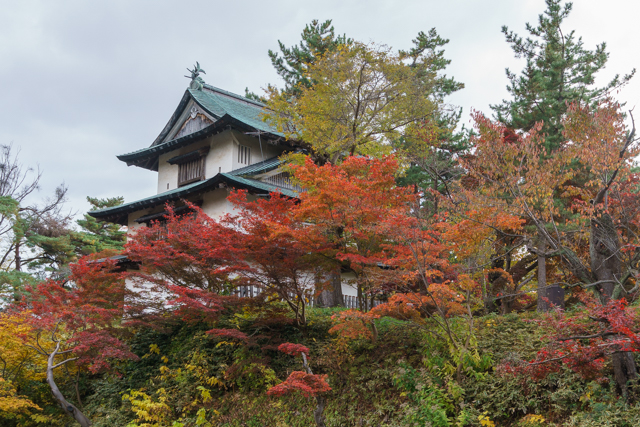
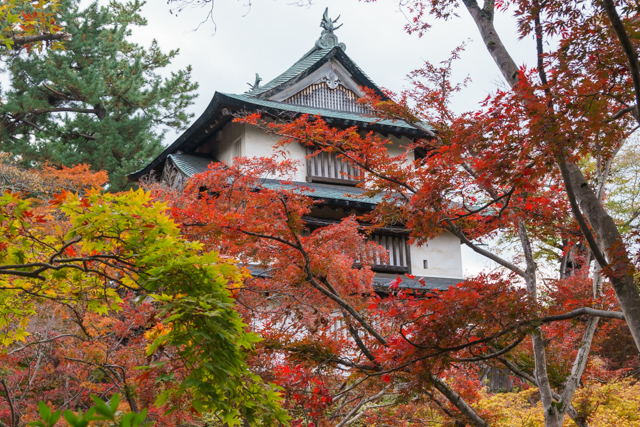
Hirosaki Castle was constructed in 1611 by Tsugaru Nobuhira, the second lord of the Hirosaki Domain. It is a hirayama-style fortress castle, encircled by three moats and earthen ramparts, and organised into six compounds. Surviving structures include the castle keep, three corner turrets, and five gates, all designated National Important Cultural Properties.
Tsugarunrun Zoo
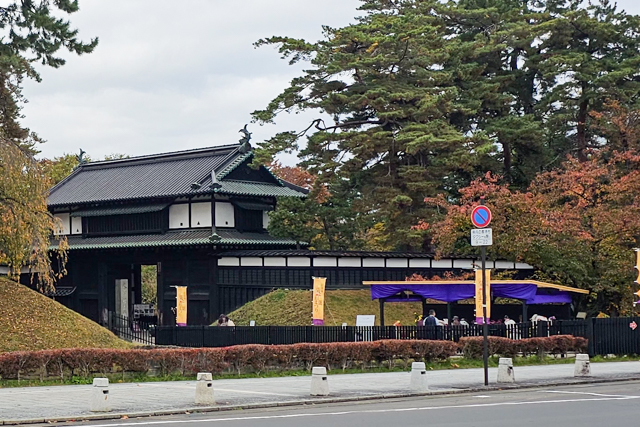
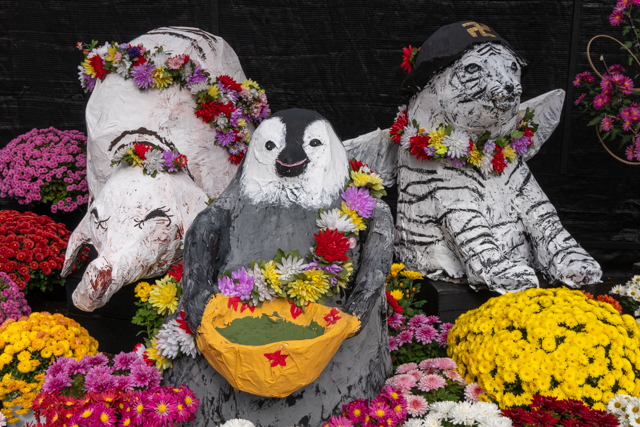
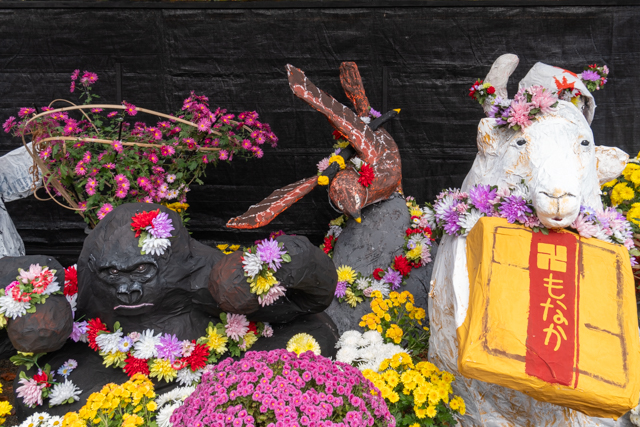
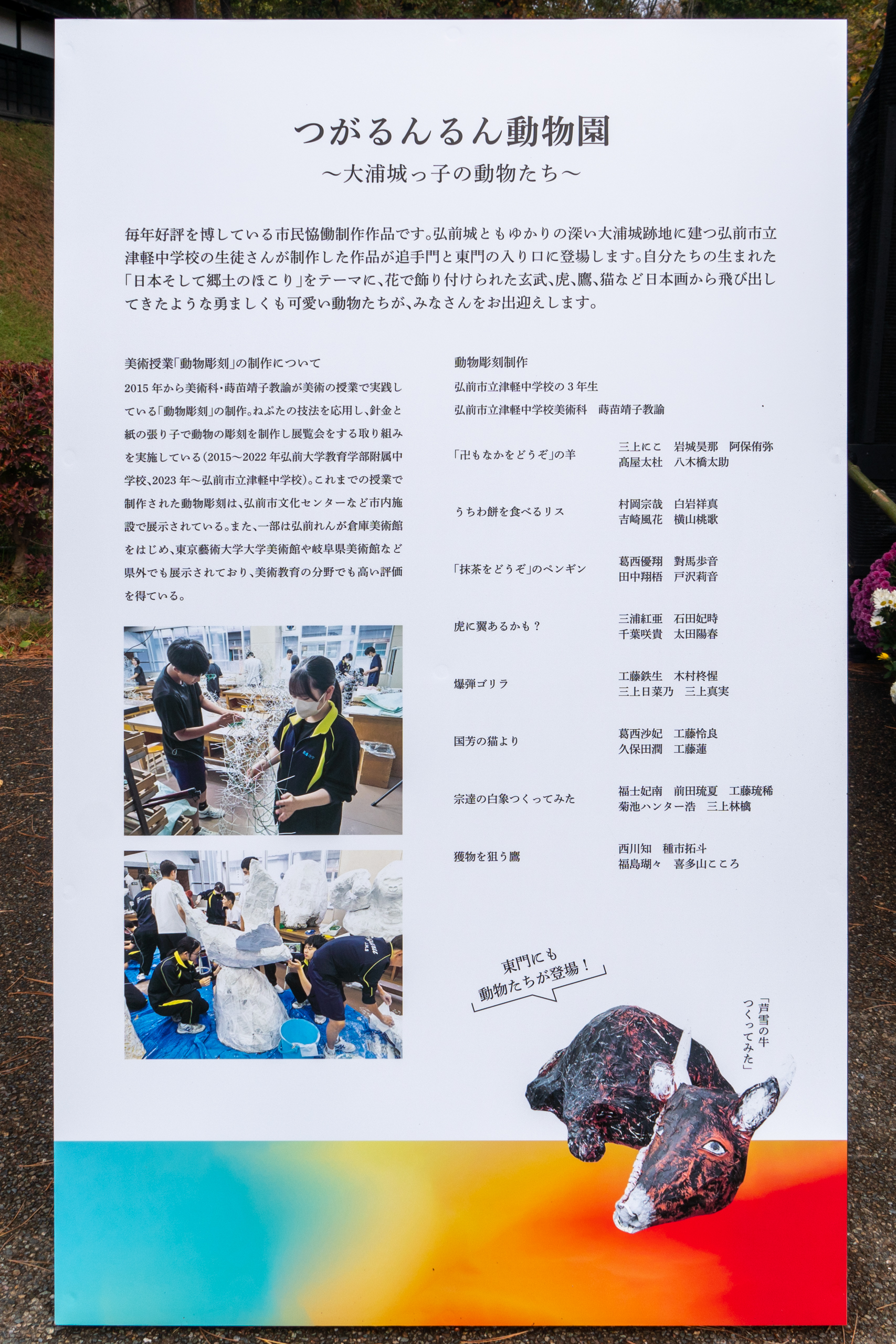
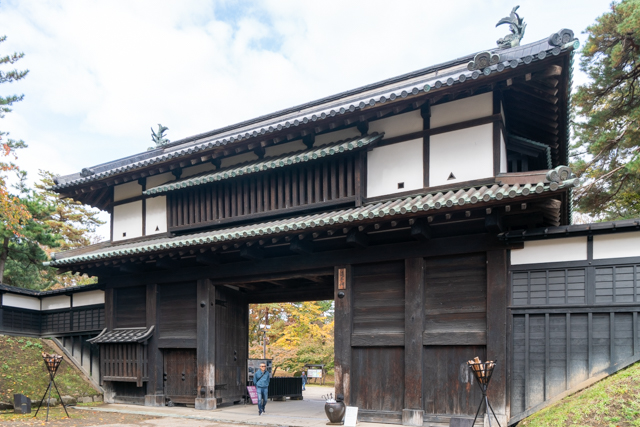
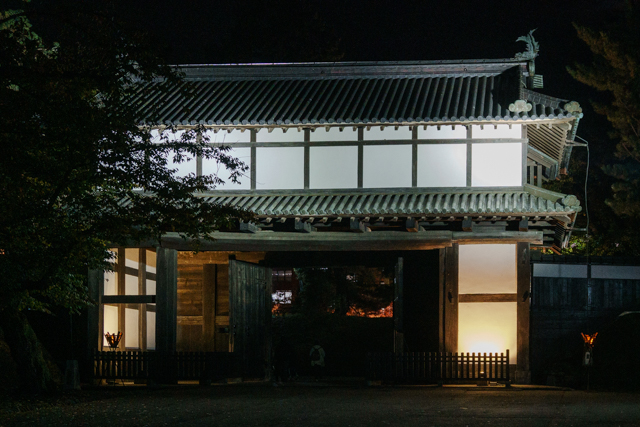
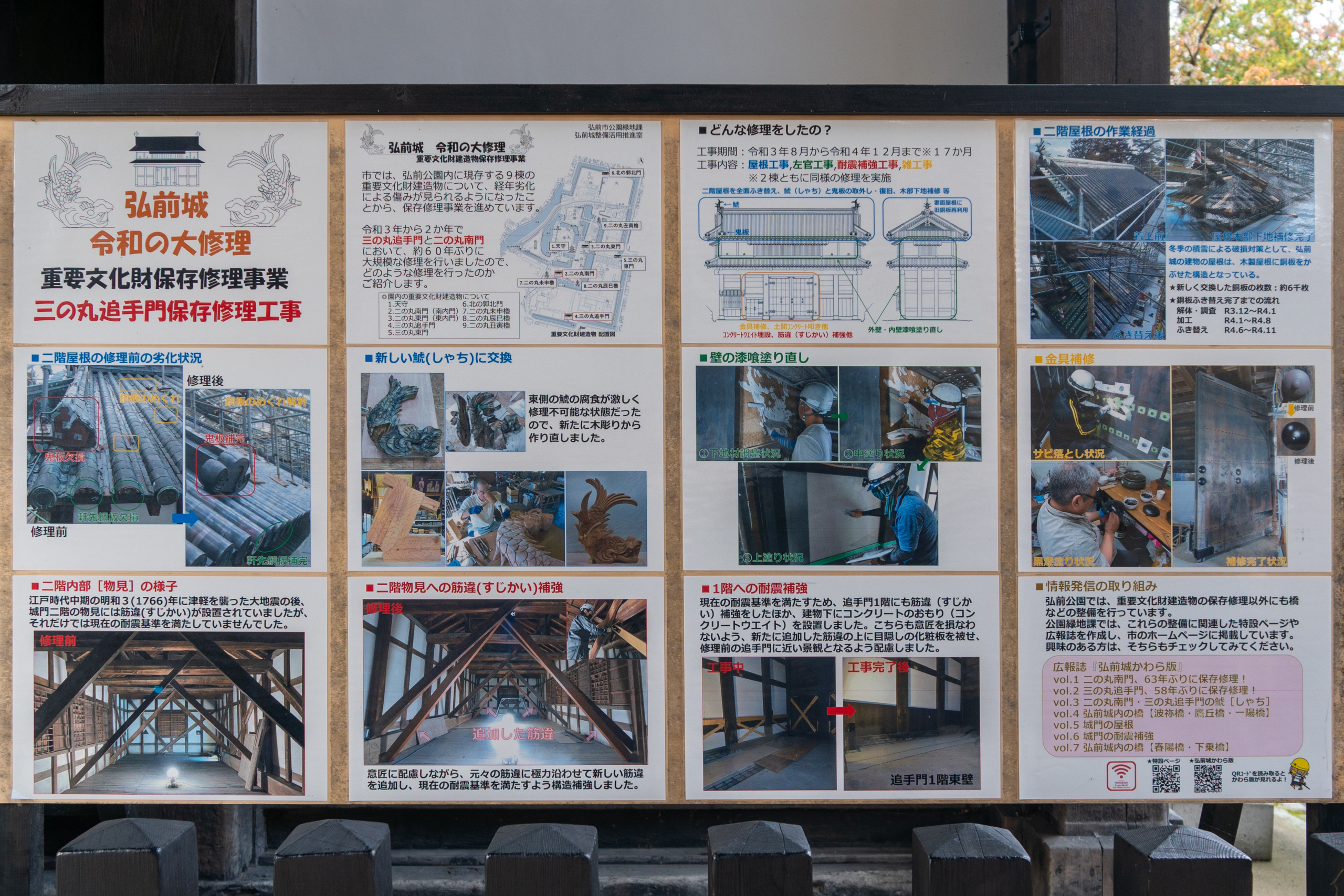
Sannomaru Ōtemon Gate
A yaguramon-style gatehouse dating to the original construction period. Its roof was converted from ceramic hongawara tiles to copper during the Edo period, reflecting shifts in durability and maintenance priorities.
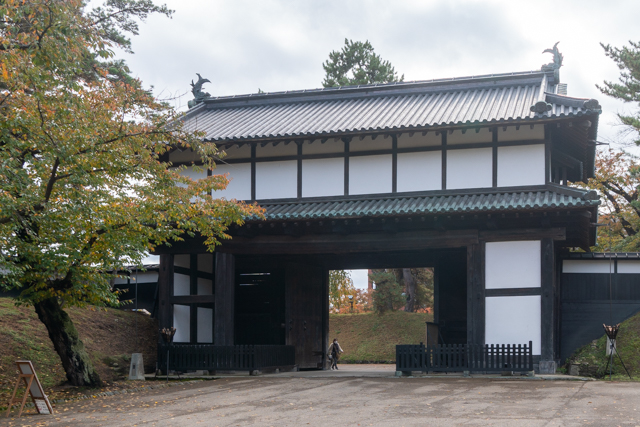
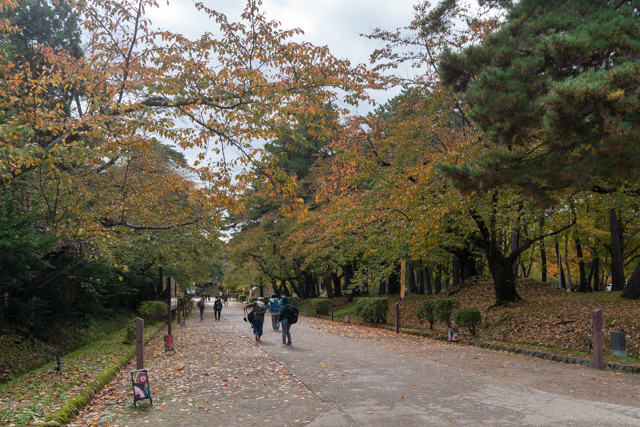
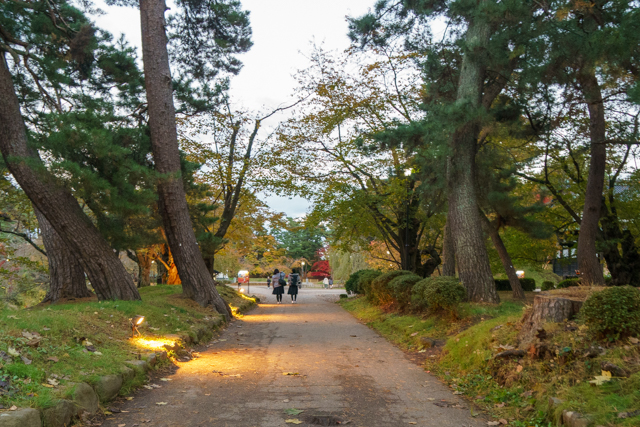
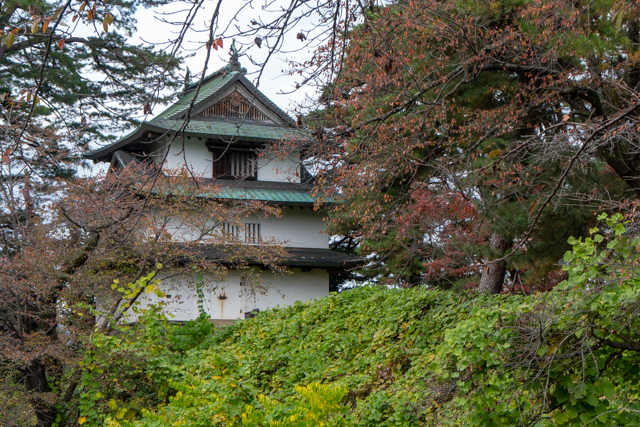
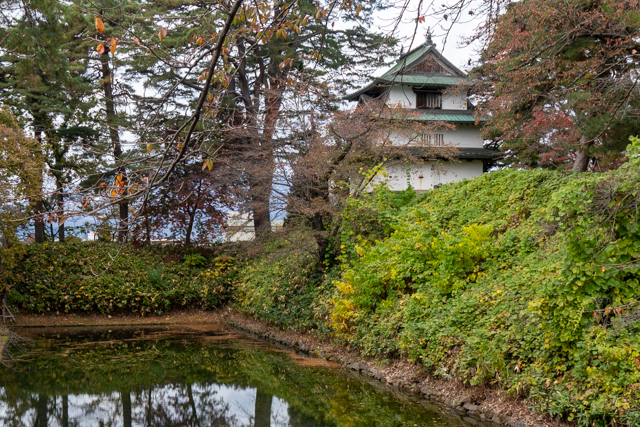
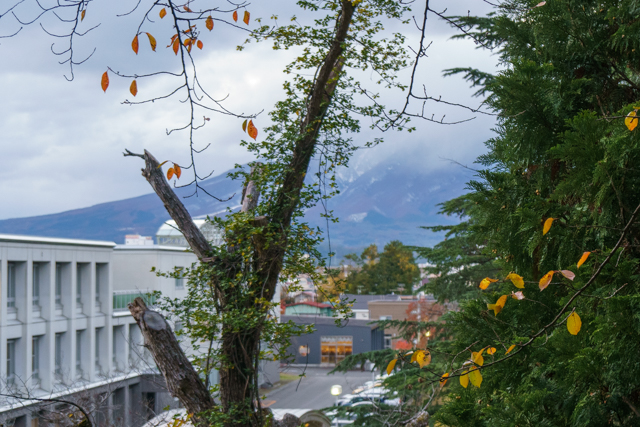
From within the park, Mt Iwaki rises prominently to the west, anchoring the landscape both visually and symbolically.
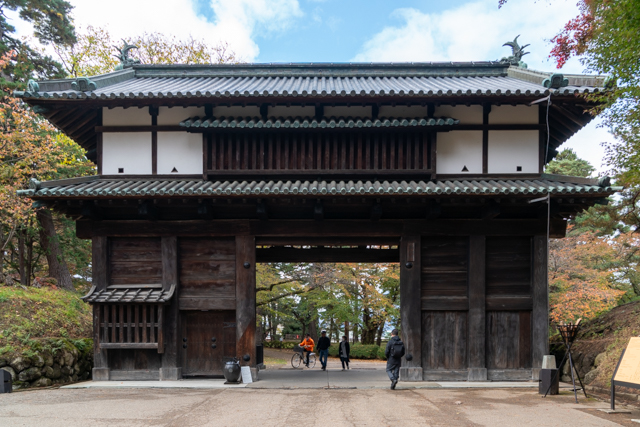
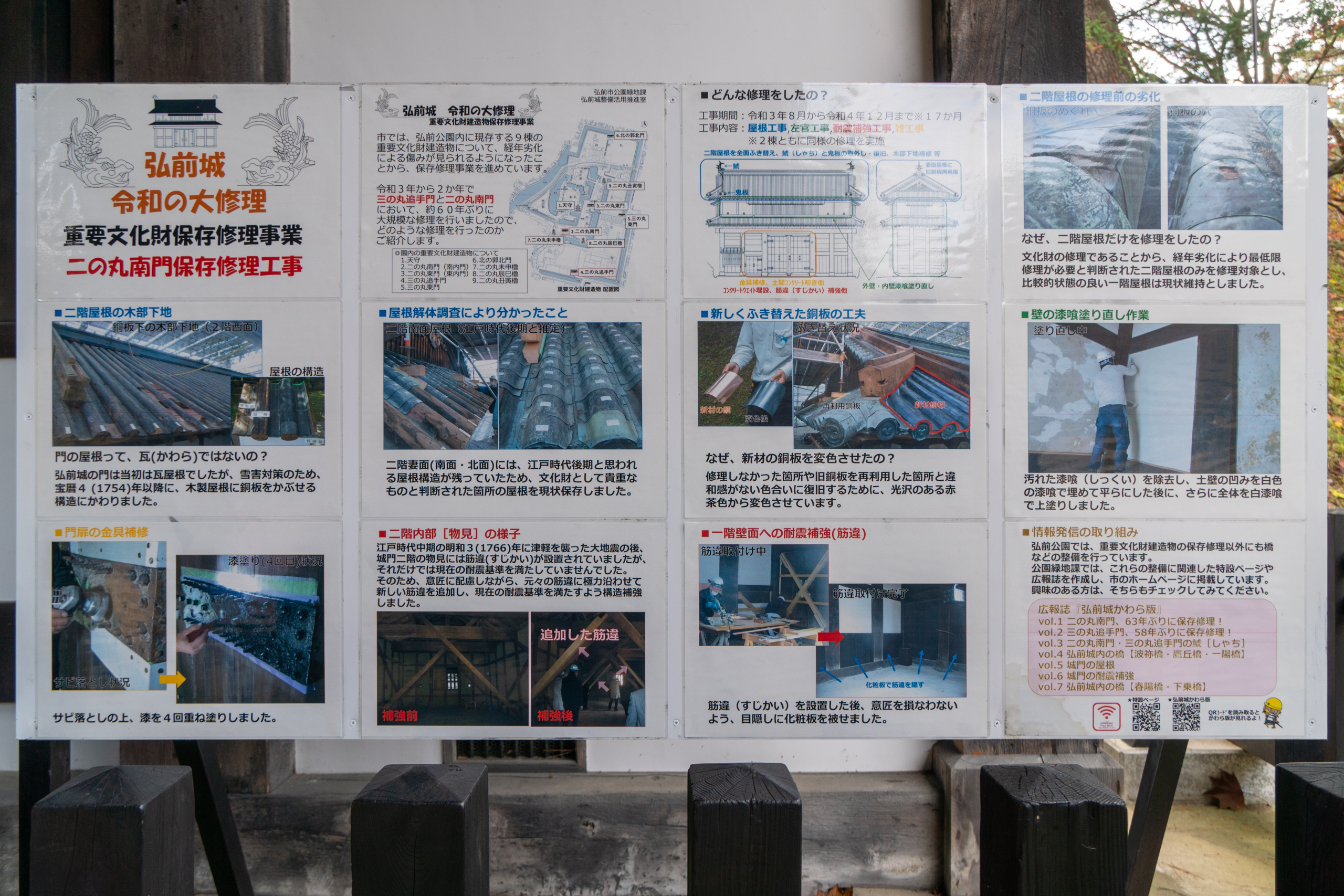
Ninomaru South Gate
Designated an Important Cultural Property in 1937. Records indicate the roof replacement occurred during the Bunka era (1804–1818).
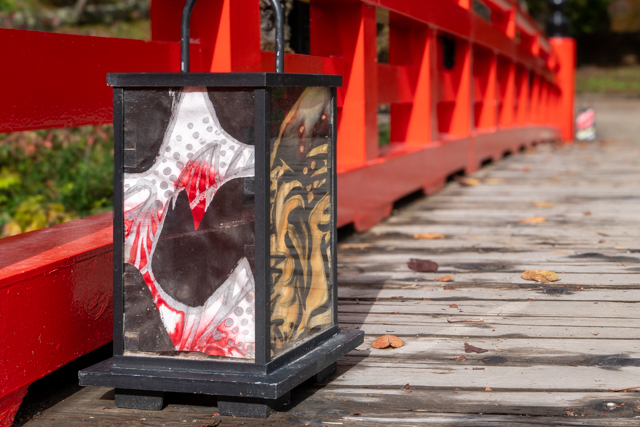
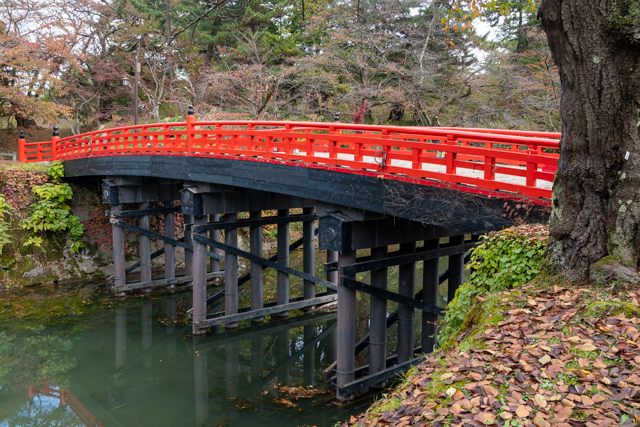
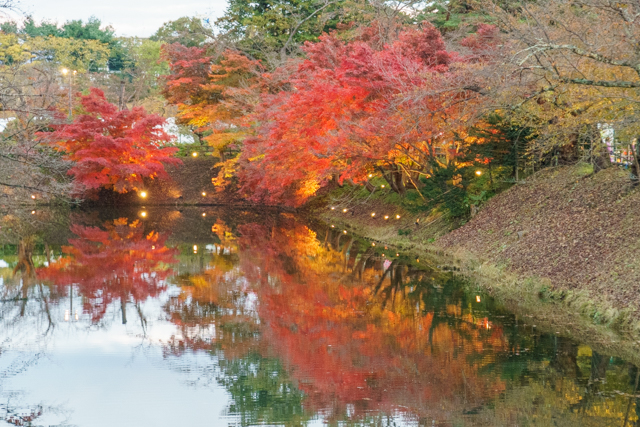
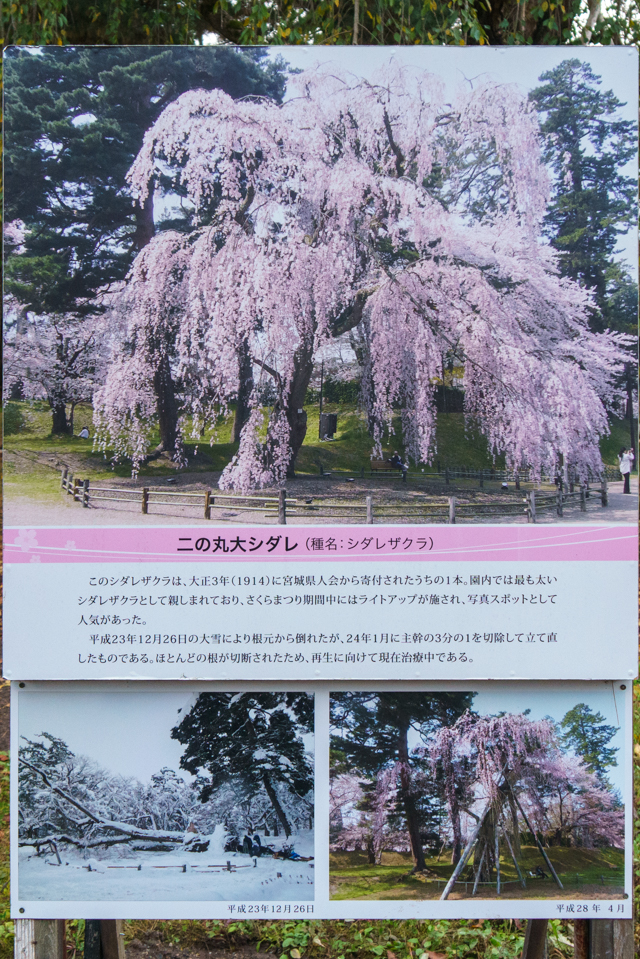
Ninomaru Daishidare (Weeping Cherry Tree)
Donated in 1914, this tree is among the most substantial weeping cherries in the park. After collapsing under heavy snowfall in December 2011, it was reconstructed and continues under regenerative care.
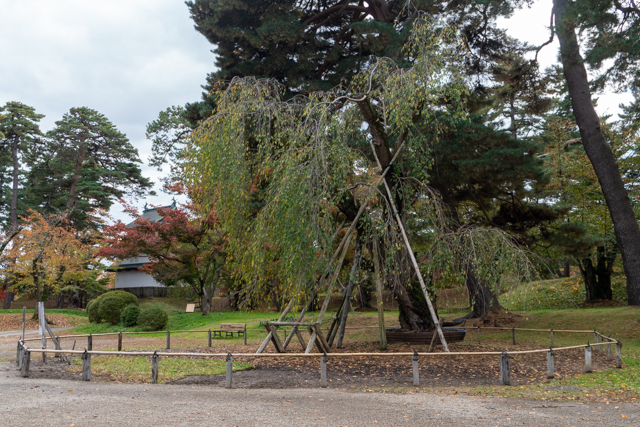
Ninomaru Sites
Gohōzō Site
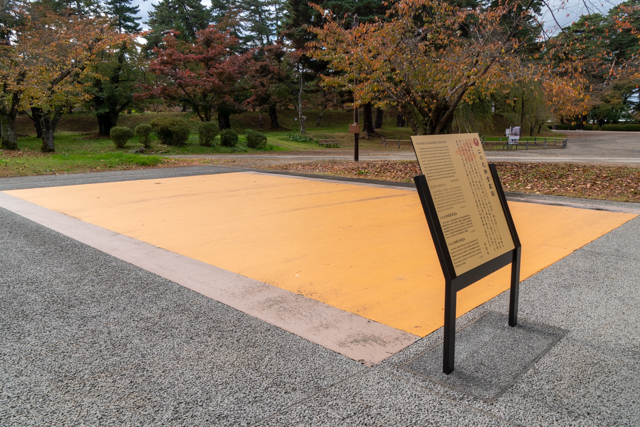
Former treasure house holding domain records and heirlooms.
Gokōranjō Site
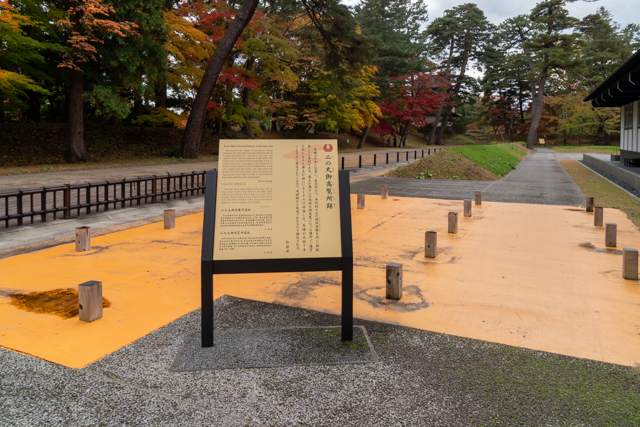
Viewing platform for equestrian displays.
Ninomaru Baba
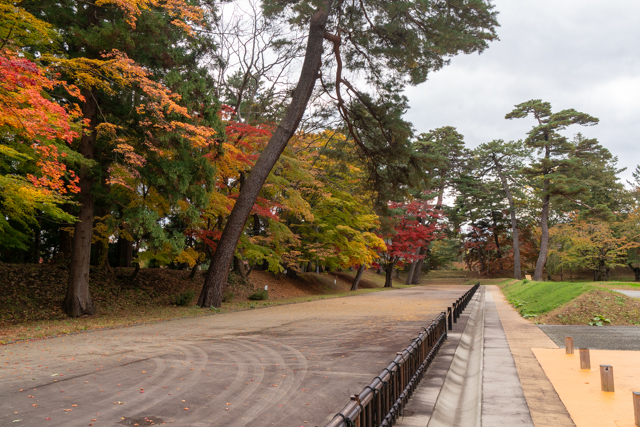
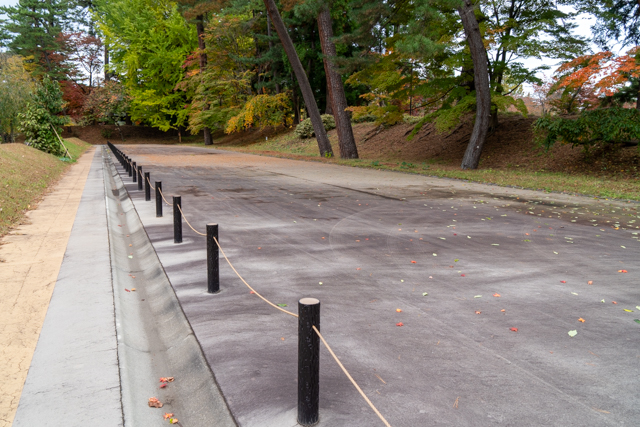
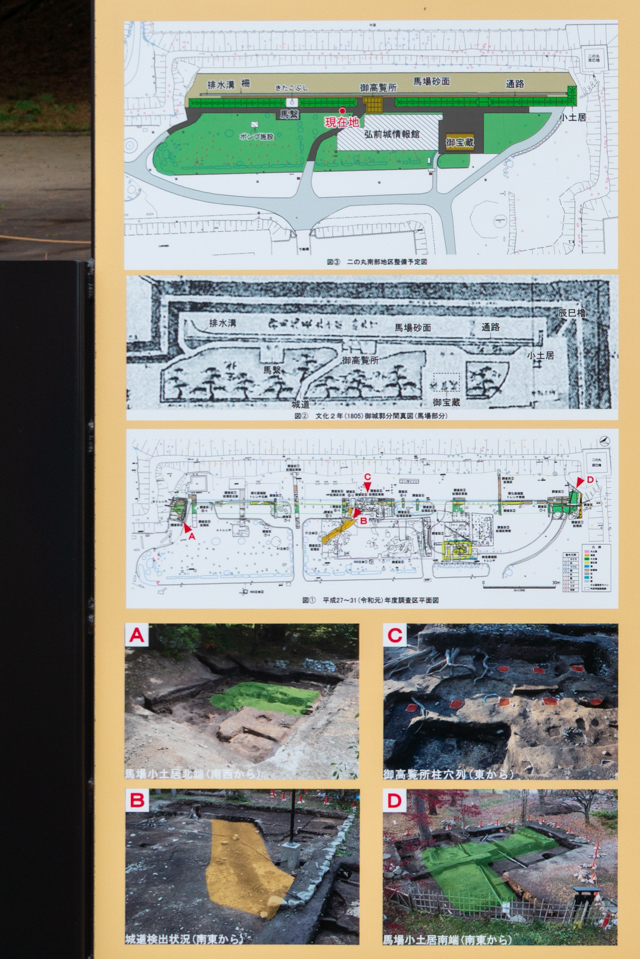
Horse-riding ground (1694–1874).
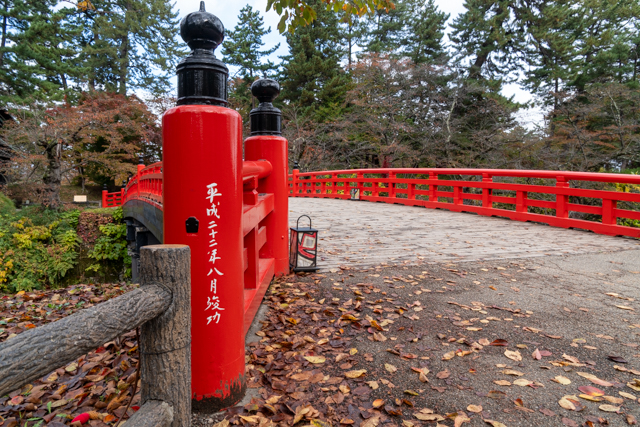
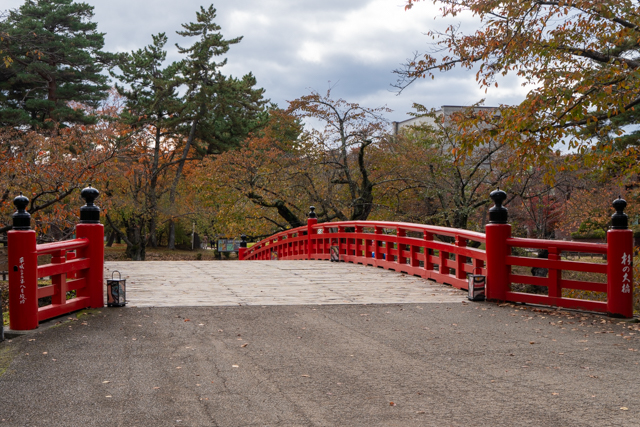
Gejōbashi
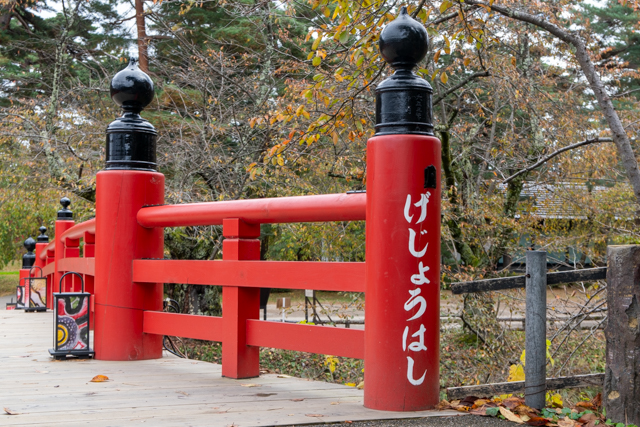
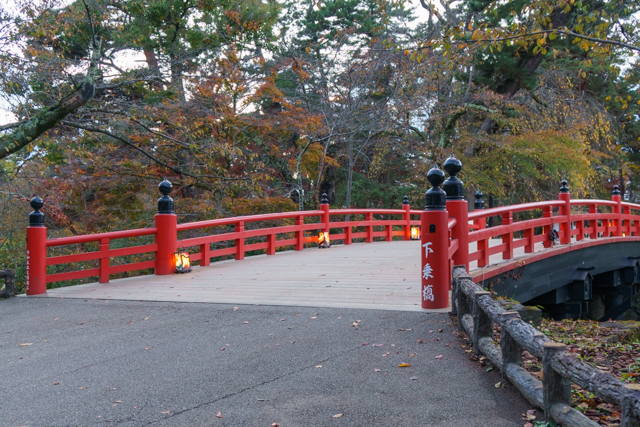
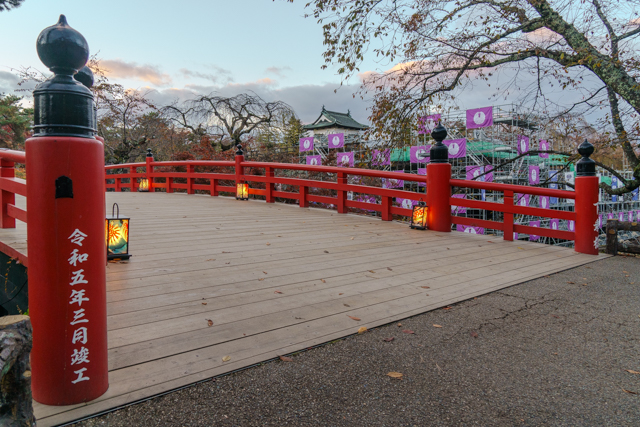
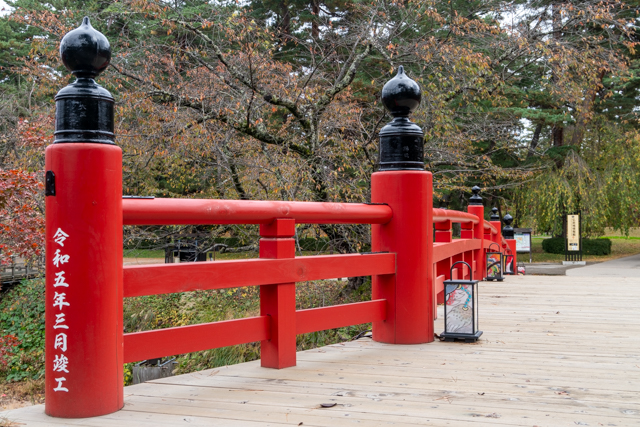
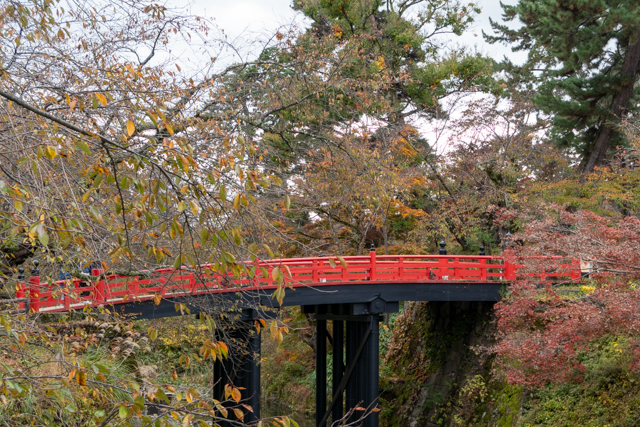
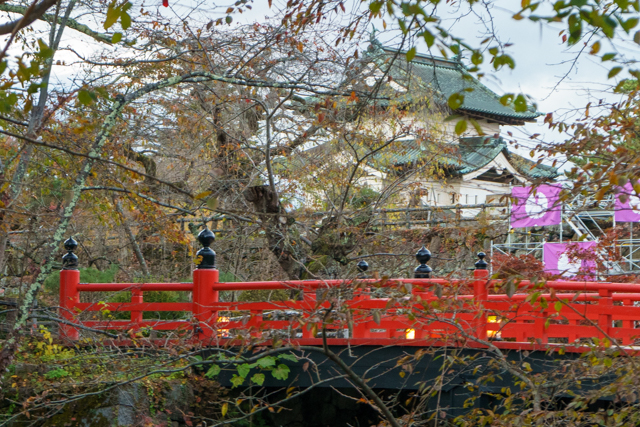
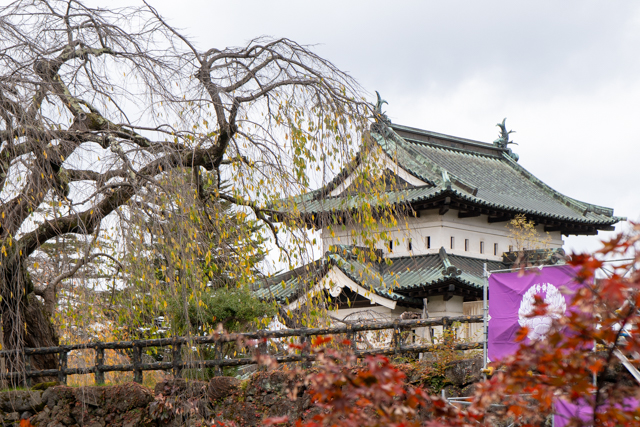
“Dismounting Bridge,” marking transition into the inner compound.
Mushadamari-gomon Site
Assembly area for samurai forces.
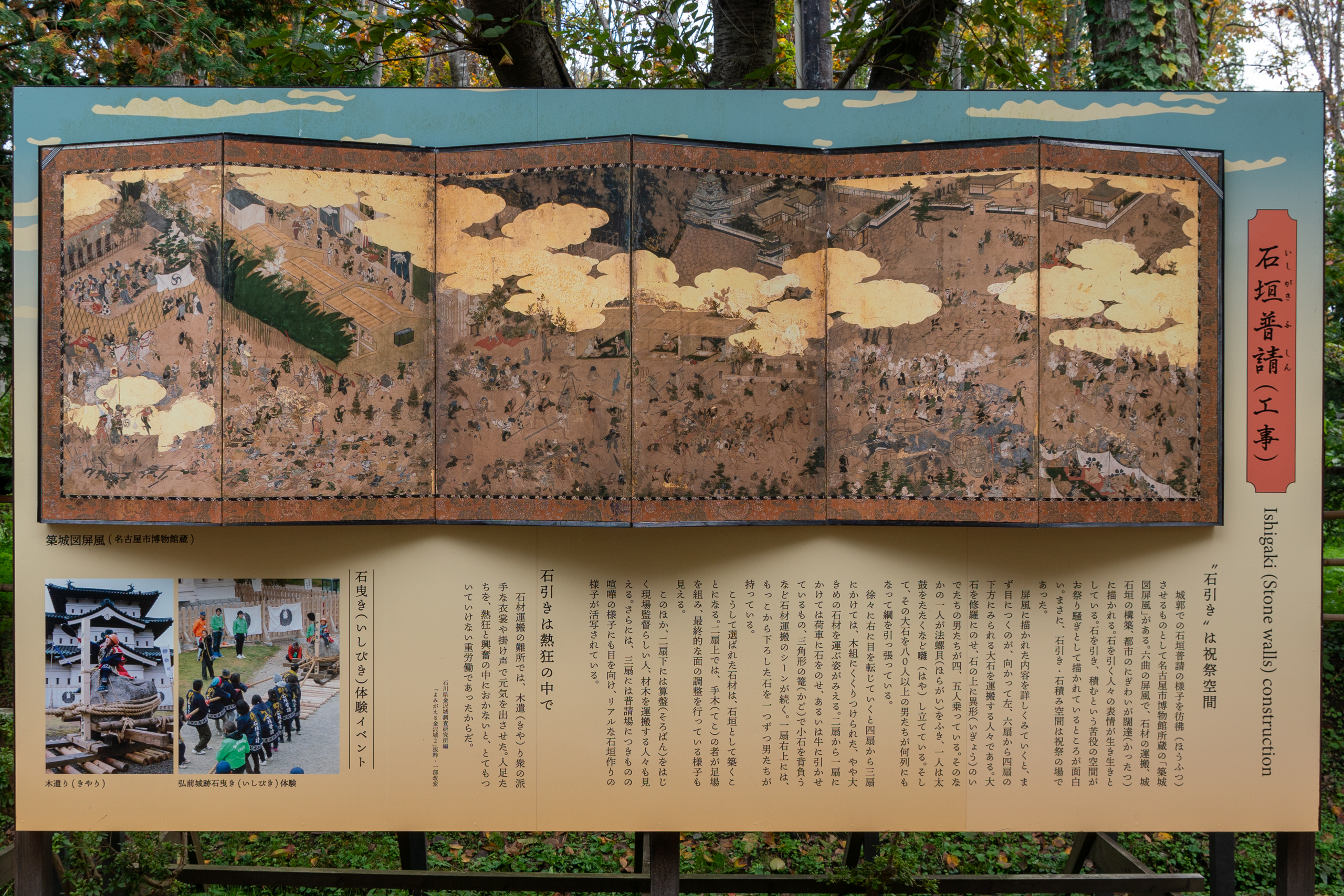
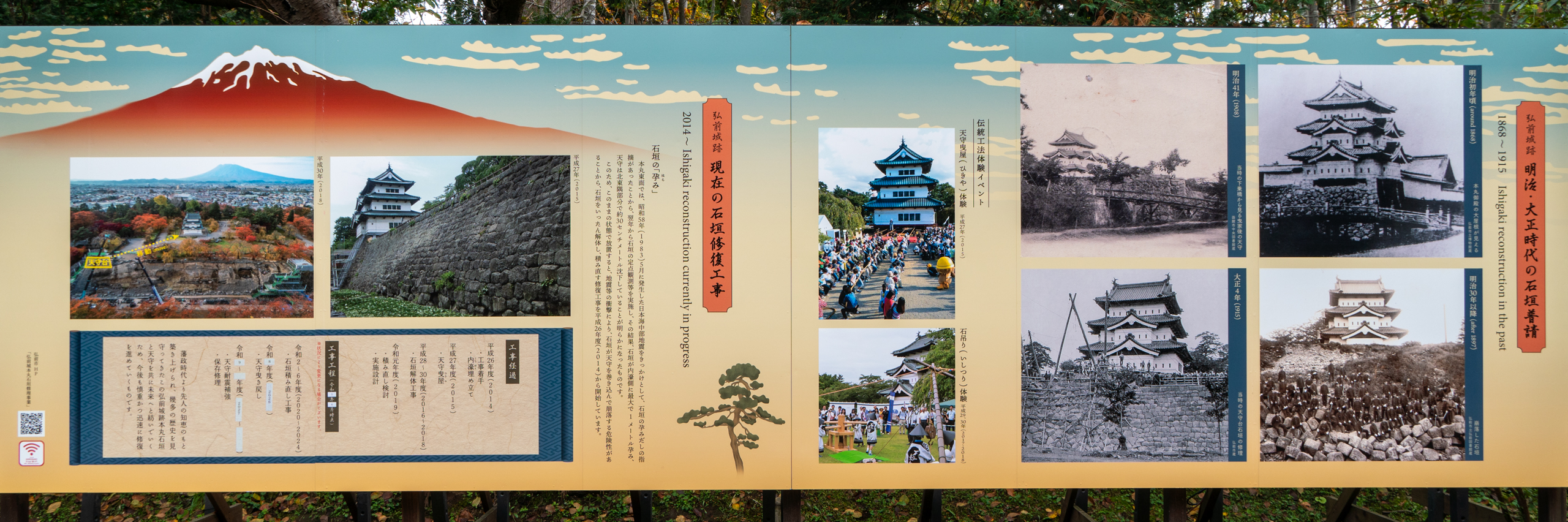
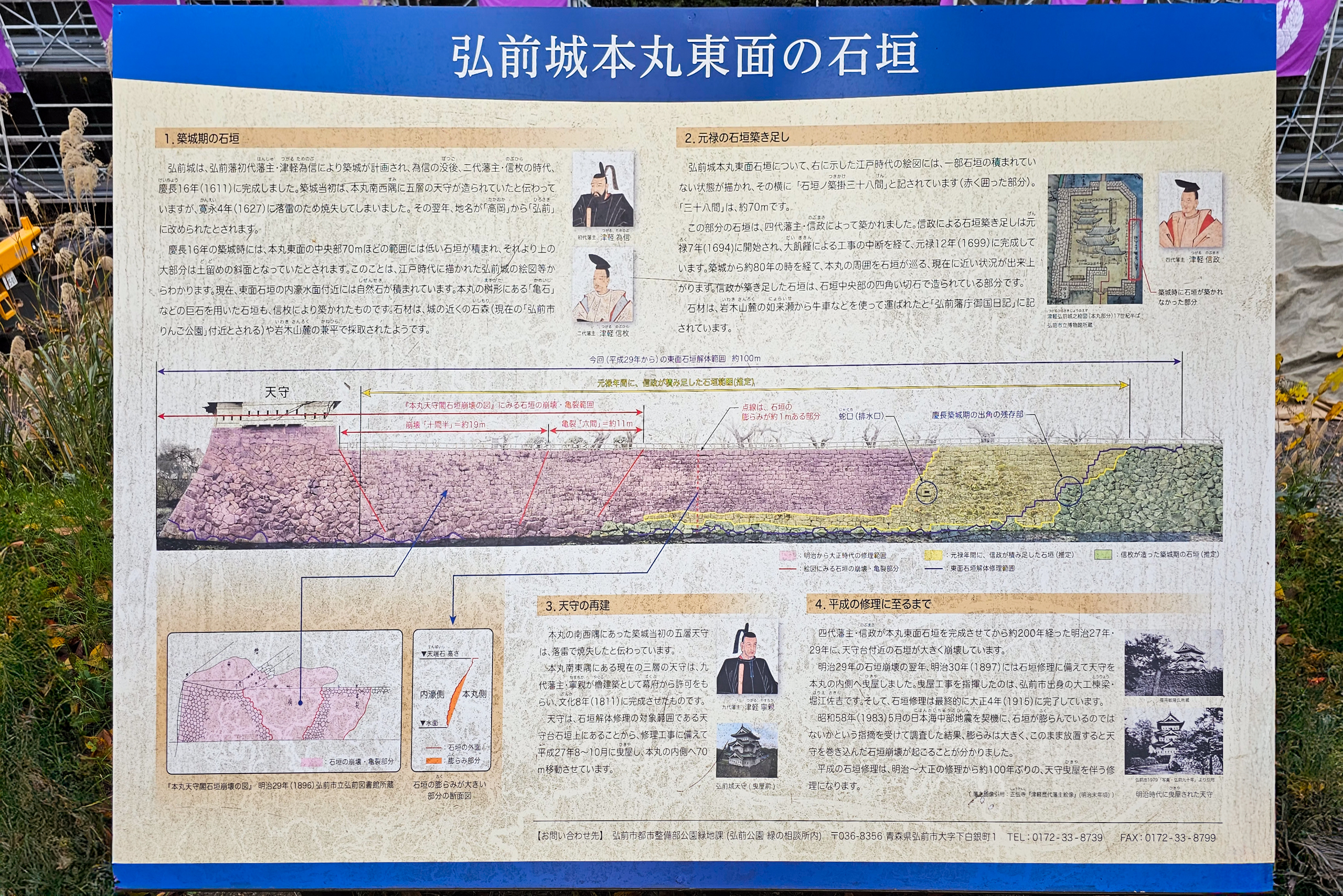
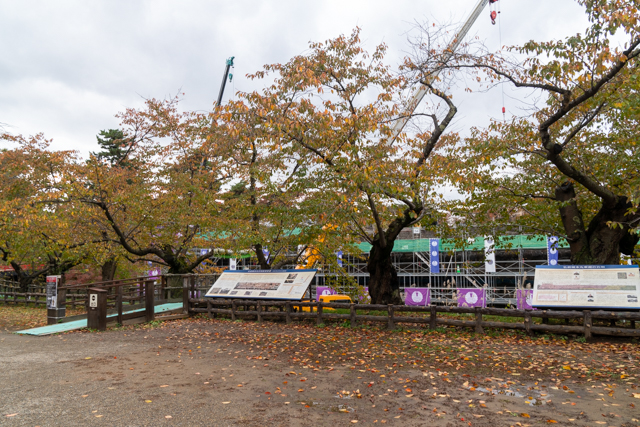
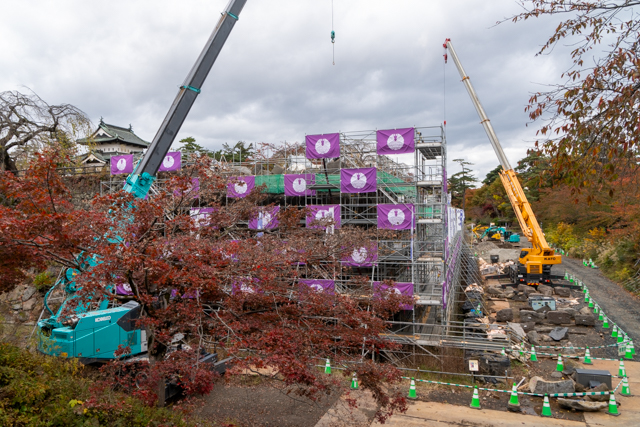
Hirosaki Castle Honmaru Stone Wall Repair Project – The First Major Repair in 100 Years
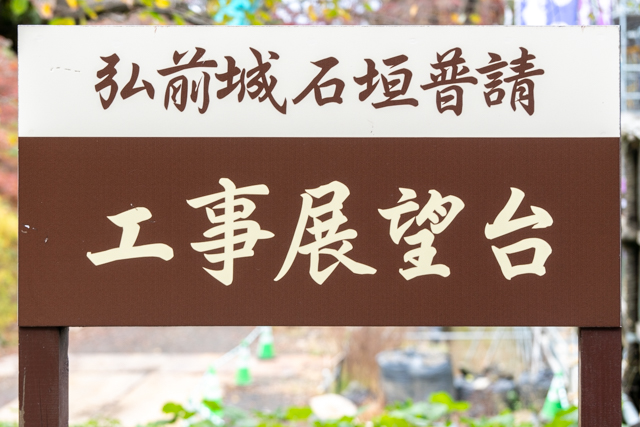
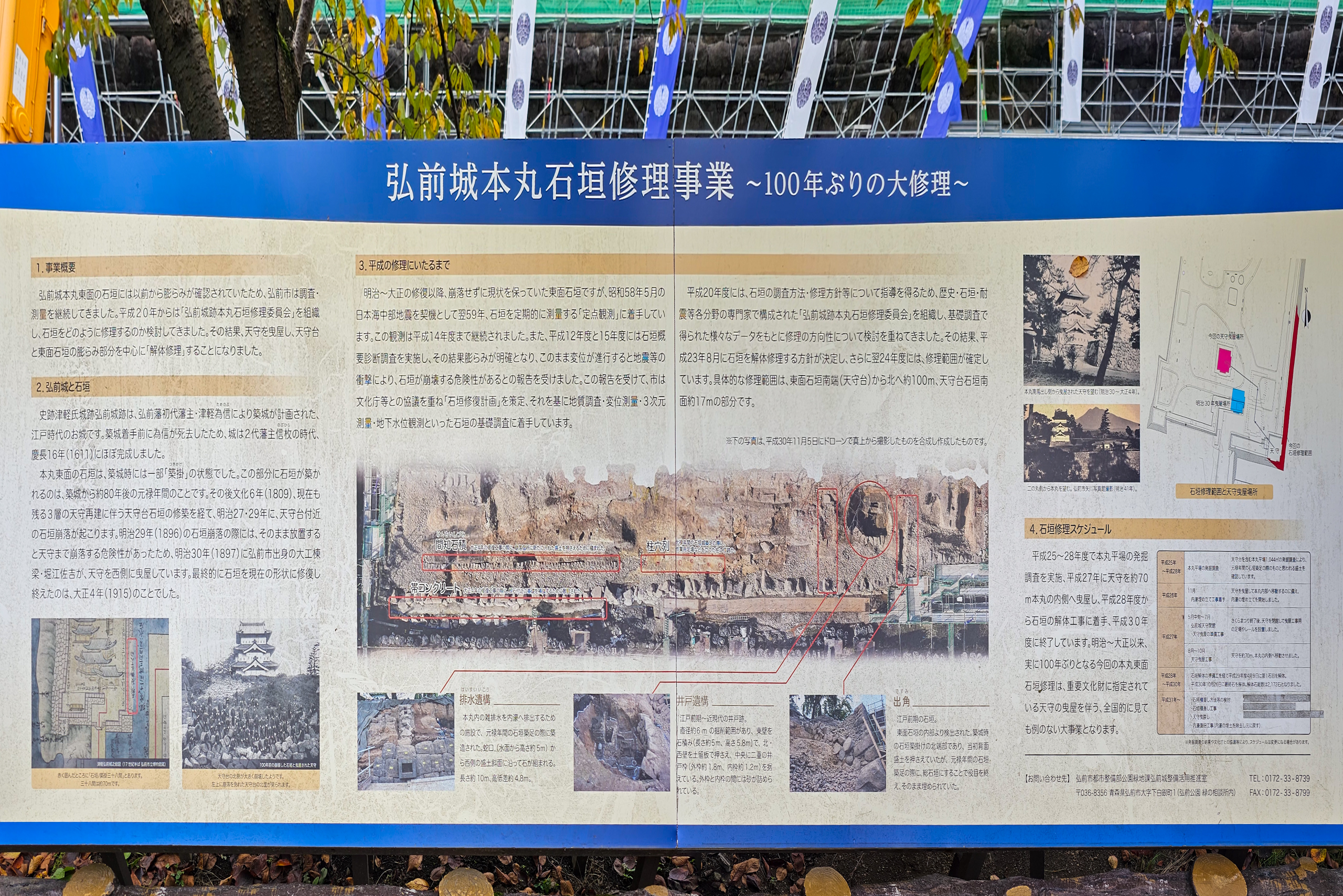
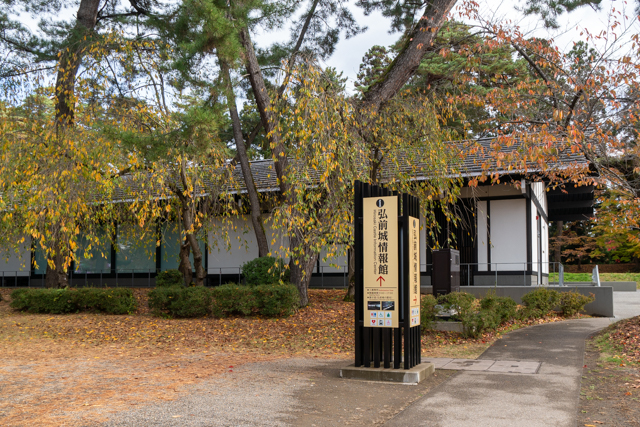
Hirosaki Castle Information Center
Hirosaki Park, 弘前公園二の丸内, 1−1 Shimoshiroganecho, Hirosaki City, 〒036-8356 Aomori, Japan
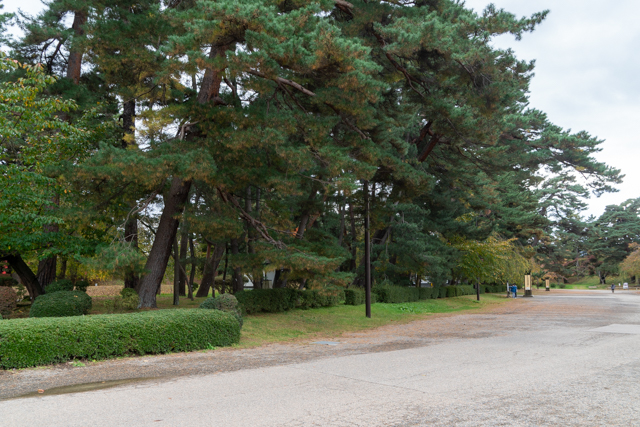
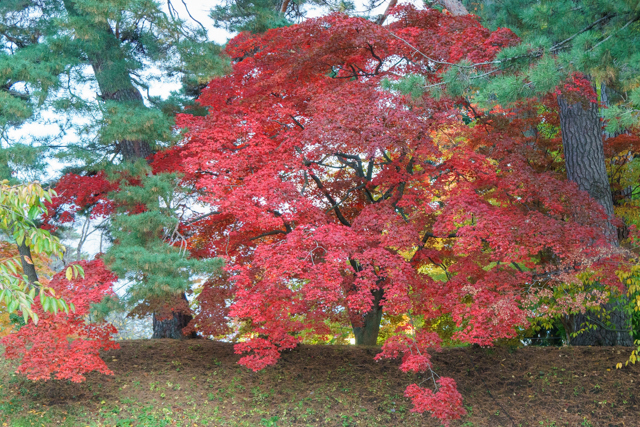
Ninomaru East Gate and Guardhouse
Design: Yaguramon gatehouse with side door and copper tile roof. Believed to date from the original castle construction in 1611. A record shows the original roof of ceramic honkawara tile was replaced with copper tile during the Bunka era (1804-1818).
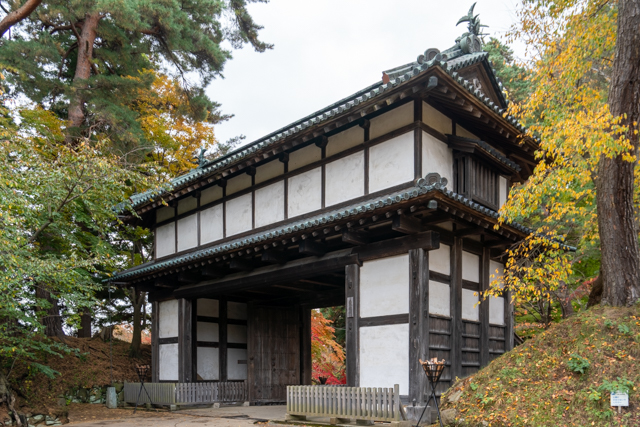
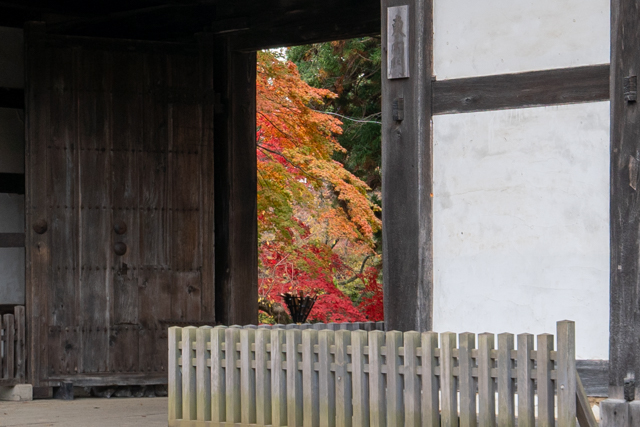
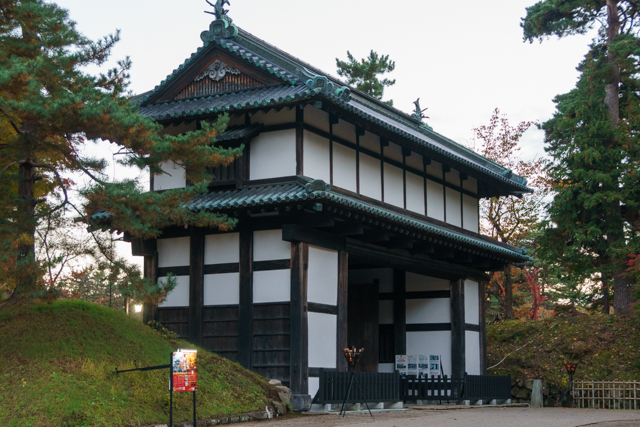
Both structures date to the castle’s original construction and demonstrate consistent architectural language across defensive points.
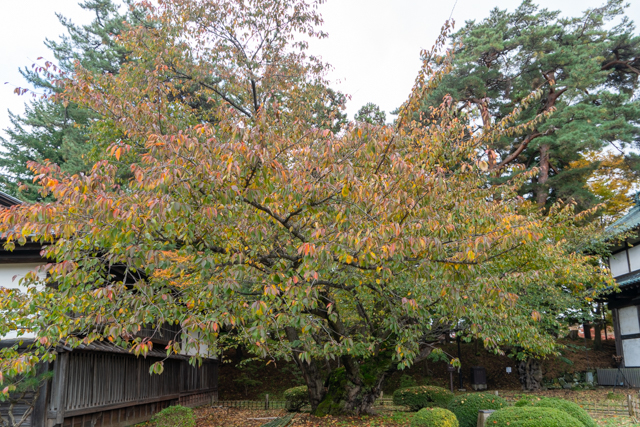
The park also contains the oldest Somei Yoshino cherry tree in Hirosaki, planted in 1882 and designated a Prefectural Natural Monument.
Higashi Uchimon Sotobashi (Ishibashi)
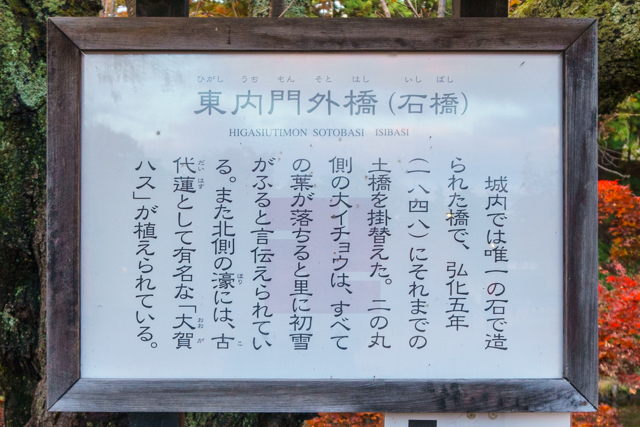
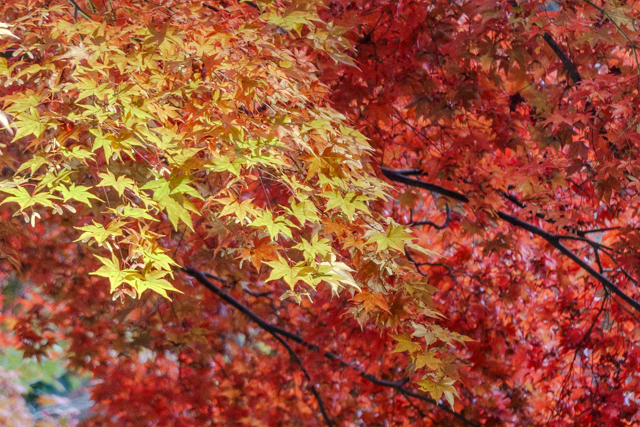
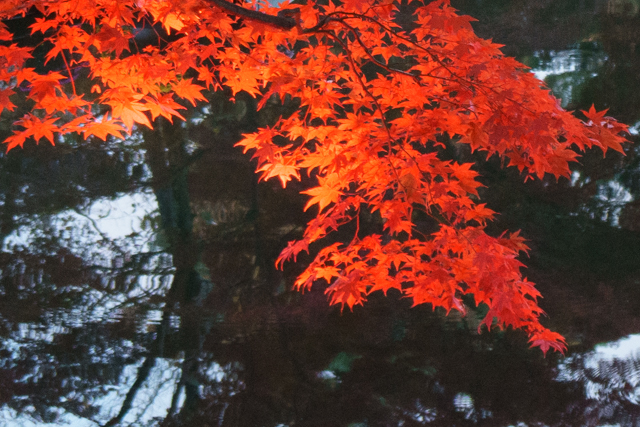
Ninomaru East Gate Guardhouse
Guardhouses were built at key points in the castle complex for the posting of samurai officers. Other guardhouses likely stood just inside the Otemon Gate and Sannomaru East Gate.
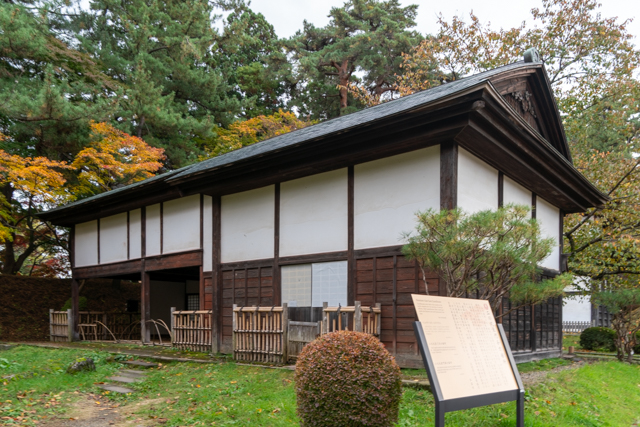
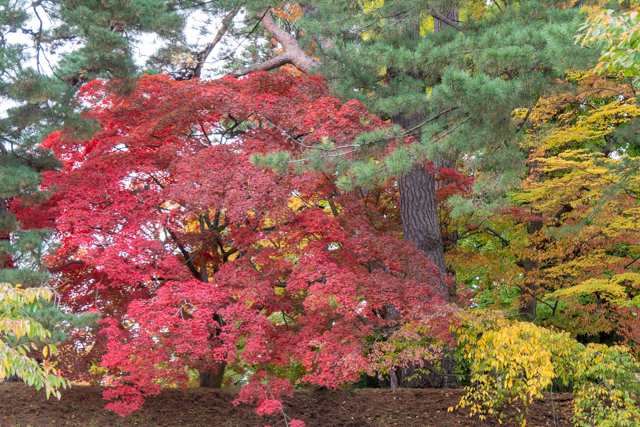
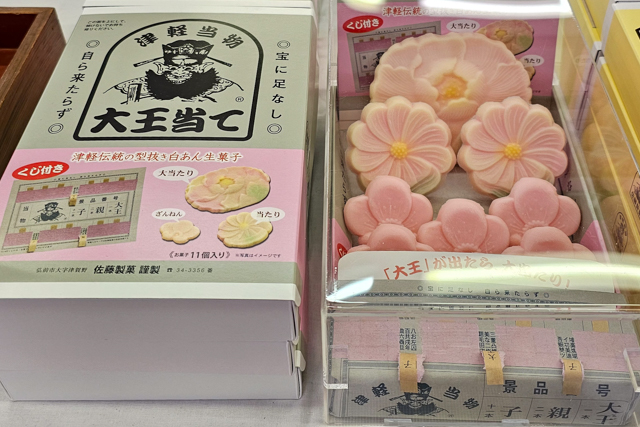
Hirosaki City Gardening Information Centre
弘前市緑の相談所, Inside Hirosaki Park, 1-1 Shimoshiroganecho, Hirosaki City, 〒036-8356 Aomori, Japan
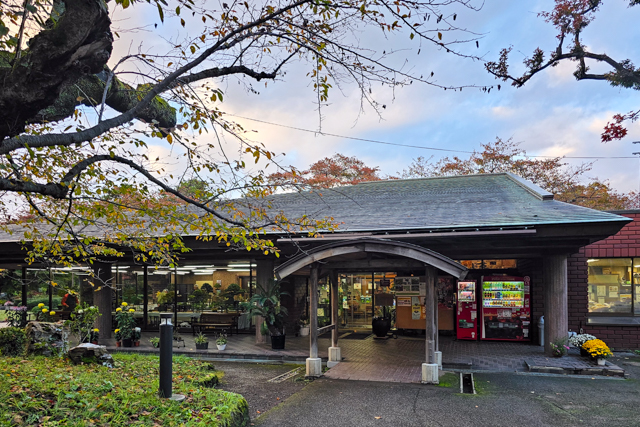
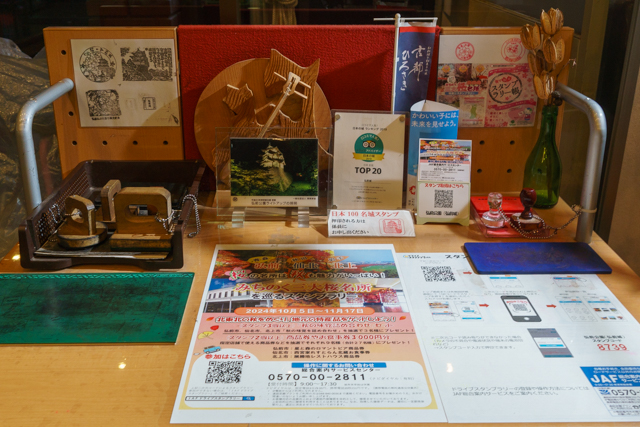
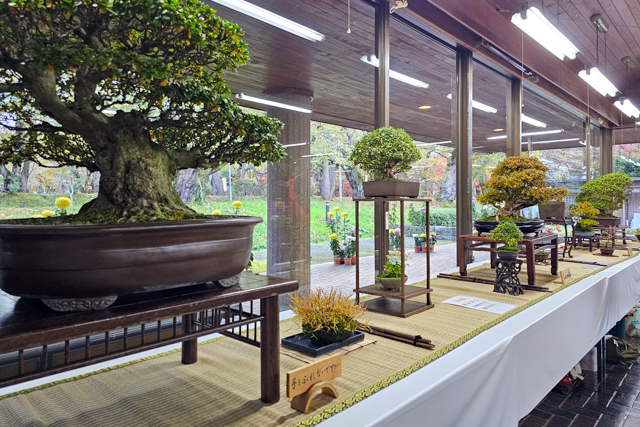
Ōyama Senbei
小山せんべい 大浦町本店, 5-3 Ouramachi, Hirosaki City, Aomori 〒036-8346, Japan
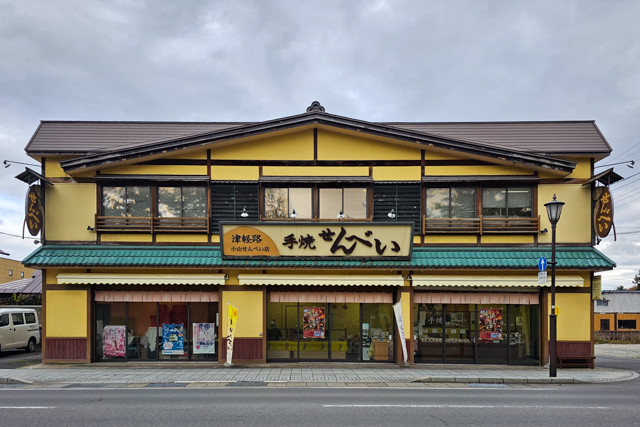
Review: Ōyama Senbei Teyaki Tsugaru Senbei Pistachio
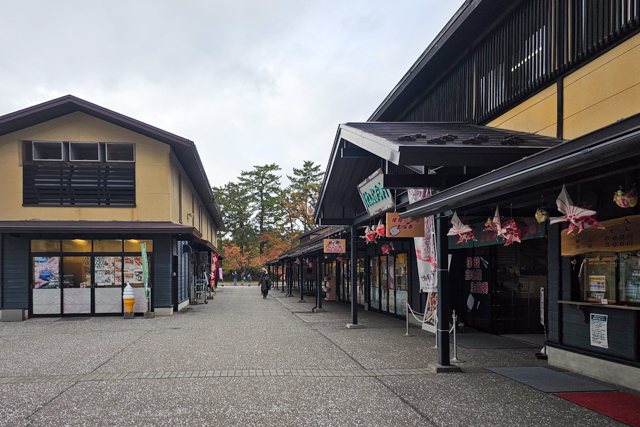
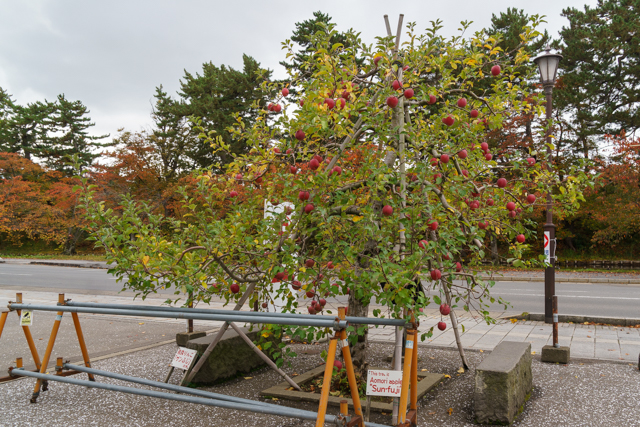
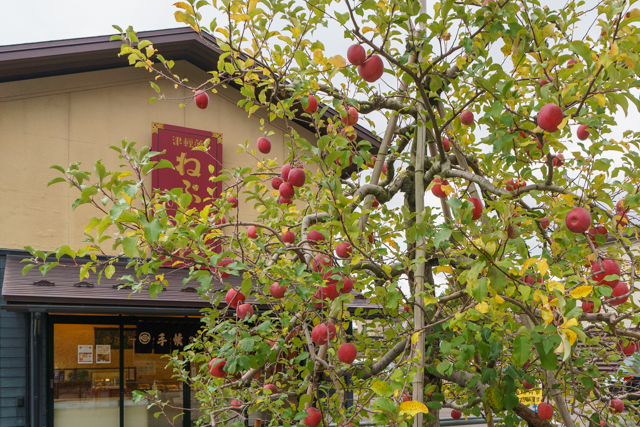
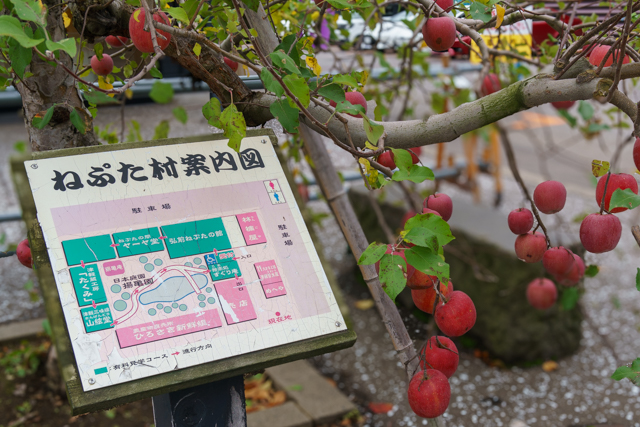
Tachi Neputa Village
津軽藩ねぷた村, 61 Kamenokochō, Hirosaki City, Aomori 036-8332
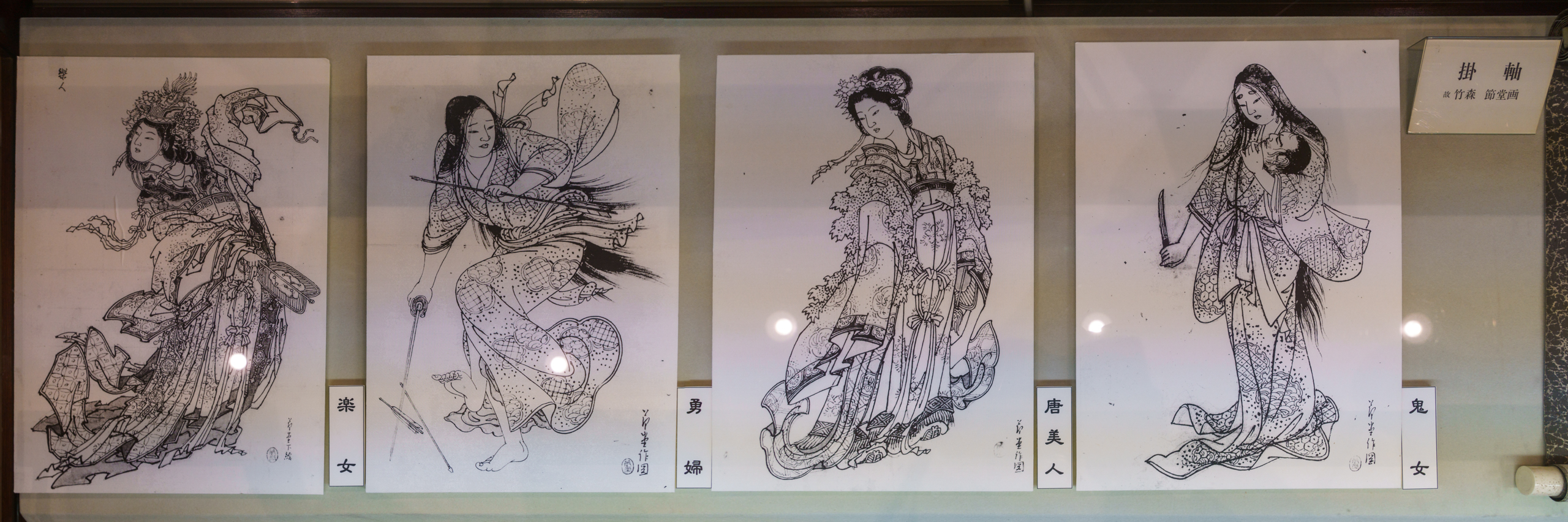
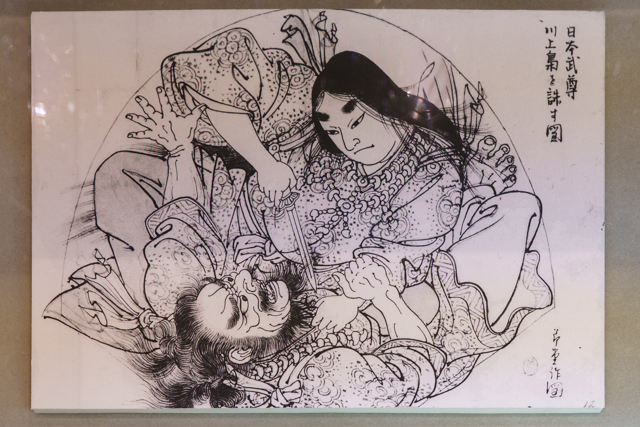
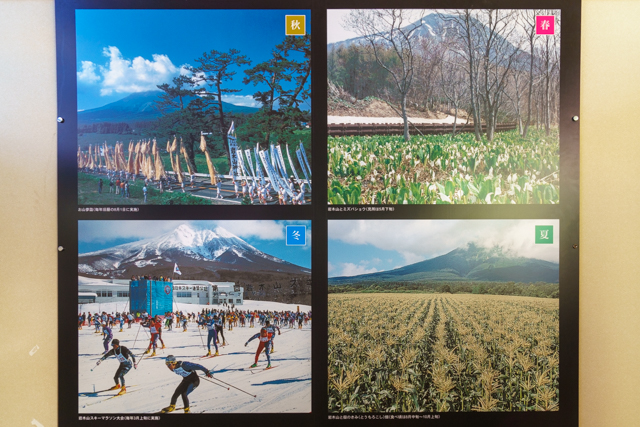
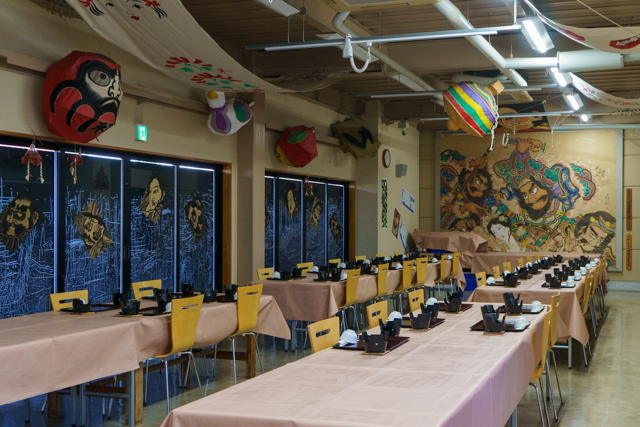
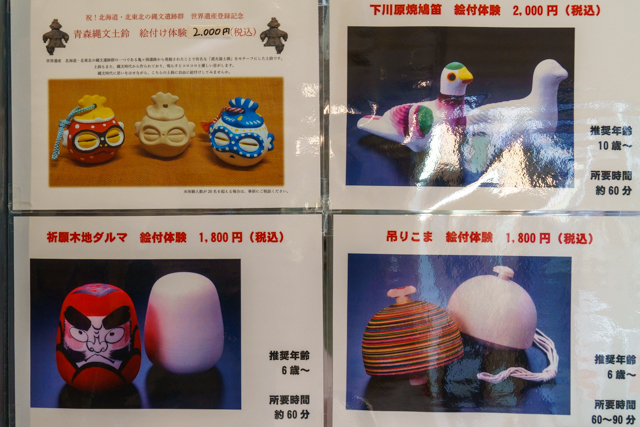
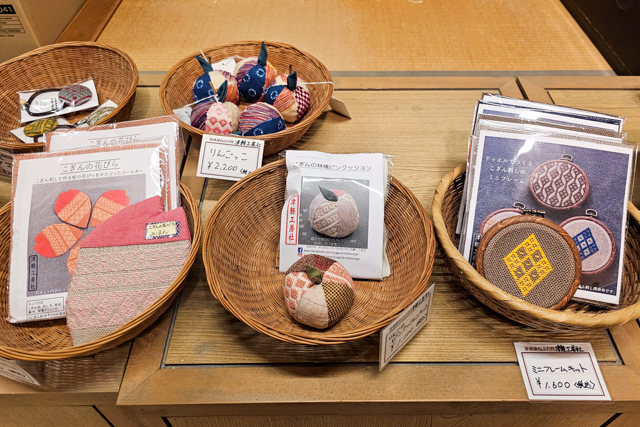
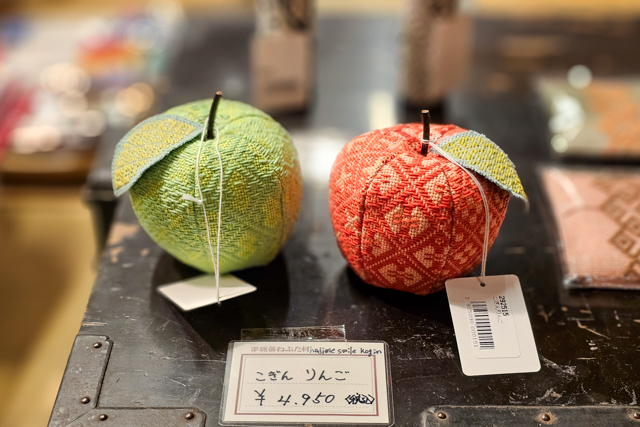
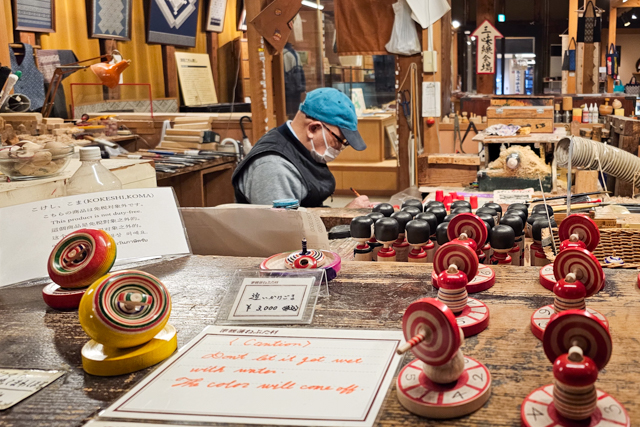
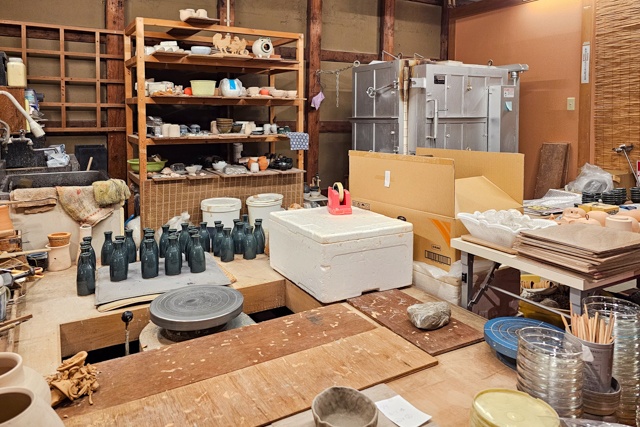
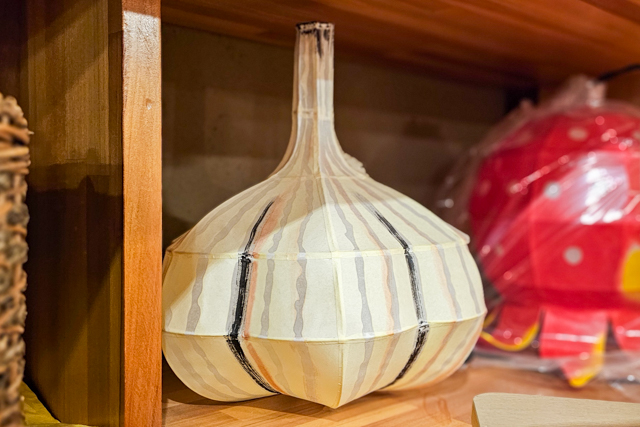
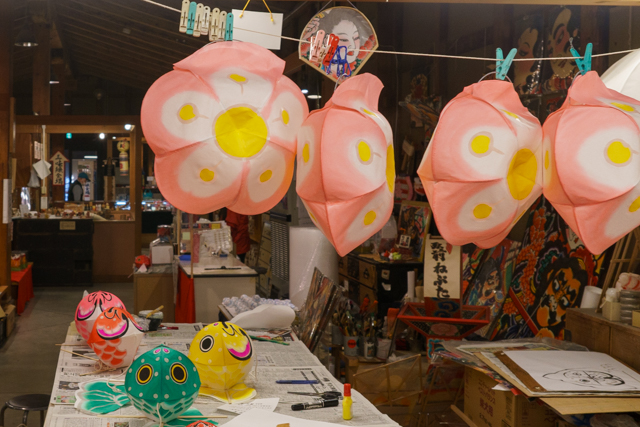
This complex presents the history and techniques behind the Neputa Festival, alongside Tsugaru crafts and regional foodways.
Nakahata Teyaki
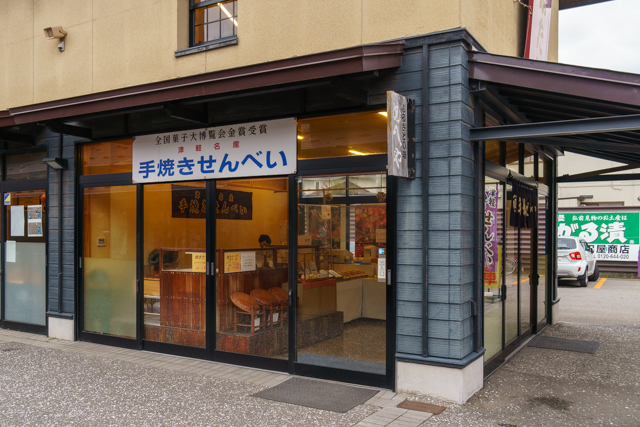
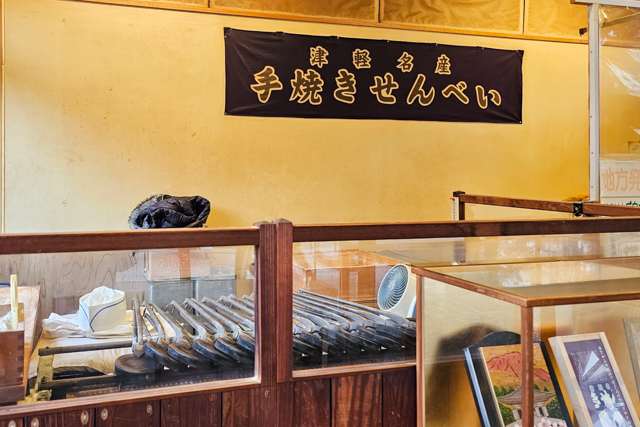
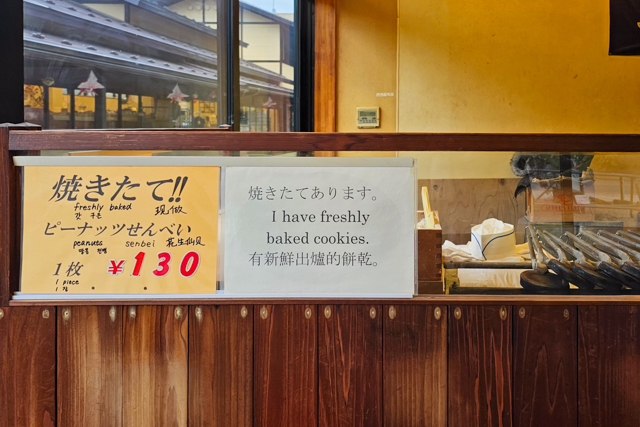
中畑手焼きせんべい, Inside Tsugaru Neputa Village, 61-Kamenokomachi, Hirosaki City, 036-8332 Aomori, Japan
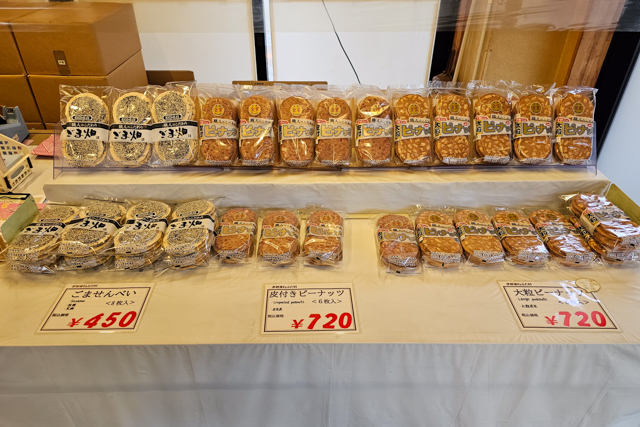
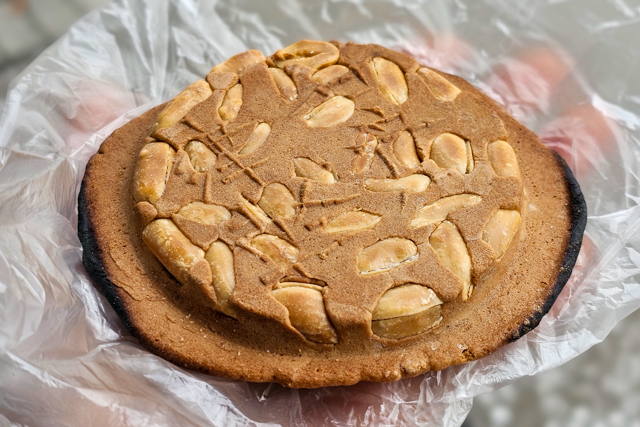
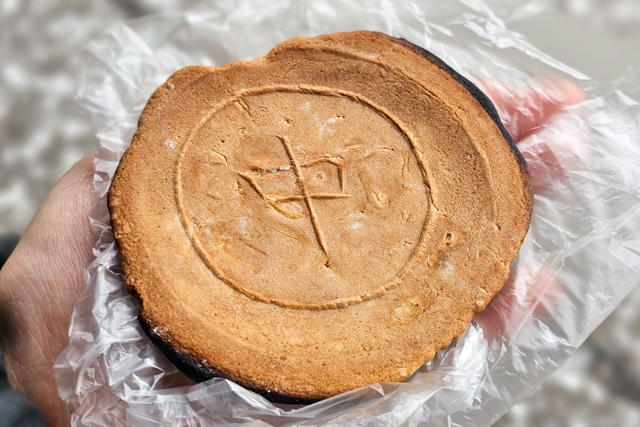
The Nakahata Teyaki Senbei Goma Hata is a regional specialty from the Tsugaru area in Aomori Prefecture, featuring charcoal-grilled senbei with a distinctive texture and flavour.
Review: Nakahata Teyaki Senbei Goma Hata
Tsugaru Umaiya
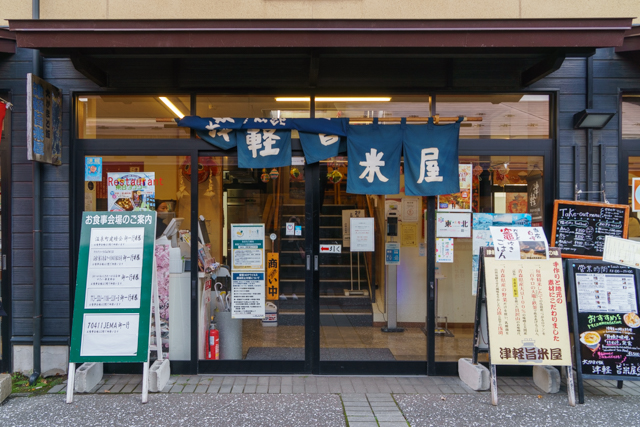
津軽旨米屋, Inside Tsugaru-han Neputa-mura Village, 61-Kamenoko-cho, Hirosaki City, Aomori Prefecture 036-8332, Japan.
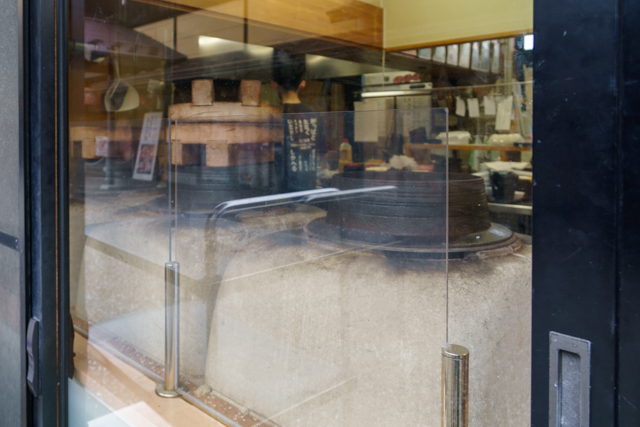
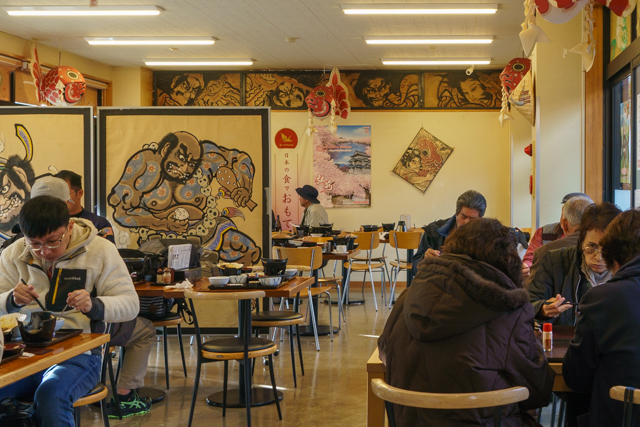
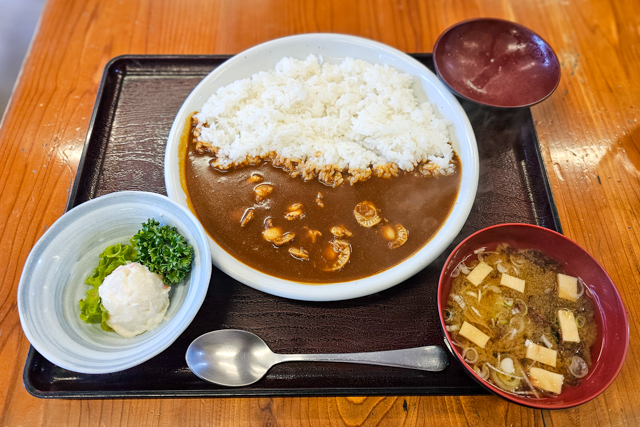
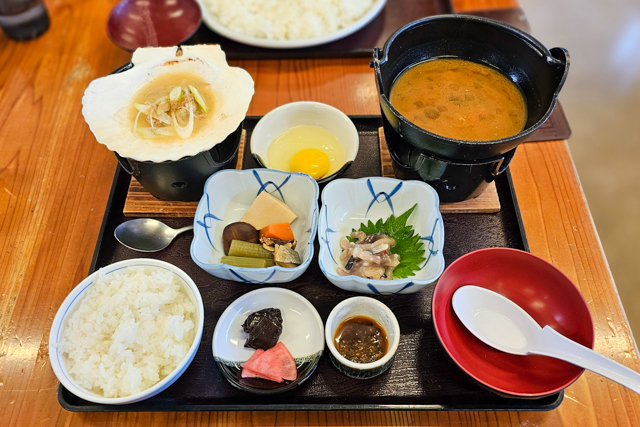
Tsugaru Umaiya is a restaurant dedicated to preserving Tsugaru Food Heritage—traditional home-style dishes that have sustained locals in their daily lives.
Review: Tsugaru Umaiya, Hirosaki
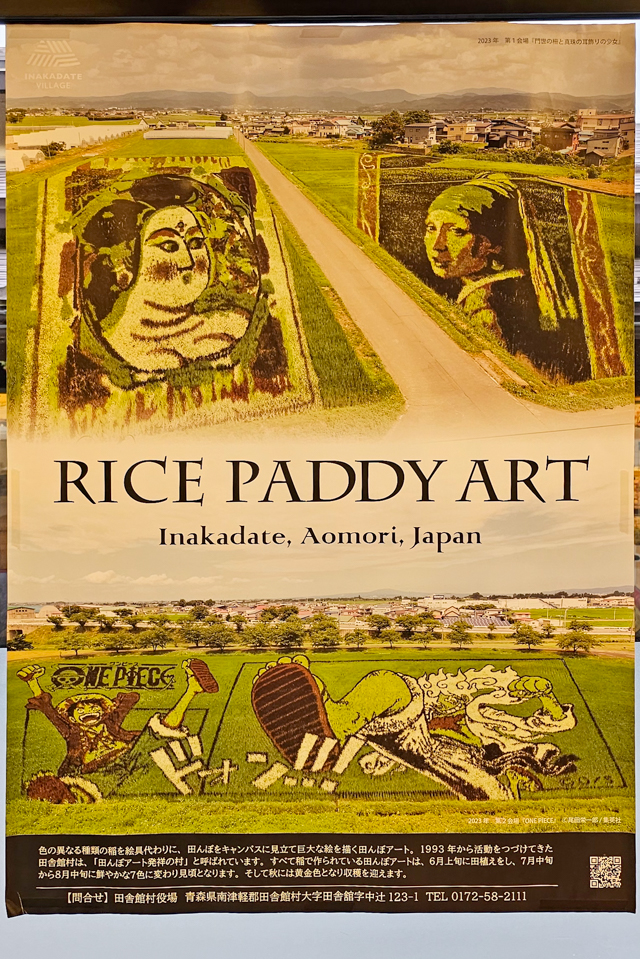
Tsugaru-han Neputa Mura
津軽藩ねぷた村, 61-Kamenoko-cho, Hirosaki City, Aomori Prefecture 036-8332, Japan
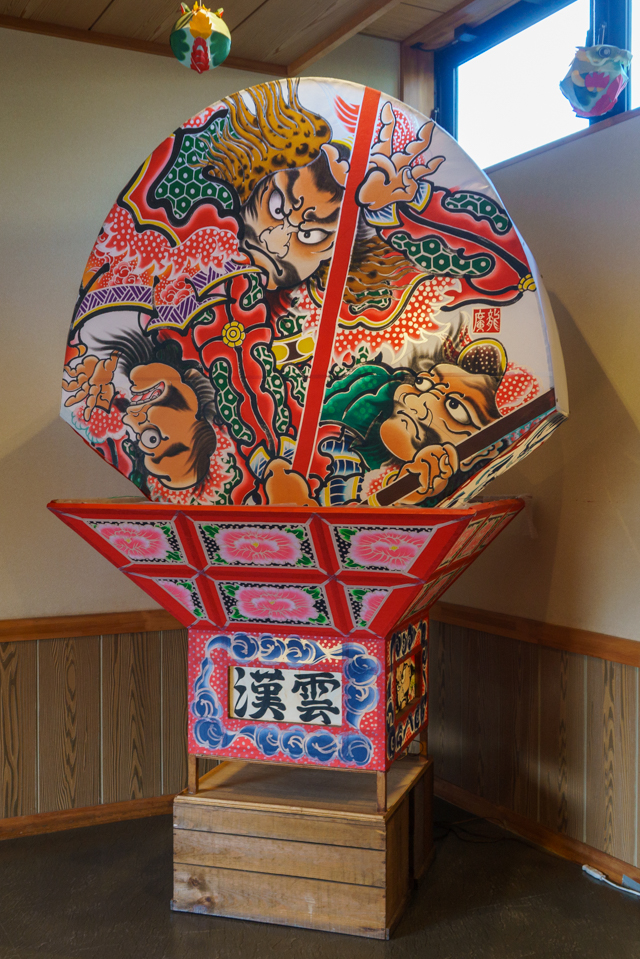
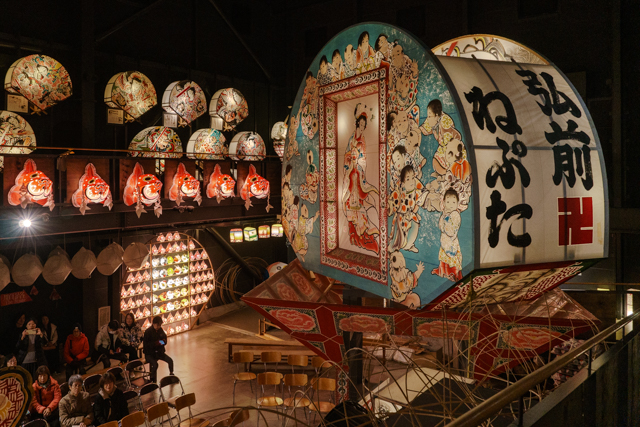
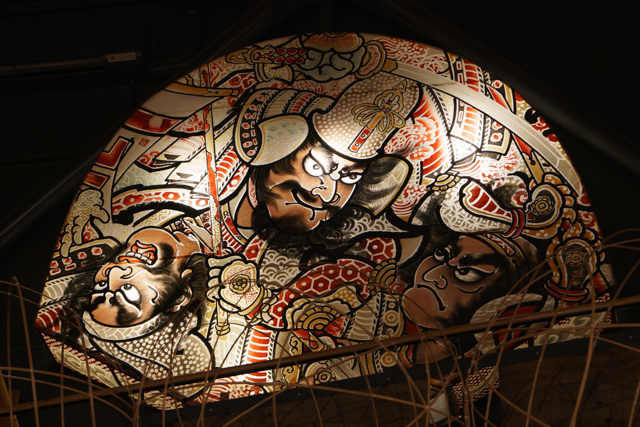
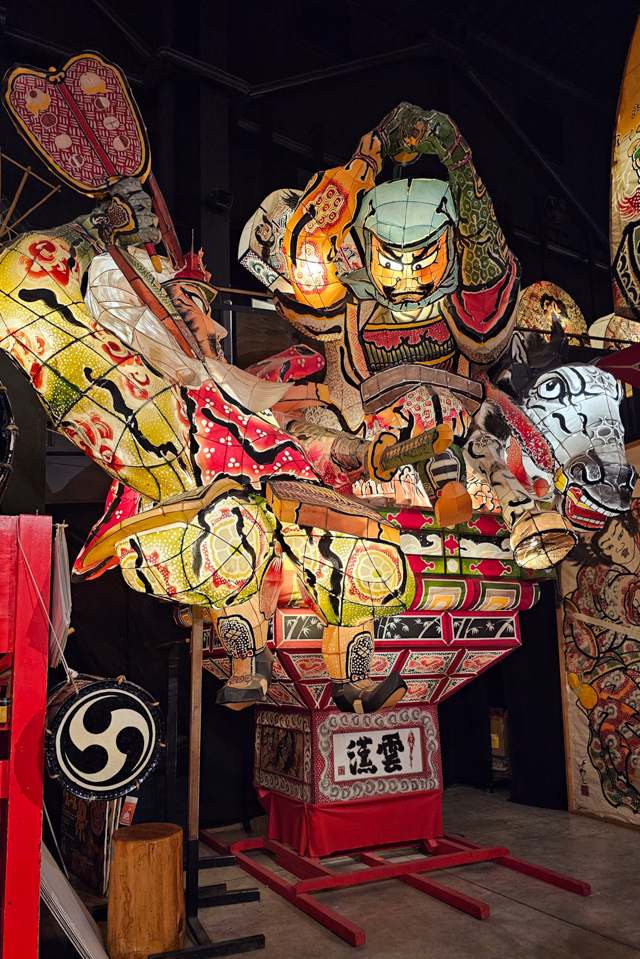
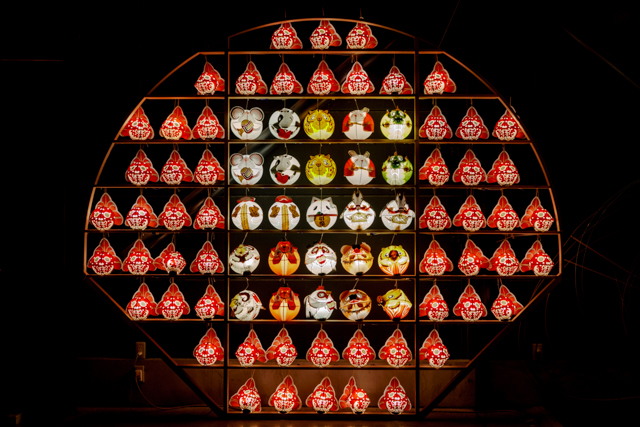
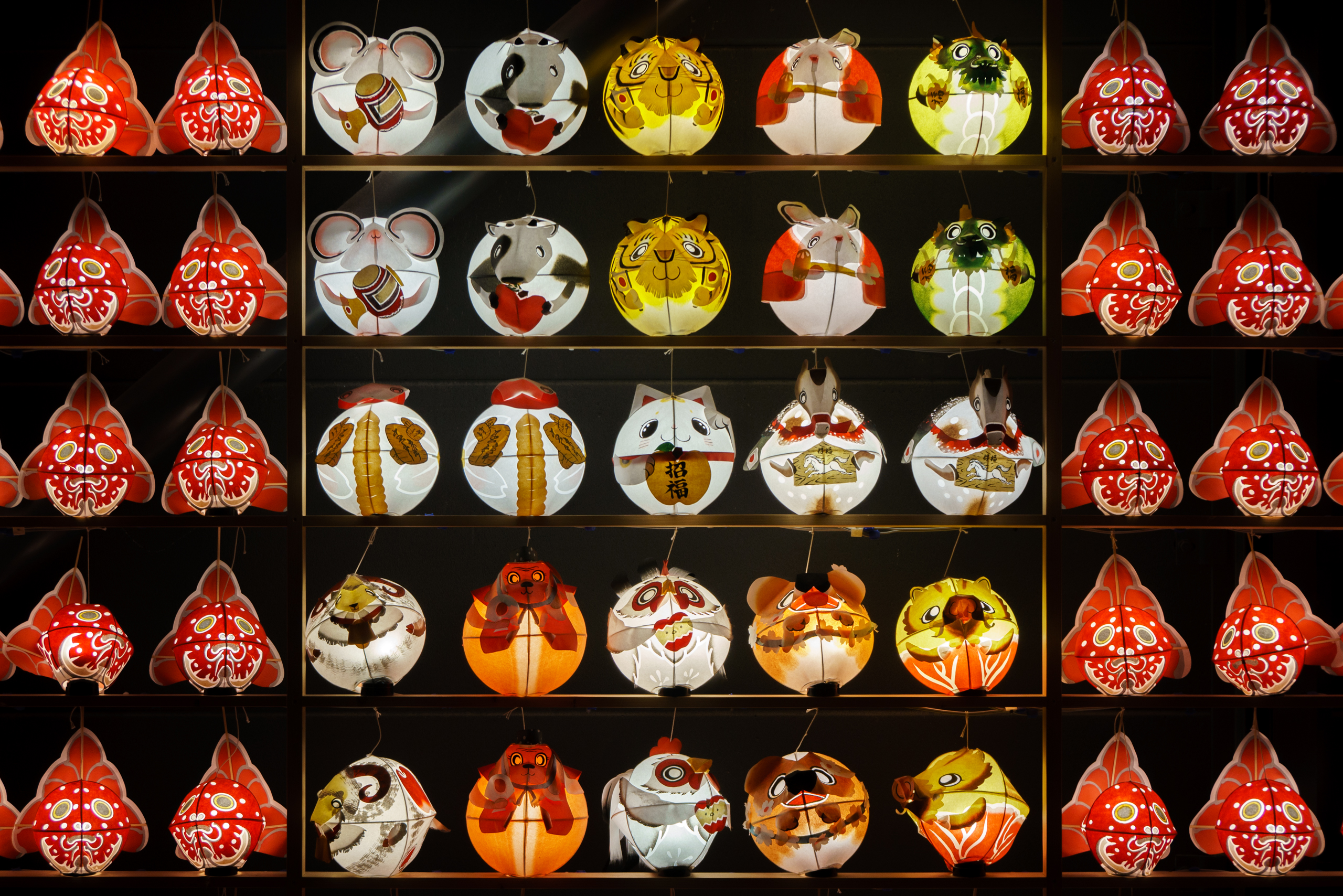
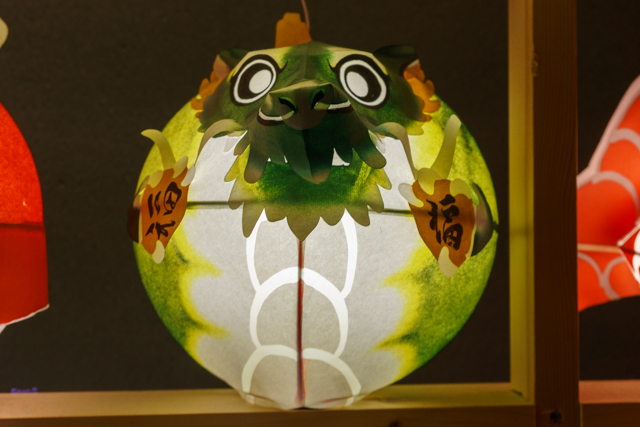
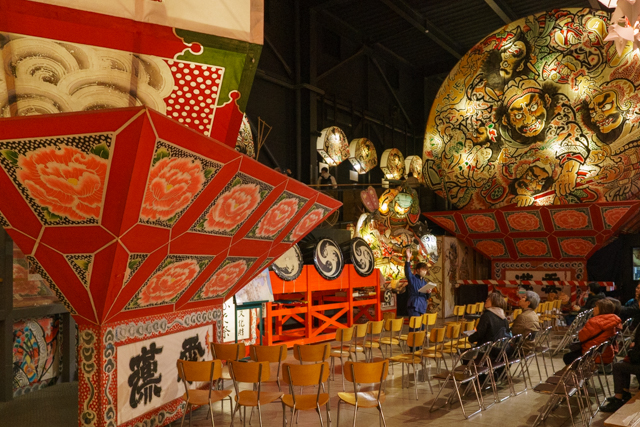
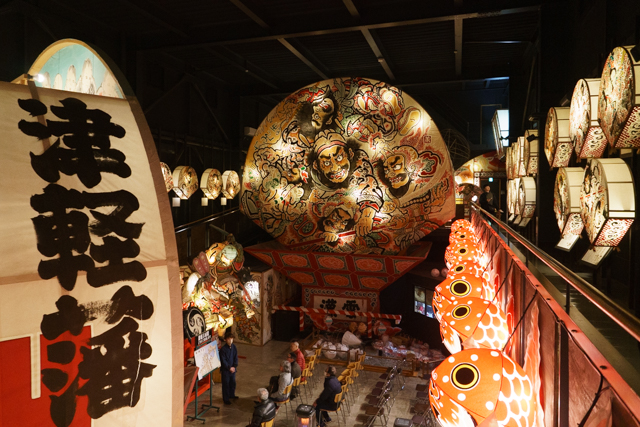
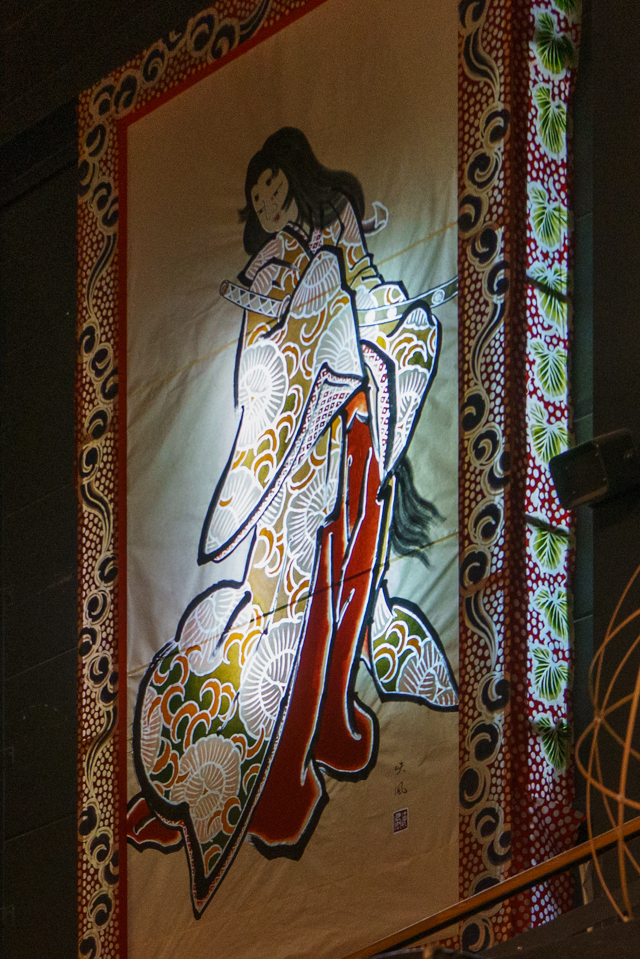
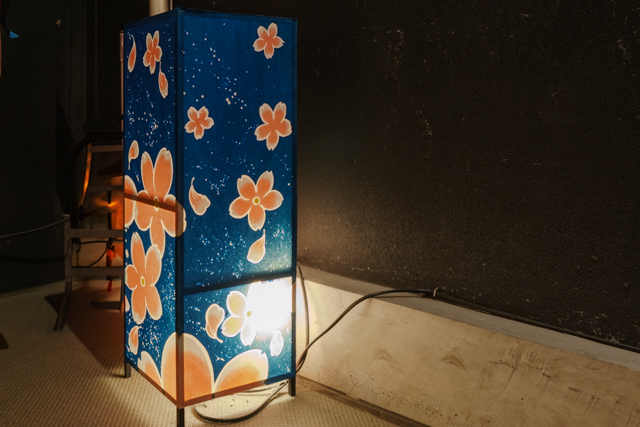
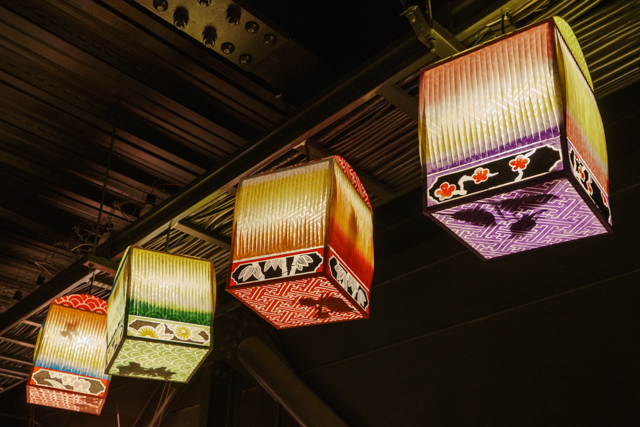
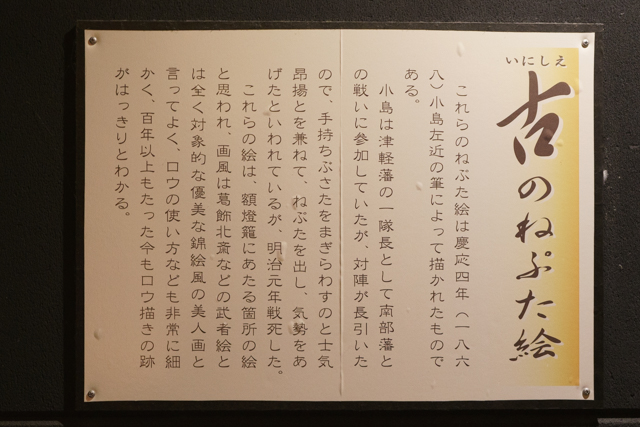
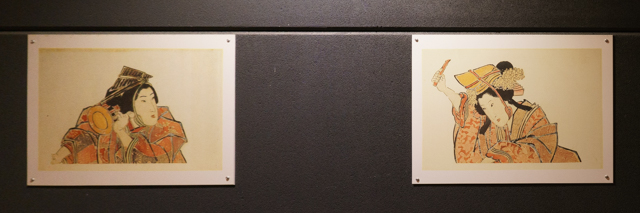
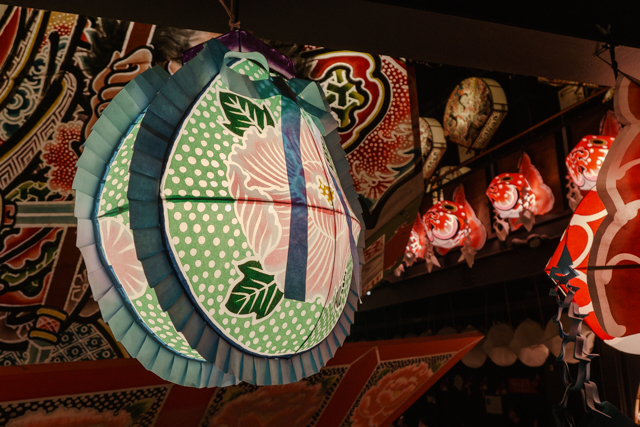
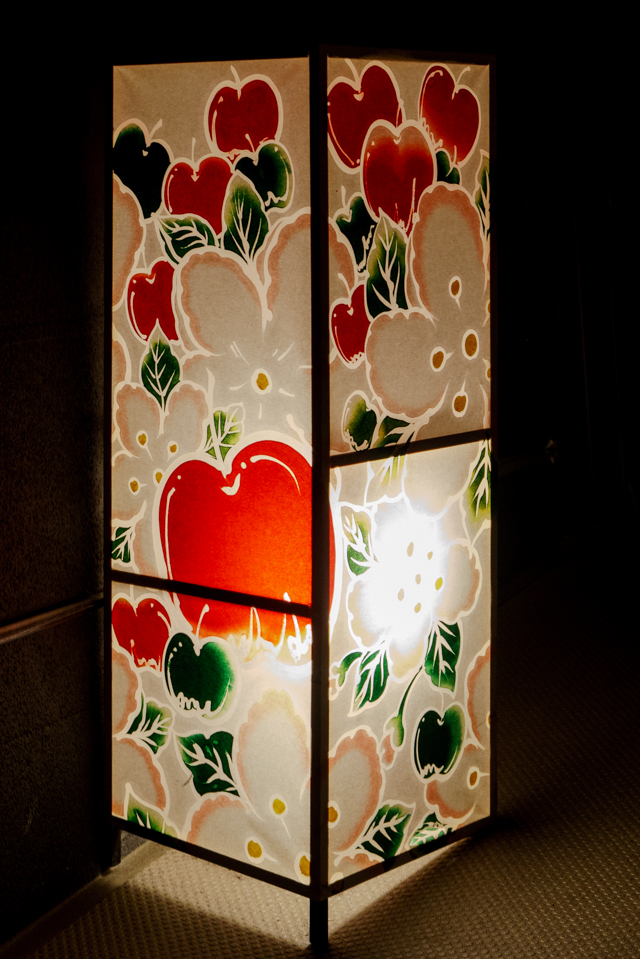
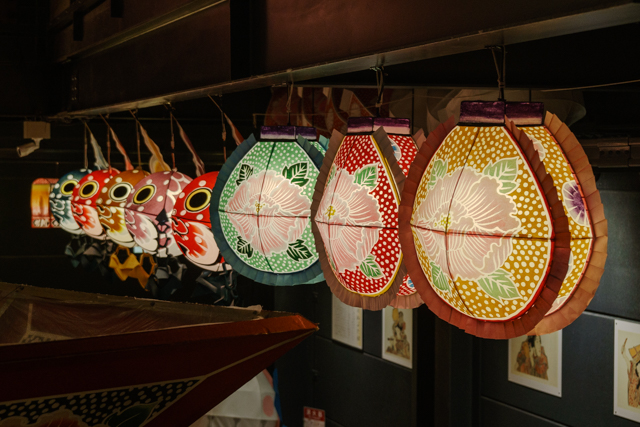
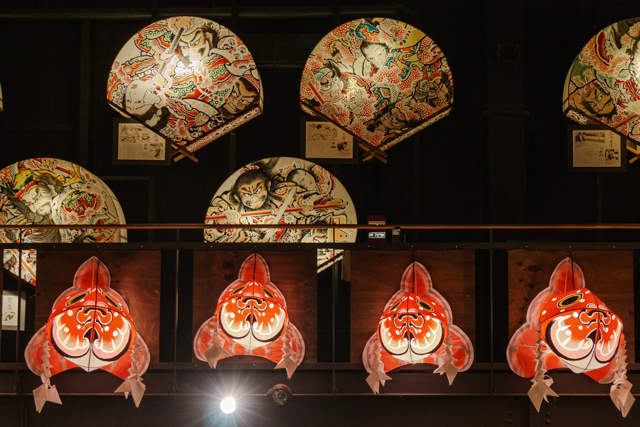
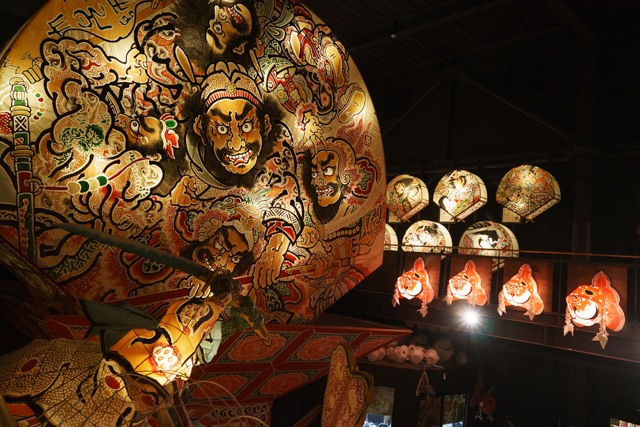
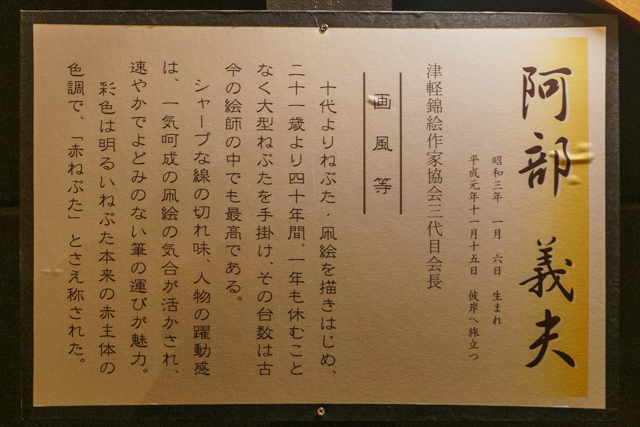
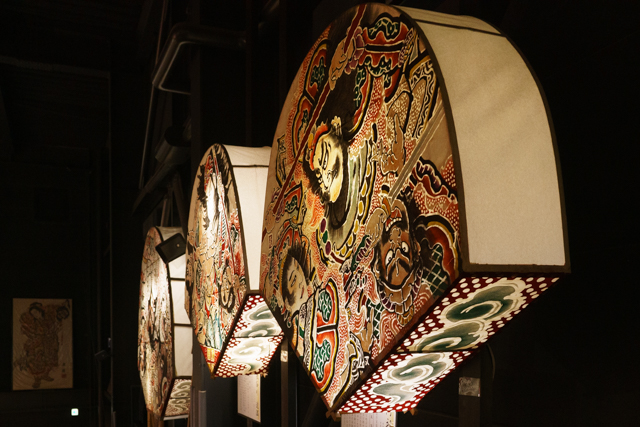
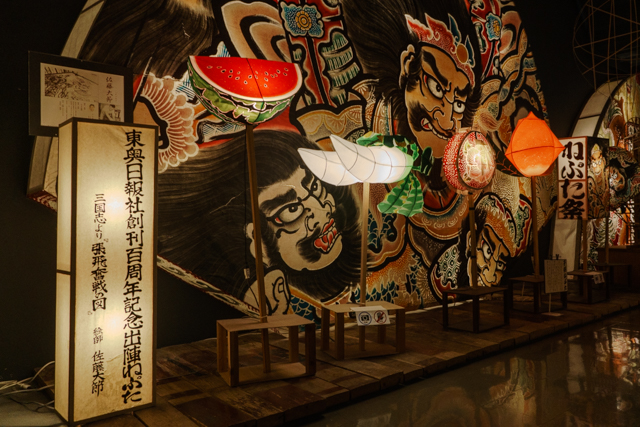
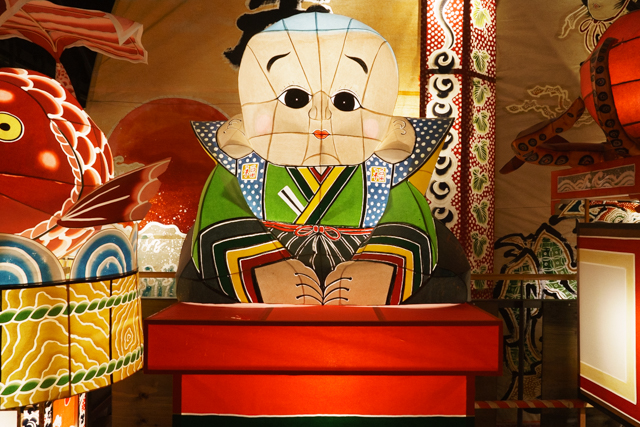
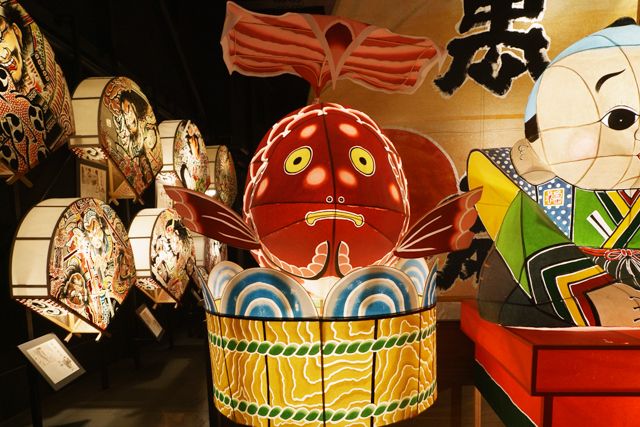
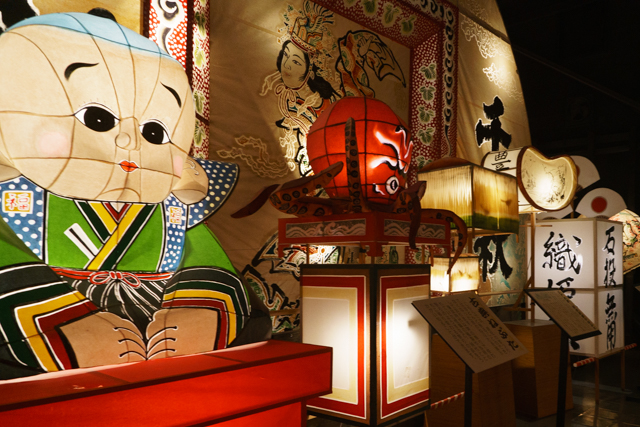
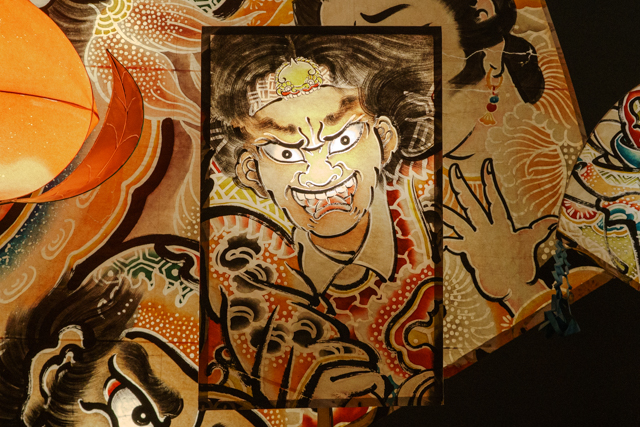
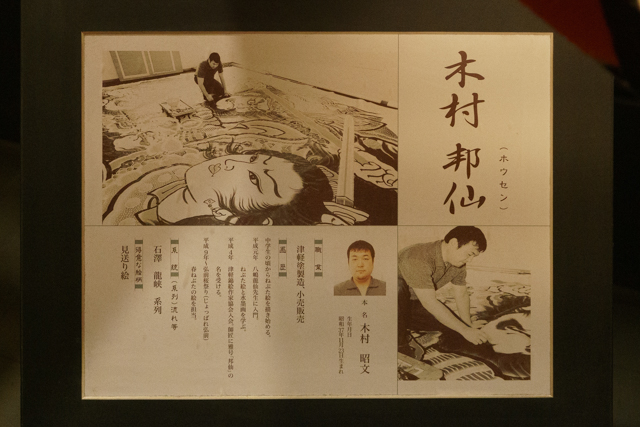
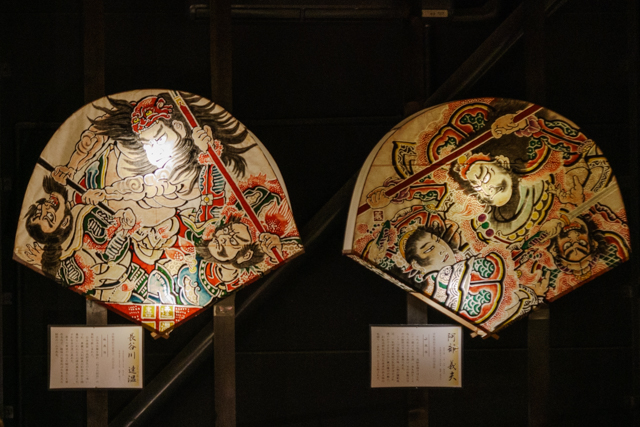
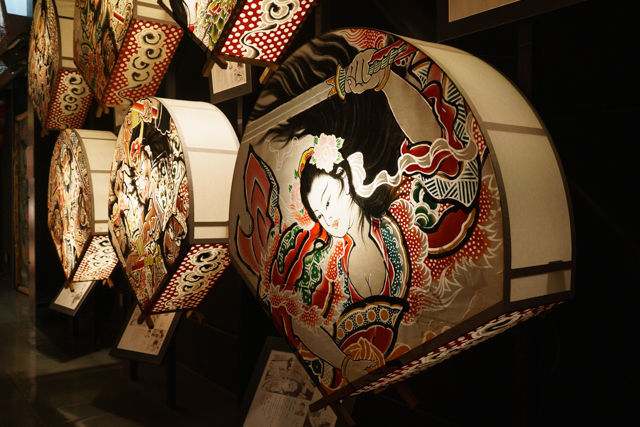
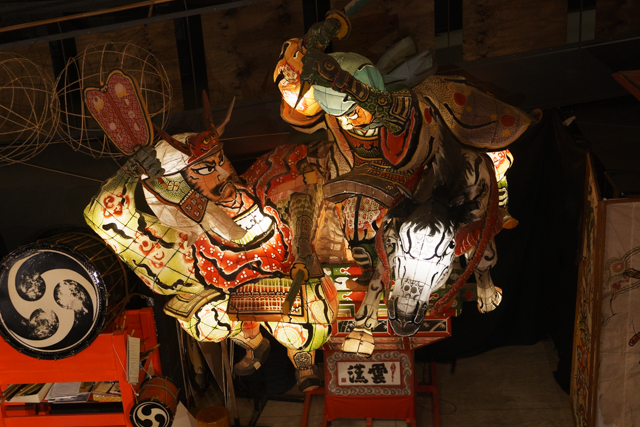
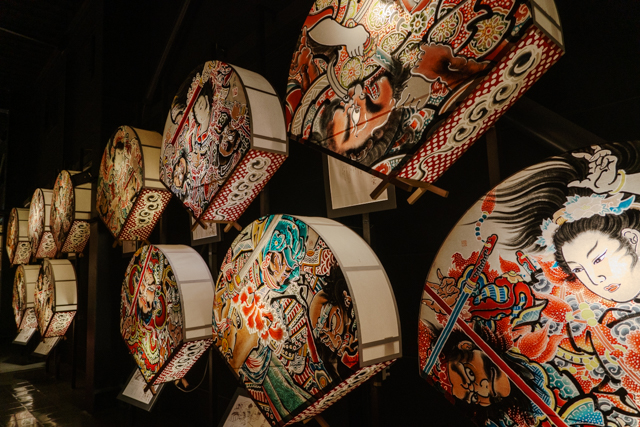
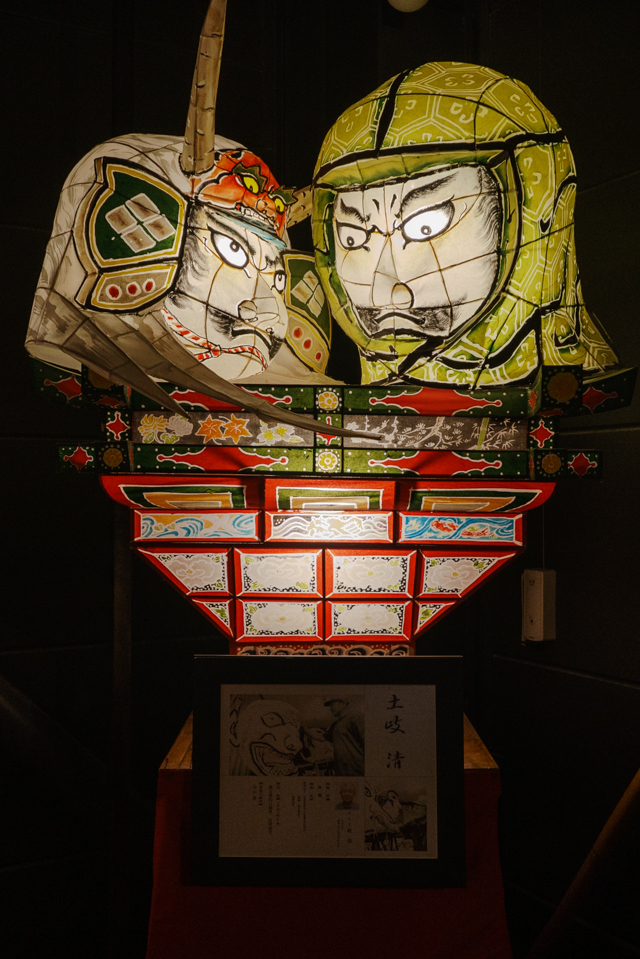
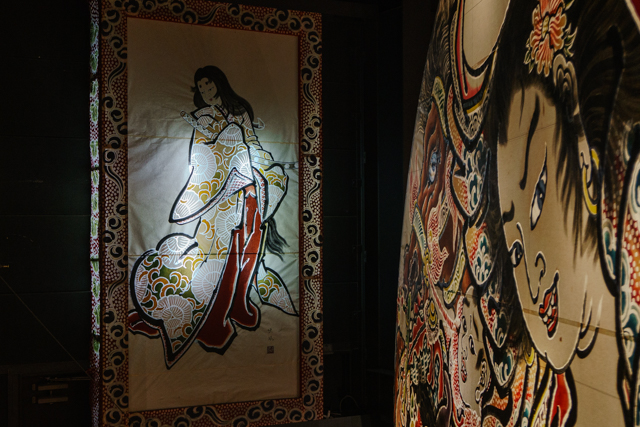
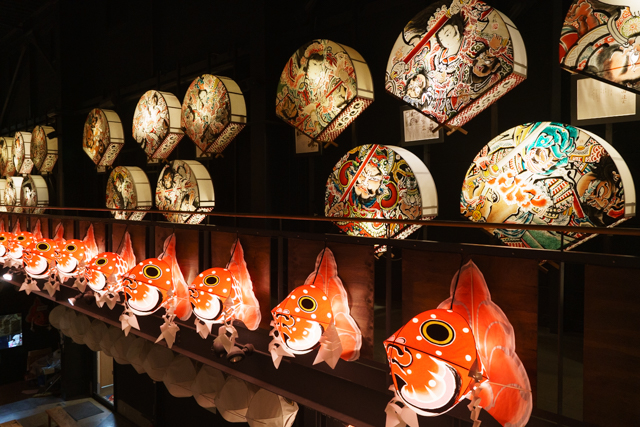
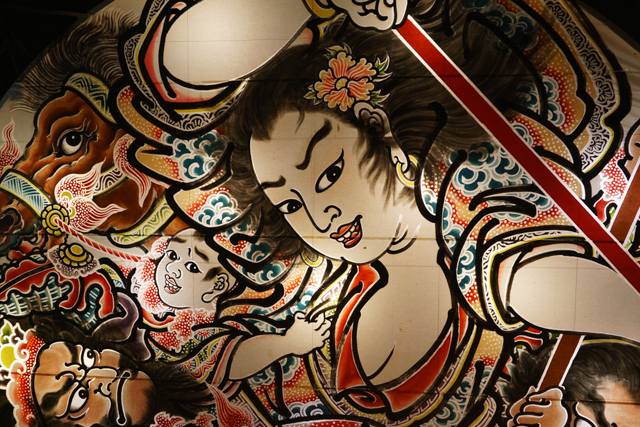
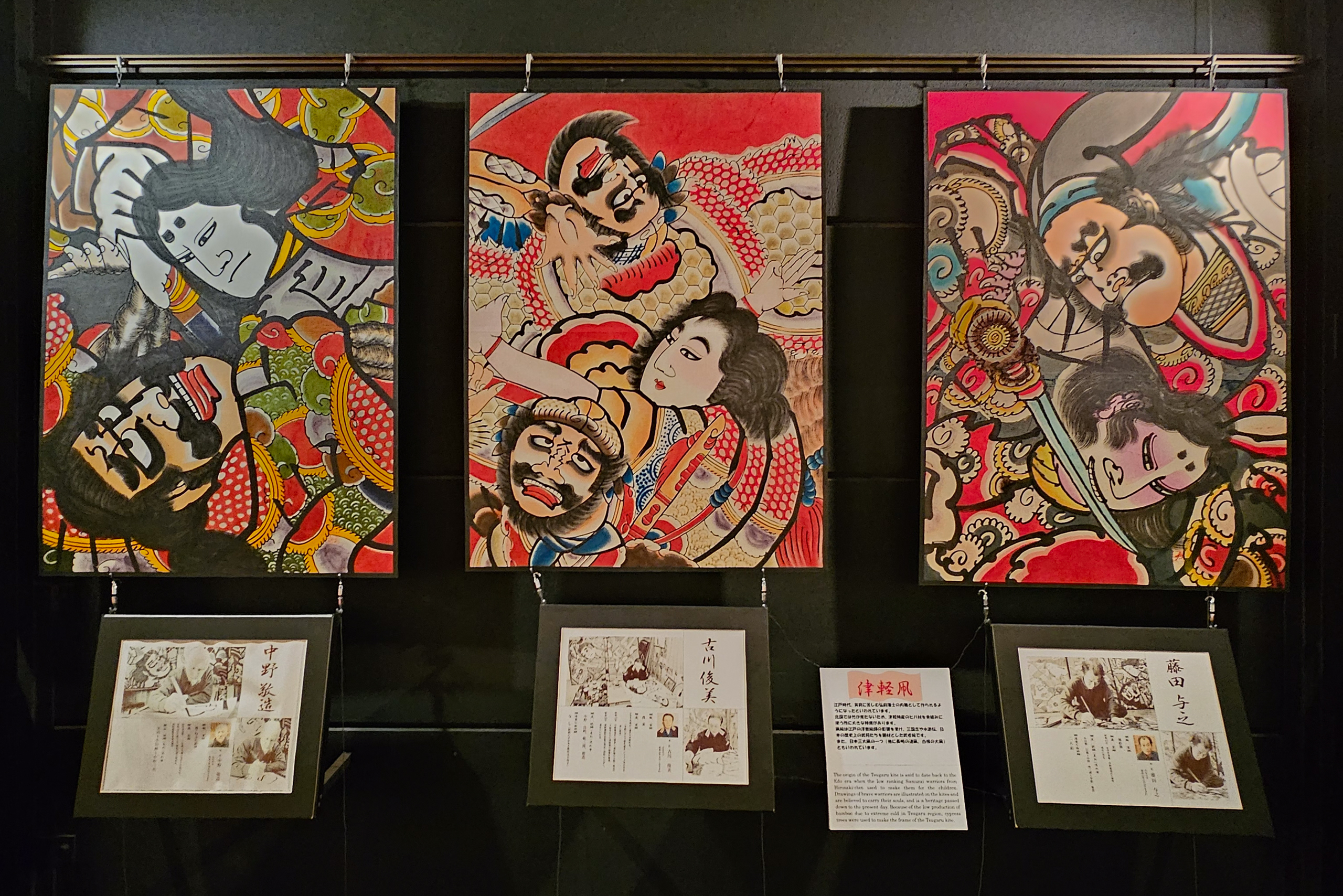
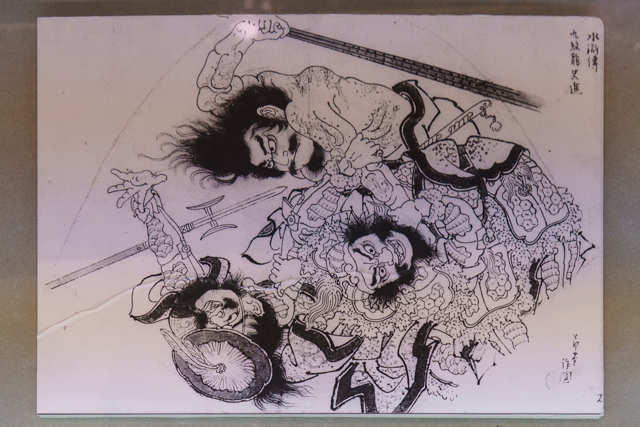
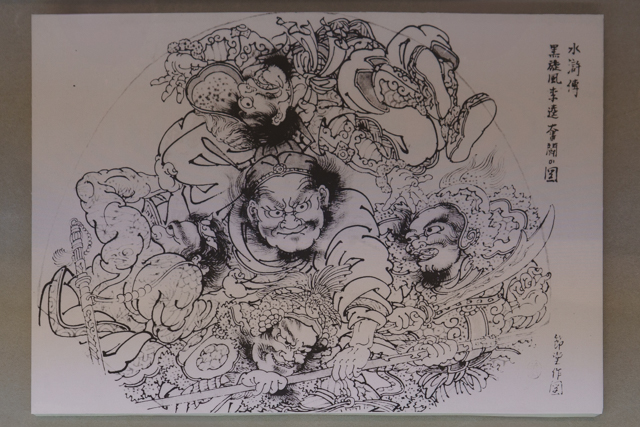
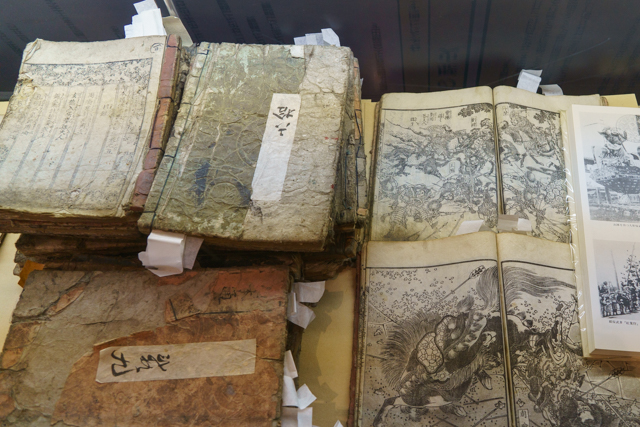
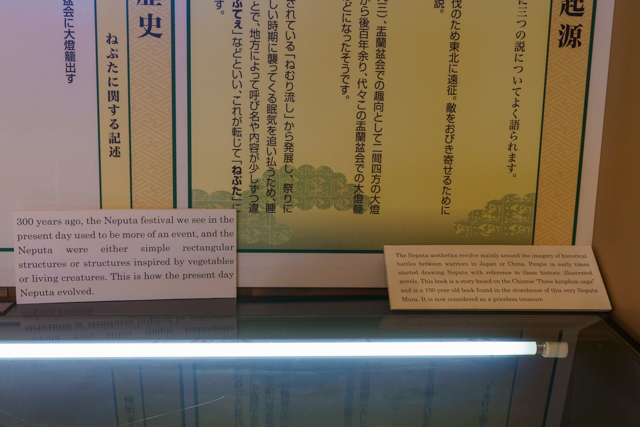
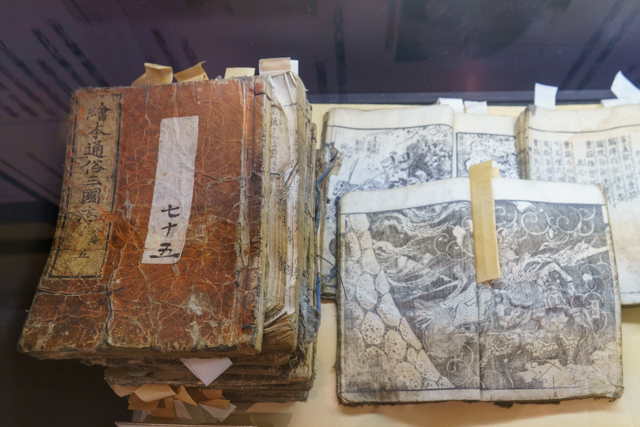
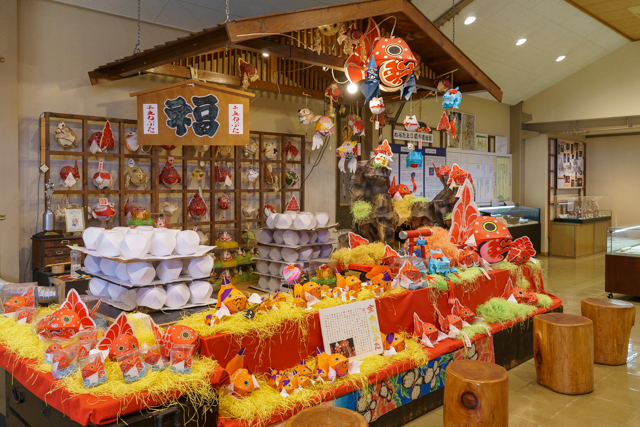
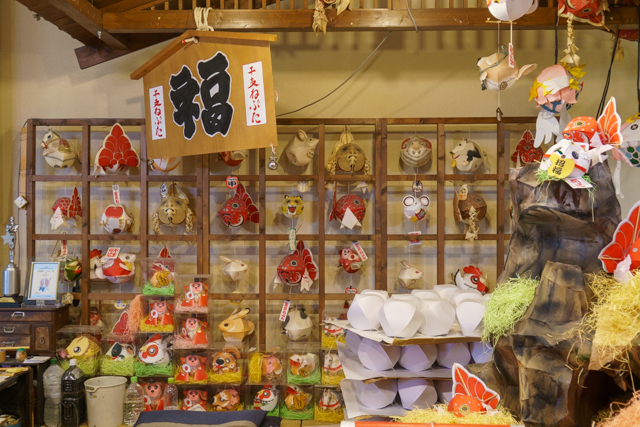
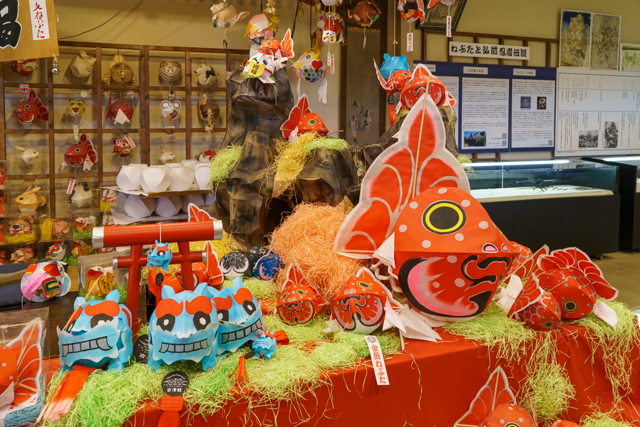
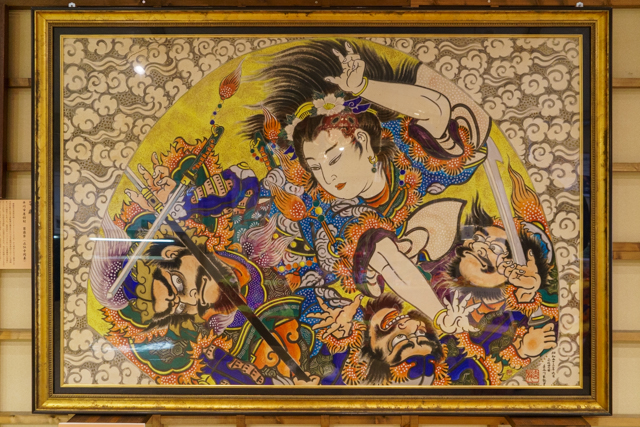
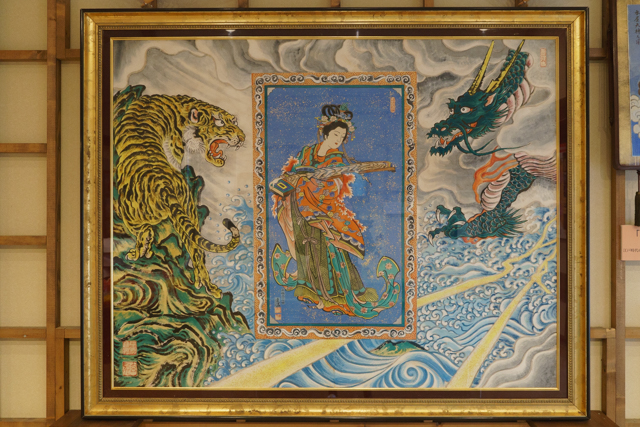
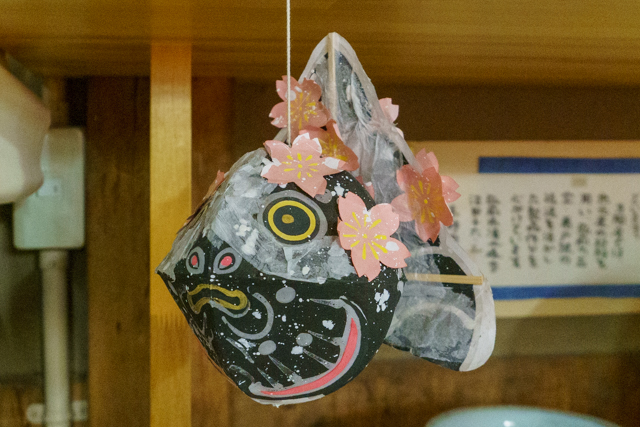
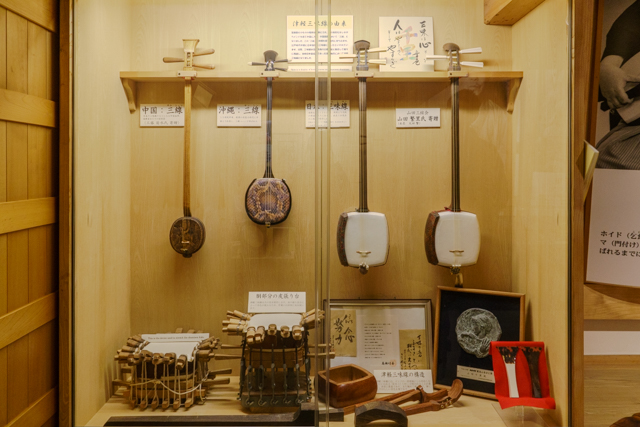
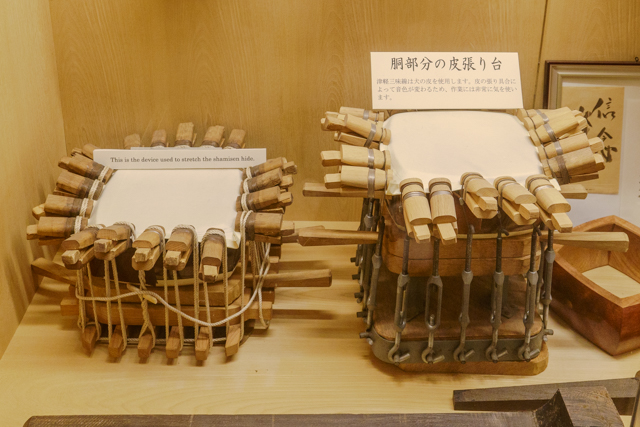
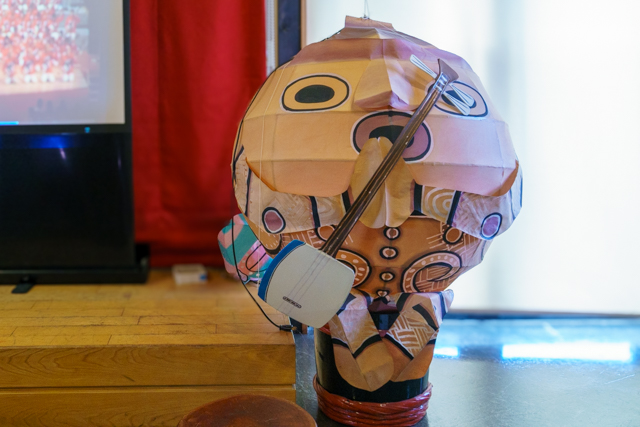
Tsugaru-han Neputa Mura is a tourist spot where visitors can experience a quasi-Hirosaki Neputa Festival. The fan-shaped Neputa actually used in the festival are exhibited for viewing.
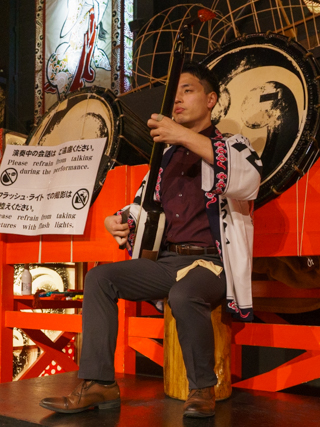
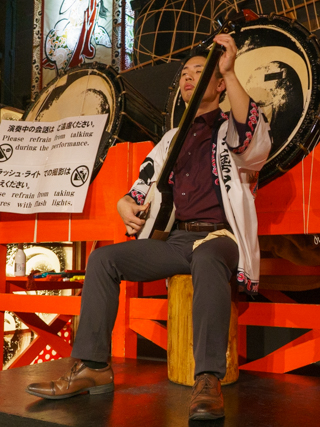
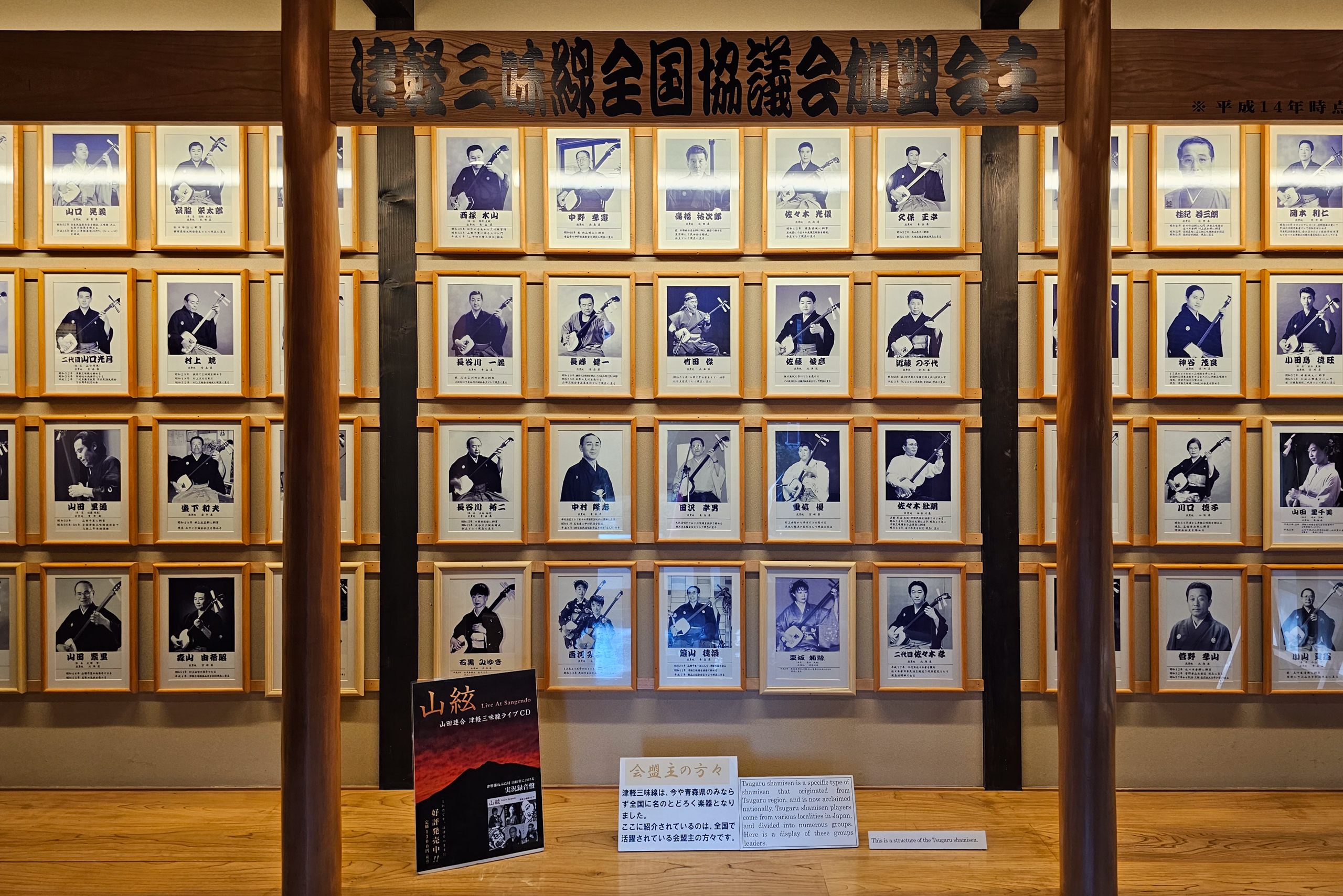
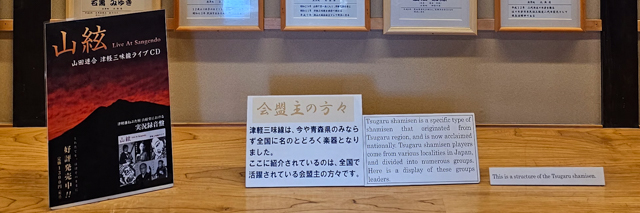
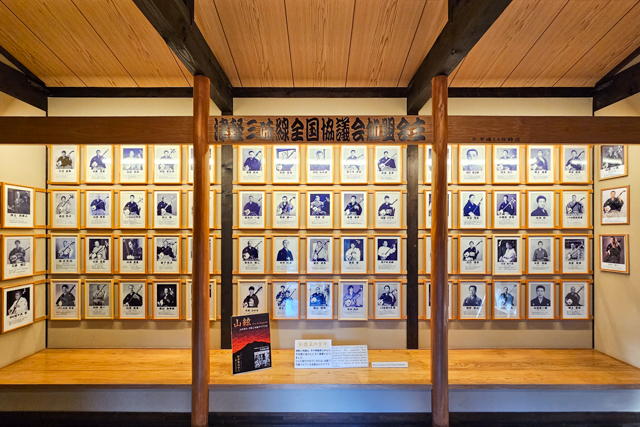
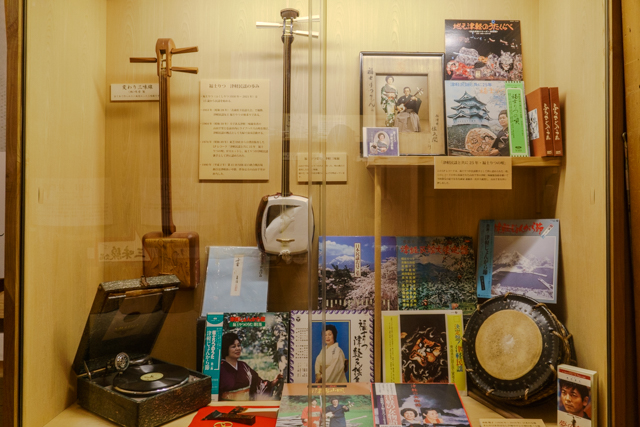
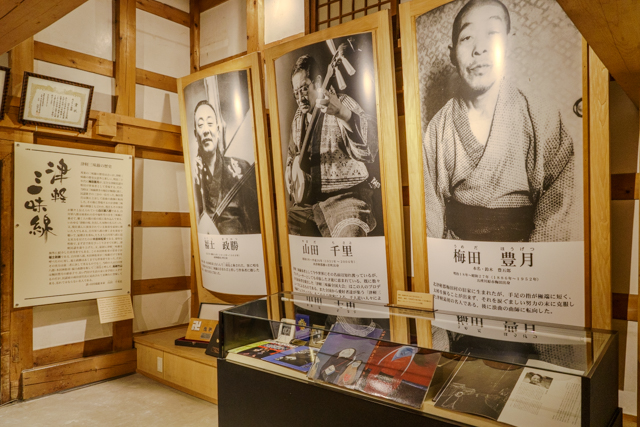
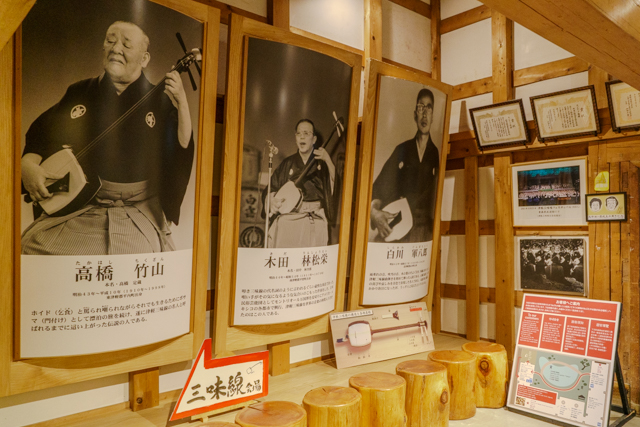
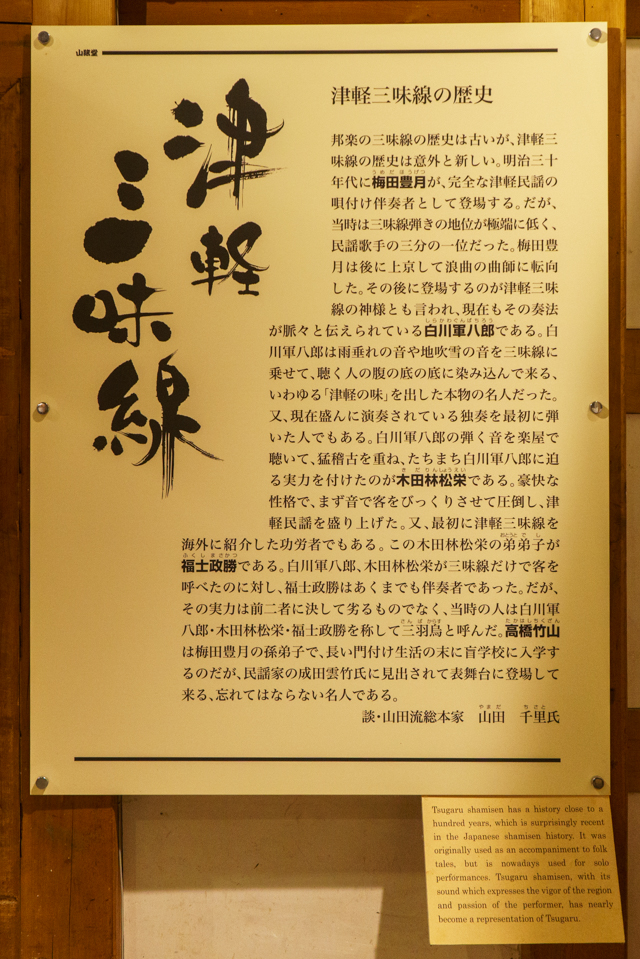
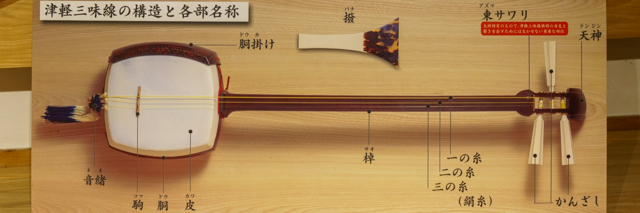
Visitors can also try the taiko (Japanese drums) along with the Neputa musicians themselves. Live Tsugaru-shamisen performance are also open for viewing.
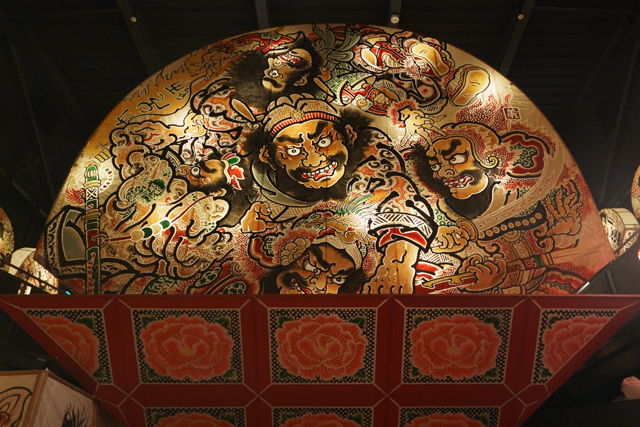
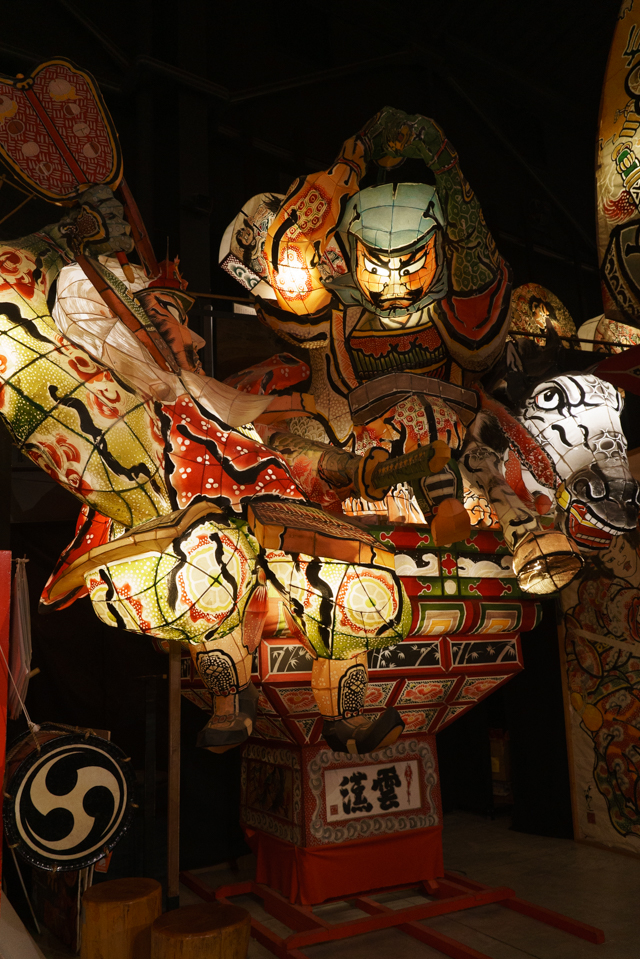
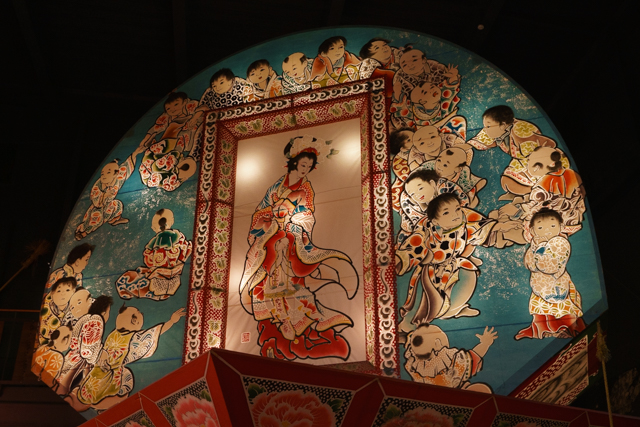
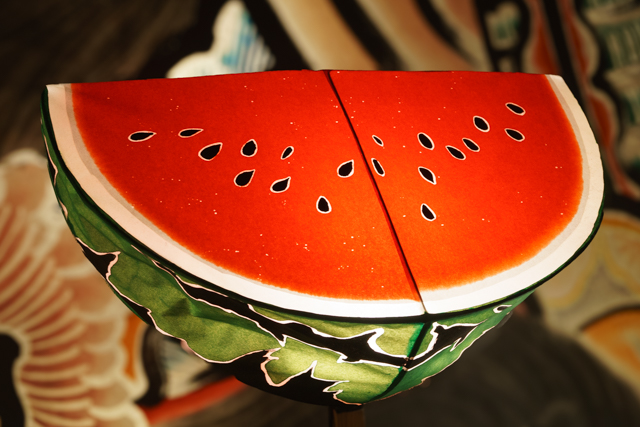
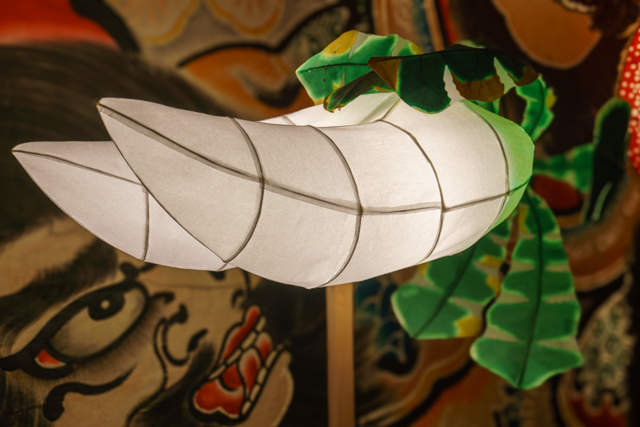
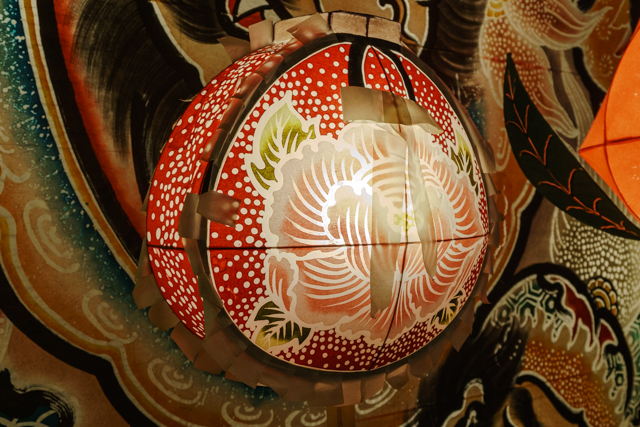
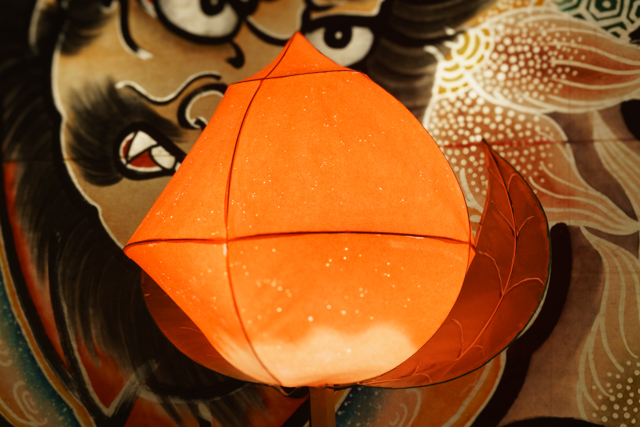
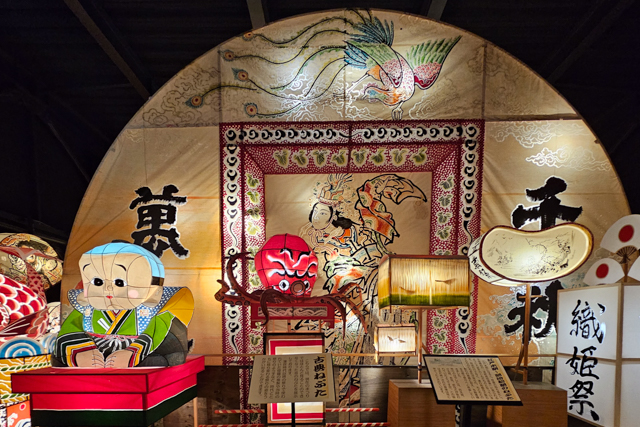
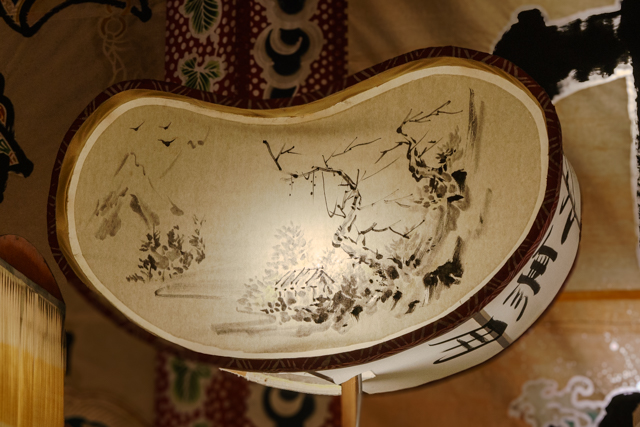
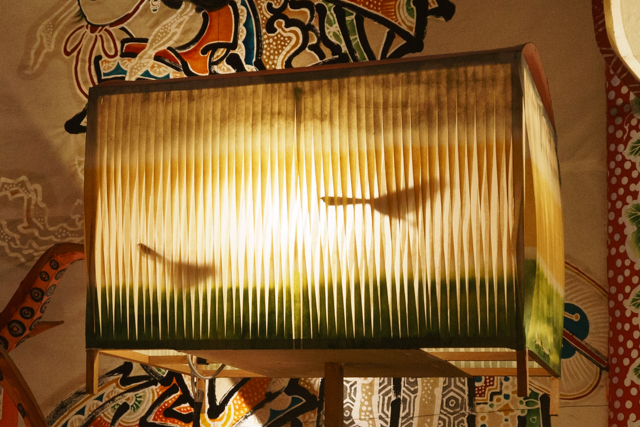
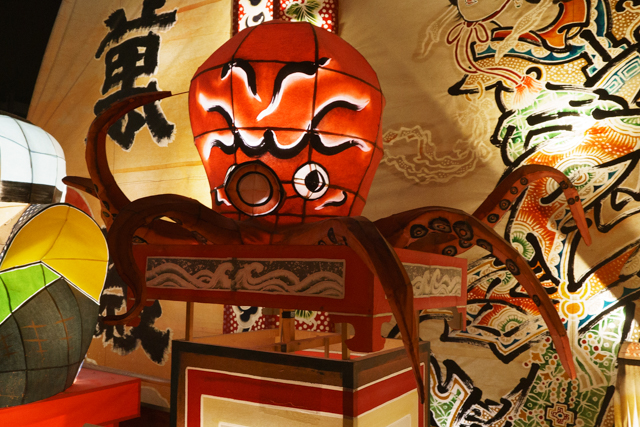
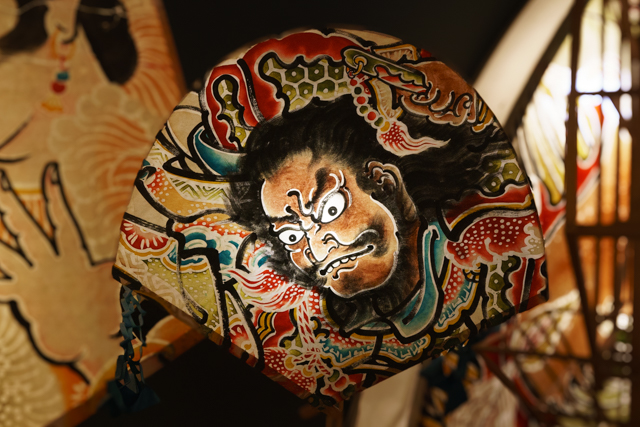
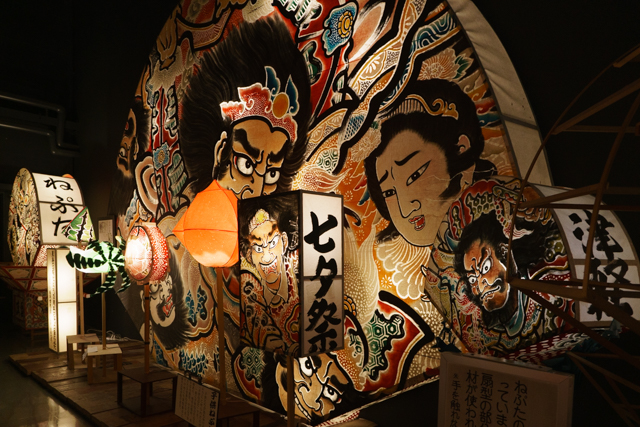
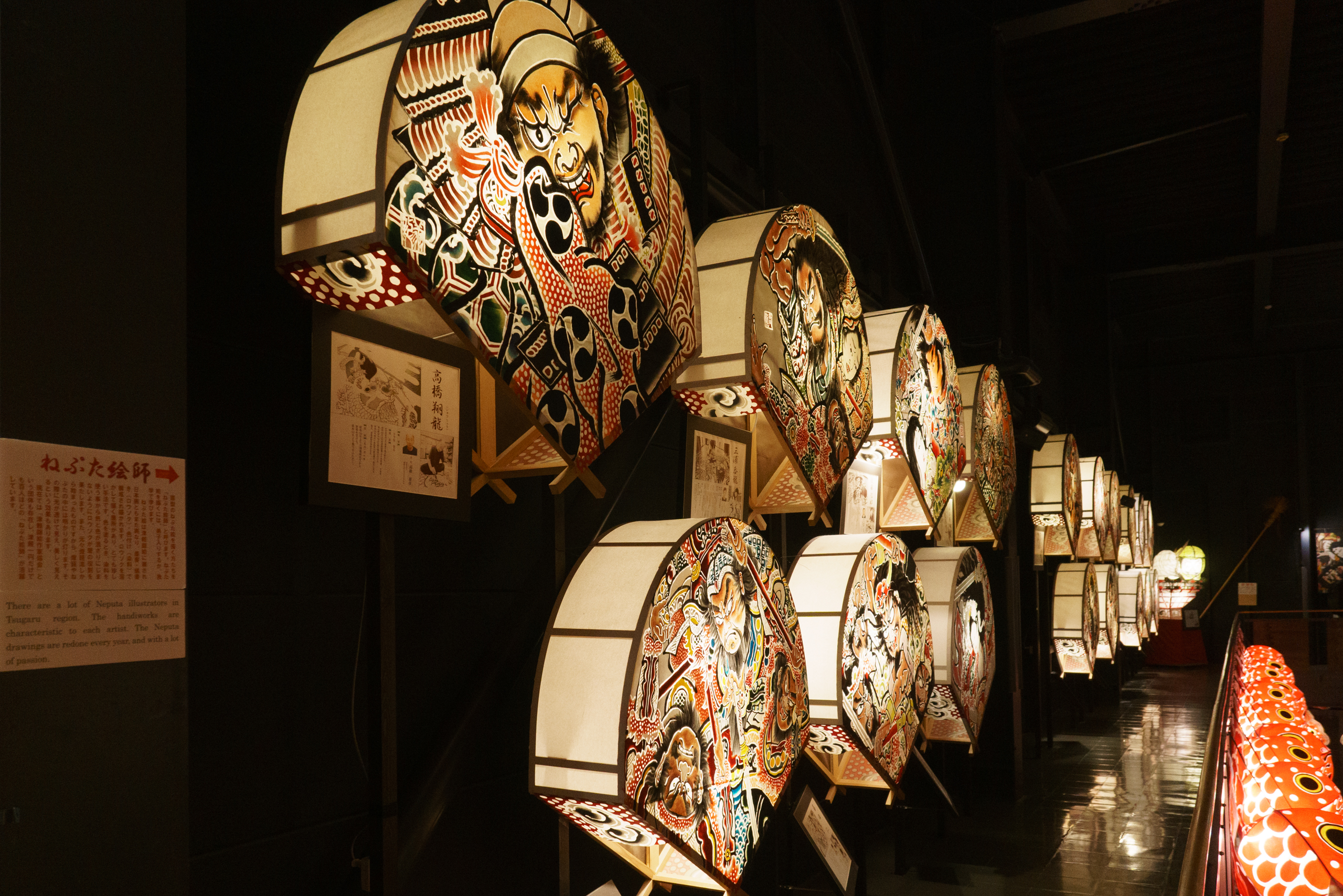
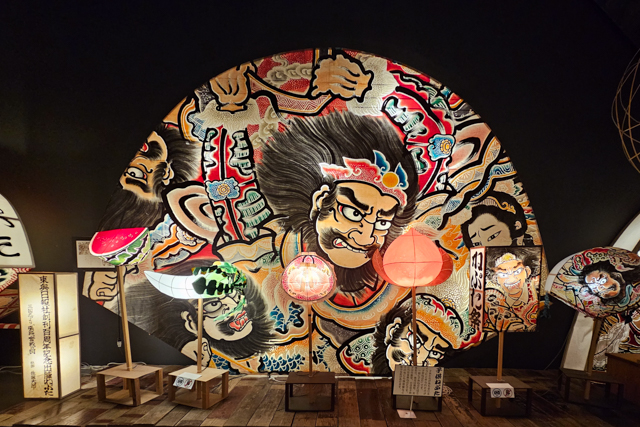
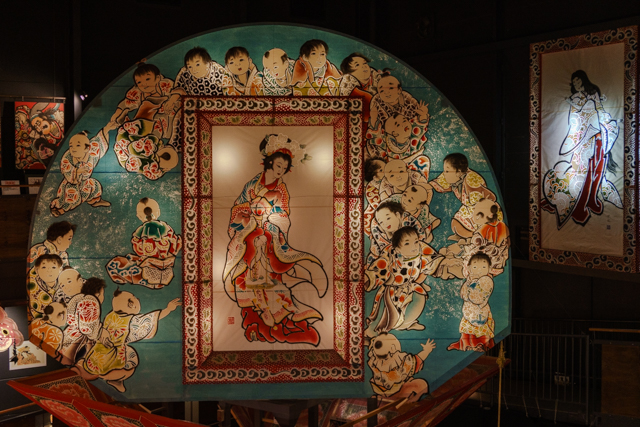
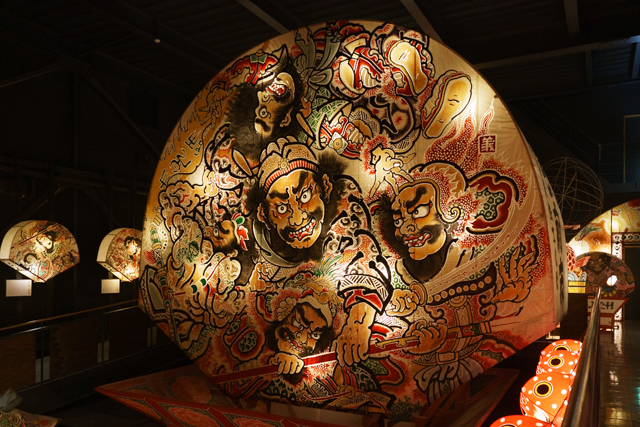
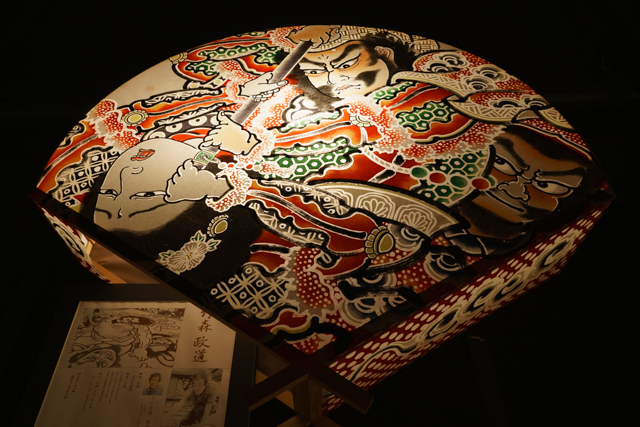
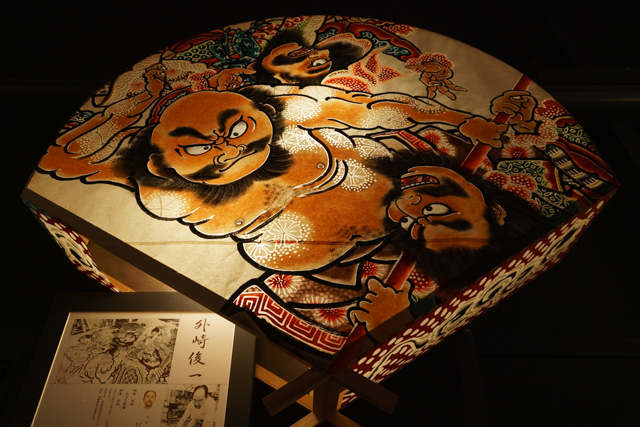
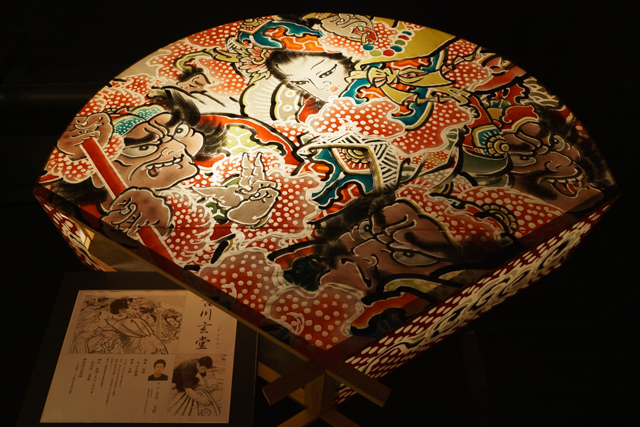
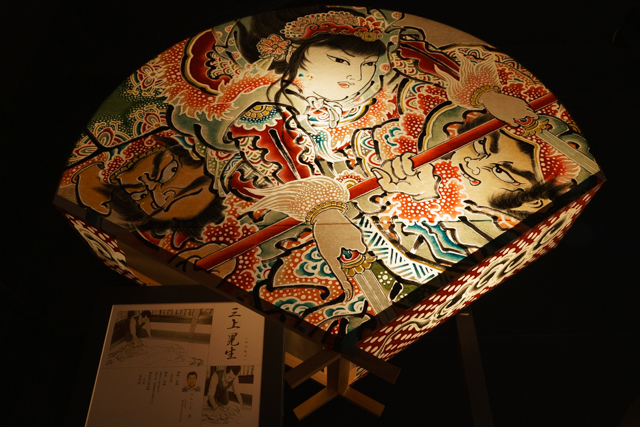
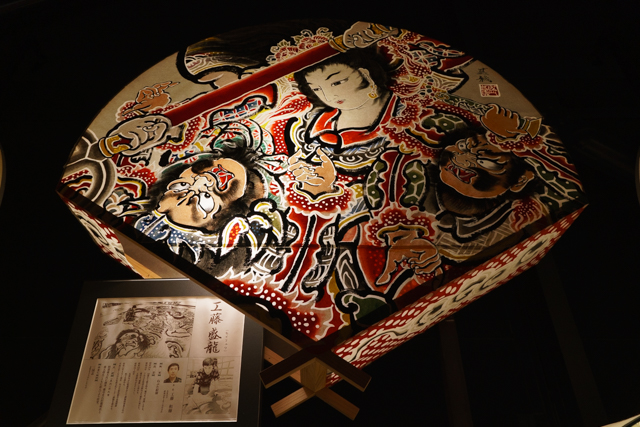
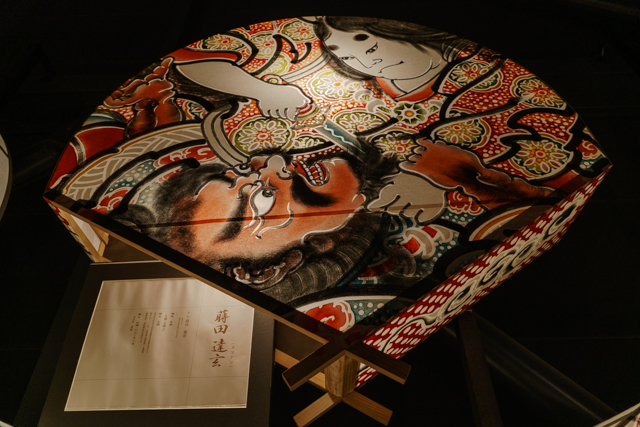
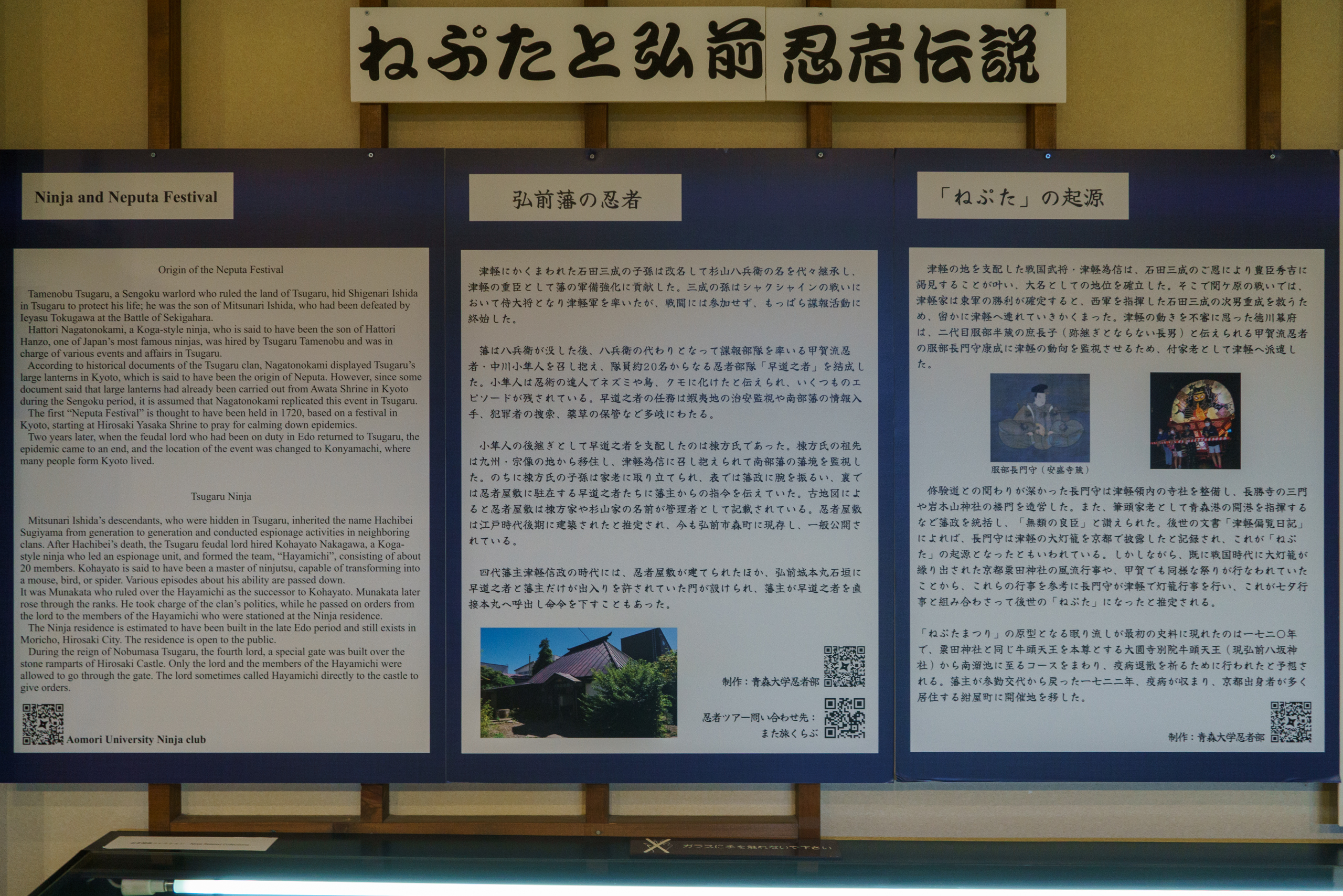
Origin of the Neputa Festival
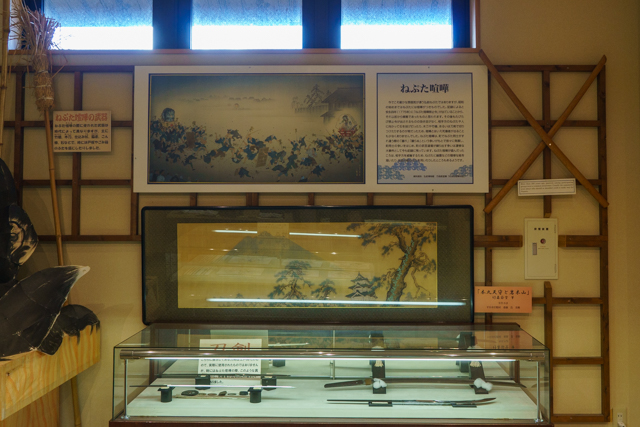
Tamenobu Tsugaru, a Sengoku warlord who ruled the land of Tsugaru, hid Shigenari Ishida in Tsugaru to protect his life; he was the son of Mitsunari Ishida, who had been defeated by Ieyasu Tokugawa at the Battle of Sekigahara.
Hattori Nagatonokami, a Koga-style ninja, who is said to have been the son of Hattori Hanzo, one of Japan’s most famous ninjas, was hired by Tsugaru Tamenobu and was in charge of various events and affairs in Tsugaru.
According to historical documents of the Tsugaru clan, Nagatonokami displayed Tsugaru’s large lanterns in Kyōto, which is said to have been the origin of Neputa. However, since some document said that large lanterns had already been carried out from Awata Shrine in Kyōto during the Sengoku period, it is assumed that Nagatonokami replicated this event in Tsugaru.
The first “Neputa Festival” is thought to have been held in 1720, based on a festival in Kyōto, starting at Hirosaki Yasaka Shrine to pray for calming down epidemics. Two years later, when the feudal lord who had been on duty in Edo returned to Tsugaru, the epidemic came to an end, and the location of the event was changed to Konyamachi, where many people form Kyōto lived.
Tsugaru Ninja
Mitsunari Ishida’s descendants, who were hidden in Tsugaru, inherited the name Hachibei Sugiyama from generation to generation and conducted espionage activities in neighboring clans. After Hachibei’s death, the Tsugaru feudal lord hired Kohayato Nakagawa, a Koga-style ninja who led an espionage unit, and formed the team, “Hayamichi”, consisting of about 20 members. Kohayato is said to have been a master of ninjutsu, capable of transforming into a mouse, bird, or spider. Various episodes about his ability are passed down. It was Munakata who ruled over the Hayamichi as the successor to Kohayato. Munakata later rose through the ranks. He took charge of the clan’s politics, while he passed on orders from the lord to the members of the Hayamichi who were stationed at the Ninja residence.
The Ninja residence is estimated to have been built in the late Edo period and still exists in Moricho, Hirosaki City. The residence is open to the public. During the reign of Nobumasa Tsugaru, the fourth lord, a special gate was built over the stone ramparts of Hirosaki Castle. Only the lord and the members of the Hayamichi were allowed to go through the gate. The lord sometimes called Hayamichi directly to the castle to give orders.
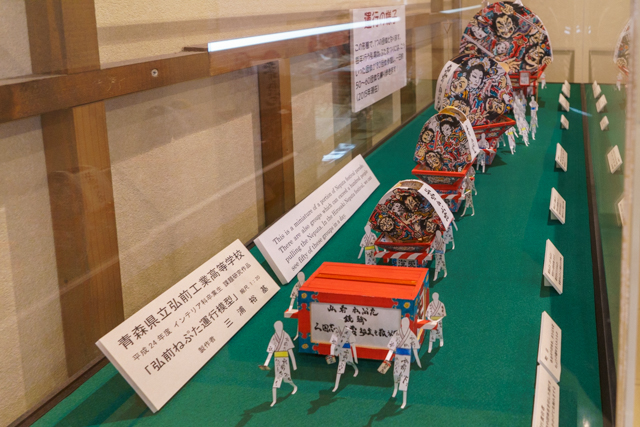
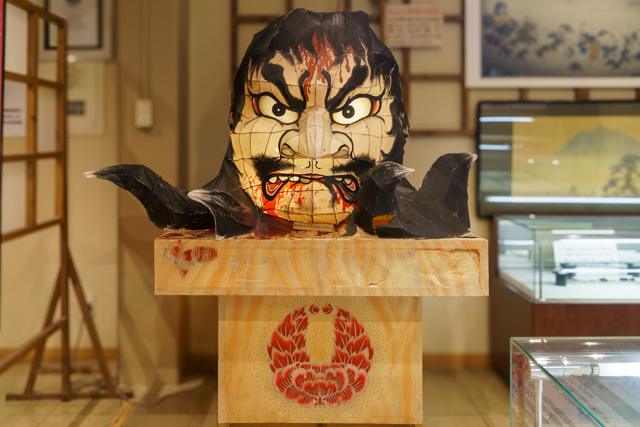
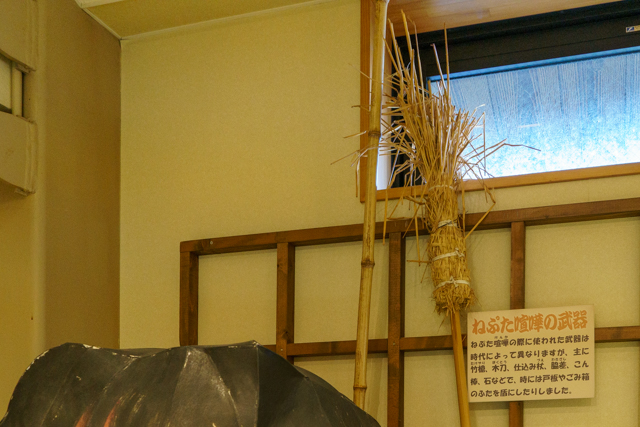
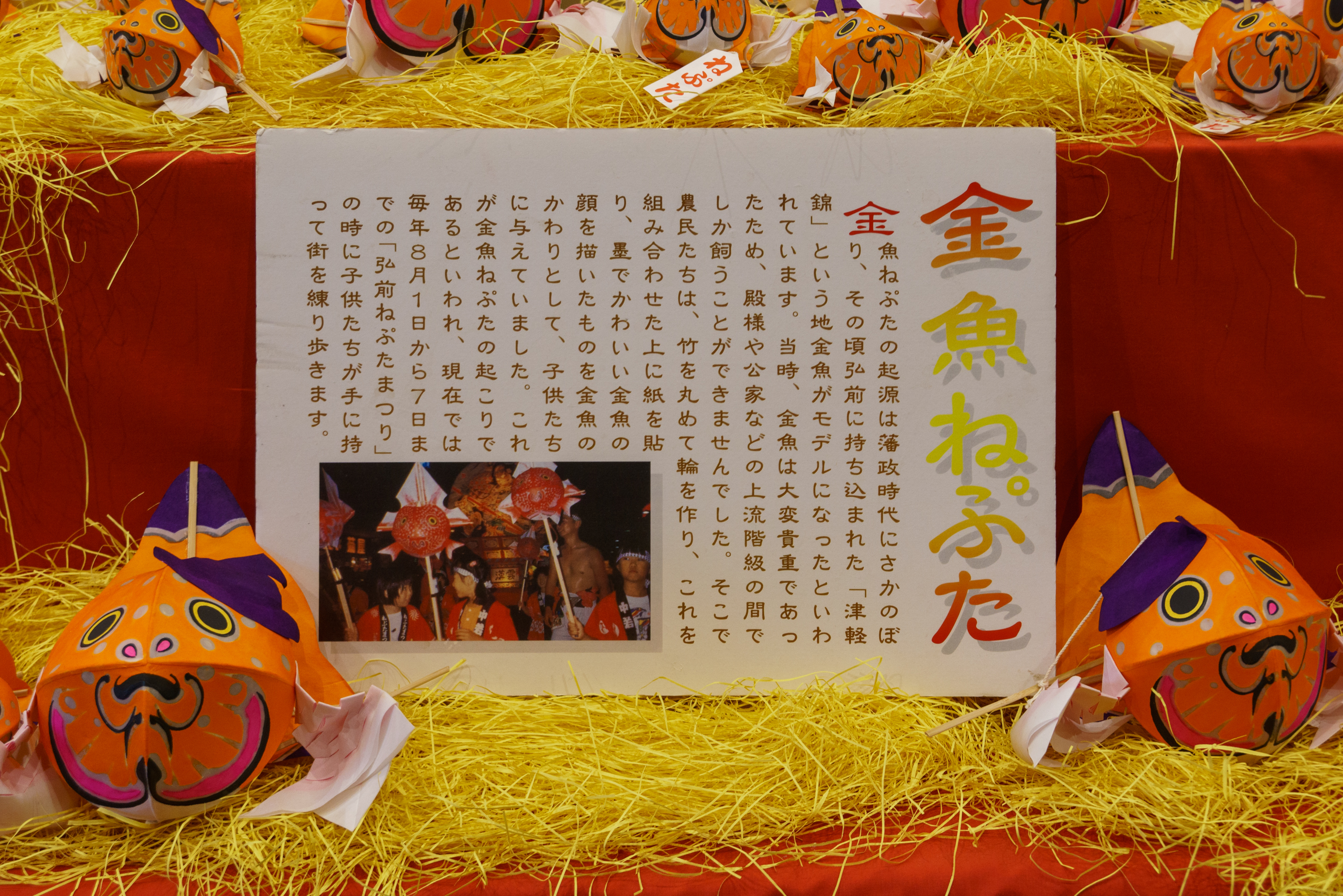
Because Neputa used to be lit by candles, there used to be a lot of fire incidents. The brush was then soaked in water and used for putting out the fire.
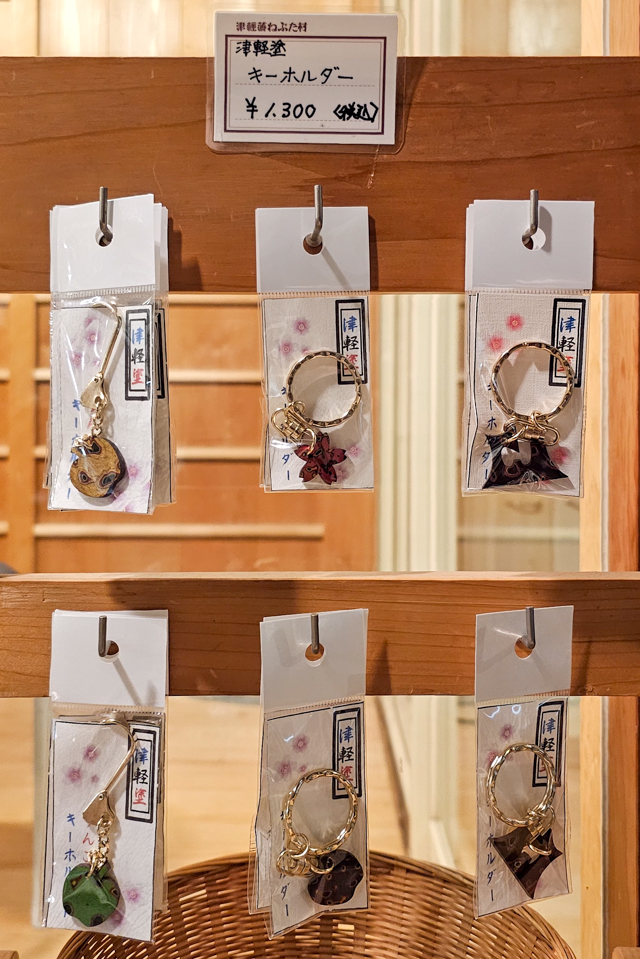
Tsugaru-nuri Lacquerware
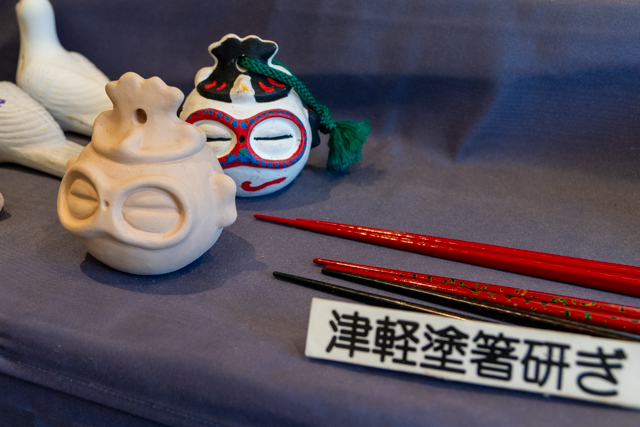
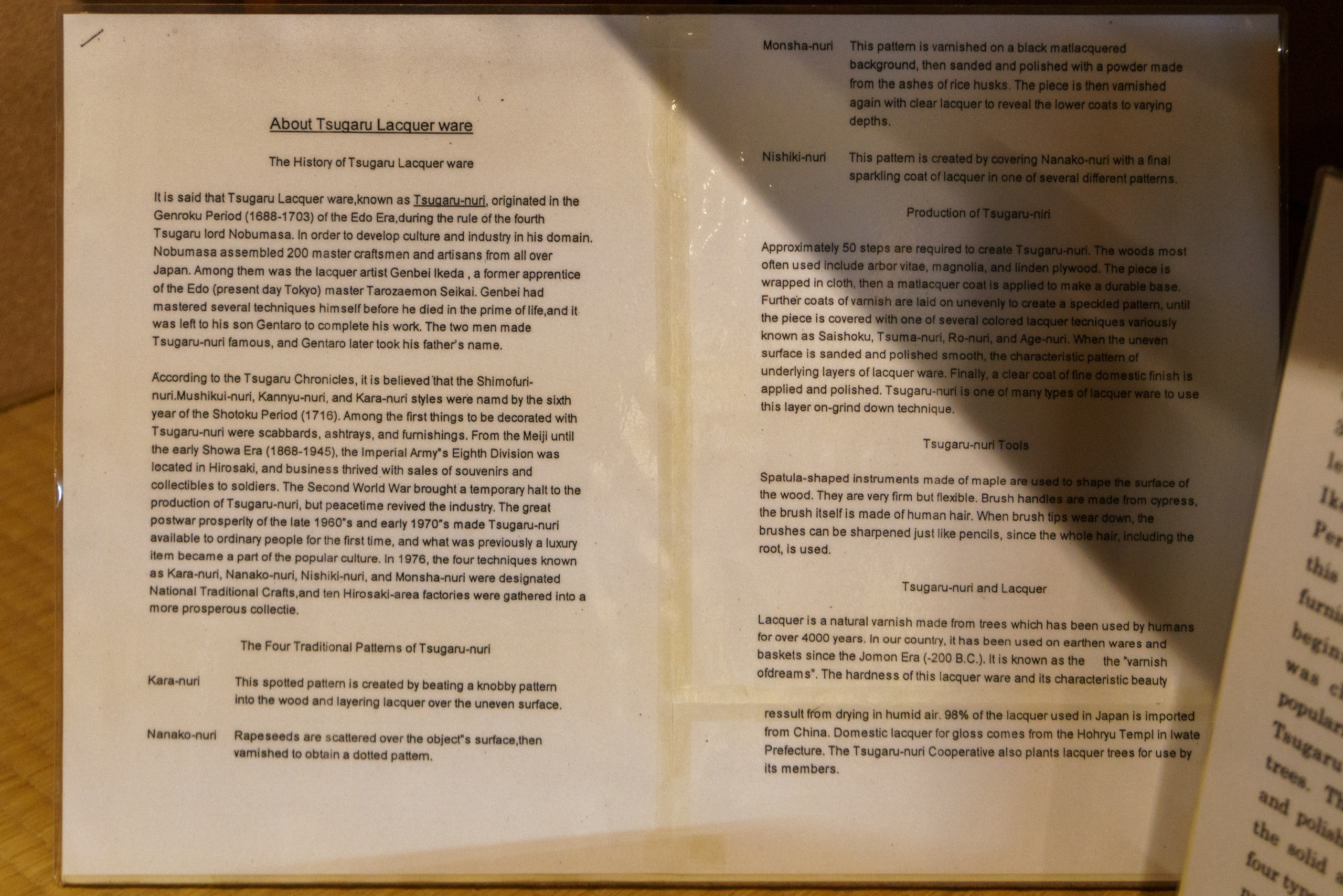
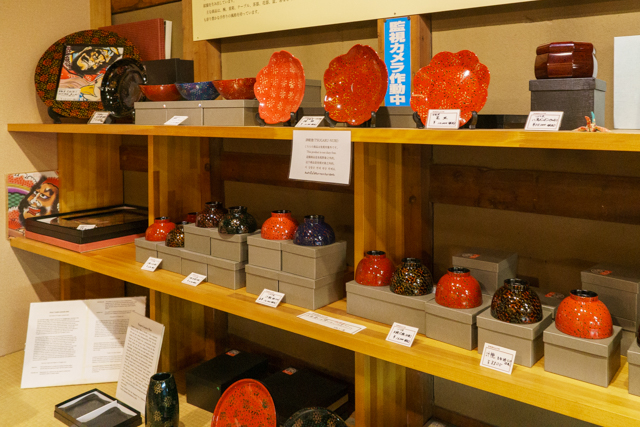
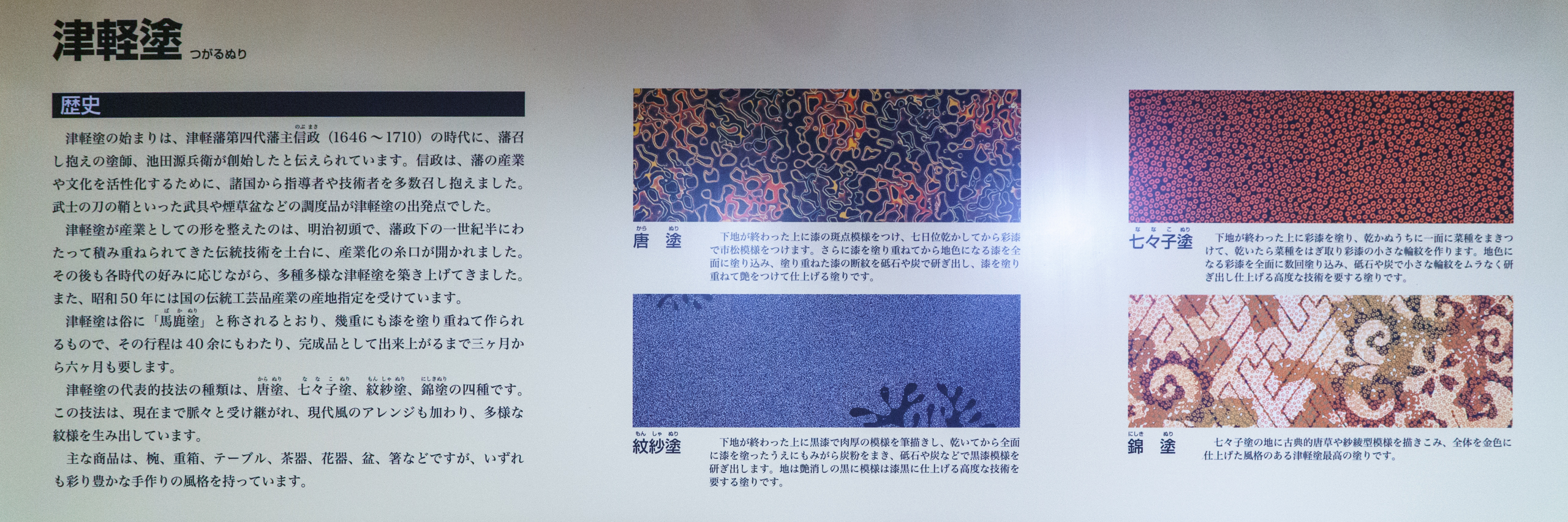
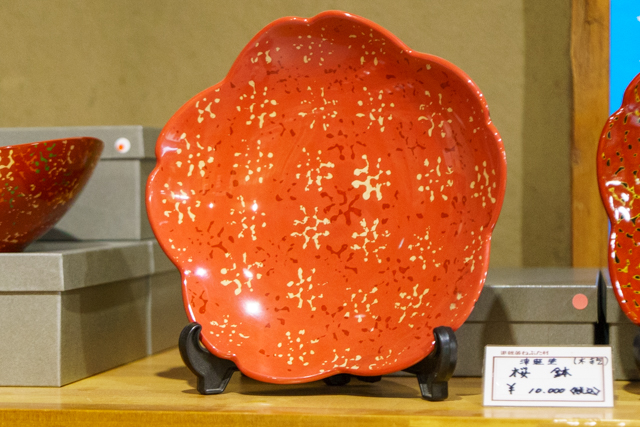
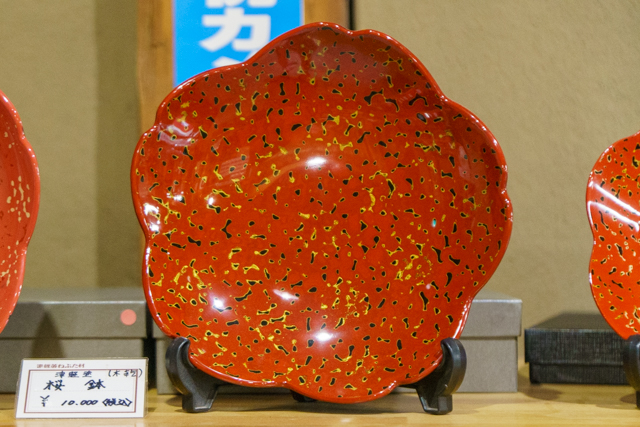
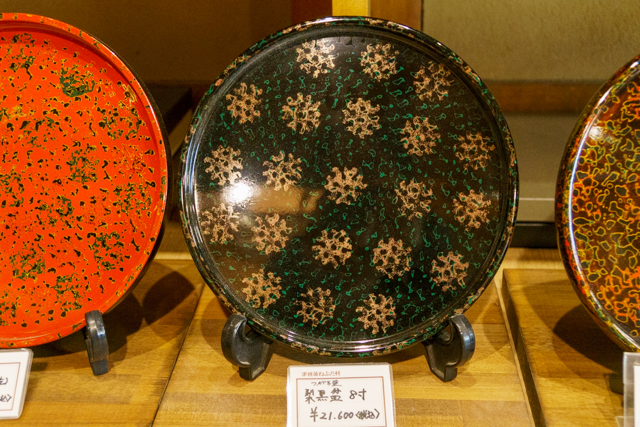
Originating in the Genroku period, Tsugaru-nuri is defined by layered lacquer techniques ground back to reveal complex patterns. Four principal styles—Kara-nuri, Nanako-nuri, Monsha-nuri, and Nishiki-nuri—were designated National Traditional Crafts in 1976. Production involves approximately fifty individual steps, using woods such as magnolia and arbor vitae, and natural lacquer cured in humid conditions.
- Kara-nuri – This spotted pattern is created by beating a knobby pattern into the wood and layering lacquer over the uneven surface.
- Nanako-nuri – Rapeseeds are scattered over the object”s surface,then vamished to obtain a dotted pattem.
- Monsha-nuri – This pattern is varnished on a black matlacquered background, then sanded and polished with a powder made from the ashes of rice husks. The piece is then varnished again with clear lacquer to reveal the lower coats to varying depths.
- Nishiki-nuri – This pattern is created by covering Nanako-nuri with a final sparkling coat of lacquer in one of several different patterns.
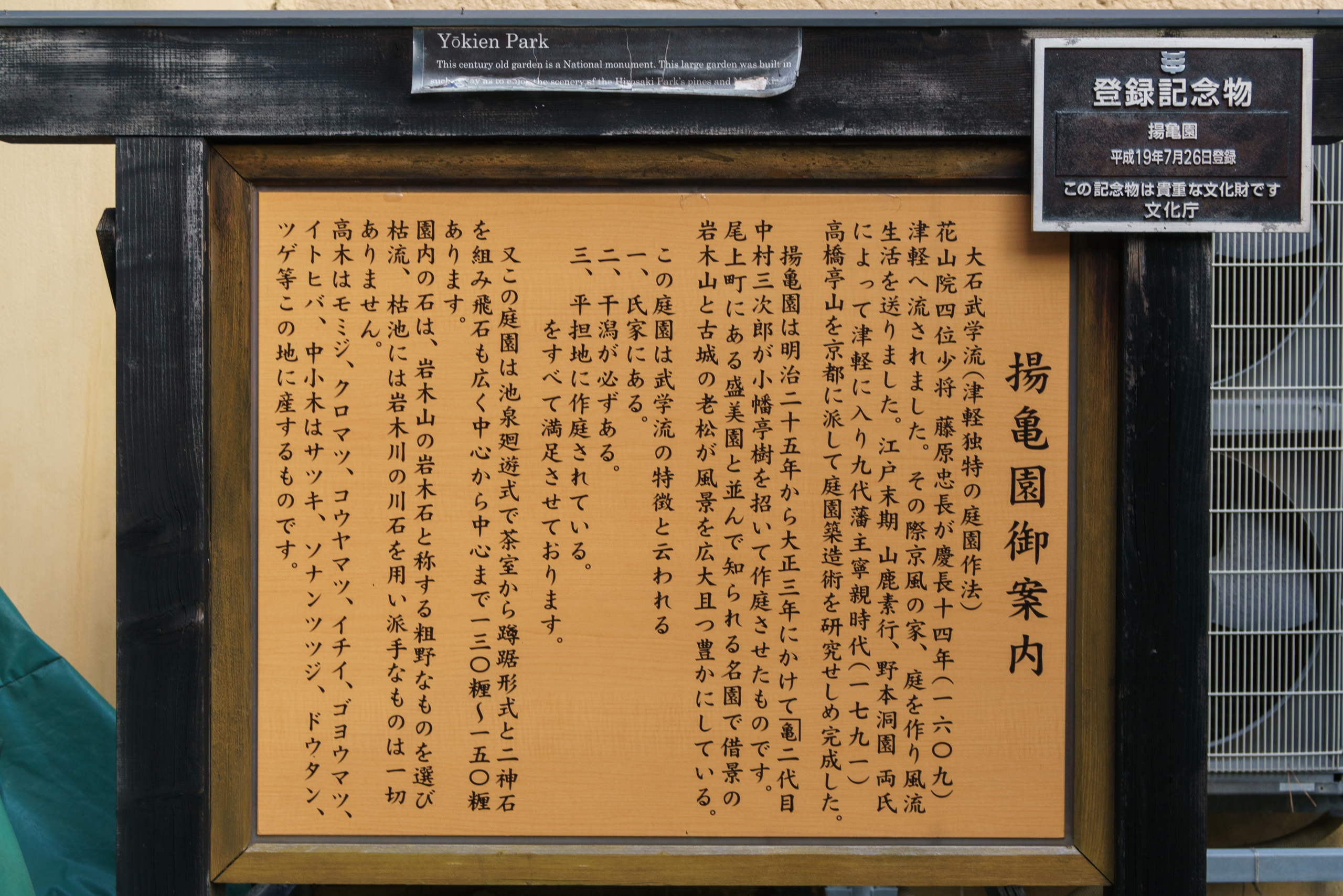
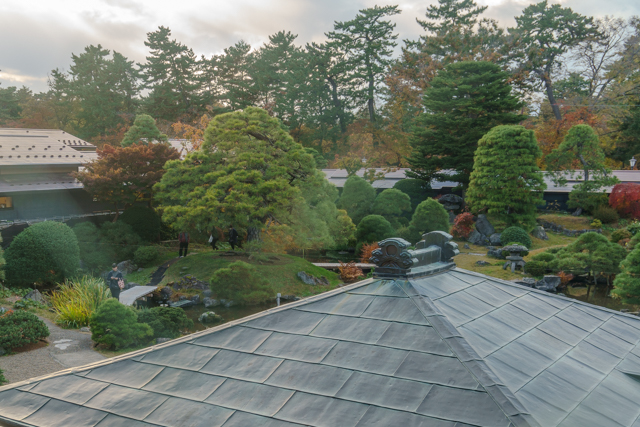
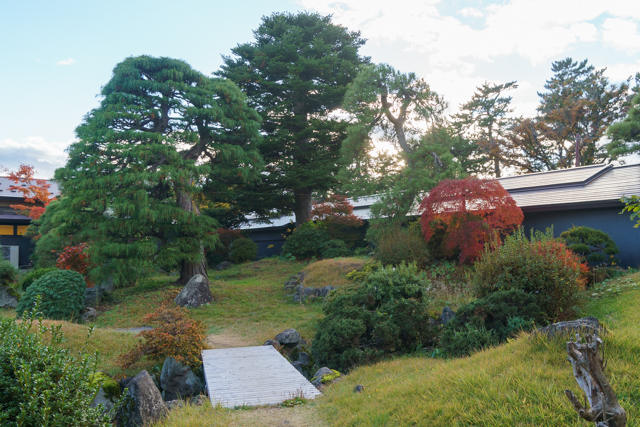
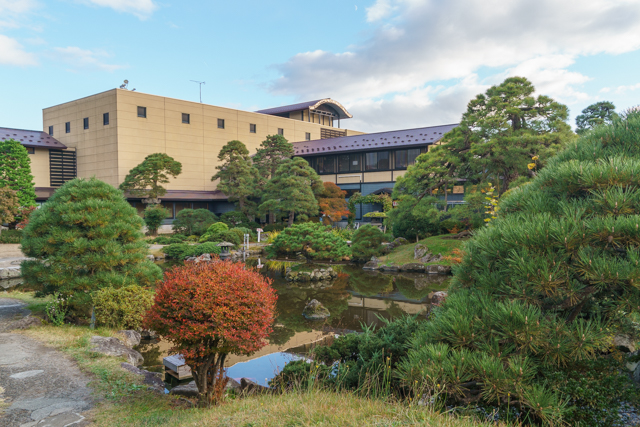
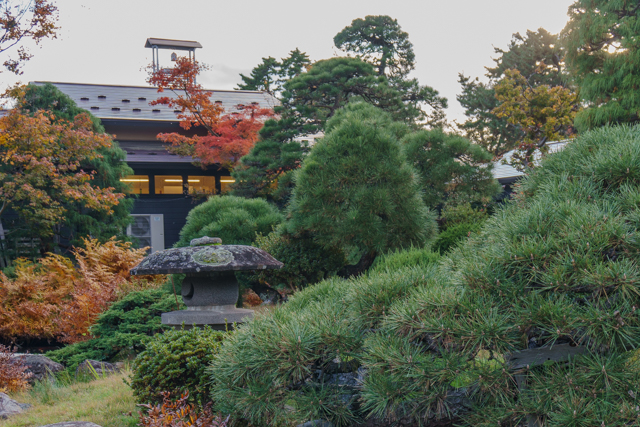
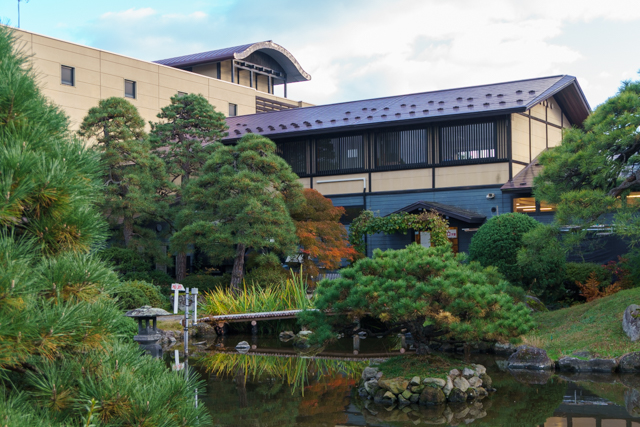
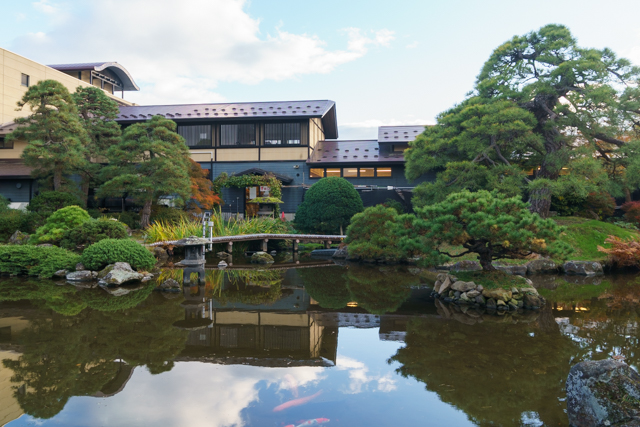
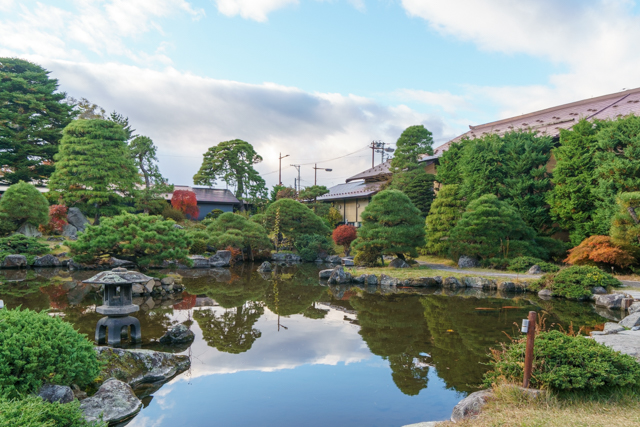
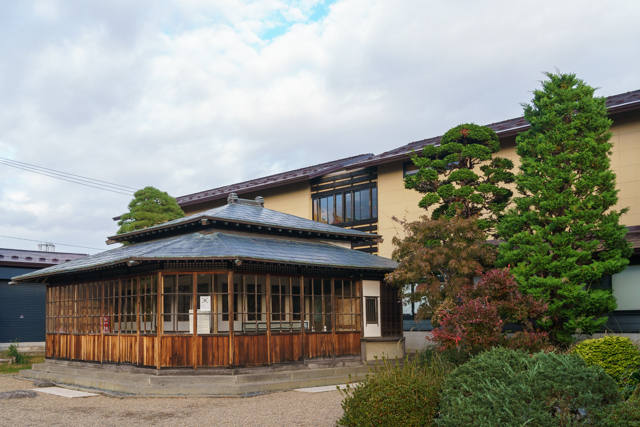
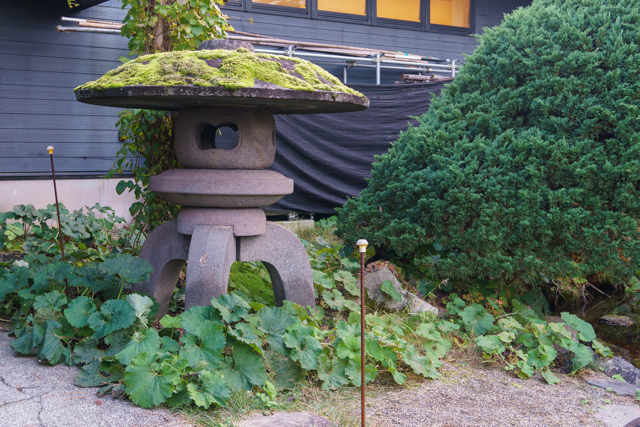
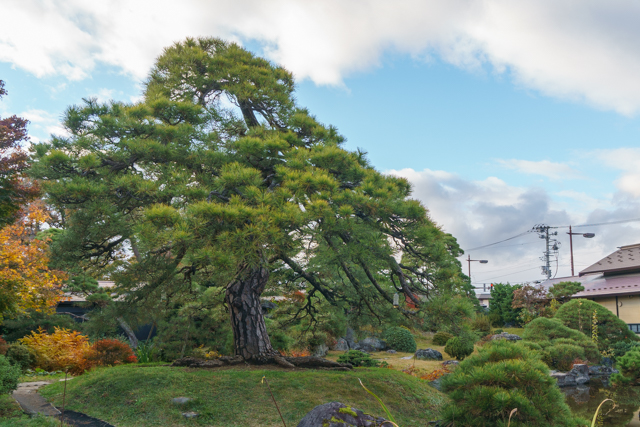
Yokien Park
揚亀園, Inside Tachi Neputa Mura, Kamenokomachi, Hirosaki City, 〒036-8332 Aomori, Japan
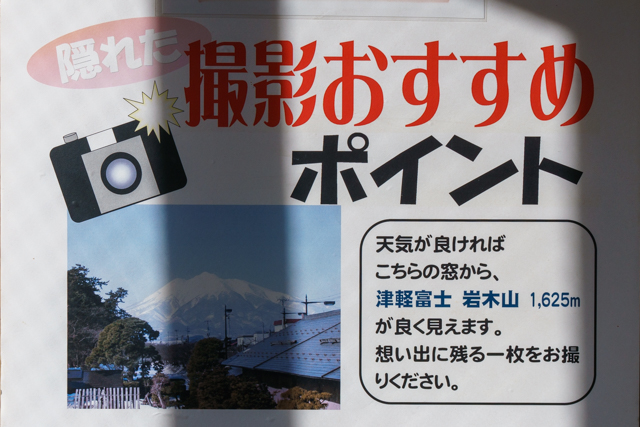
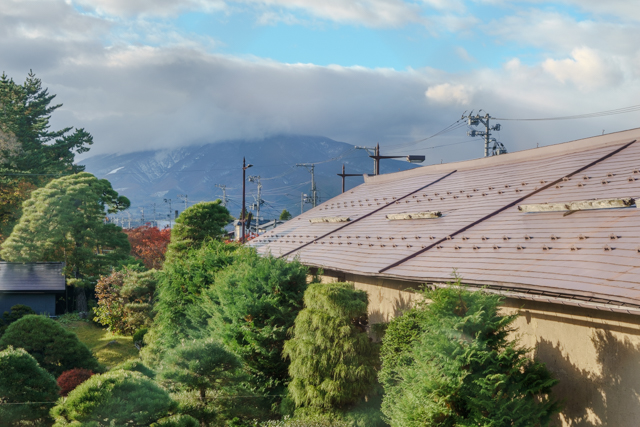
Gift Shop
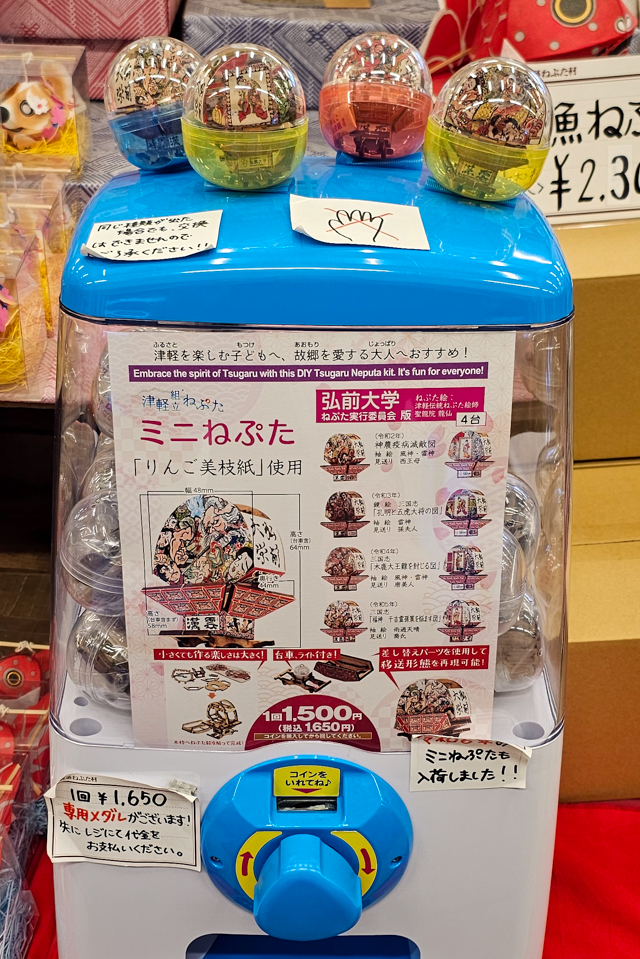
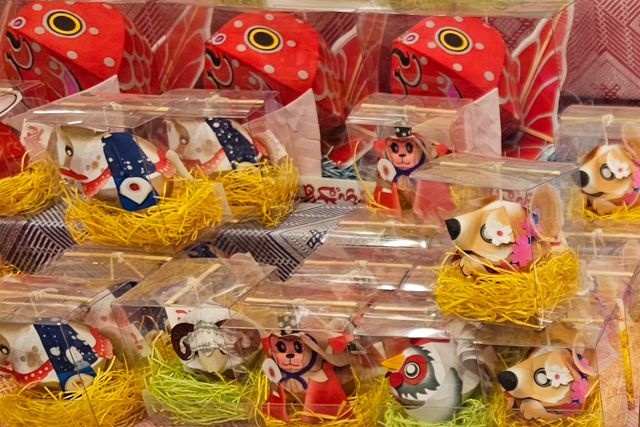
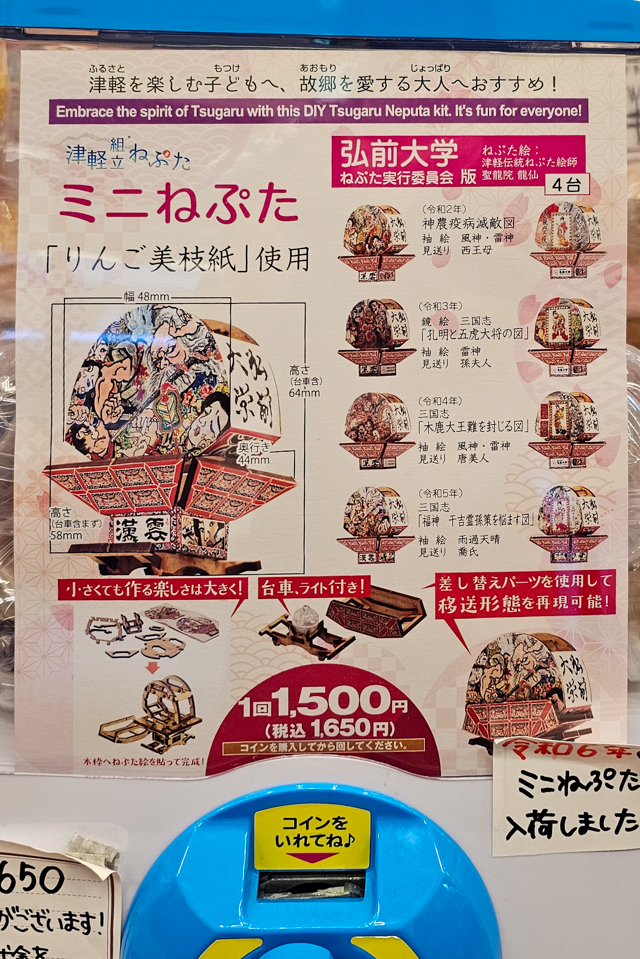
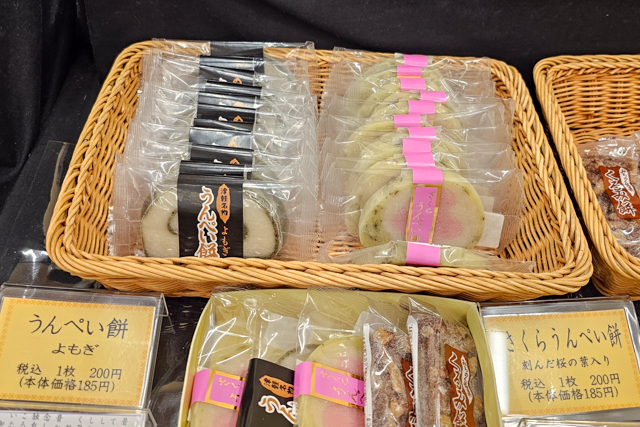
Review: Okashi no Hiroya Unpei Mochi Sakura Review: Okashi no Hiroya Unpei Mochi Yomogi
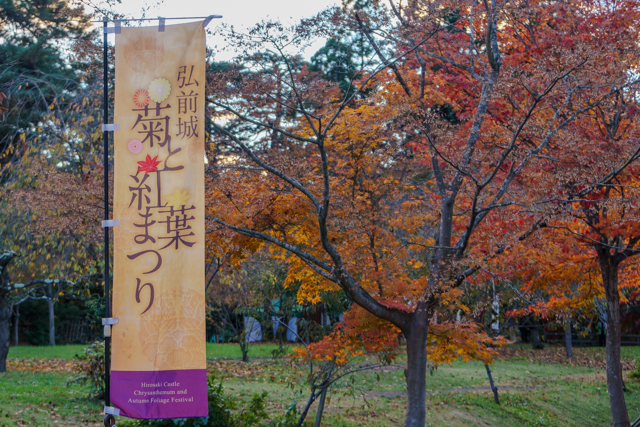
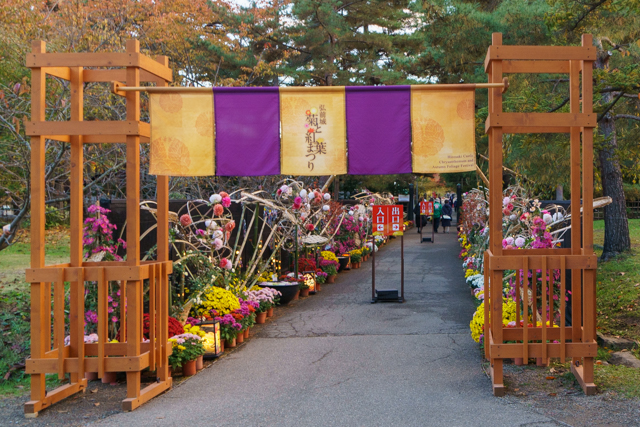
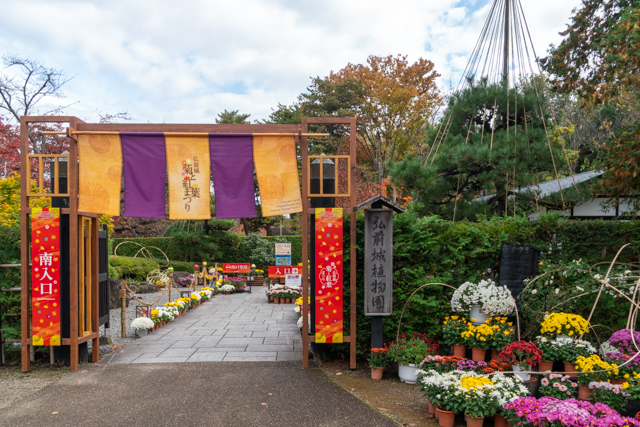
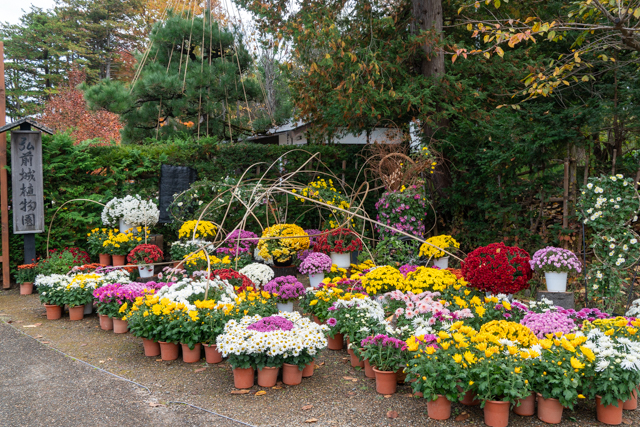
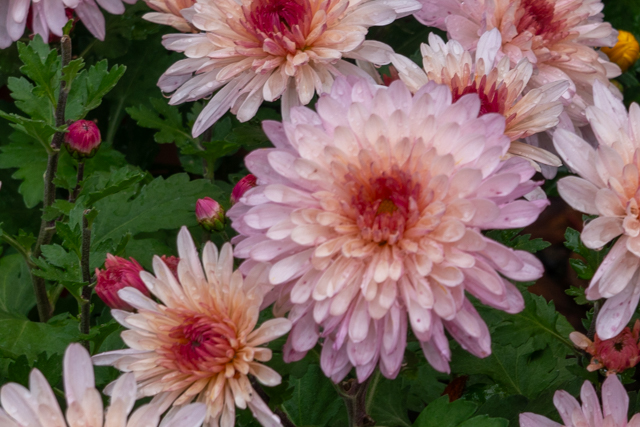
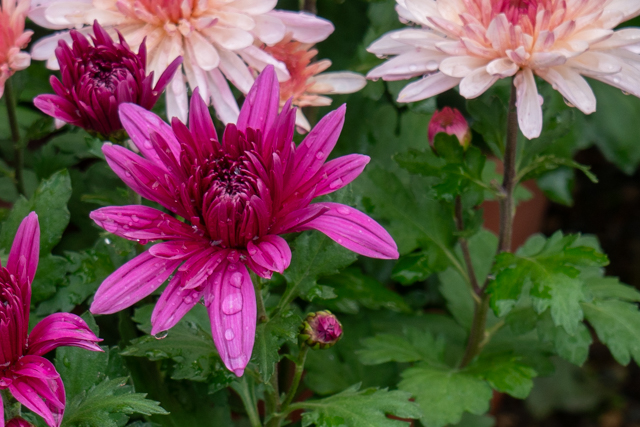
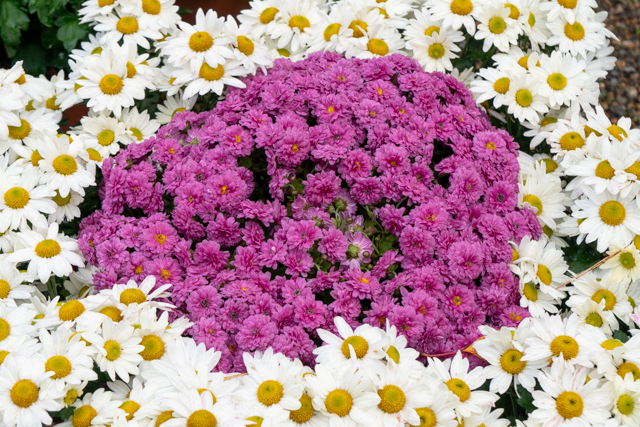
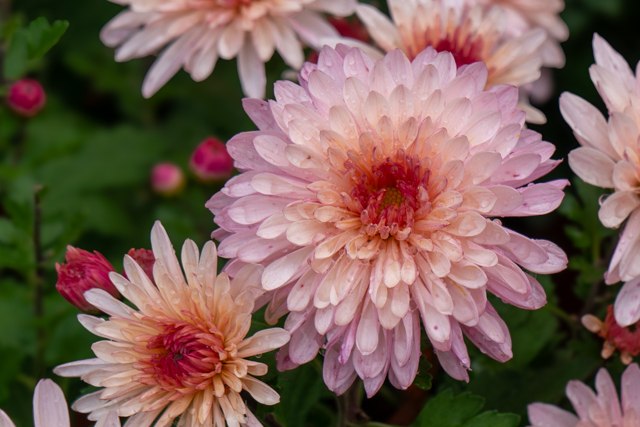
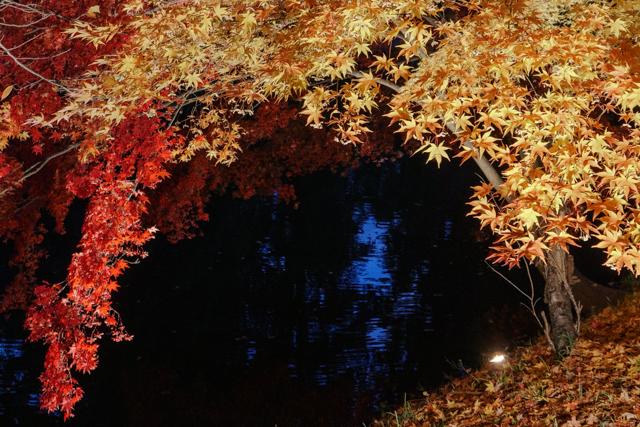
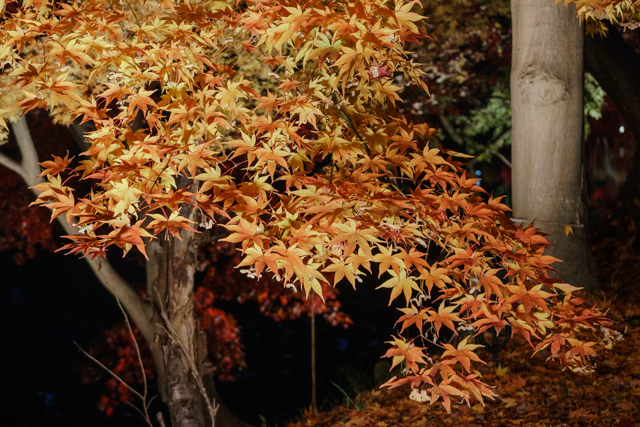
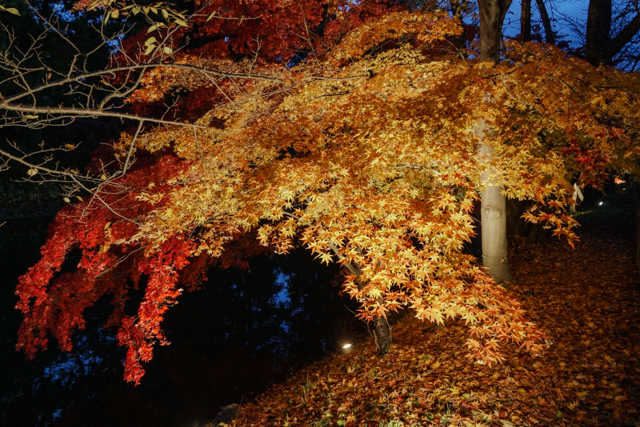
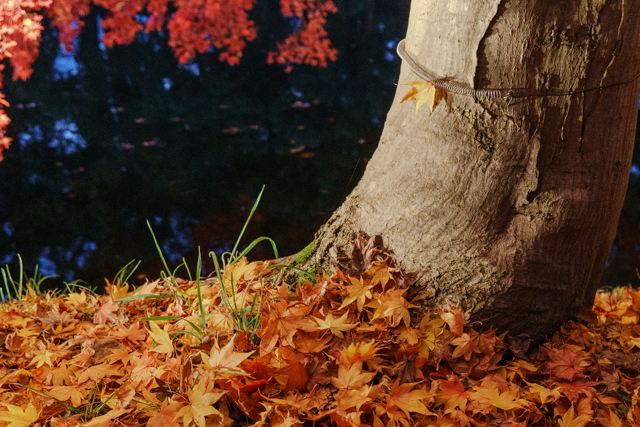
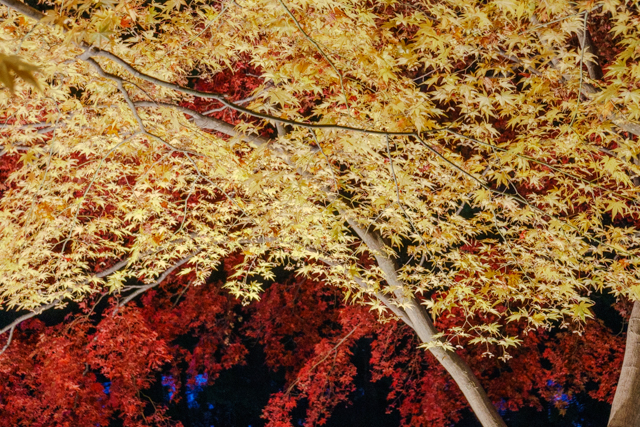
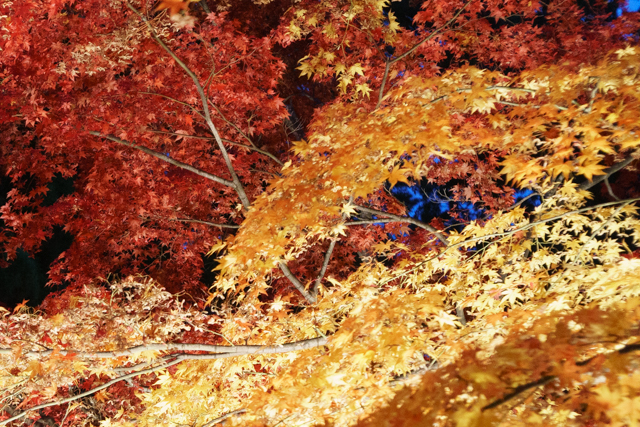
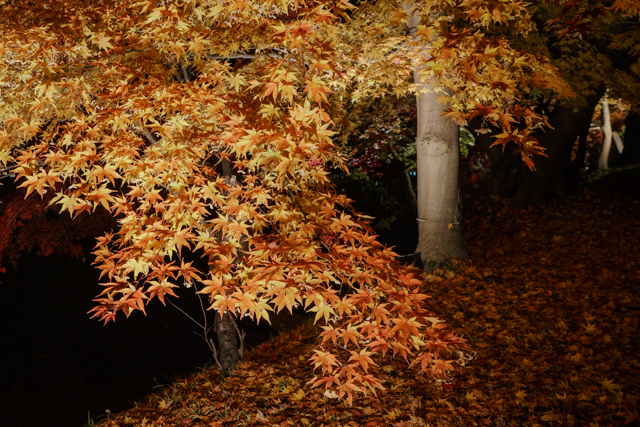
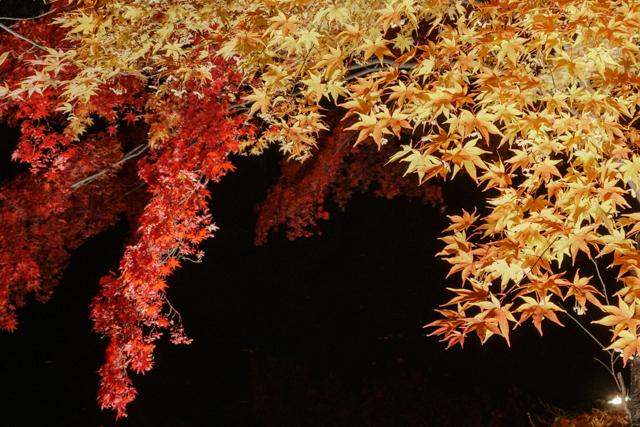
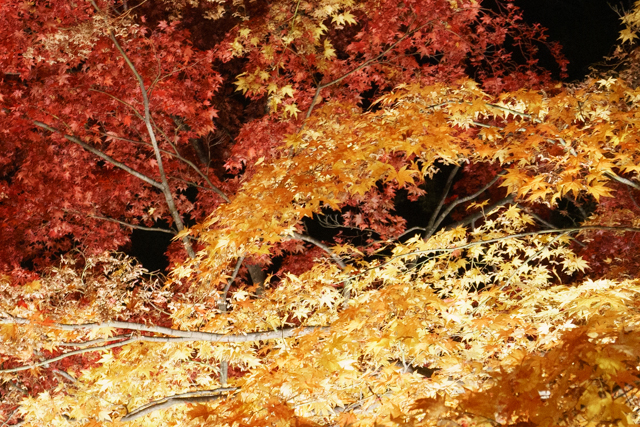
Hirosaki Castle Chrysanthemum and Autumn Foliage Festival
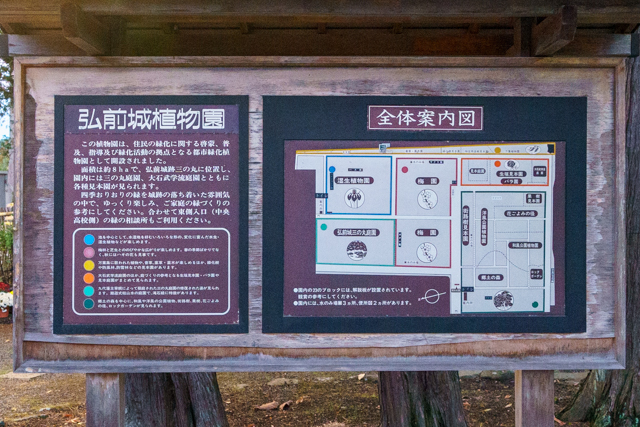
弘前城植物園, Inside Hirosaki Park, 1-1 Shimoshiroganecho, Hirosaki City, Aomori 036-8356, Japan
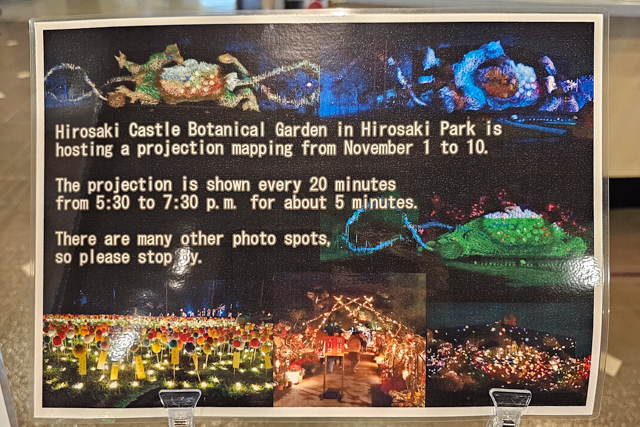
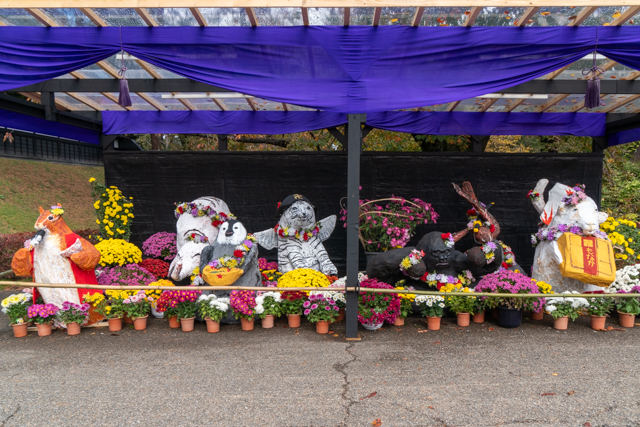
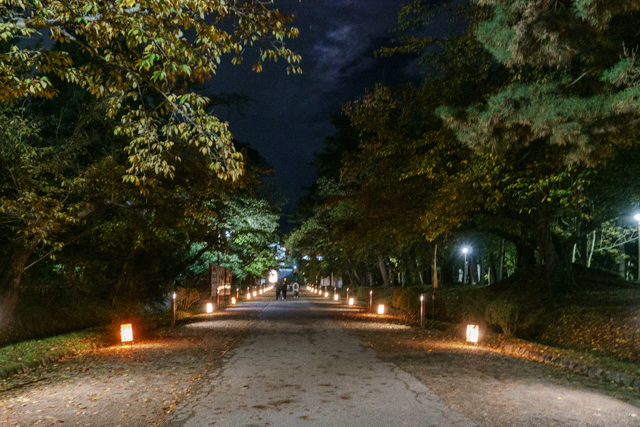
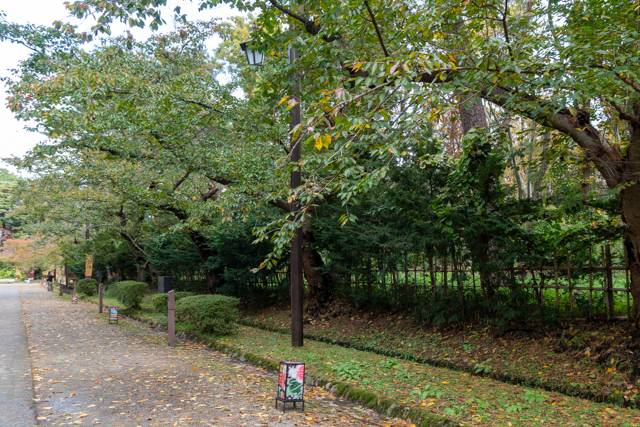
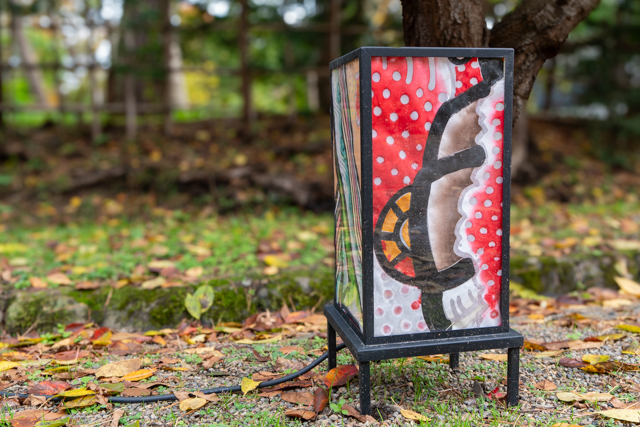
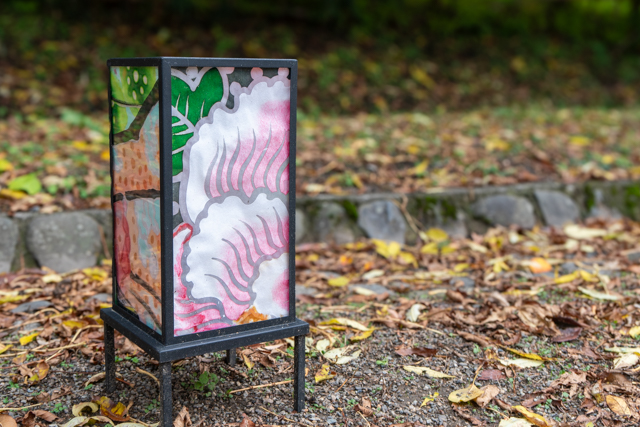
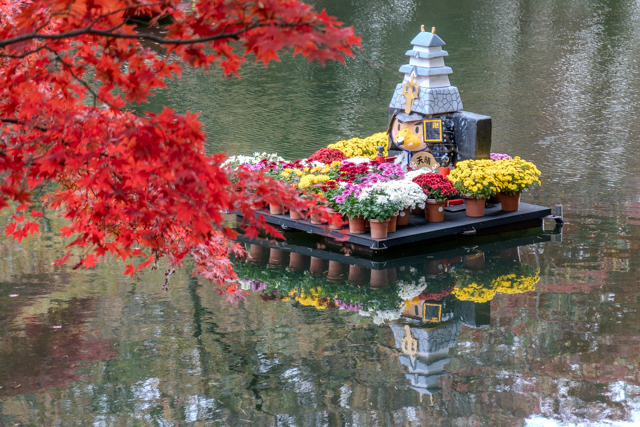
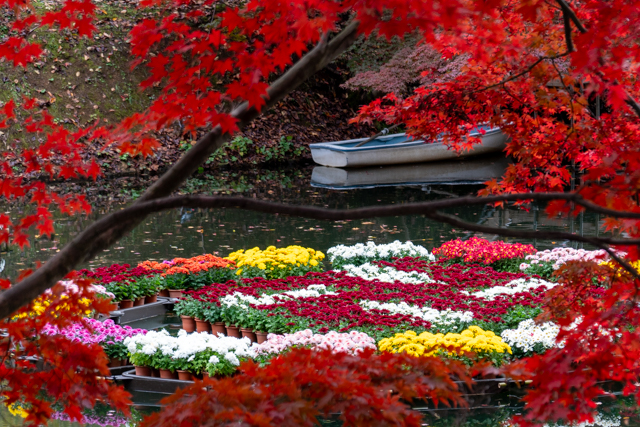
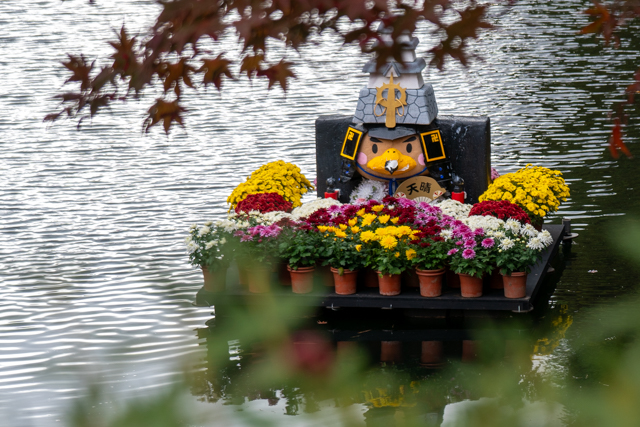
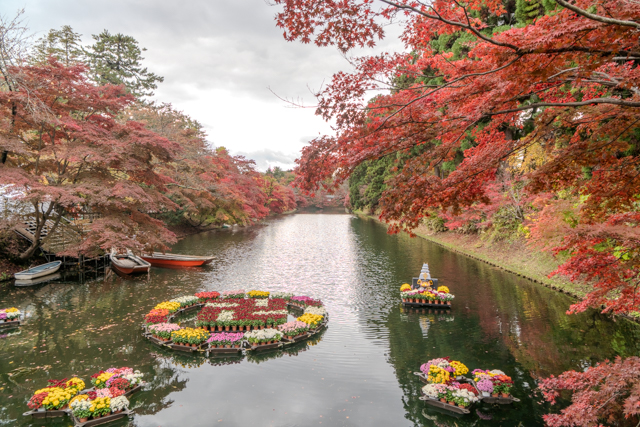
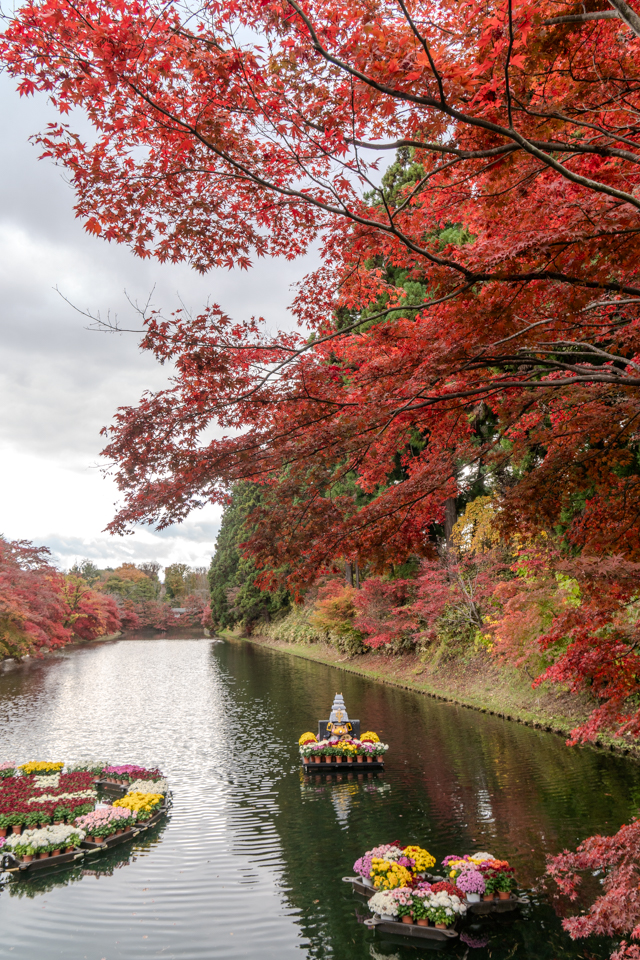
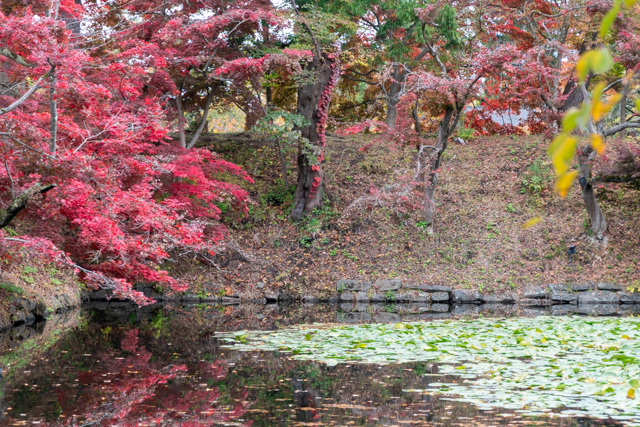
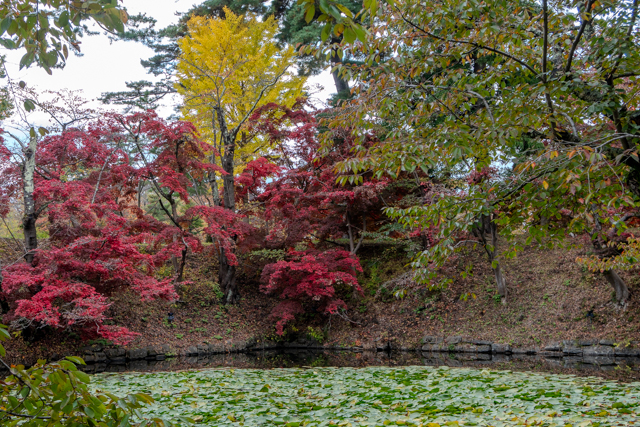
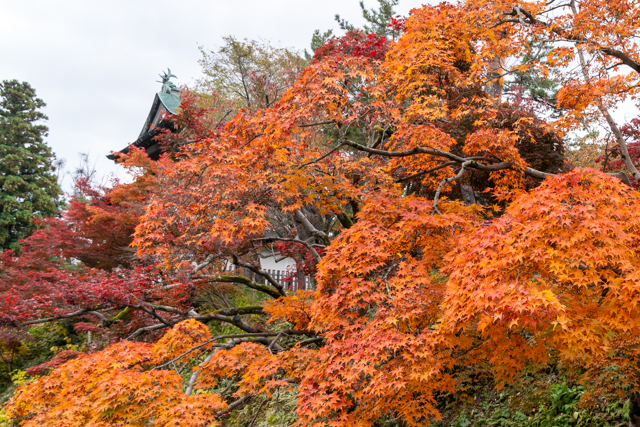
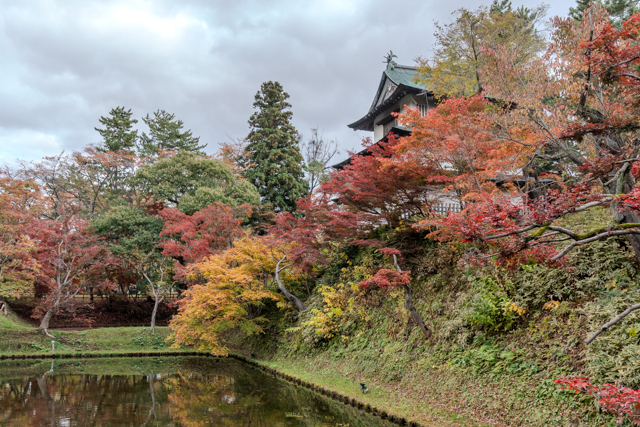
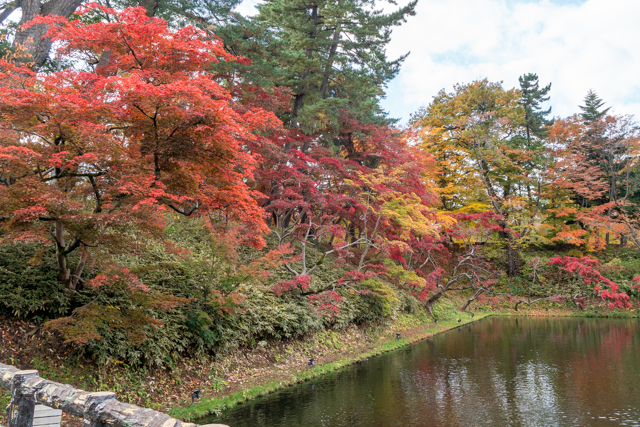
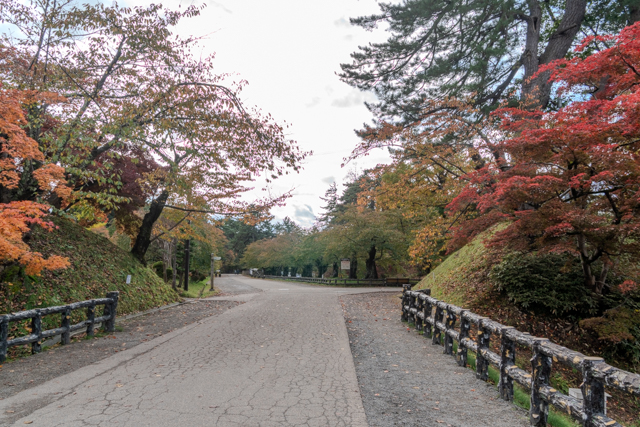
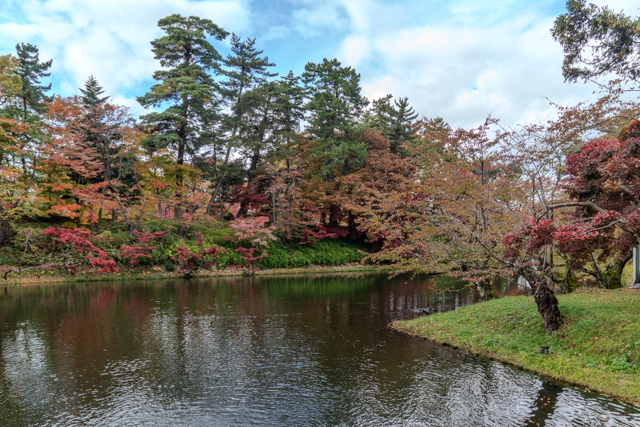
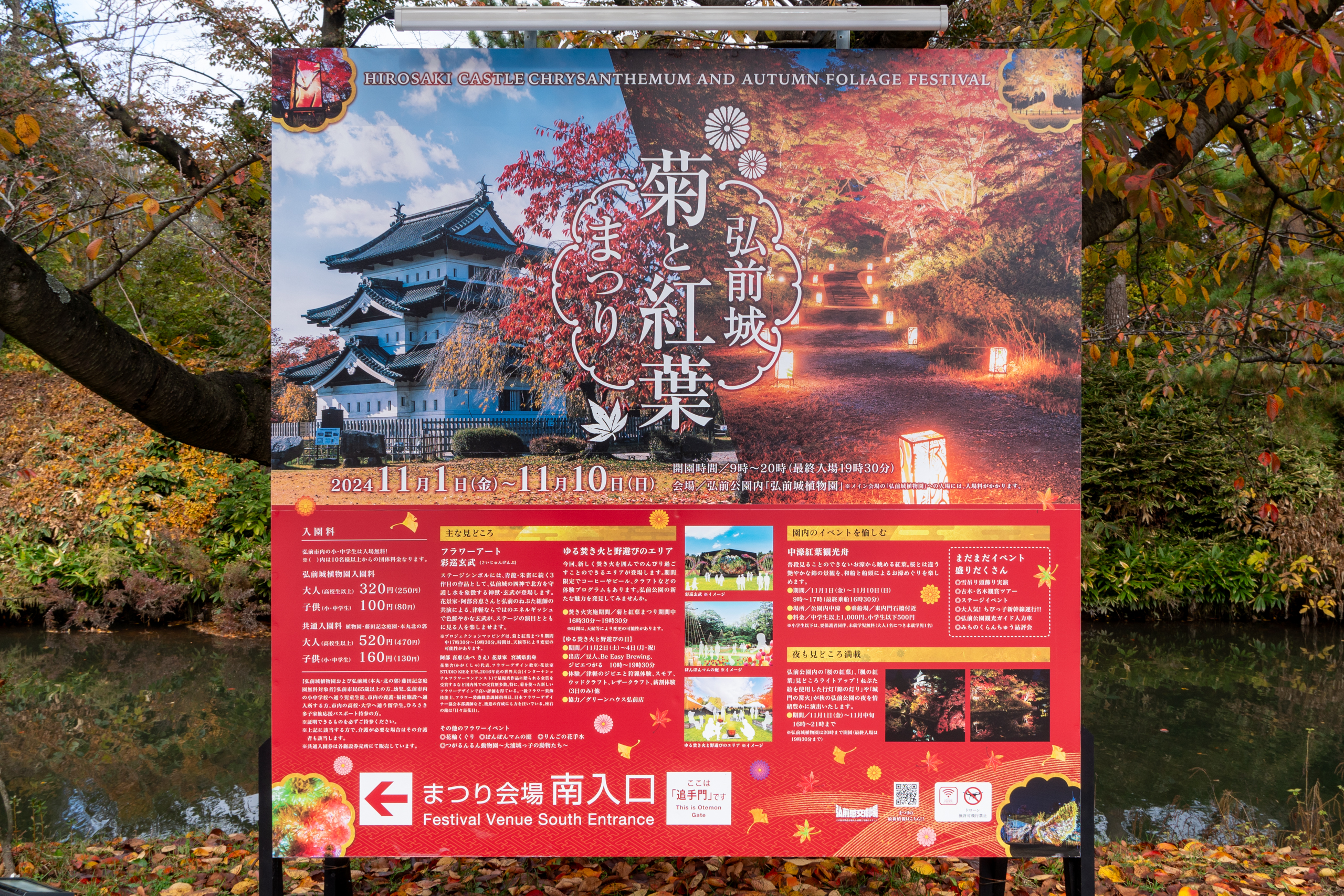
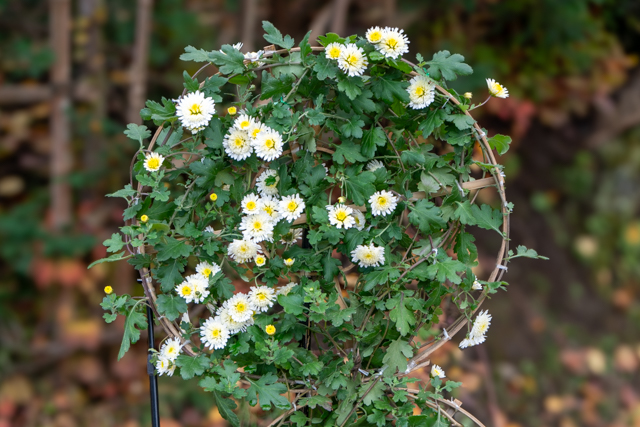
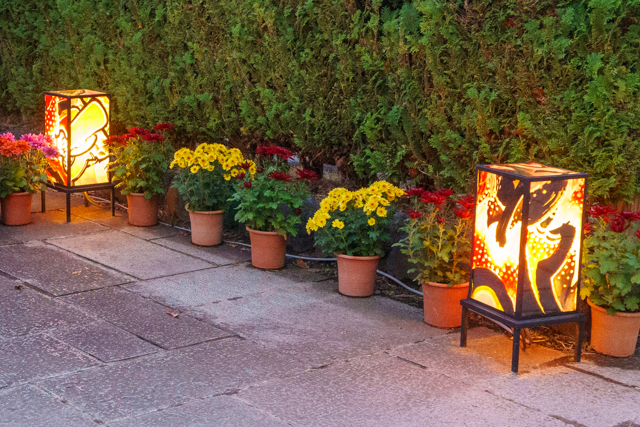
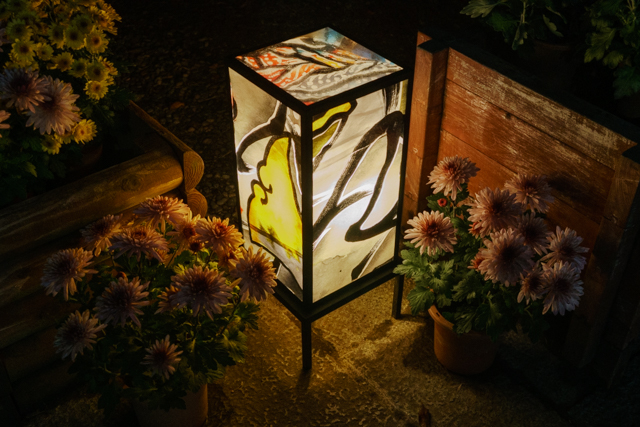
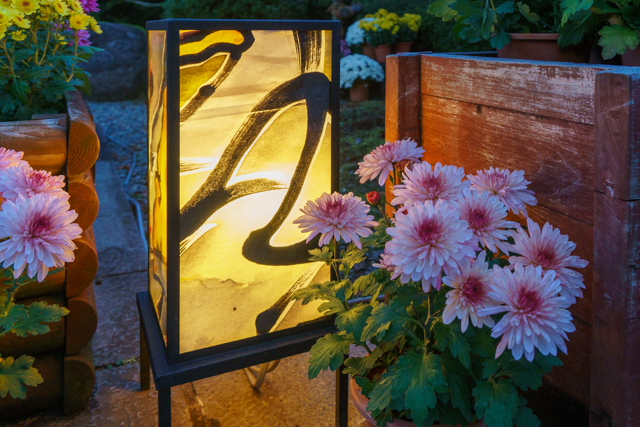
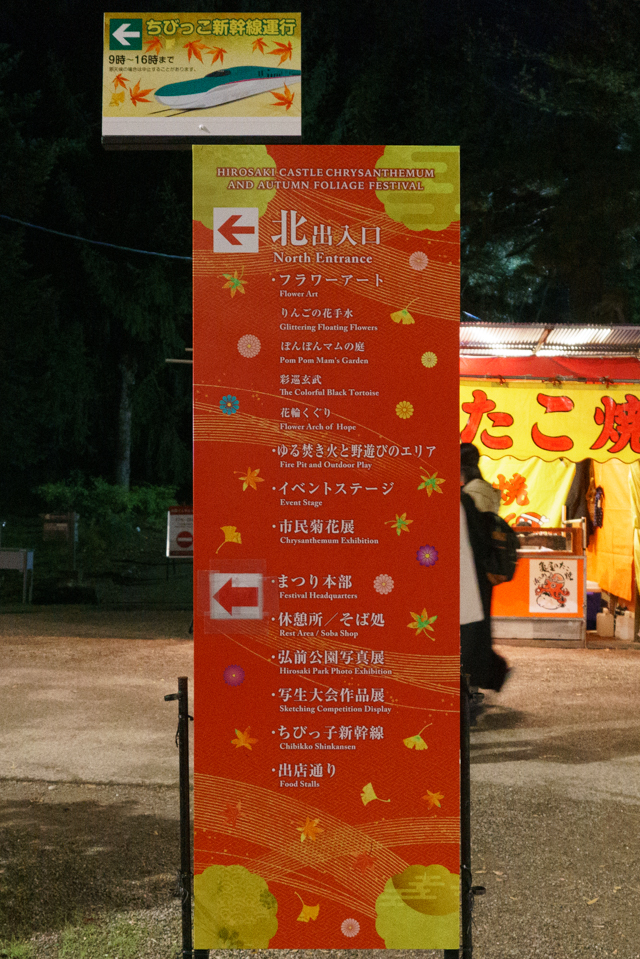
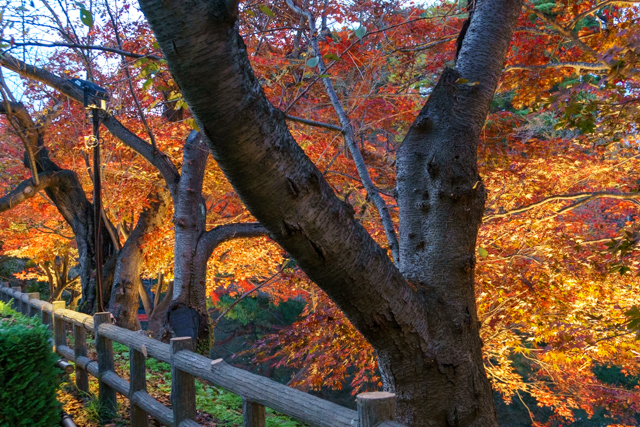
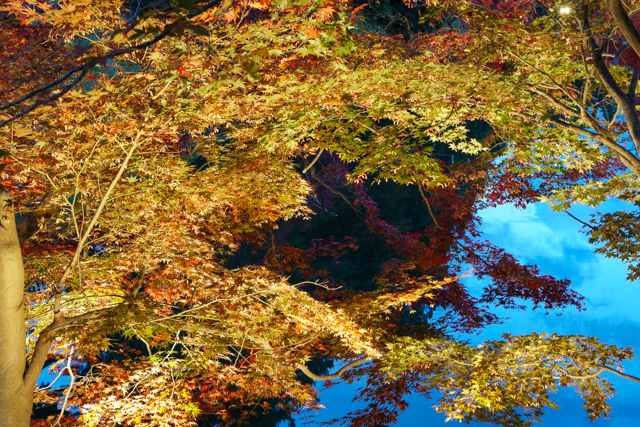
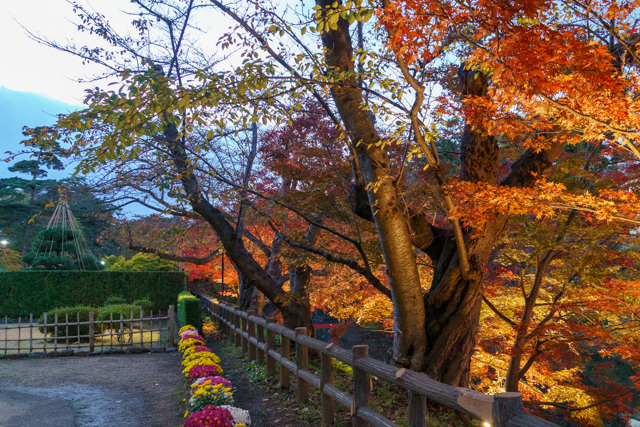
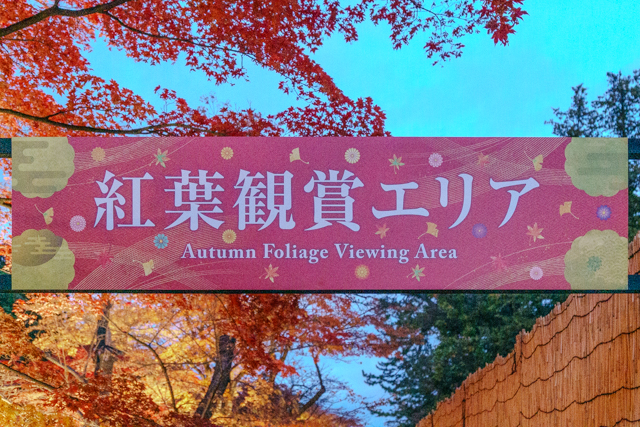
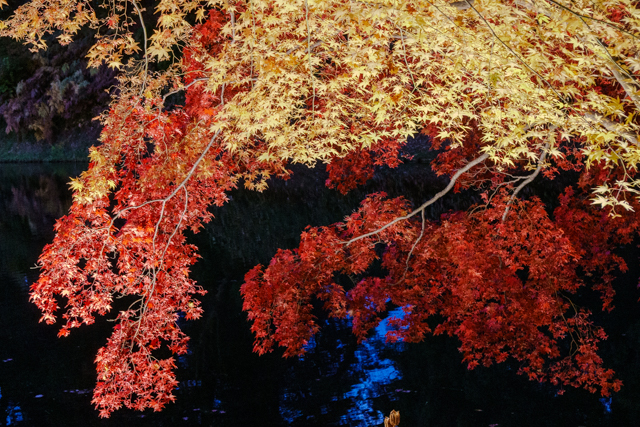
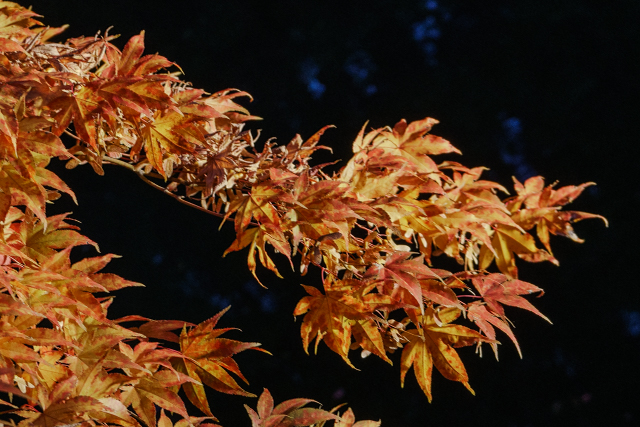
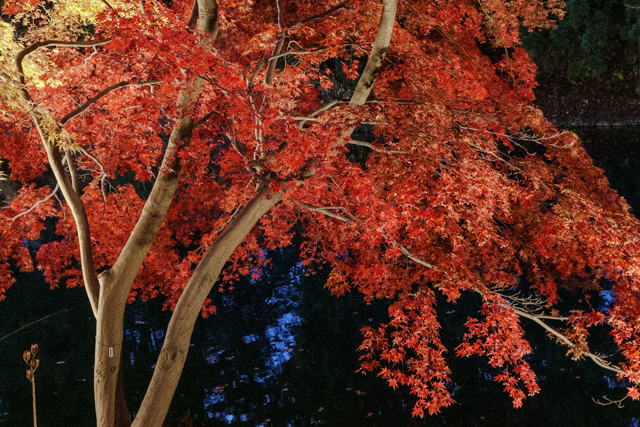
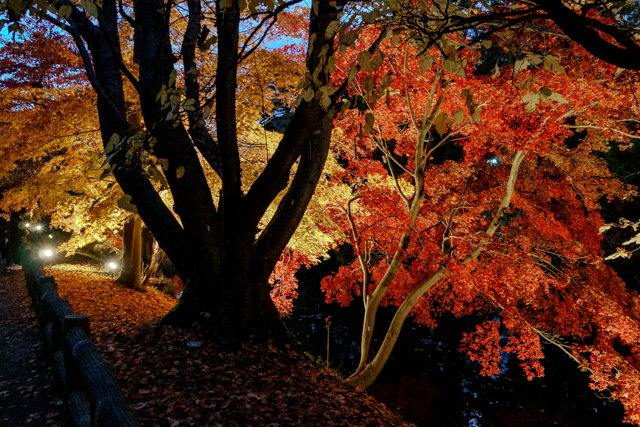
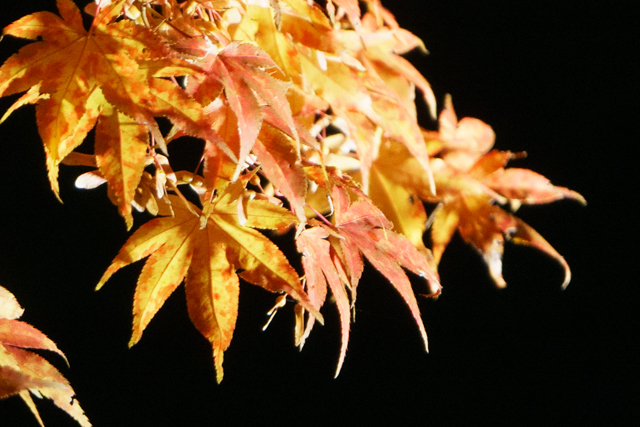
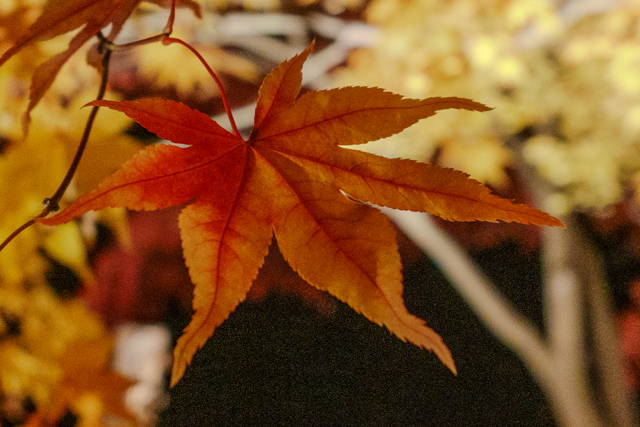
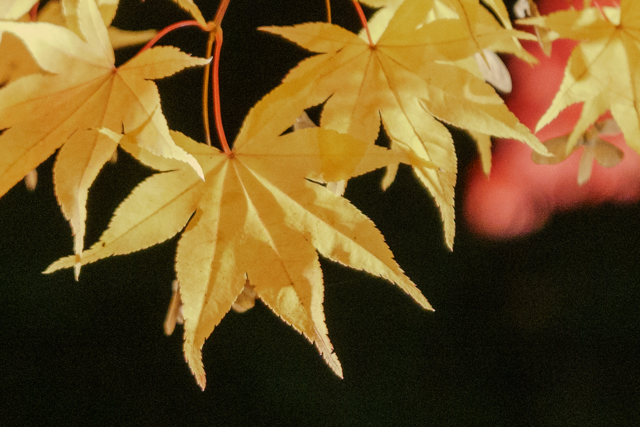
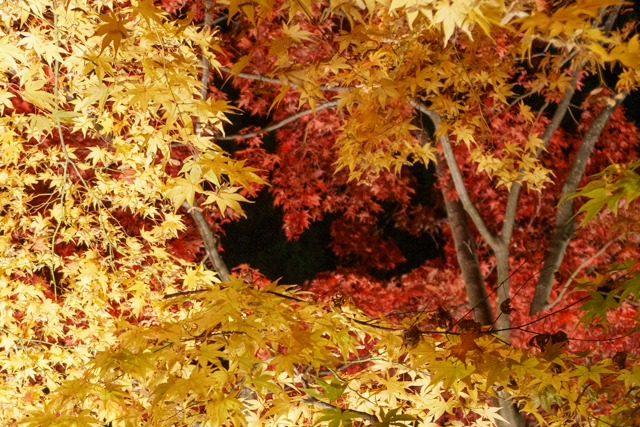
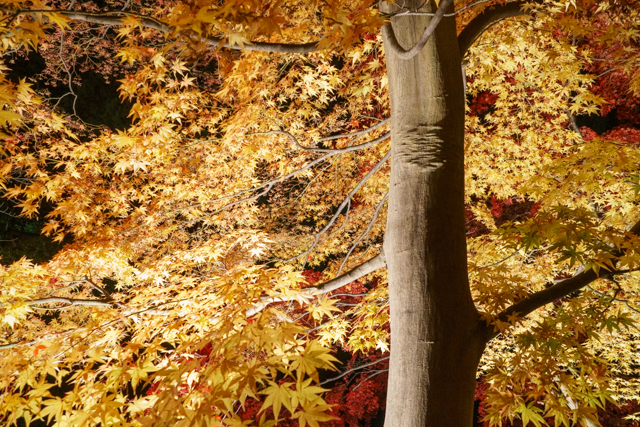
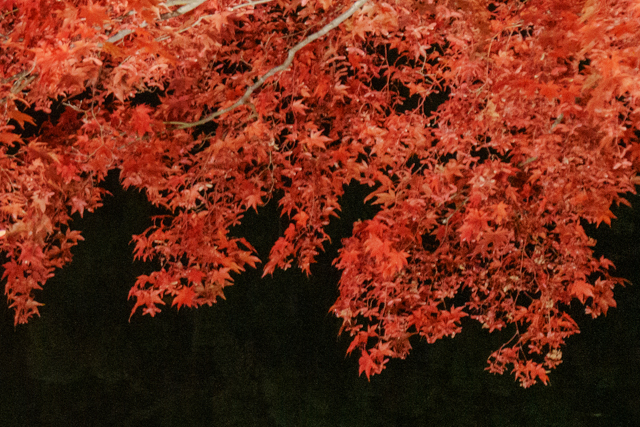
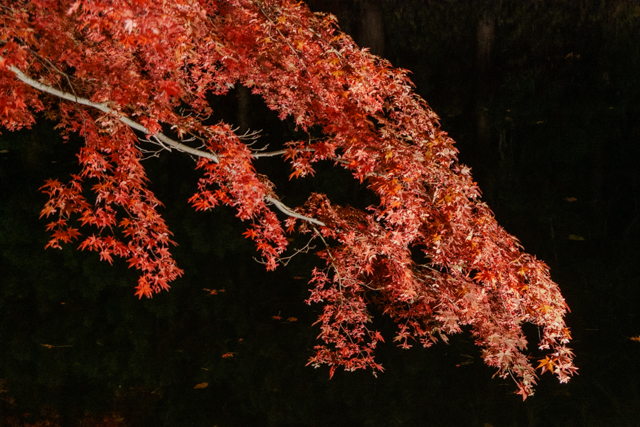
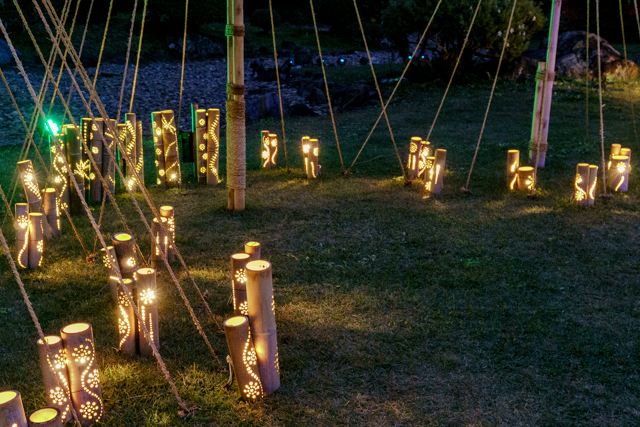
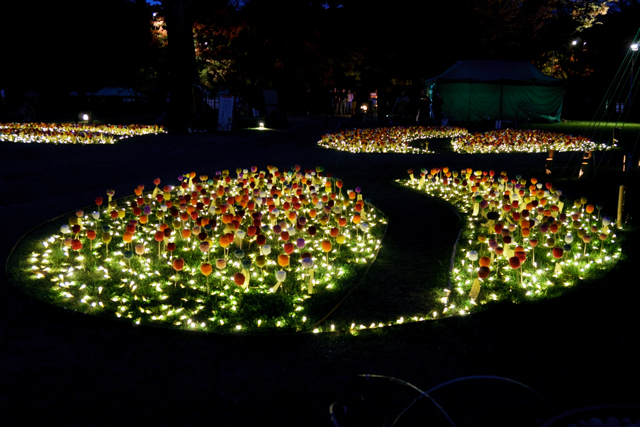
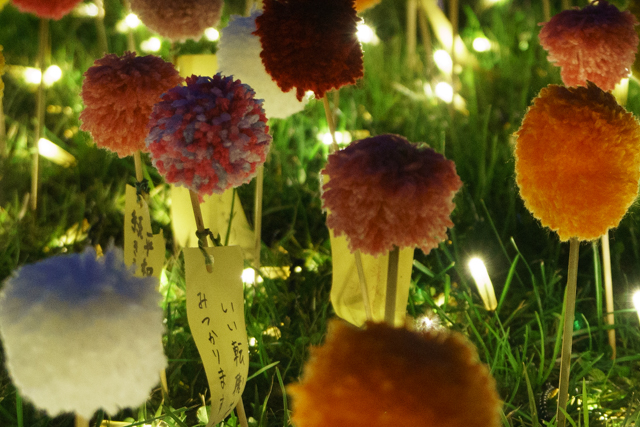
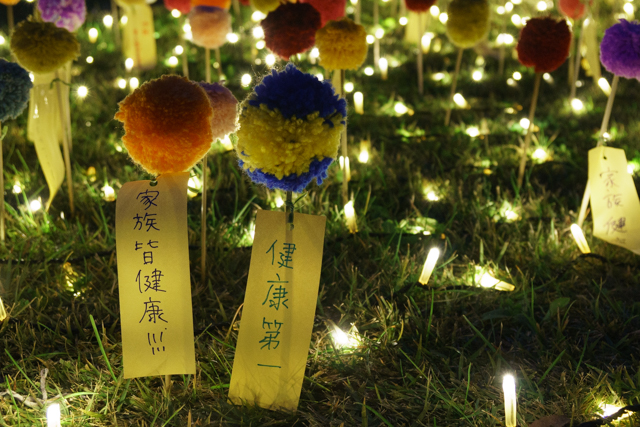
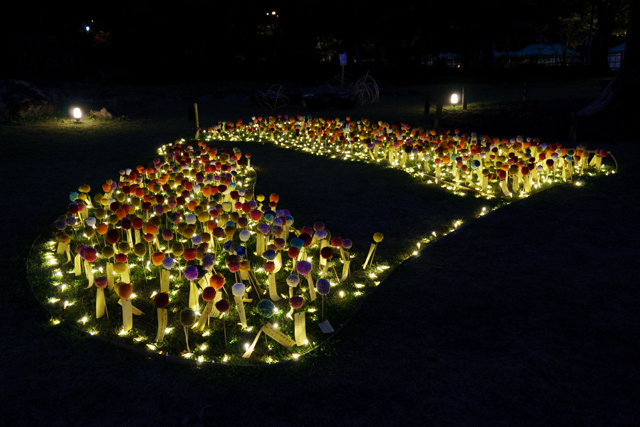
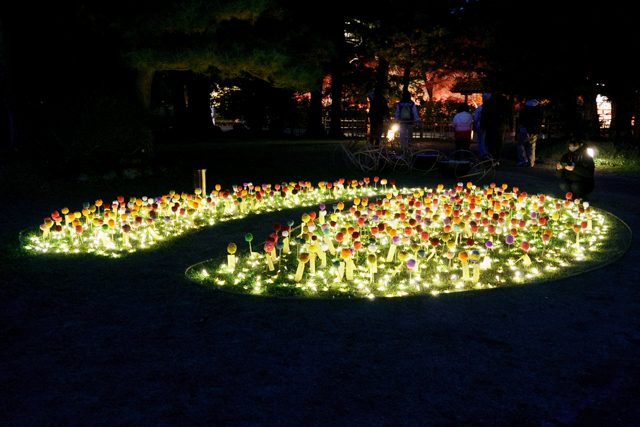
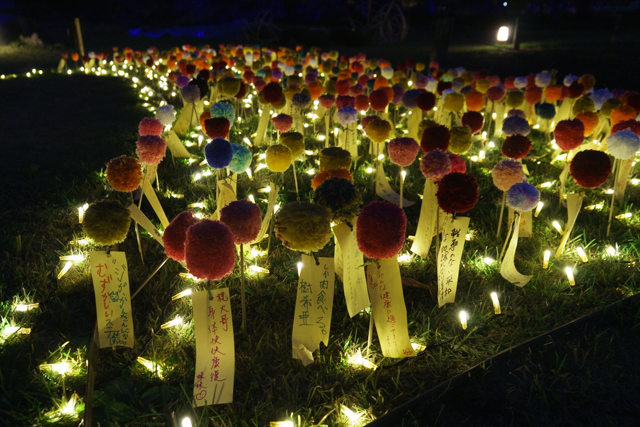
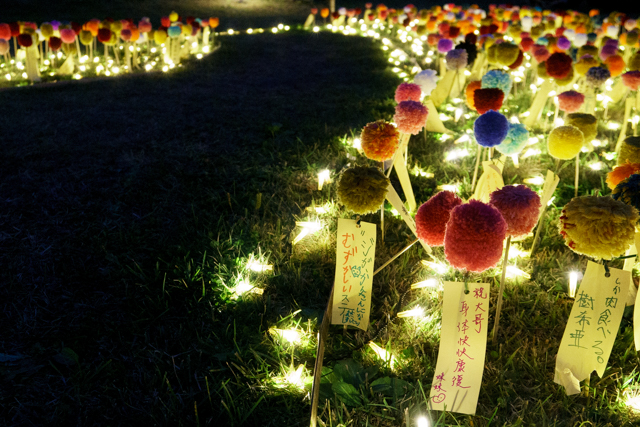
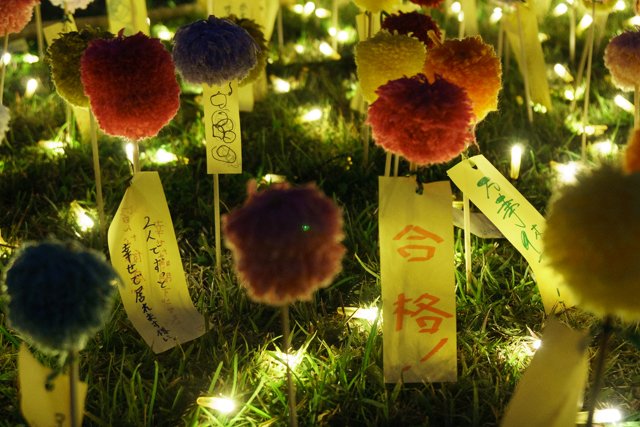
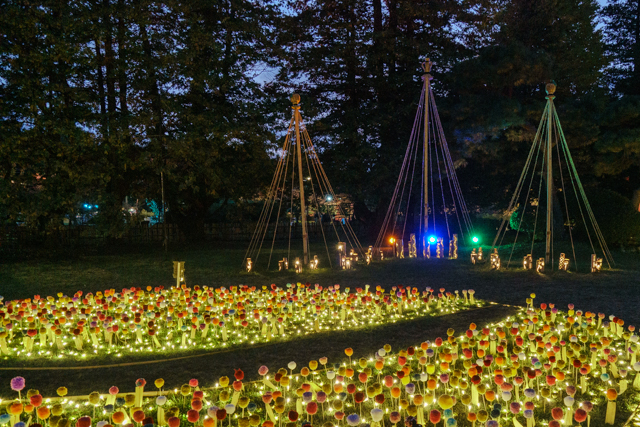
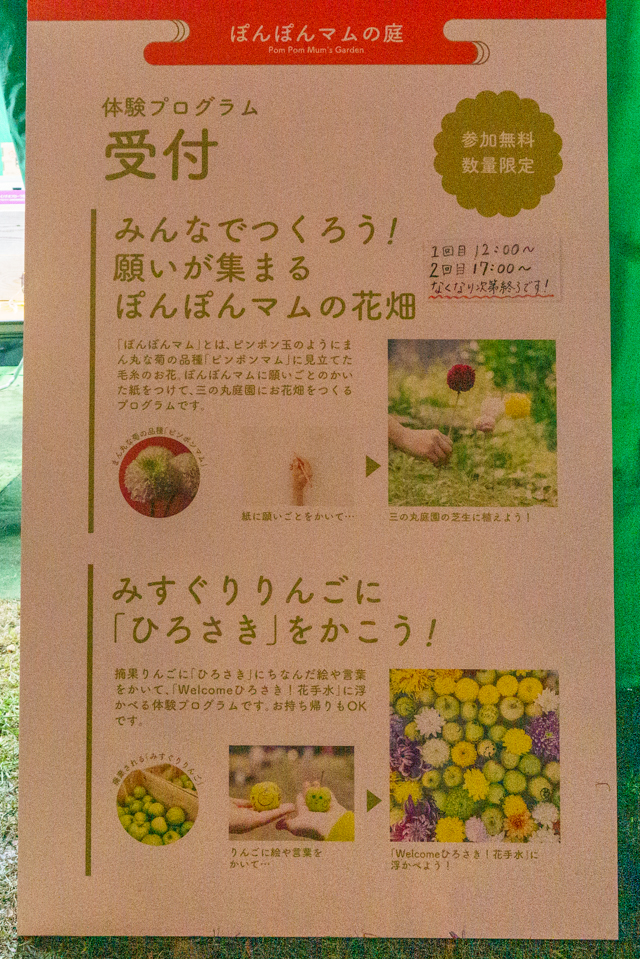
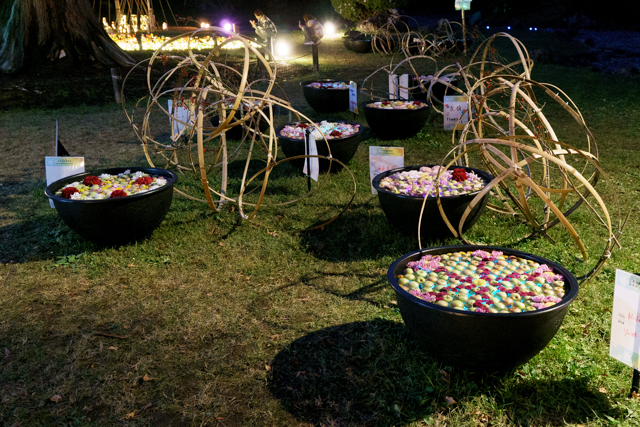
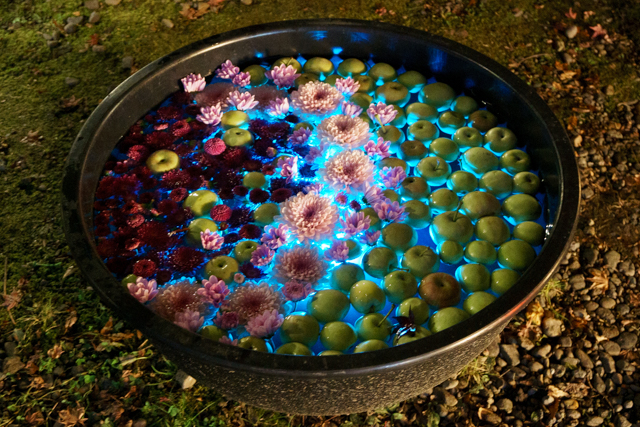
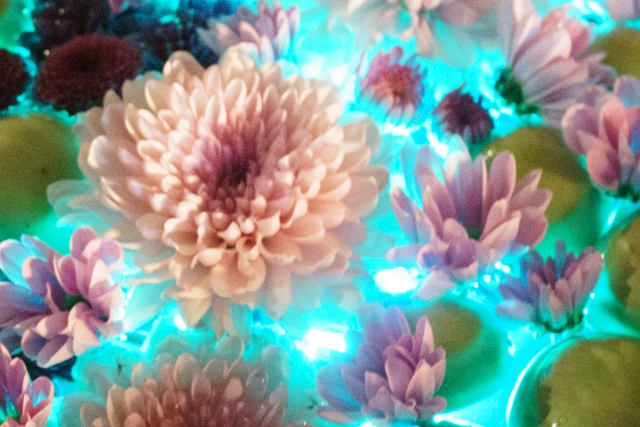
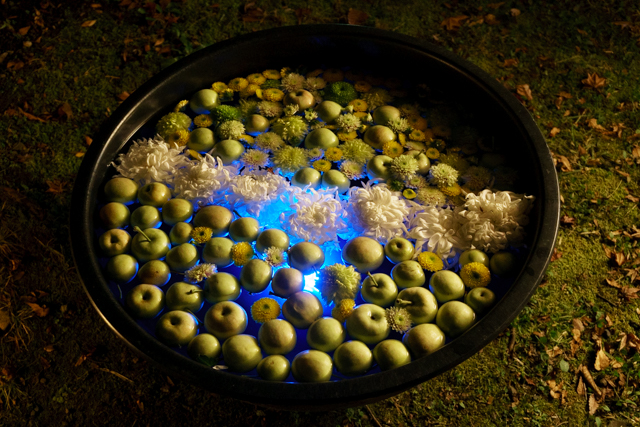
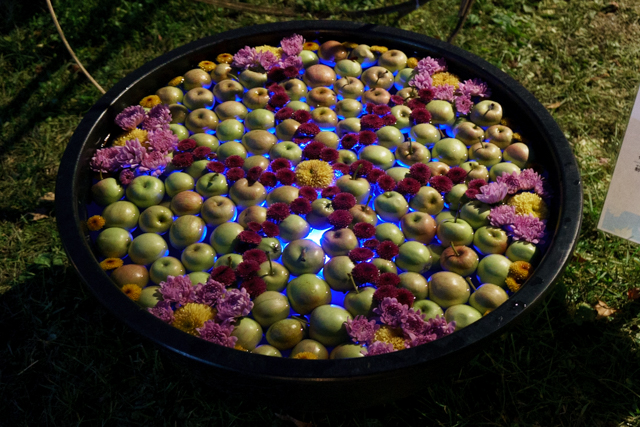
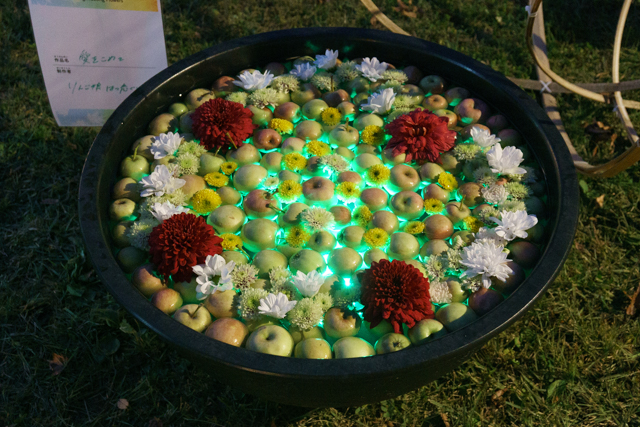
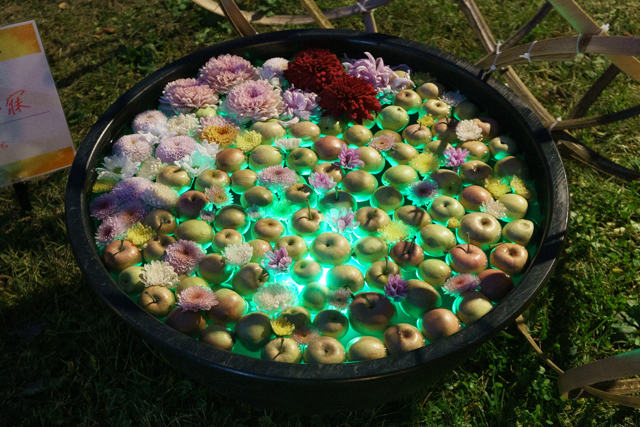
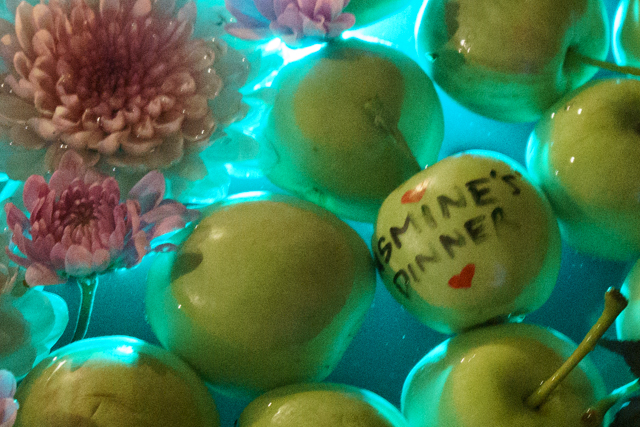
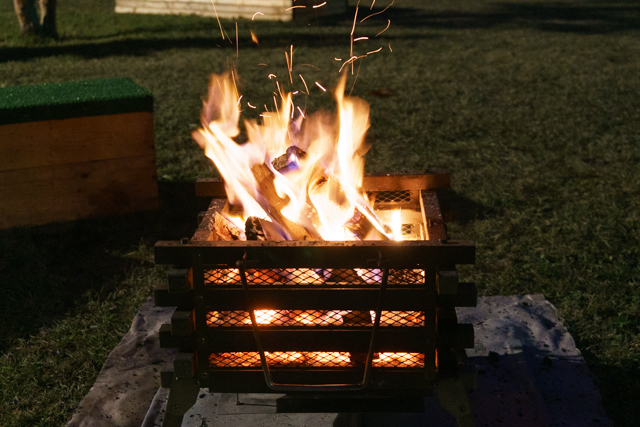
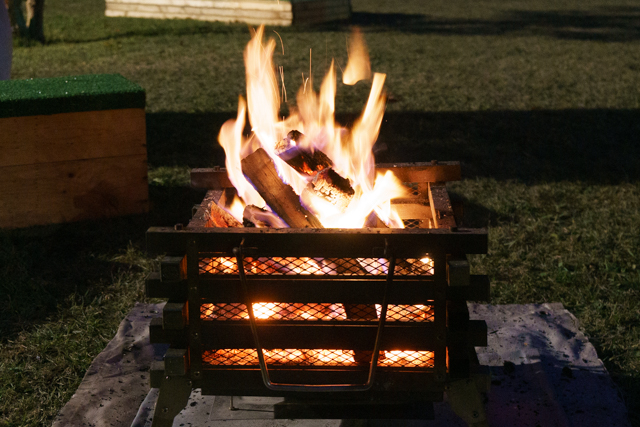
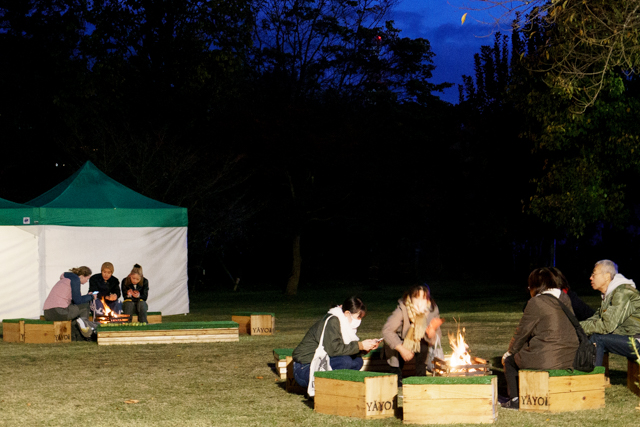
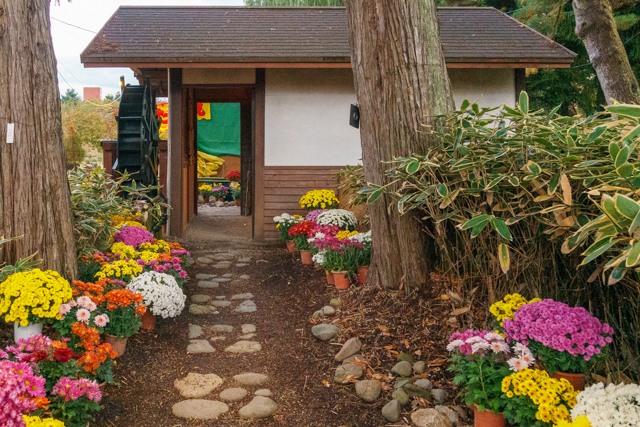
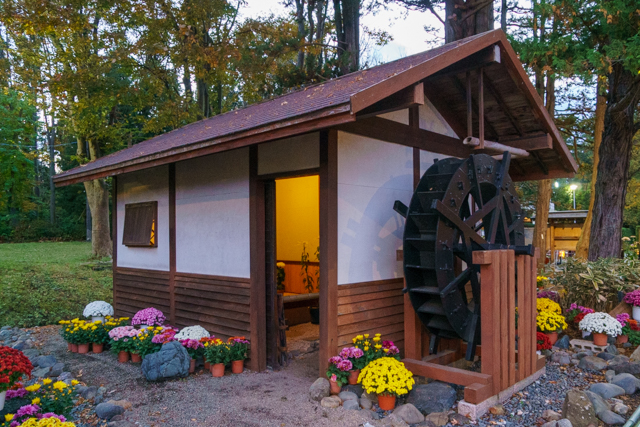
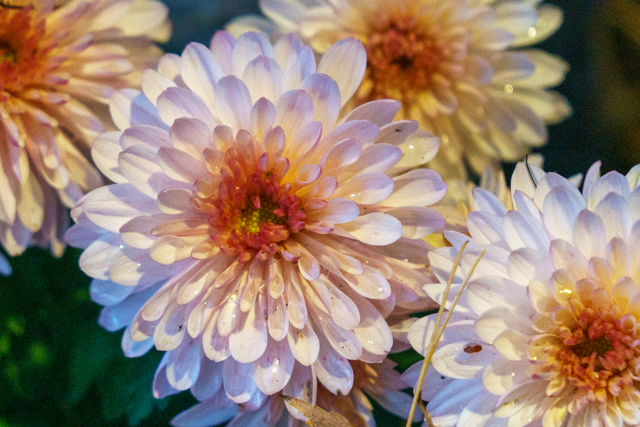
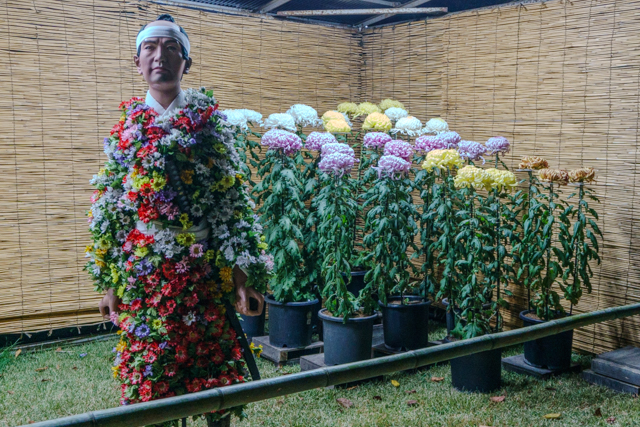
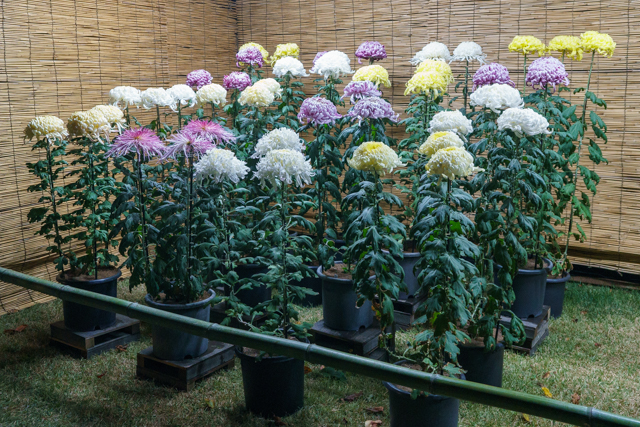
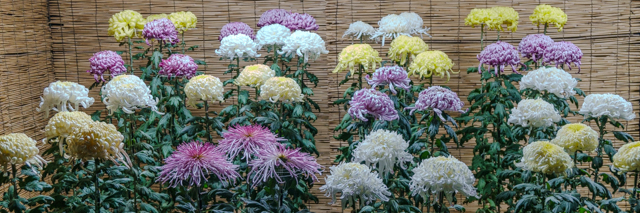
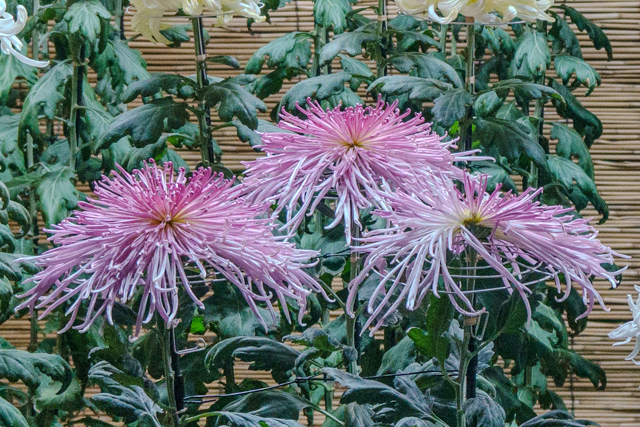
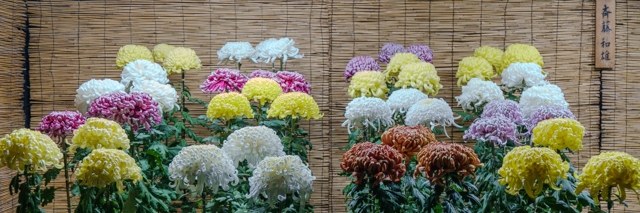
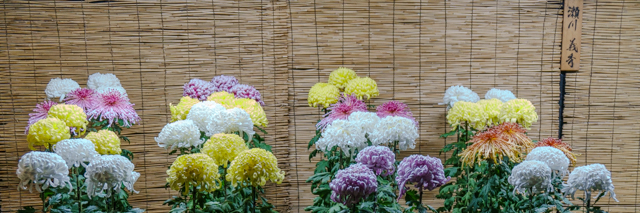
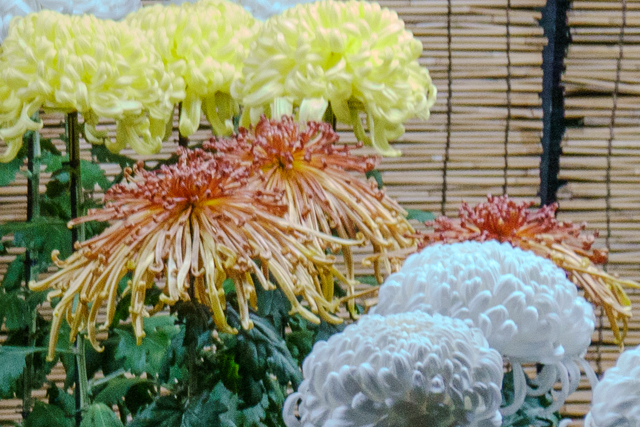
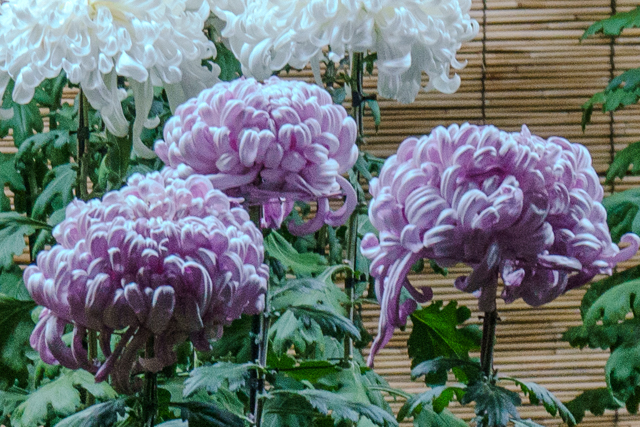
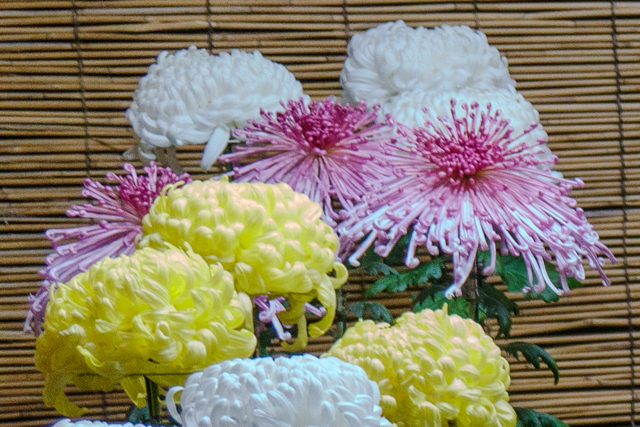
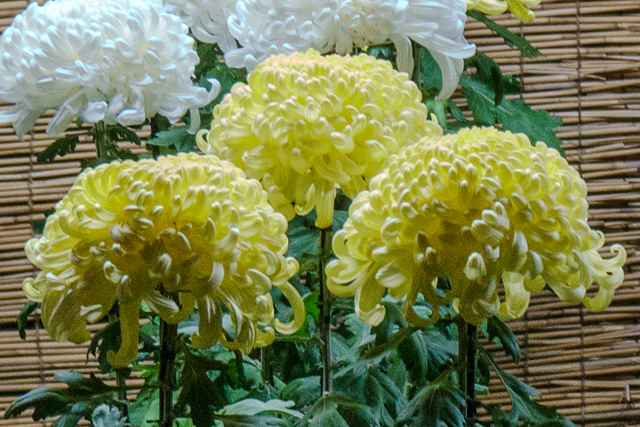
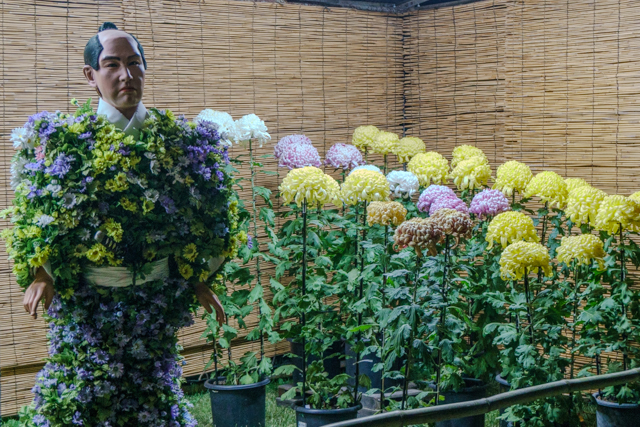
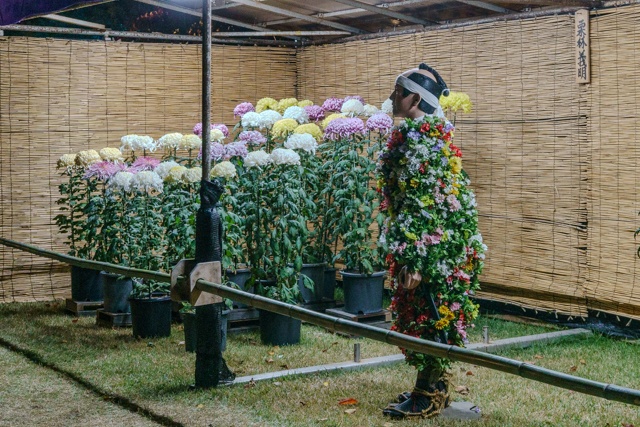
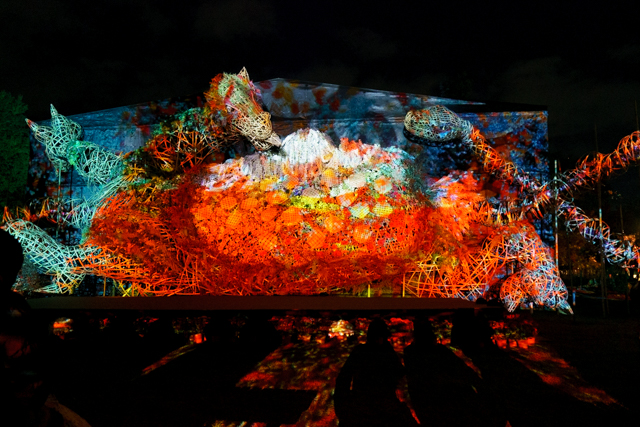
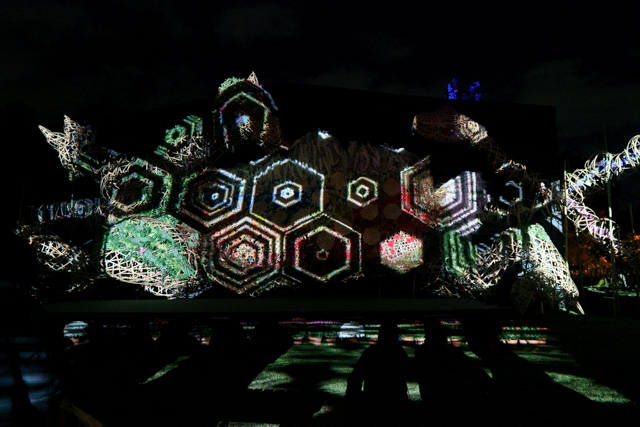
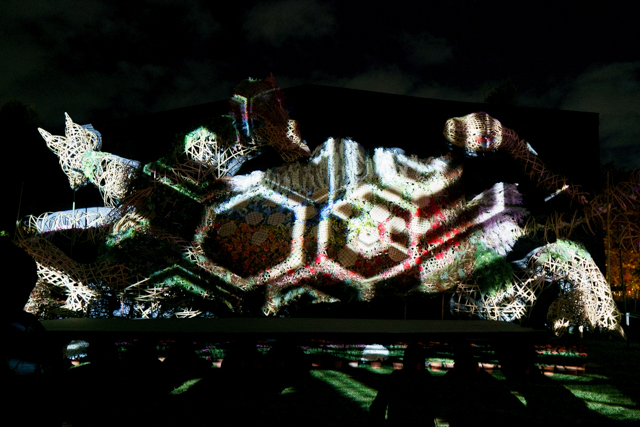
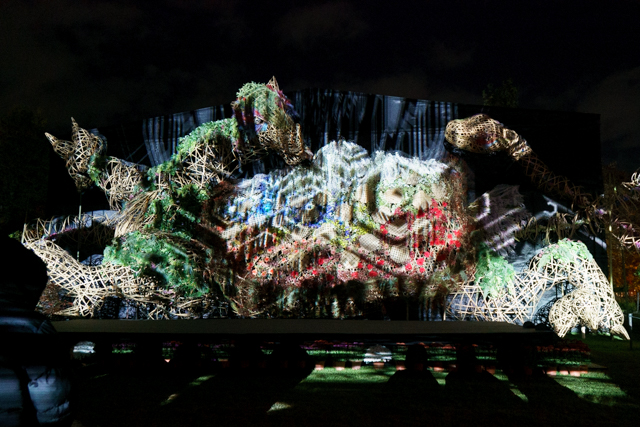
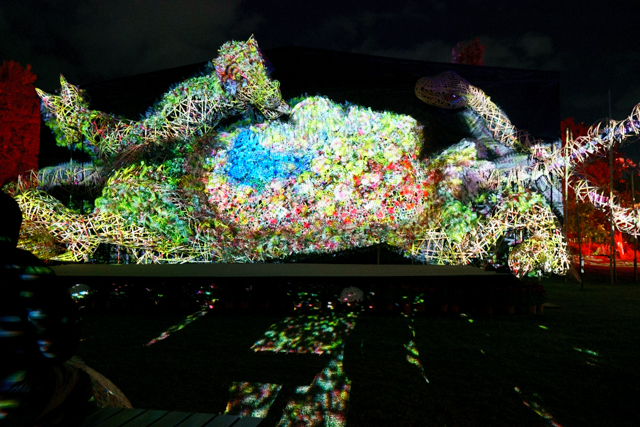
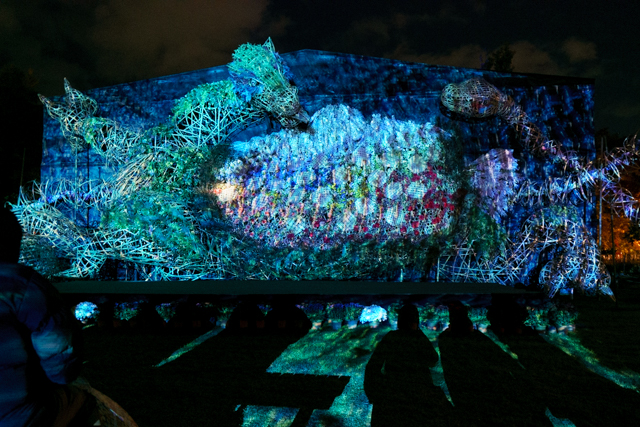
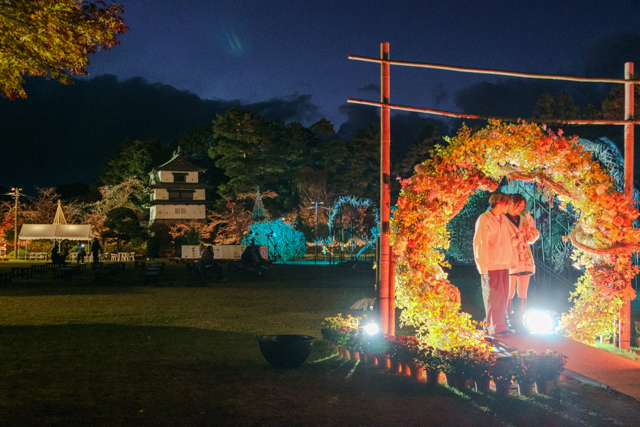
Located in the Hirosaki castle Botanical Garden, this annual festival held in November included illuminated gardens, floating floral displays, chrysanthemum exhibitions, and temporary food stalls within the park grounds.
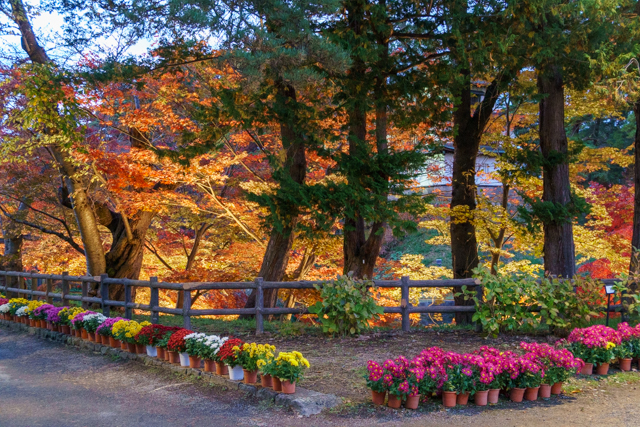
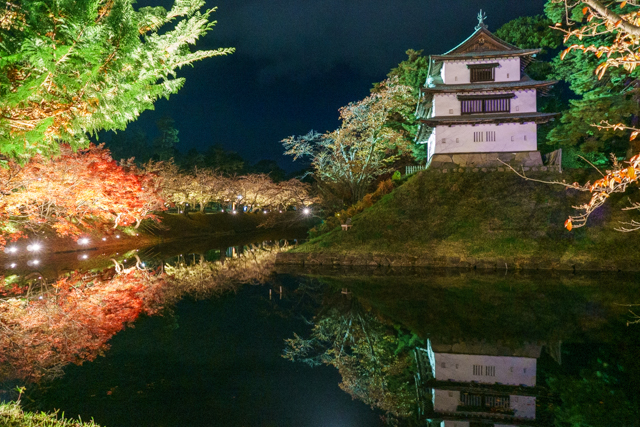
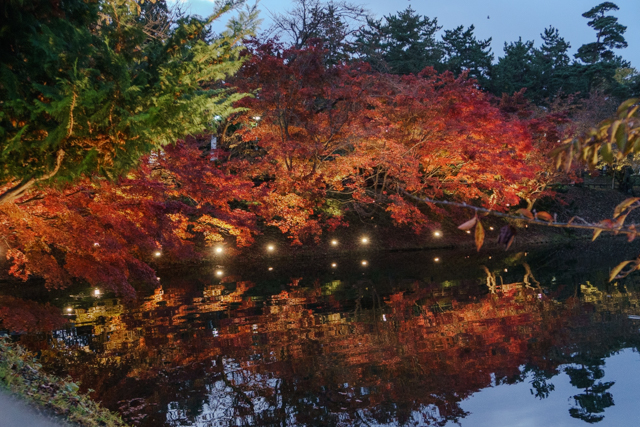
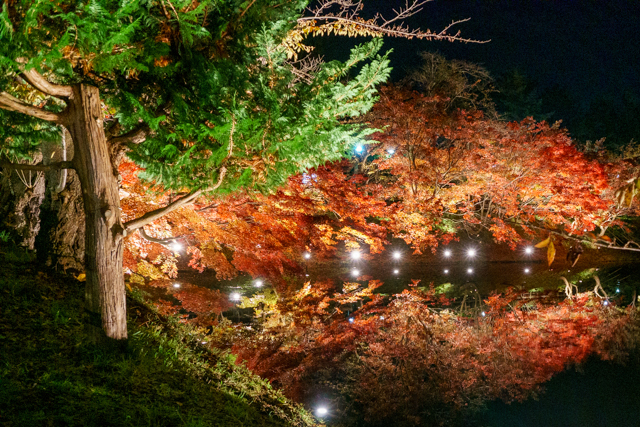
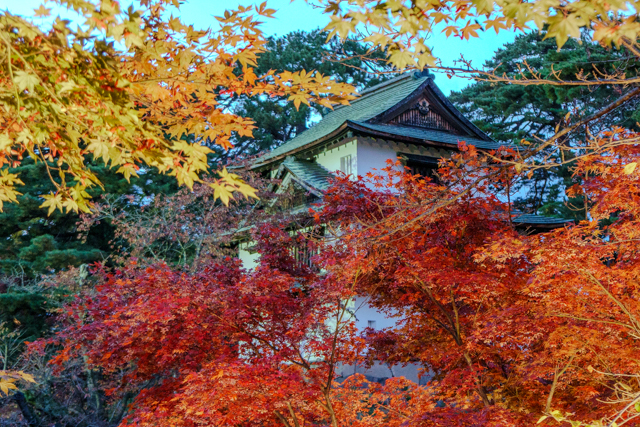
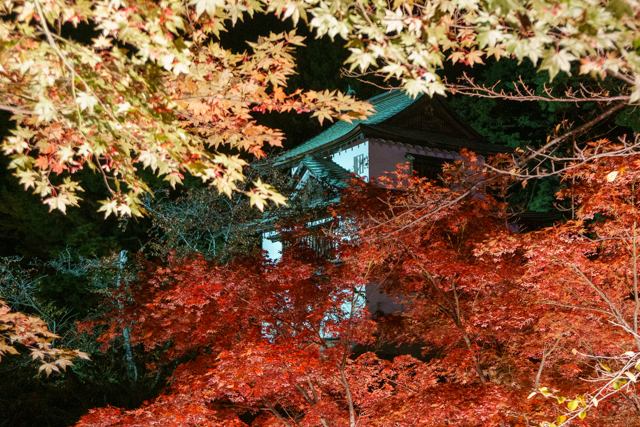
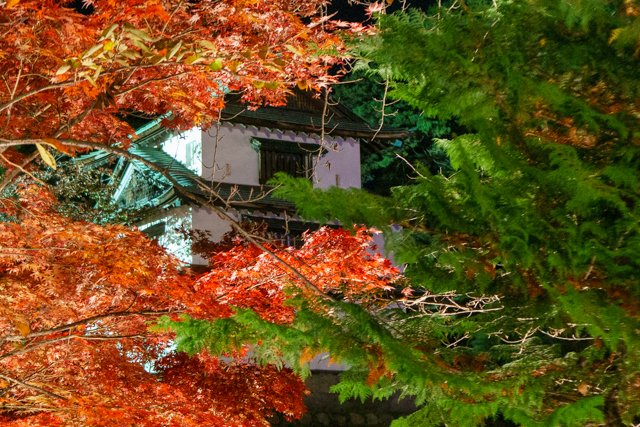
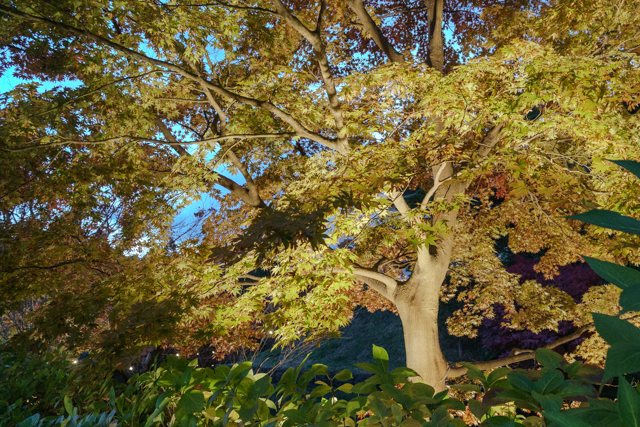
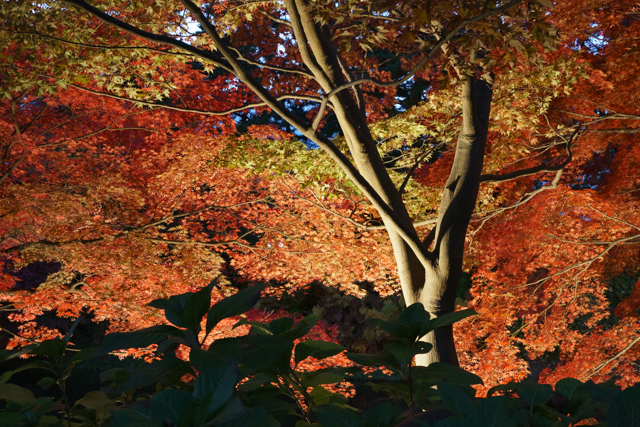
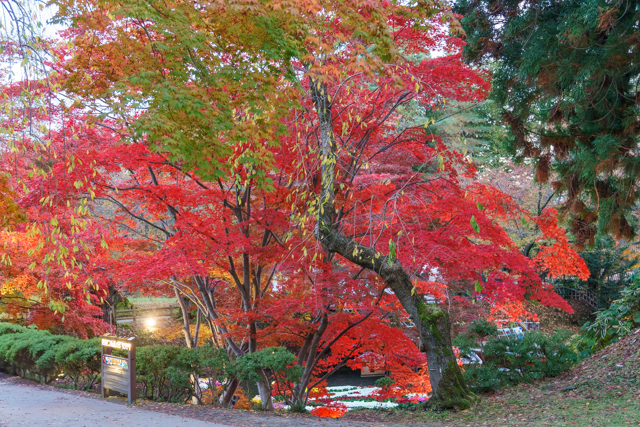
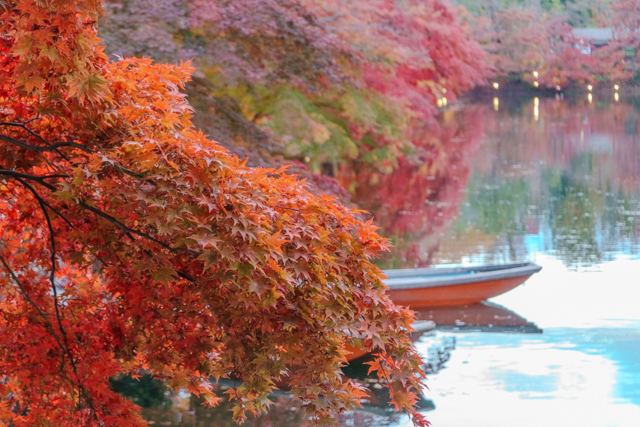
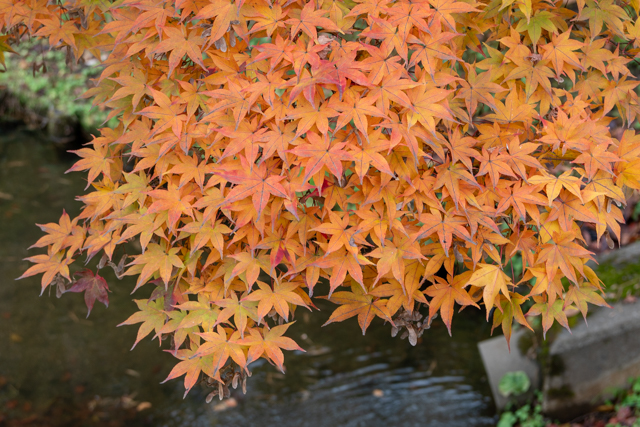
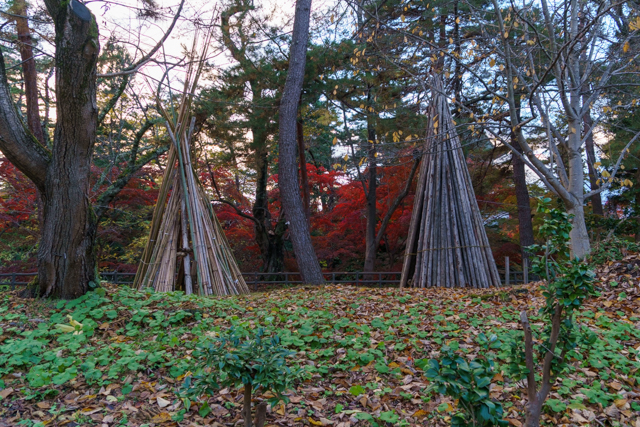
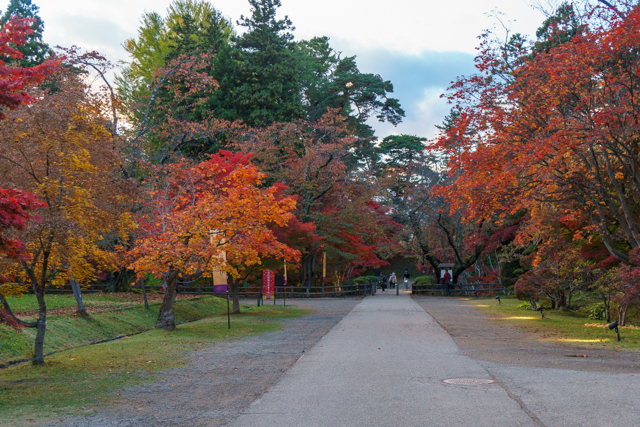
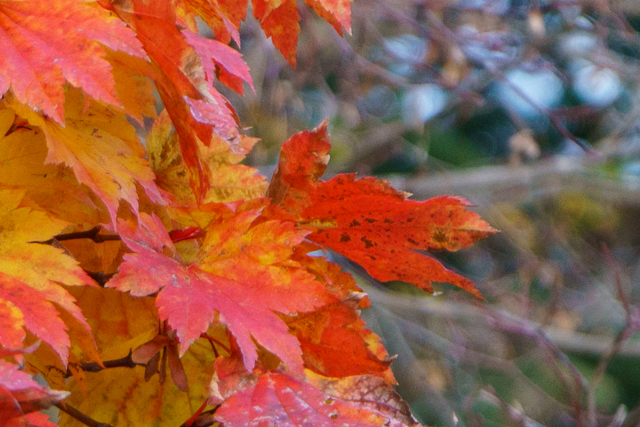
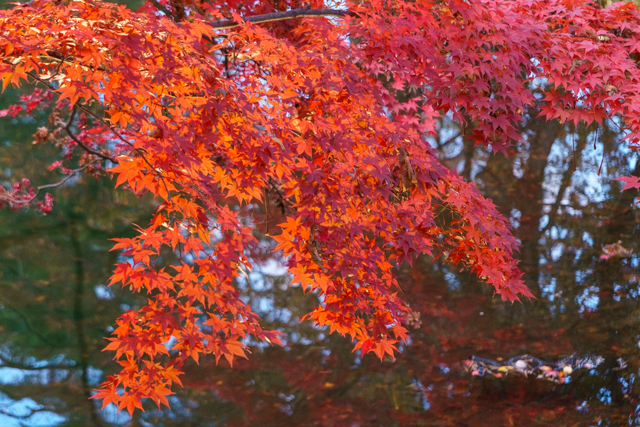
Autumn Foliage Viewing Area
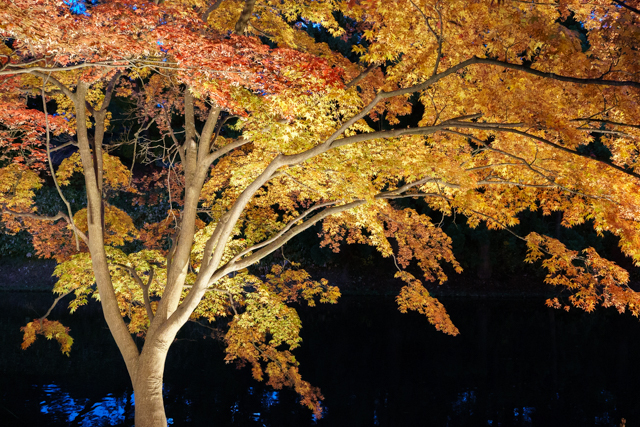
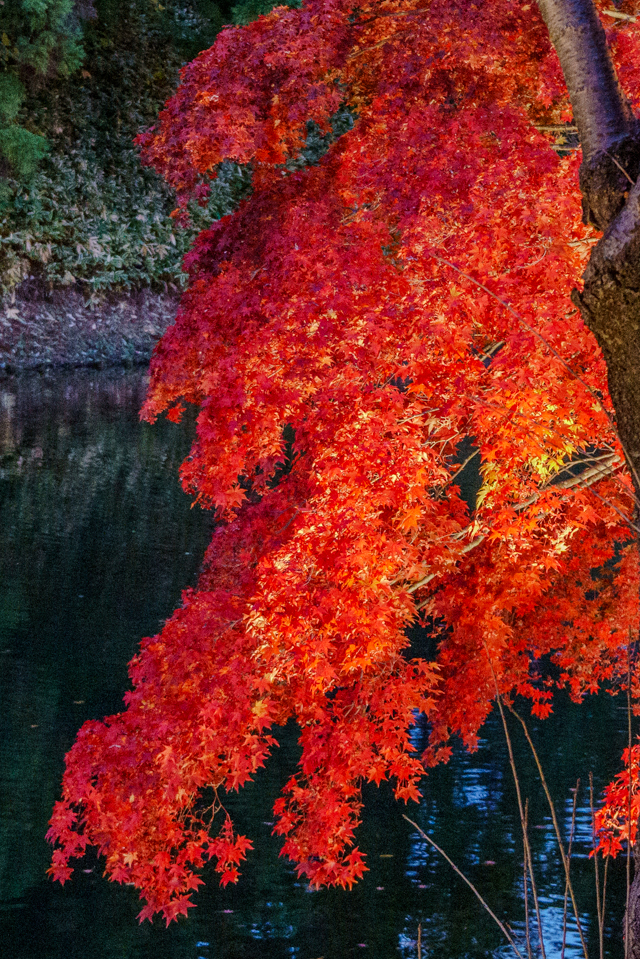
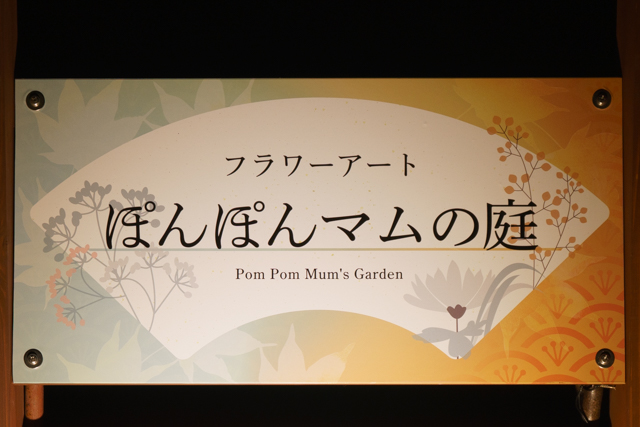
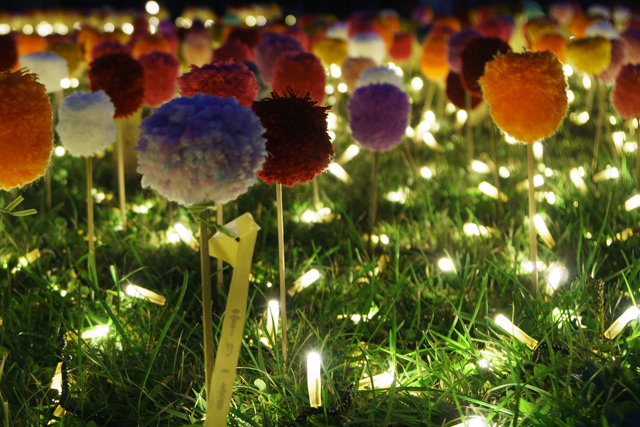
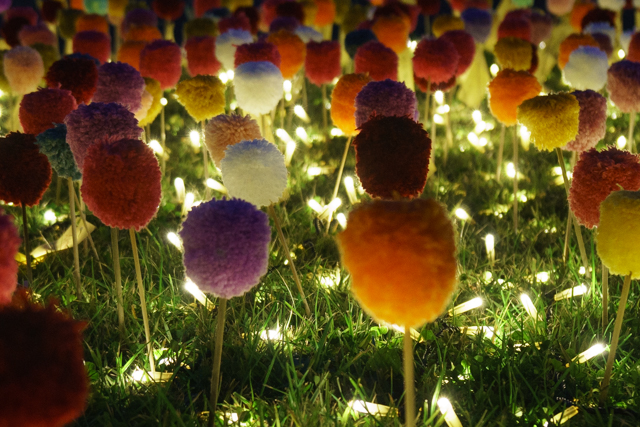
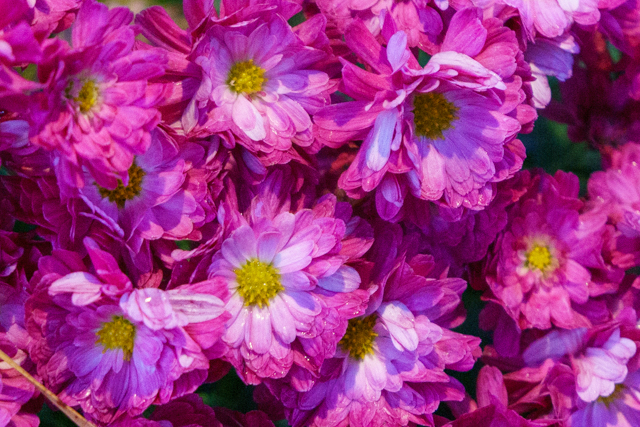
Pom Pom Mum’s Garden
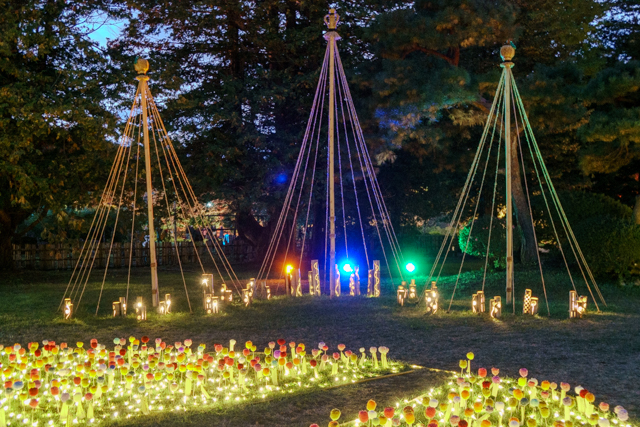
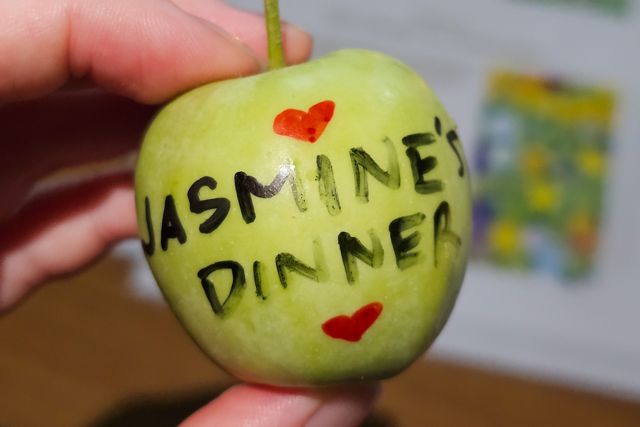
Glittering Floating Flowers
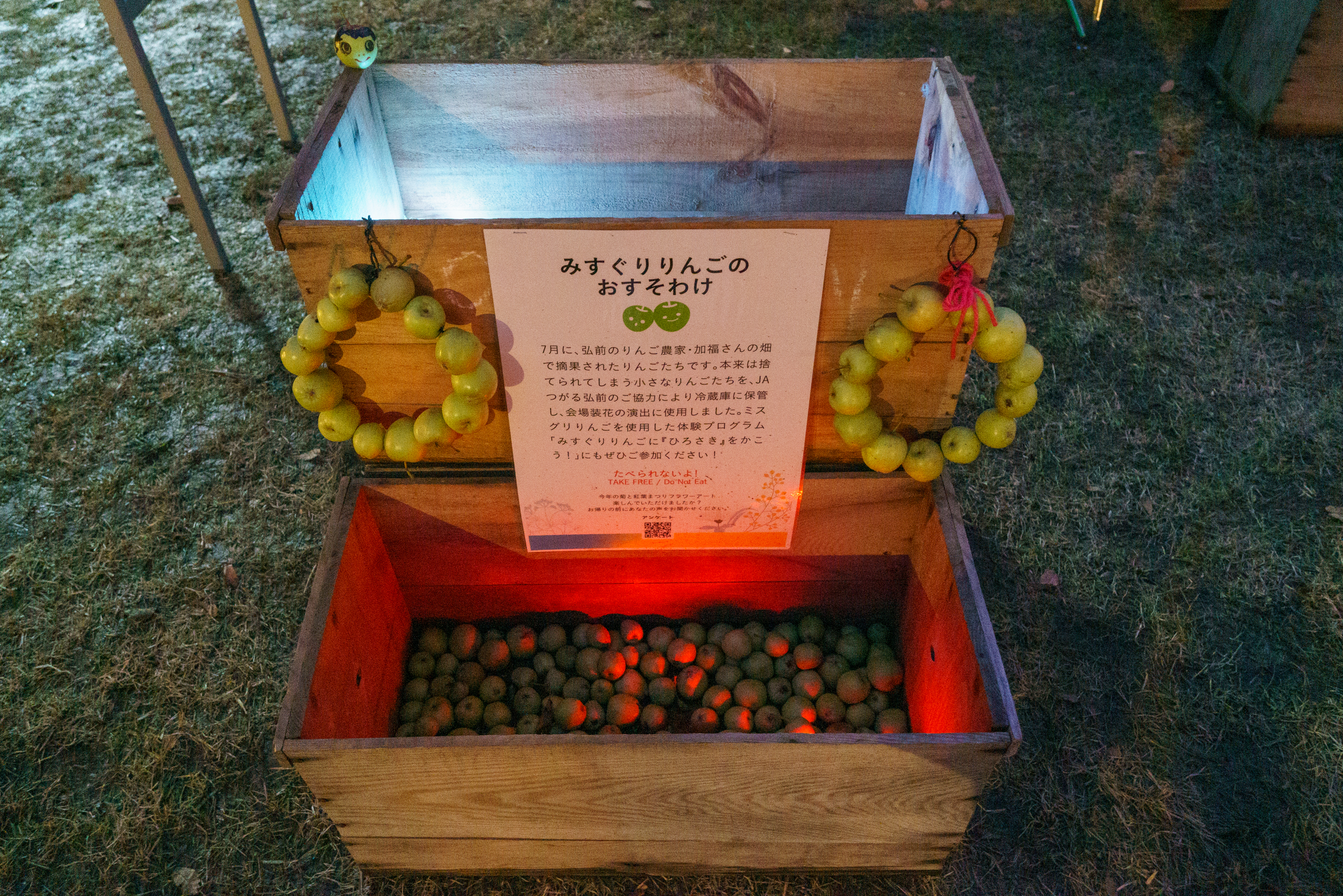
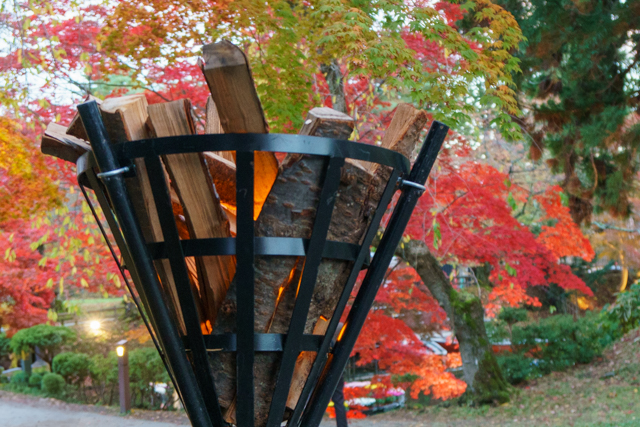
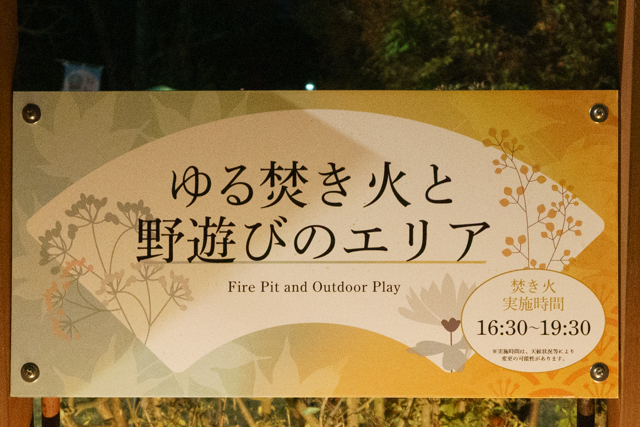
Fire Pit and Outdoor Play
Chrysanthemum Exhibition
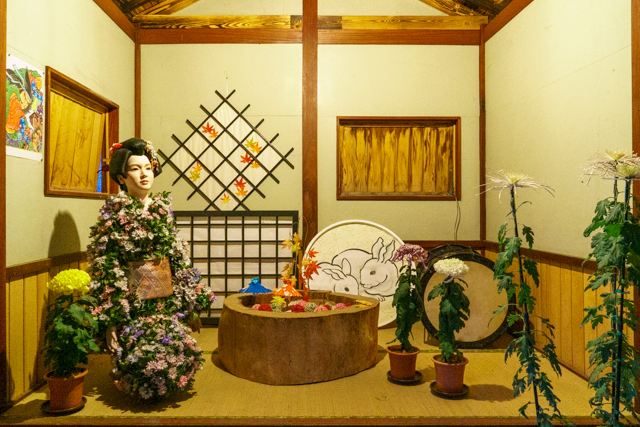
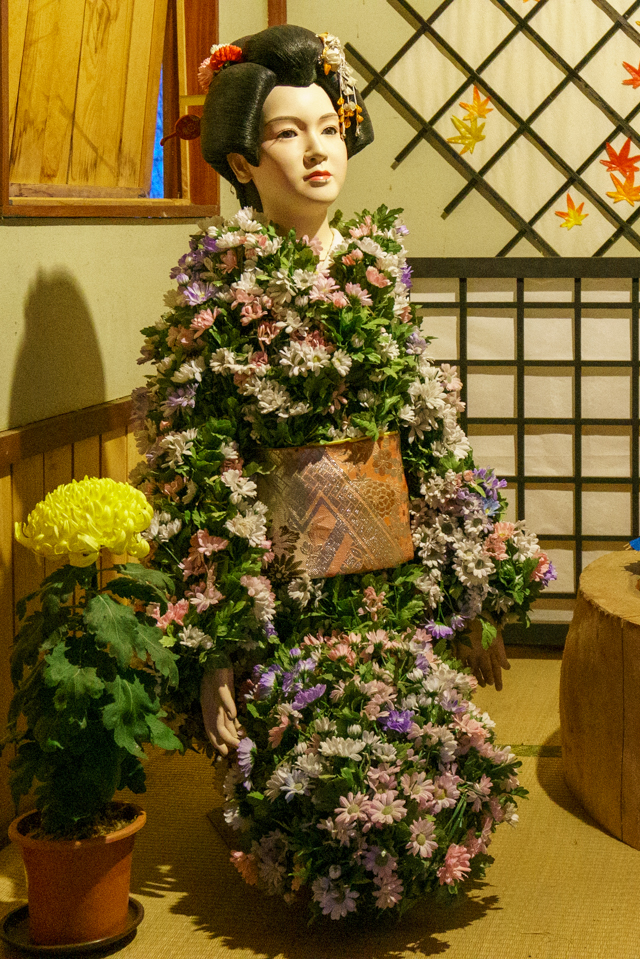
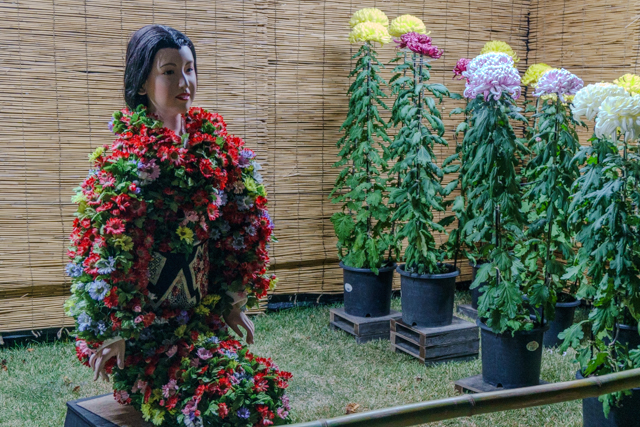
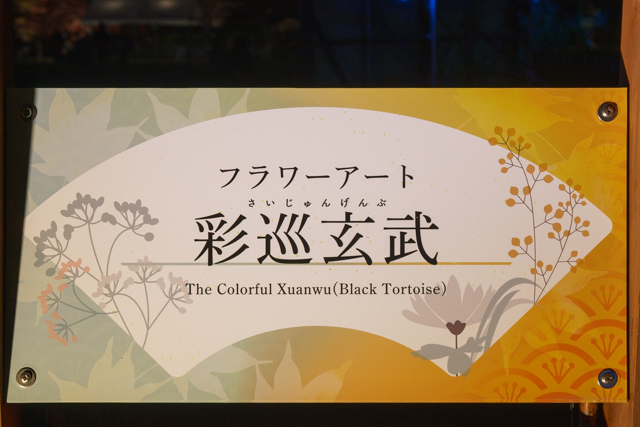
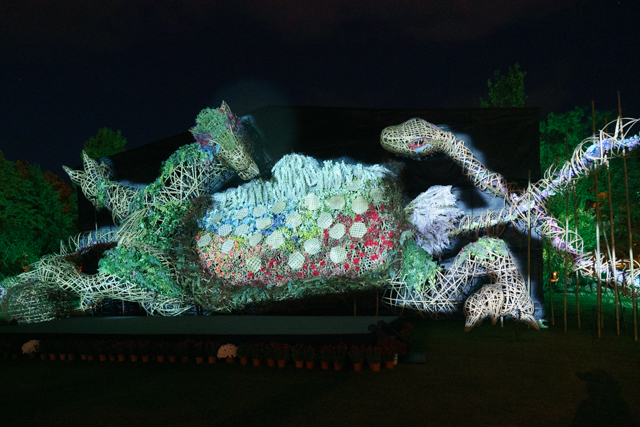
The Colorful Xuanwu (Black Tortoise)
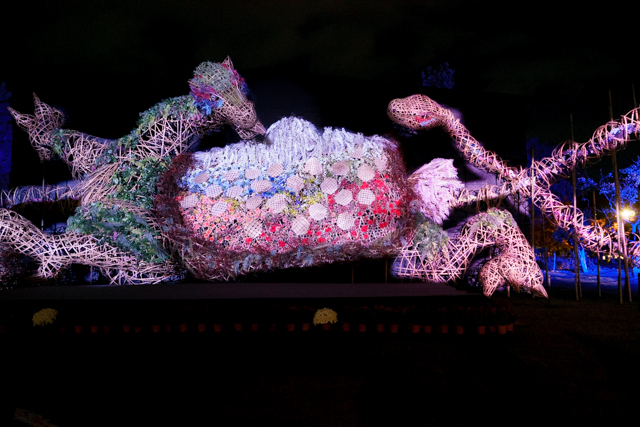
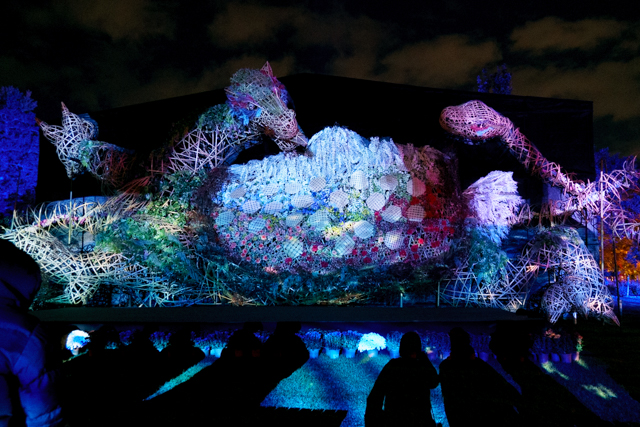
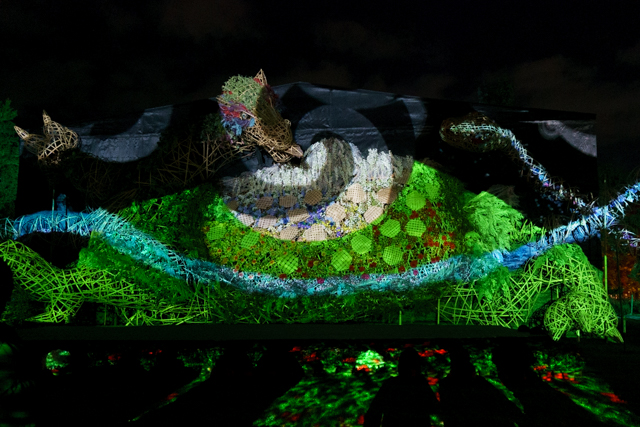
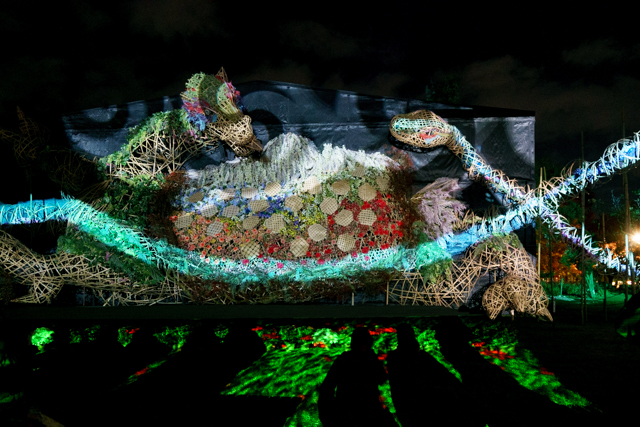
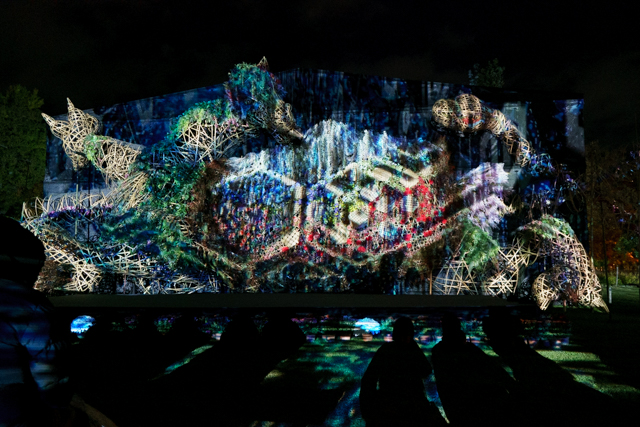
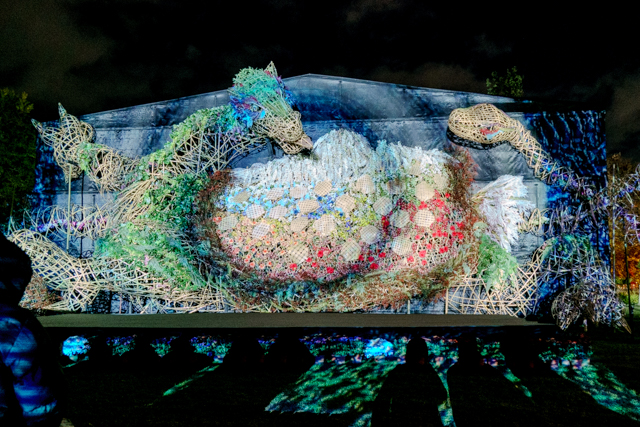
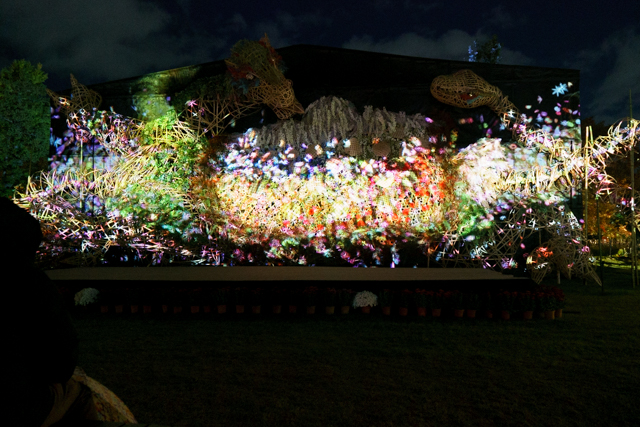
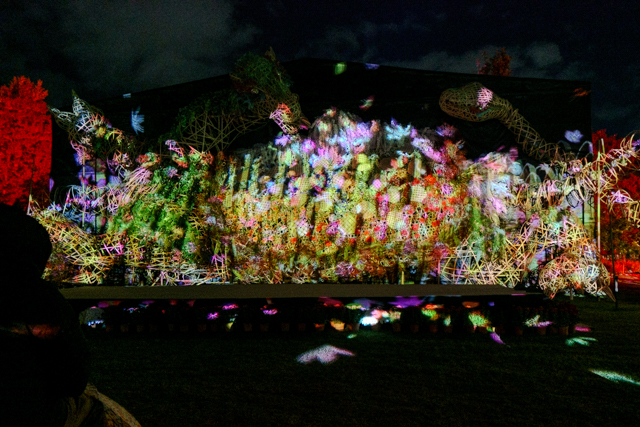
Flower Arch of Hope

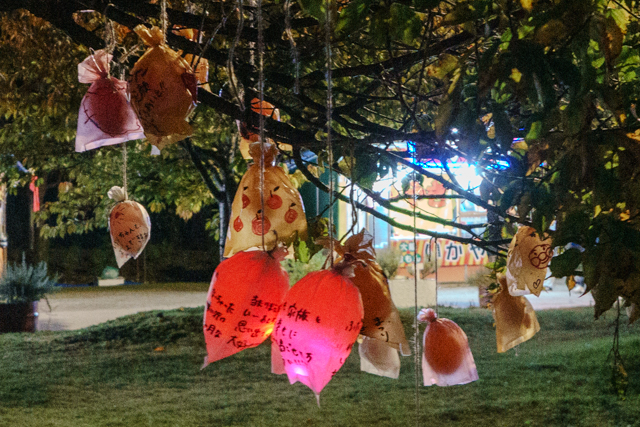
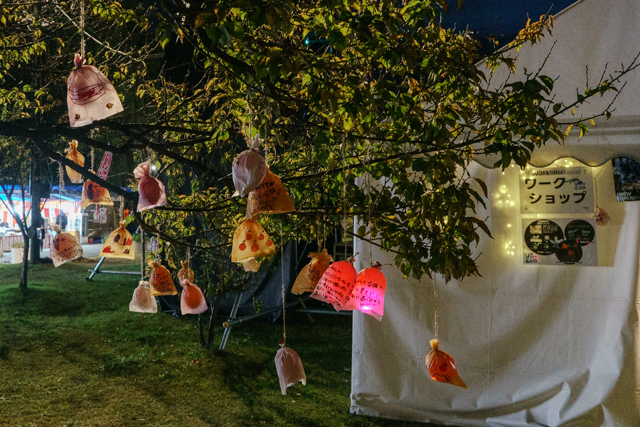
Food Stalls
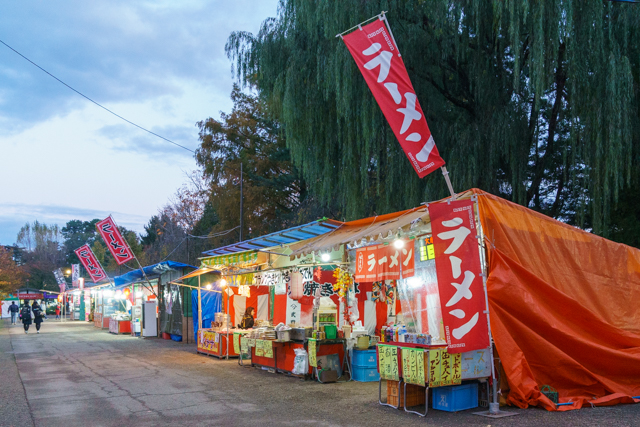
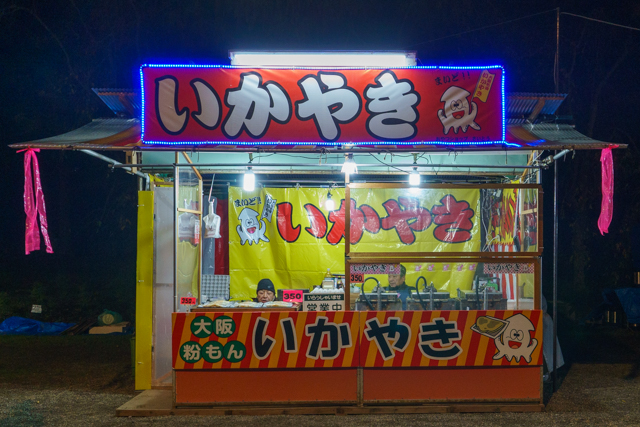
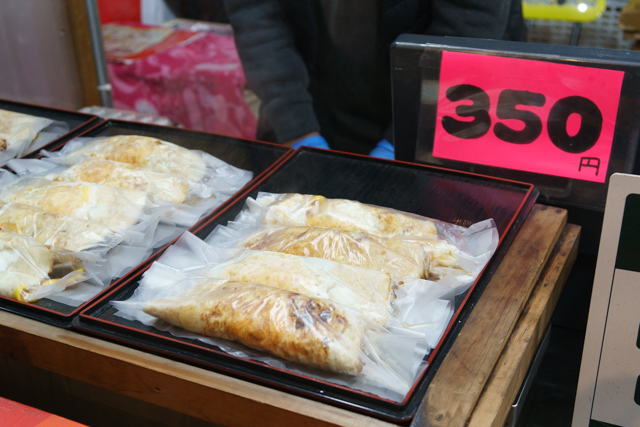
Architecture and Streetscape

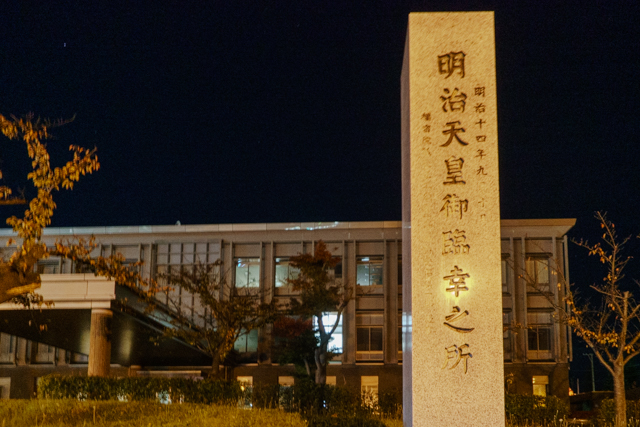
Aomori Distrct and Family Court – Hirosaki Branch
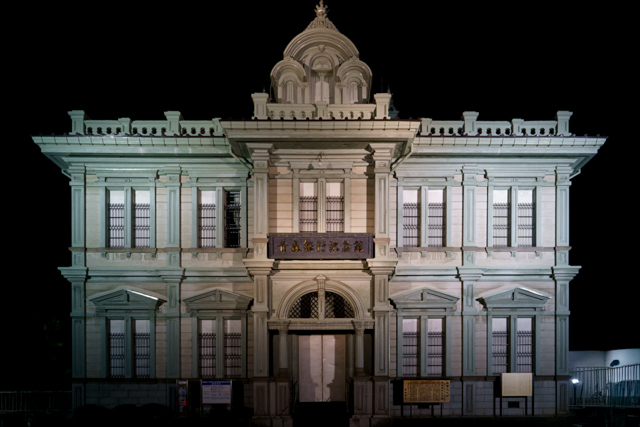
Former the 59th Bank Main Office Main building: A fire-resistant Meiji-era hybrid of Japanese and Western design, now an Important Cultural Property.
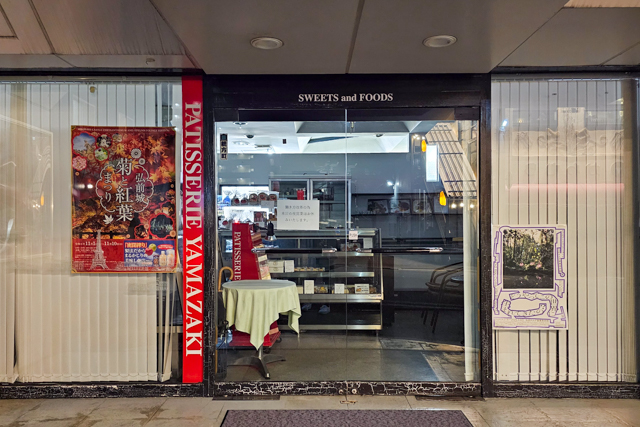
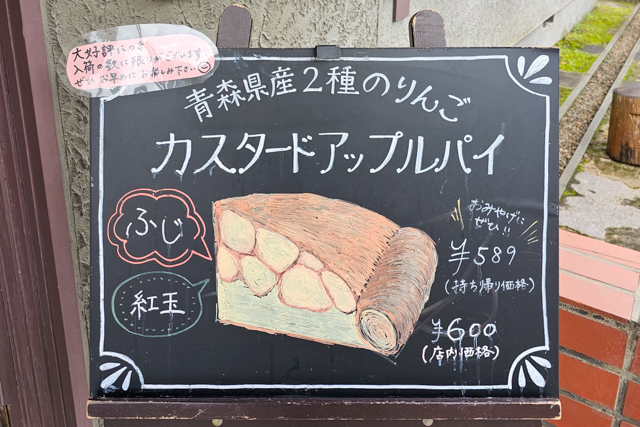
A stop by Patisserie Yamazaki for their special apple pie was not fruitful, as they were closed unexpectedly that day.
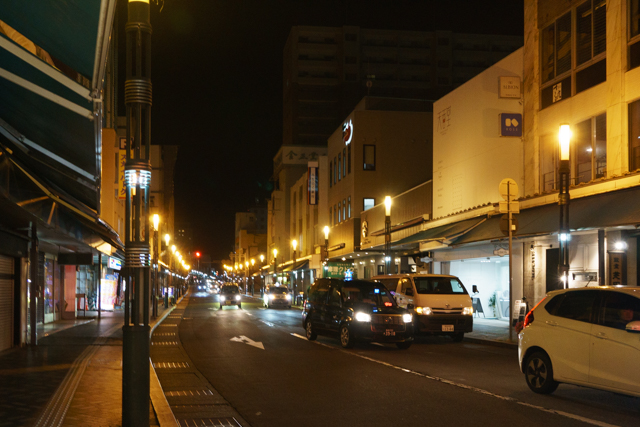
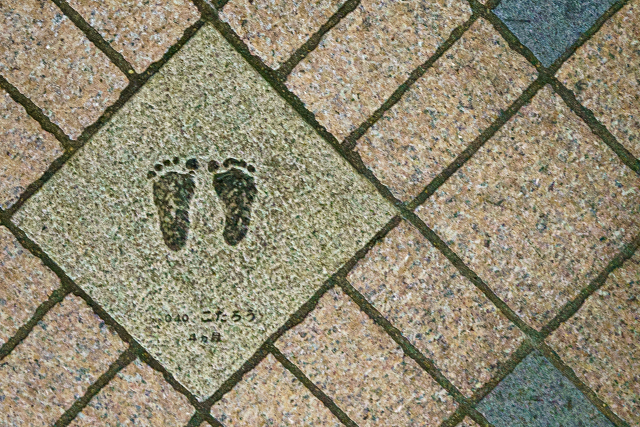
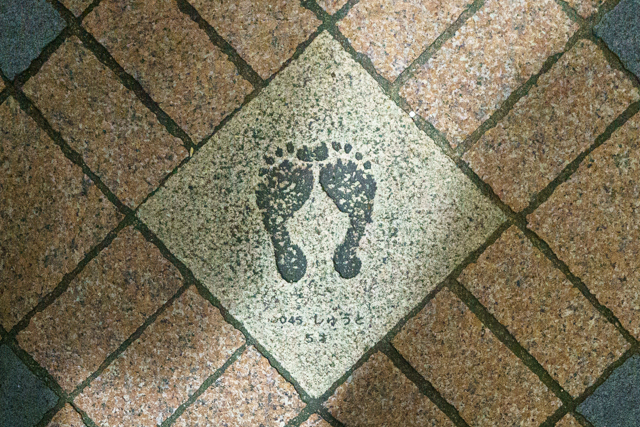
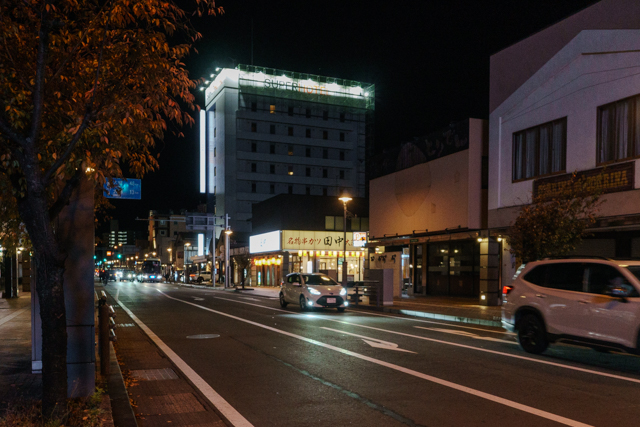
We made our way down Ekidōte Promenade, a commercial pedestrian route connecting the city centre to the station.
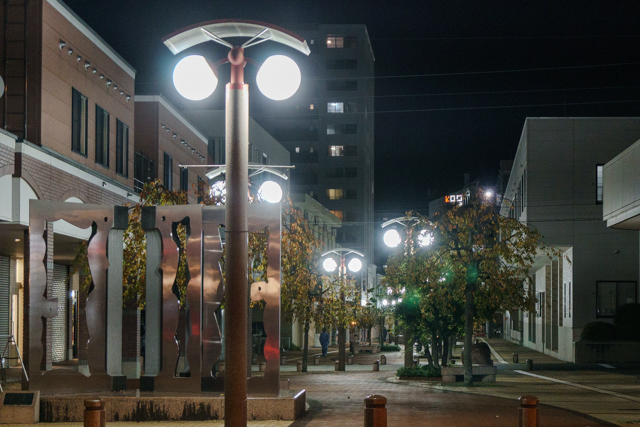
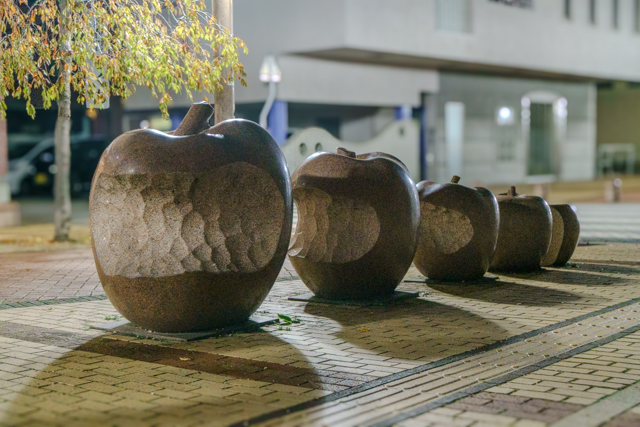
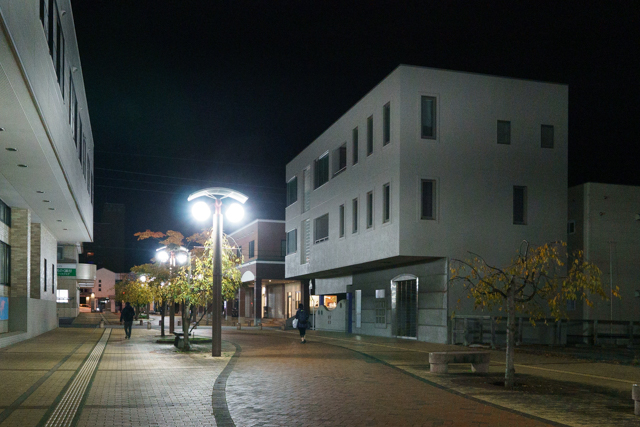
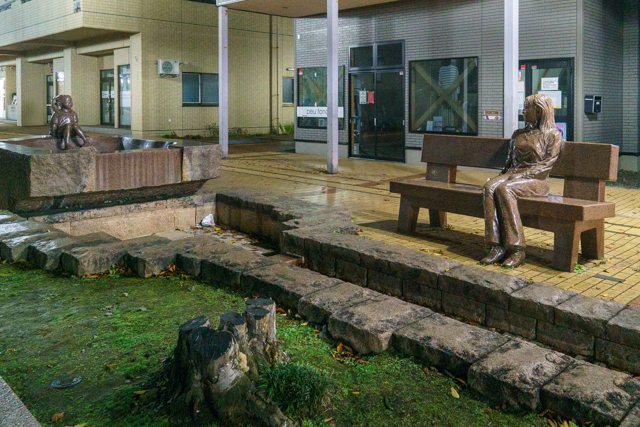
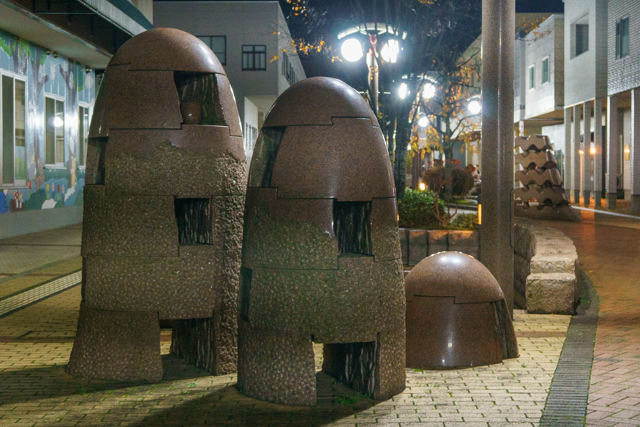
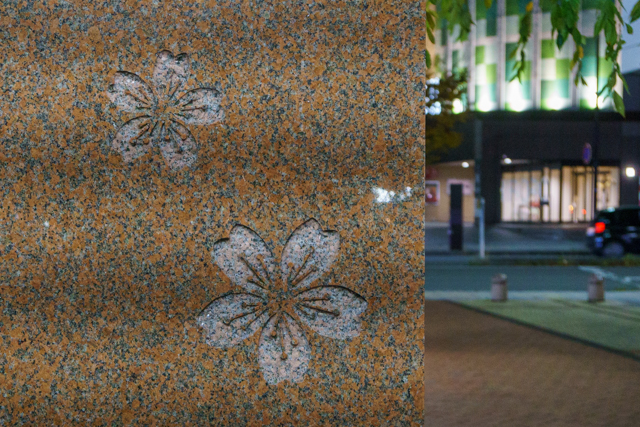
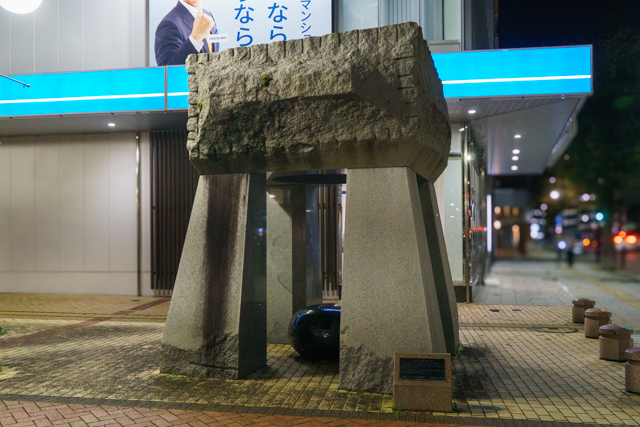
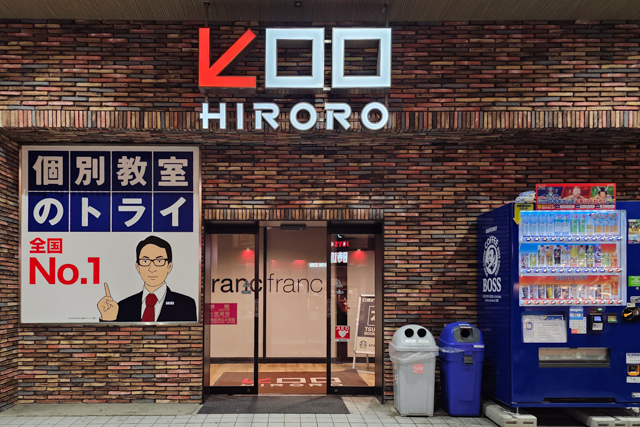
We stopped by Hiroro, a shopping centre located halfway between the city centre and our hotel.
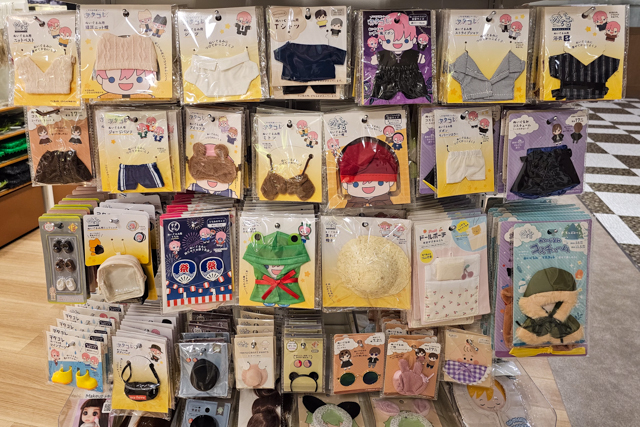
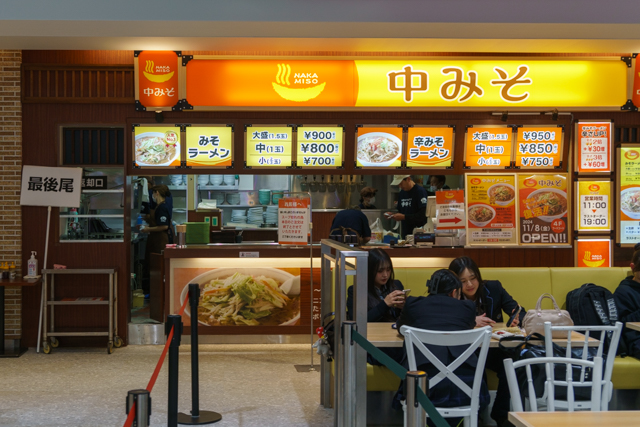
Signs indicated that Naka Miso had held its grand opening the previous day, and it appeared popular enough to require queue control and had already sold out.
Naan Curry House
ナン・カレーハウス, Inside Hiroro Kitchen, 4F Hiroro, 9-20 Ekimaecho, Hirosaki, 036-8003 Aomori, Japan
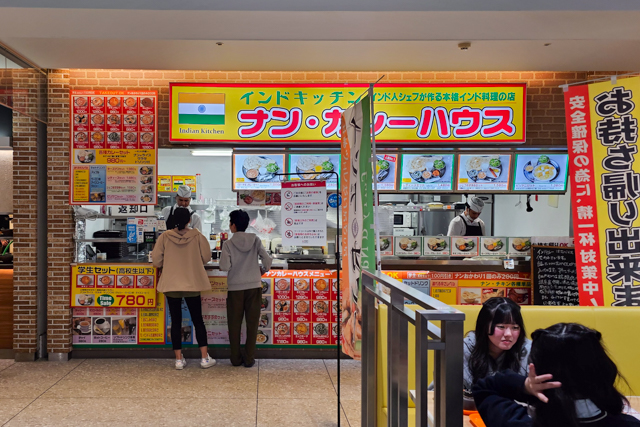
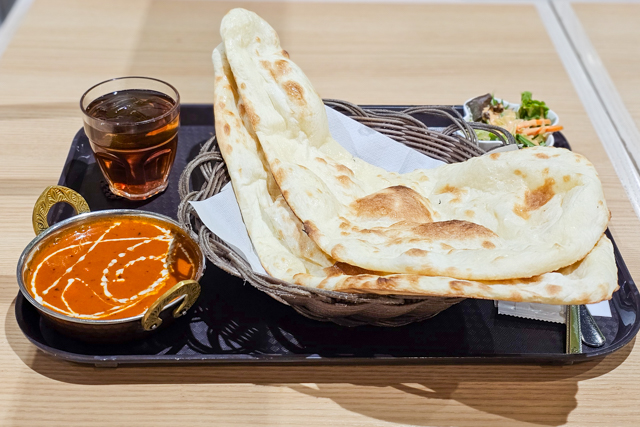
That proved no disappointment, however, as the naan and curries being enjoyed by other diners proved too tempting to ignore. What followed was one of the most satisfying Indian meals to date: freshly made to order and offered at a remarkably affordable price.
Review: Naan Curry House, Hirosaki
Aomori–Hirosaki formed part of Day 9 of a 14-day journey through Japan’s Tōhoku region in 2024.