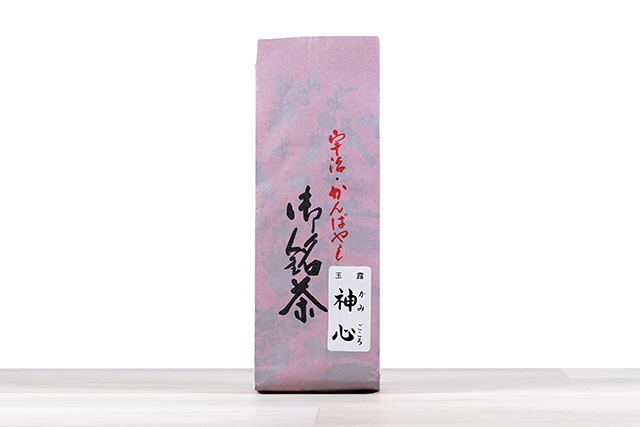
Gyokuro is a type of shaded green tea from Japan. It differs from the standard sencha by being grown under the shade rather than the full sun, and from kabusecha by being grown under the shade for three weeks rather than the usual one. It is one of the highest grades of Japanese green tea.
The Uji district is the oldest gyokuro-producing region in Japan. So, of course, we sourced this Ocha no Kanbayashi Kami Gyokuro when we visited the shop in Uji during our 2015 Japan trip. We’d sampled their highest grade (¥10,800 per 100g), which you can eat dry, before settling for this more affordable kami gyokuro.
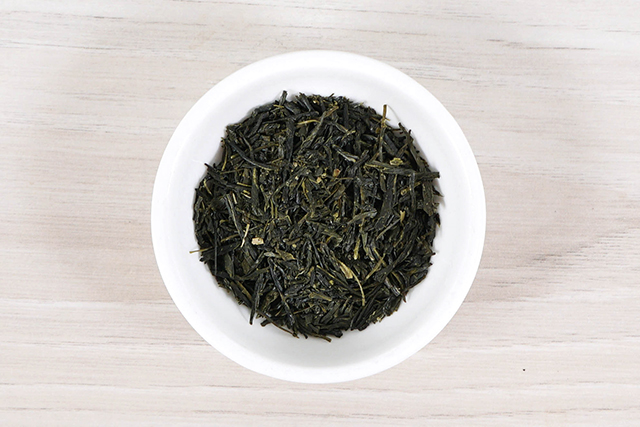
Japanese green tea differs from Chinese green tea as the leaves are first steamed (rather than roasted) for between 15-20 seconds to prevent oxidization and then rolled, shaped, and dried to create the customary thin cylindrical shape of the tea. This method of steaming results in Japanese green tea having a more vegetal or grassy flavour.
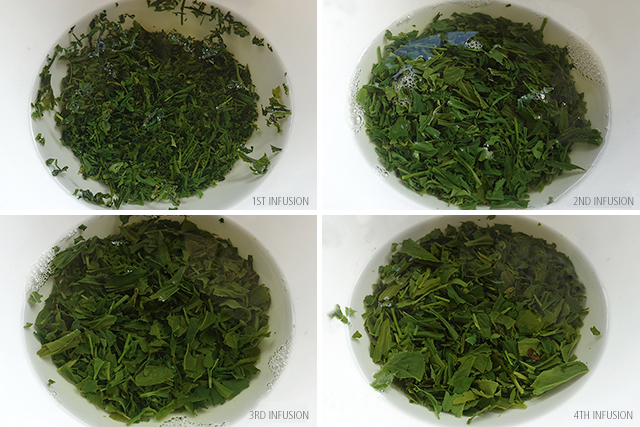
While many teas are served hot and consumed to quench thirst, gyokuro is meant to be savoured and not rushed. It uses twice the amount of leaf (1 g/30 ml) used for sencha. The first infusion is steeped at a comfortable 50-60°C for 90 seconds until the tea leaves begin to unfurl with great care taken not to agitate the tea leaves. This first infusion awakens the leaves, so subsequent infusions (up to 4-5) are for 60 seconds in water ~5°C warmer than each previous.
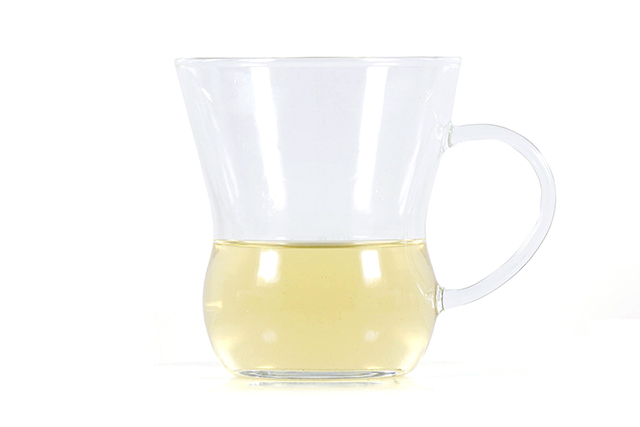
For the first infusion: steeping 3.5 g of loose leaf in 100 mL of water at 55°C for 1.5 minutes, the infusion was a clear pale yellow-green colour much like ‘jade dew’ (literal translation of gyokuro) with a brothy aroma. Served hot, the infusion has a smooth mouthfeel with a strong ‘brothy’ umami quality — due to being rich in theanine — akin to dashi that persists from the start of each sip through to an astringent finish like an unripe stonefruit.
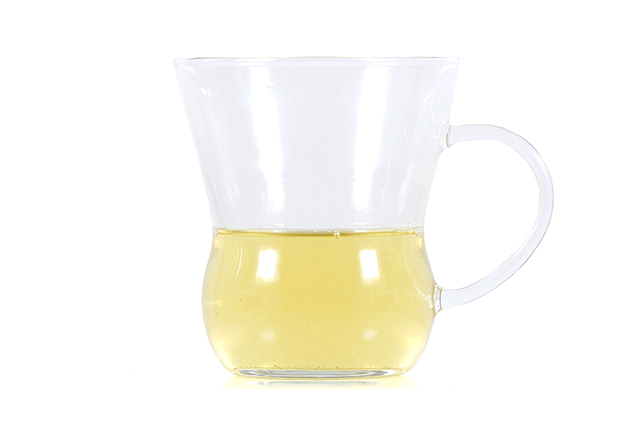
For the second infusion: re-steeping in 100 mL of water at 60°C for 1 minute, the infusion was a cloudy, slightly darker yellow-green colour with a grassier quality to the brothy aroma. Served hot, grassy notes came through at the head of each sip with a gentle umami quality in the body before an astringent finish.
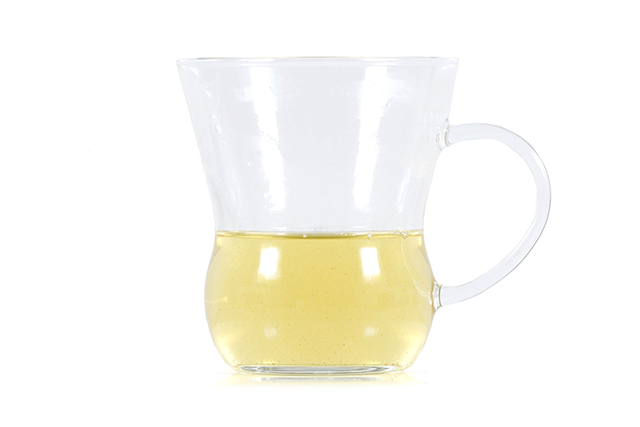
For the third infusion: re-steeping in 100 mL of water at 65°C for 1 minute, the infusion is clearer than the second infusion but cloudier than the first infusion with a greener colour and a vegetal aroma. Served hot, a crisp vegetal flavour persists throughout the sip without the grassiness of the second infusion but with a hint of lingering umami in the background that’s without the brothiness of the first or second infusions.
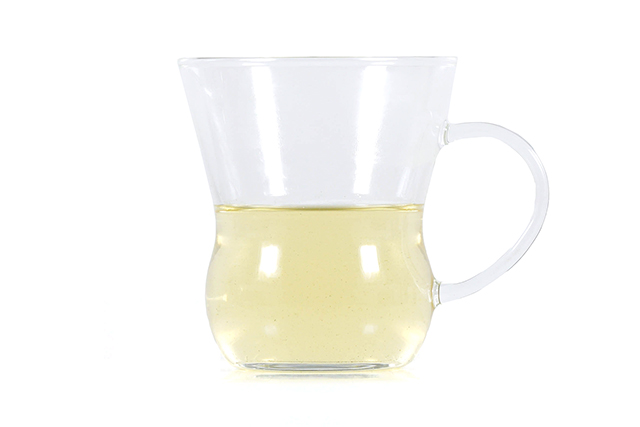
For the fourth infusion: re-steeping in 100 mL of water at 70°C for 1 minute, the infusion was a clear green colour and vegetal aroma. Served hot, all hint of brothiness is gone with only the crisp vegetal notes of the gyokuro remaining through to the finish without any astringency.
Of the four infusions, the first and the third are my favourite – the first is packed with umami, which is lost by the fourth but lingered in the third without the astringency and leafiness of the second.
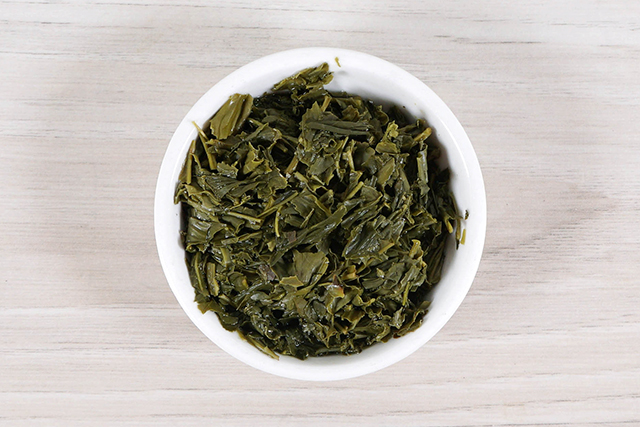
This Ocha no Kanbayashi Kami Gyokuro contained 100 g. The originated in Japan and was purchased in Uji, Kyōto, Japan in 2015.