Kyōto – Arashiyama
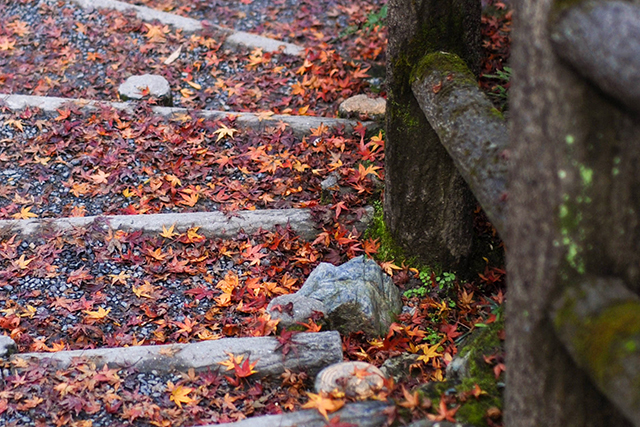
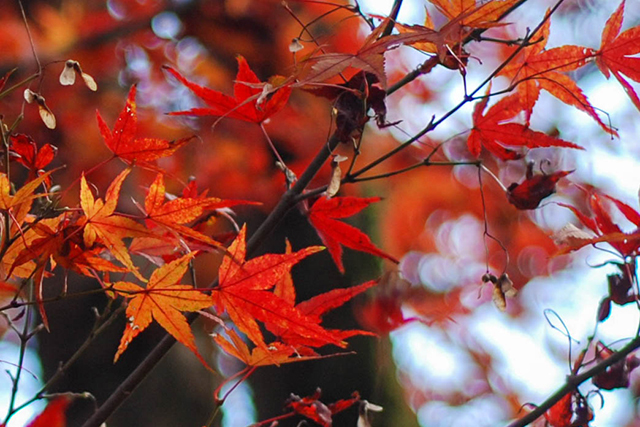
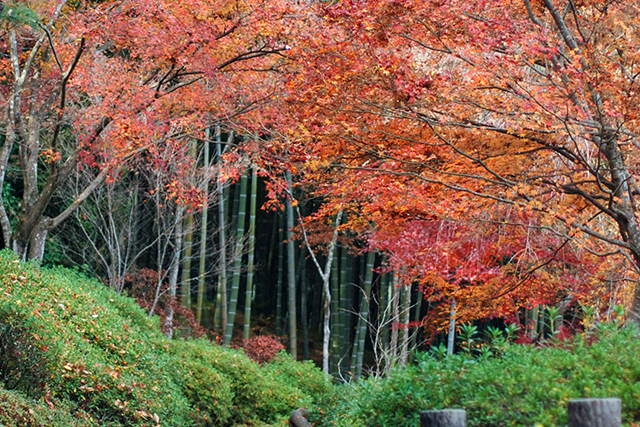
Arashiyama is a district on the western outskirts of Kyōto, Japan. Due to issues with an SD card, photos from Togetsukyo Bridge and Tenryuji Temple proper have been lost, so we begin with the garden from Tenryuji.
Tenryu-ji
天龍寺, 68 Sagatenryuji Susukinobabacho, Ukyo Ward, Kyōto, 616-8385, Japan.
Tenryuji is the most important temple in Kyōto’s Arashiyama district. Tenryuji was built in 1339 by the ruling shogun Ashikaga Takauji. Takauji dedicated the temple to Emperor Go-Daigo, who had just passed away. The two important historic figures used to be allies until Takauji turned against the emperor in a struggle for supremacy over Japan. By building the temple, Takauji intended to appease the former emperor’s spirits.
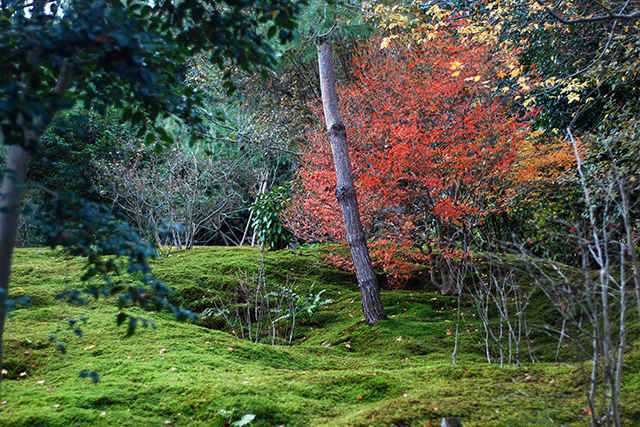
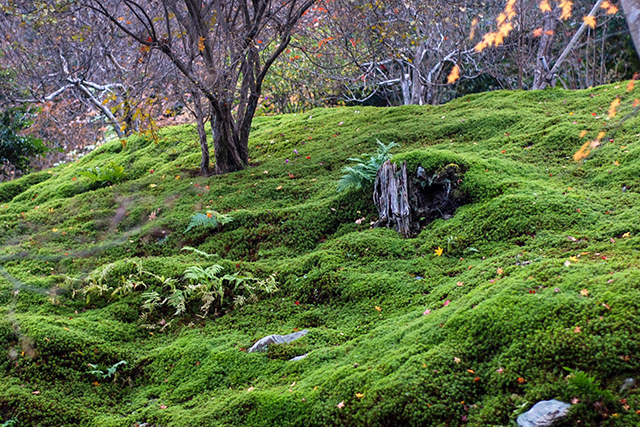
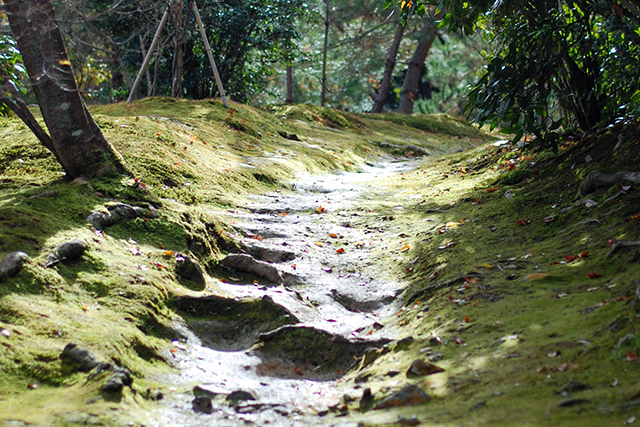
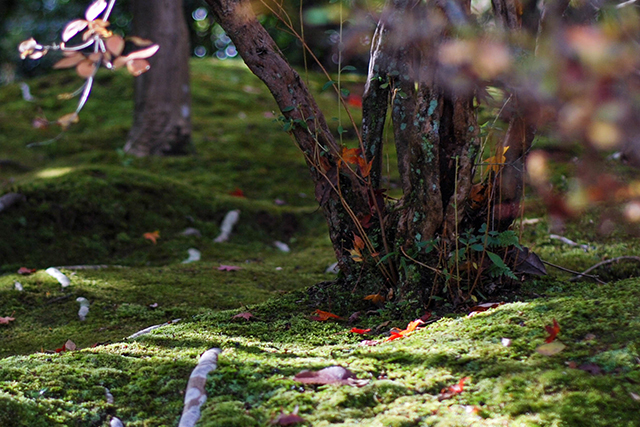
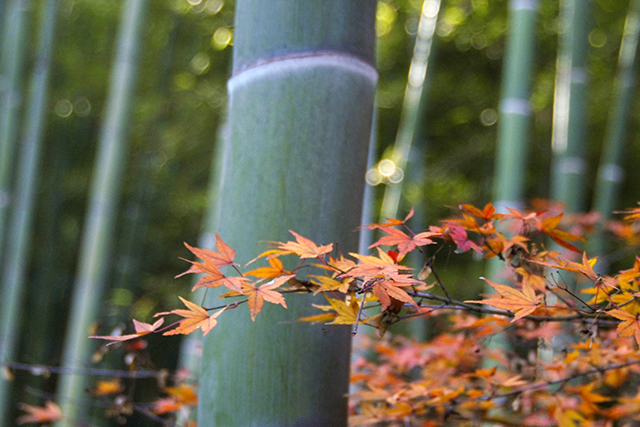
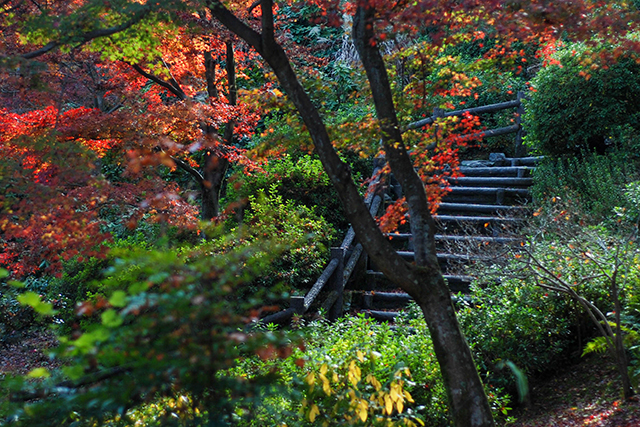
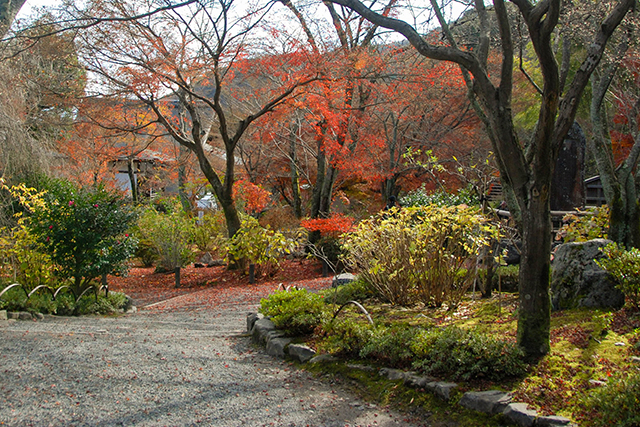
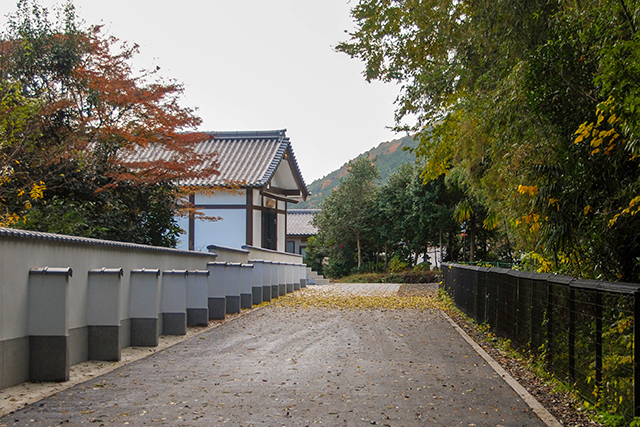
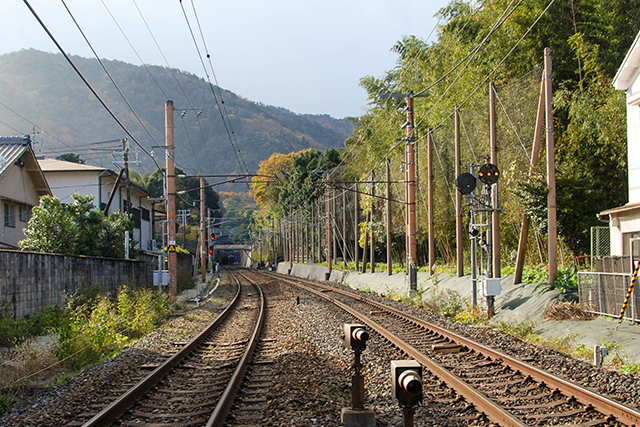
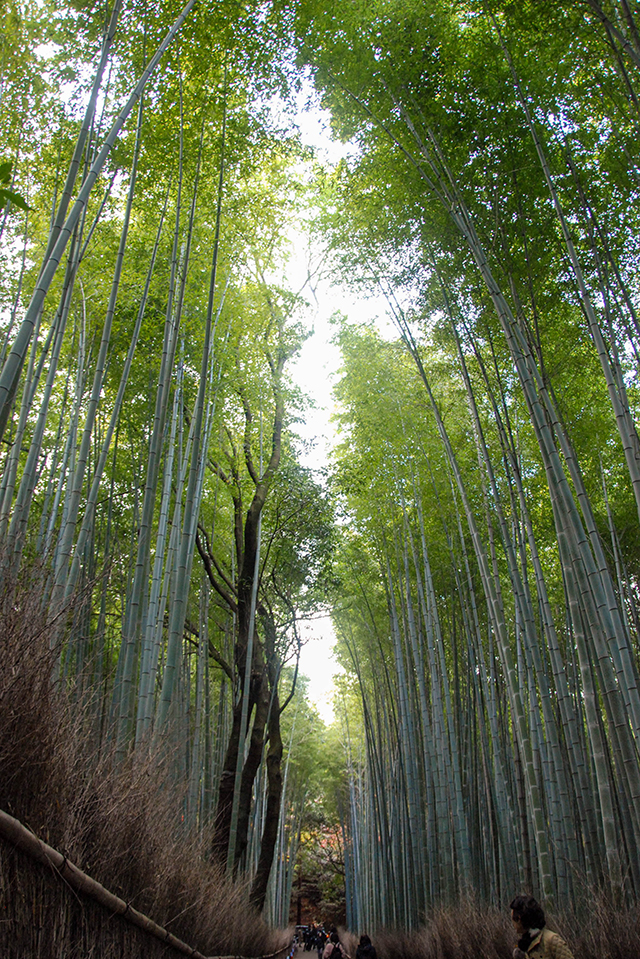
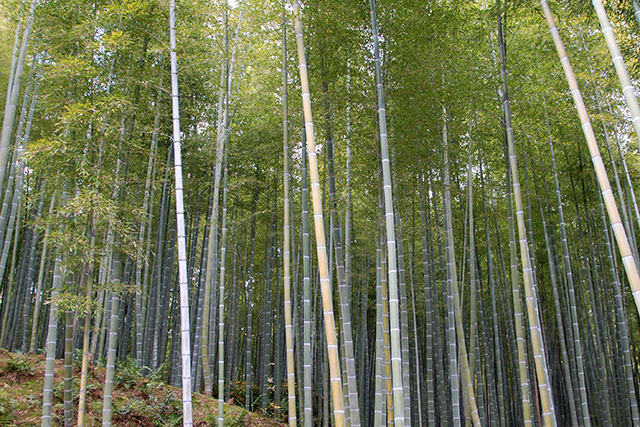
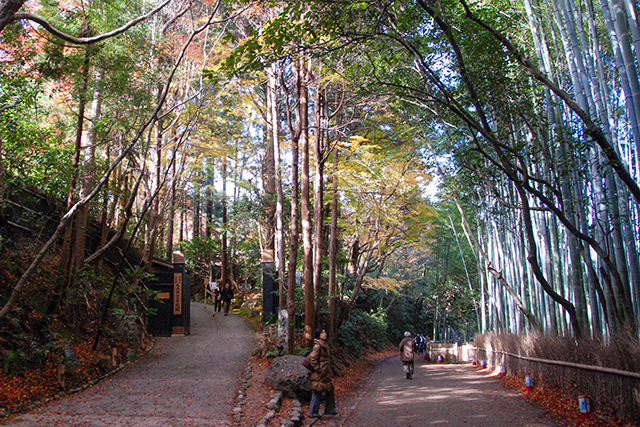
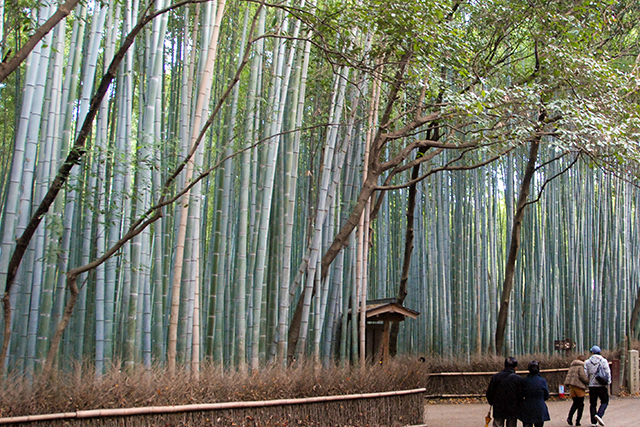
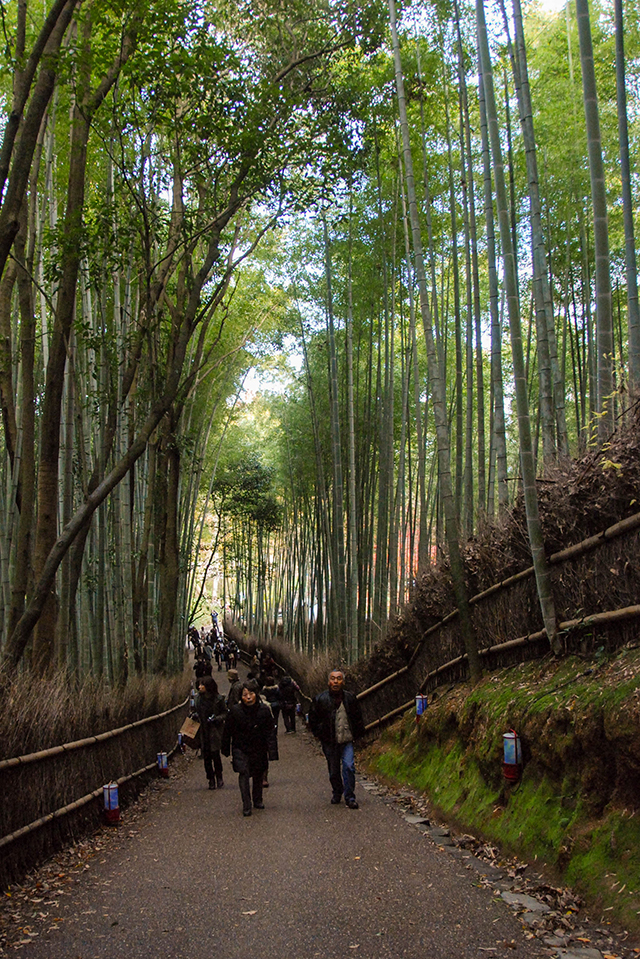
Bamboo Groves
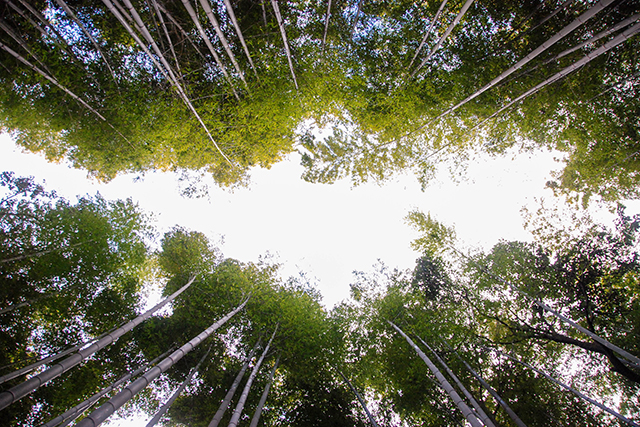
Situated just outside Tenryu-ji are bamboo groves that make for a pleasant walk as a light wind causes the bamboo stalks to sway gently back and forth.
Kyōto – Sagano
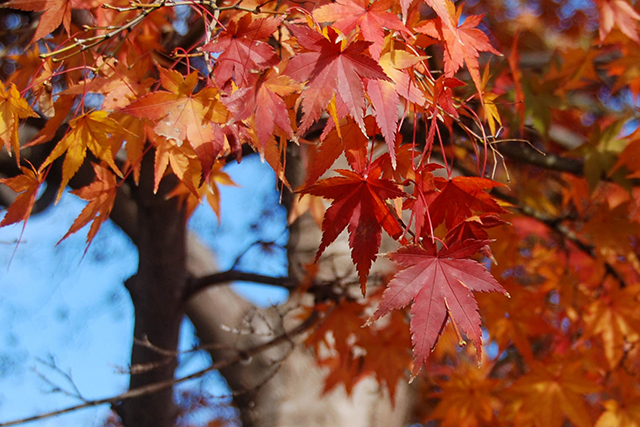
Daikaku-ji
大覚寺, 4 Sagaosawacho, Ukyo Ward, Kyōto, 616-8411, Japan
Daikakuji is a large temple in the northern part of Kyōto’s Sagano district. It was originally built in the early 800s as the detached palace of Emperor Saga, who thoroughly enjoyed spending time in this calm area on the outskirts of Kyōto. Thirty years after the emperor’s death, the palace was converted into a temple and has since been one of the highest-ranked temples of Shingon Buddhism.
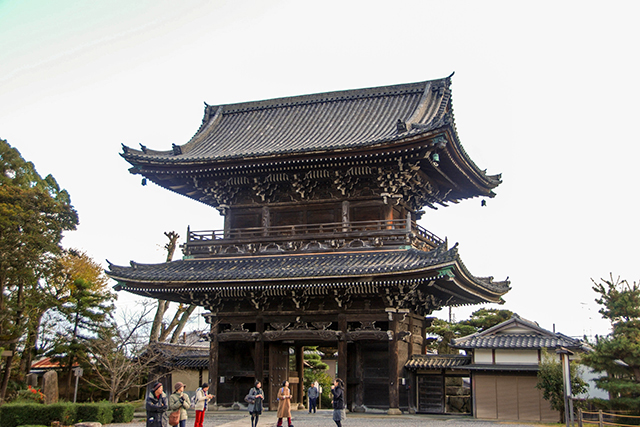
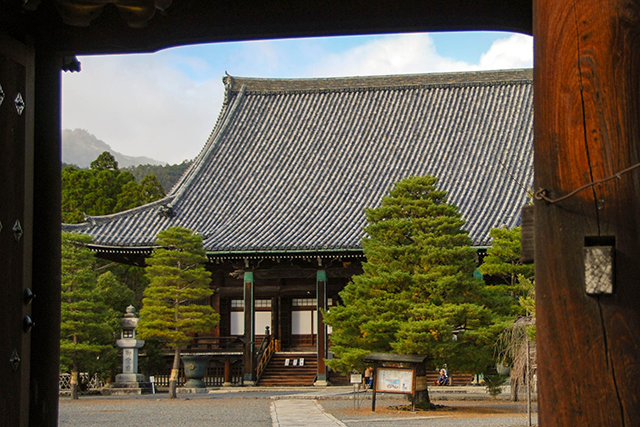
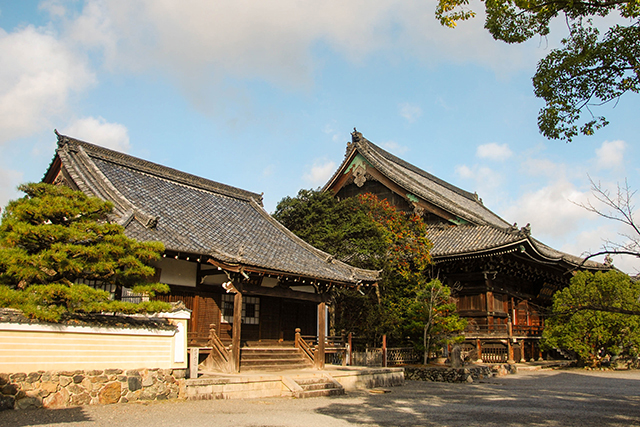
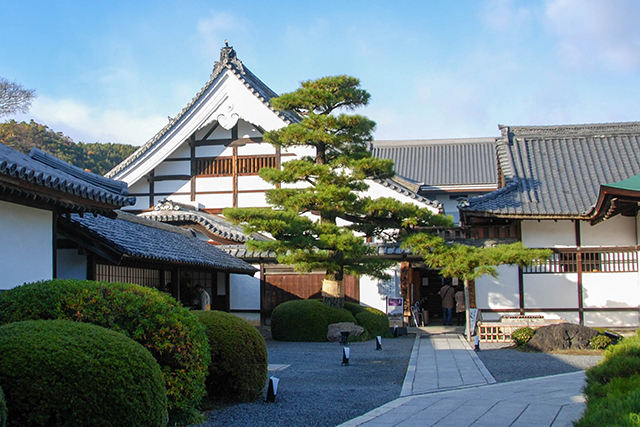
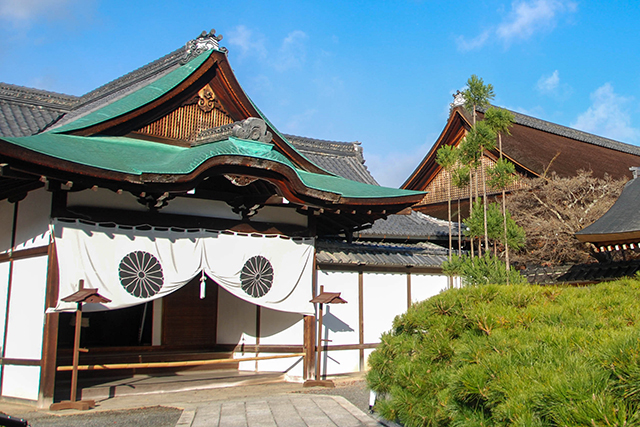
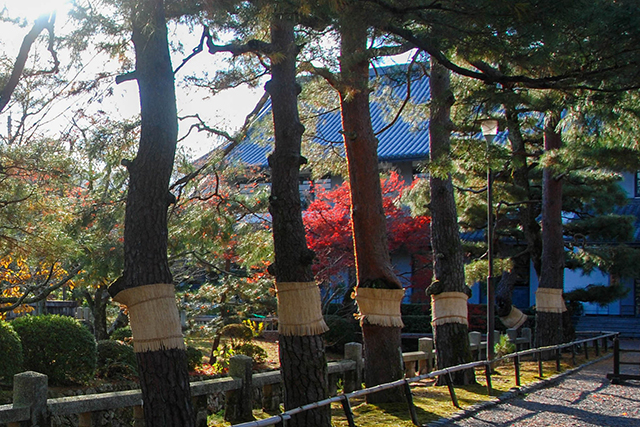
This is the Shikidai Genkan entrance to Daikaku-ji.
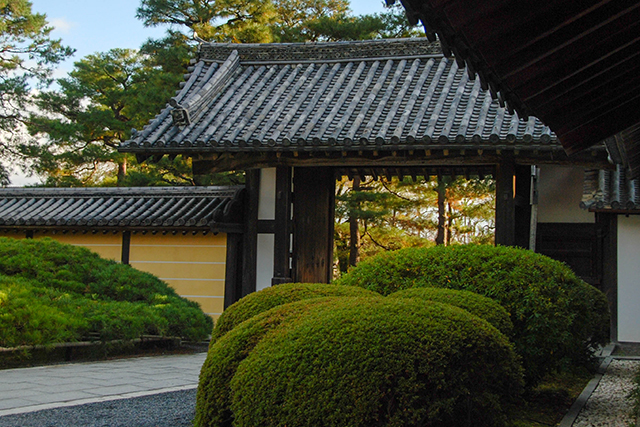
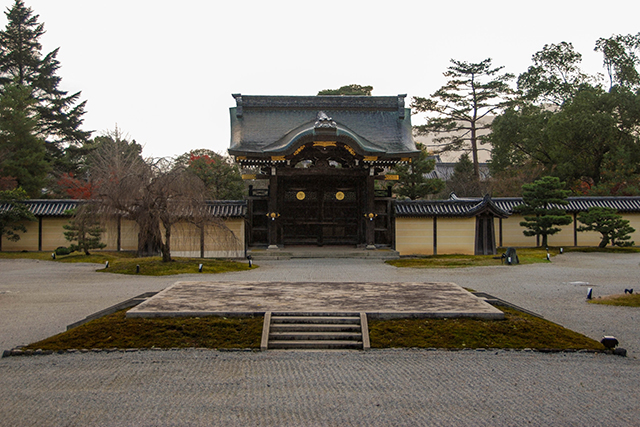
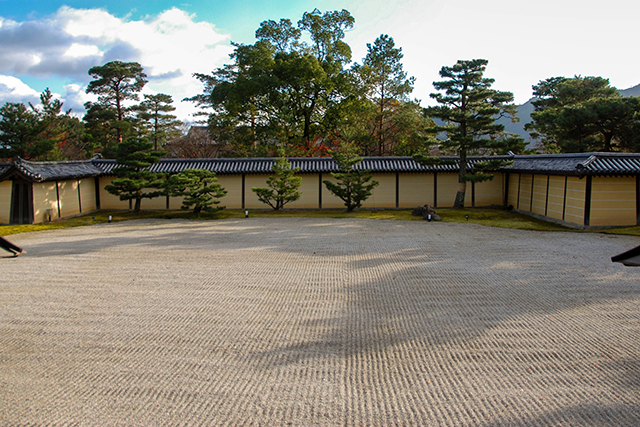
The Miedō hall
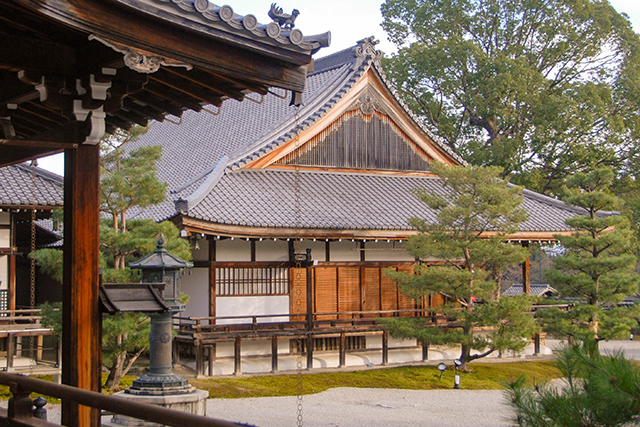
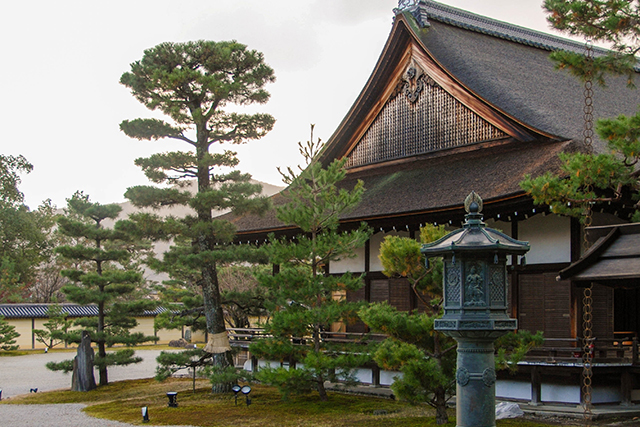
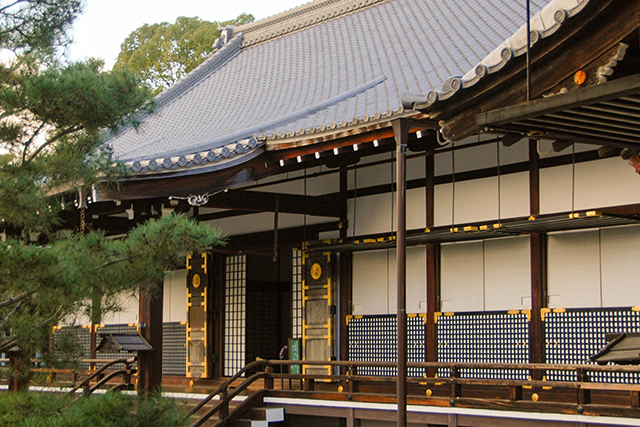
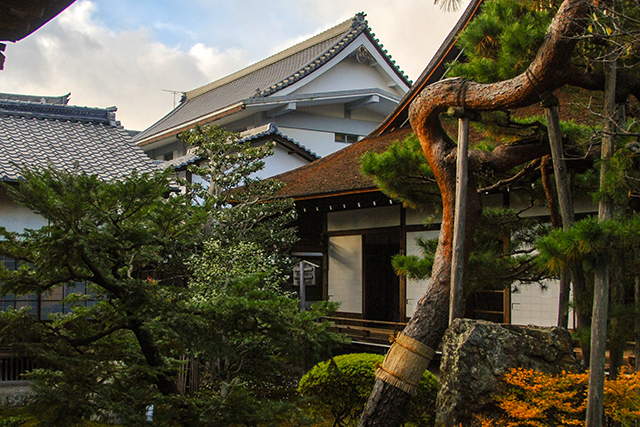
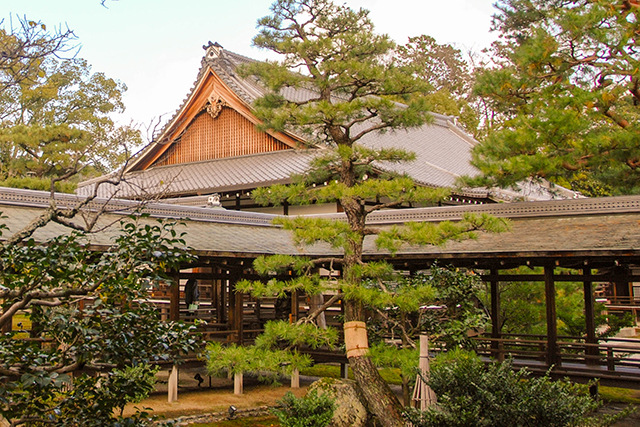
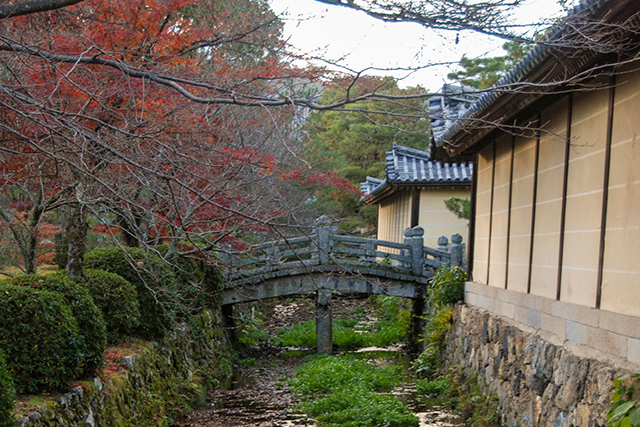
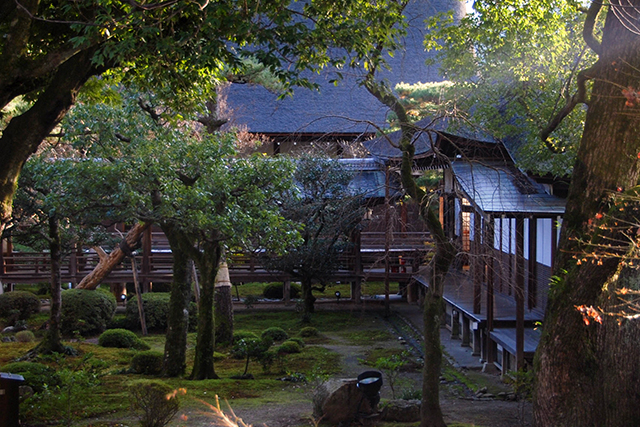
Daikakuji is made up of several buildings connected by elevated wooden walkways. The covered corridors, like the “nightingale floors” of Nijojo’s Ninomaru Palace, squeak quietly as you walk over them.
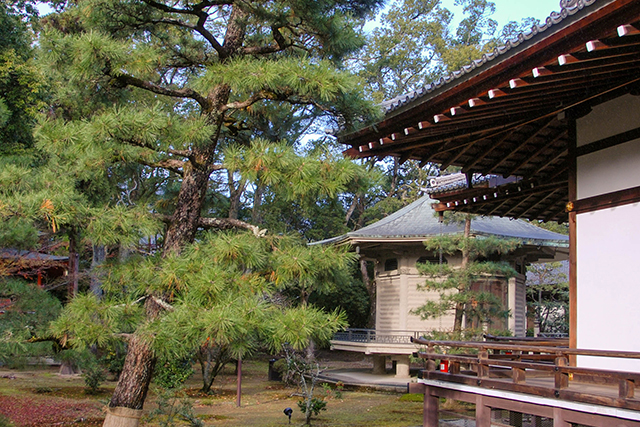
One of Daikakuji’s most important treasures is a copy of the Heart Sutra that was handwritten by Emperor Saga at the instruction of Kobo Daishi. The sutra supposedly ended a mysterious plague that was sweeping the country during the Heian Period. It is kept in the octagonal Heart Sutra Hall and exhibited to the public once every 60 years.
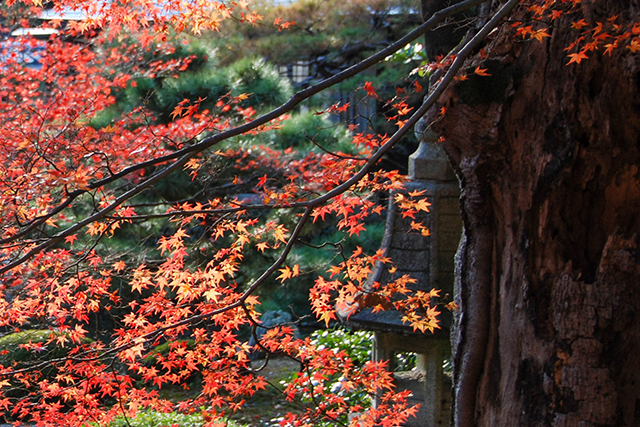
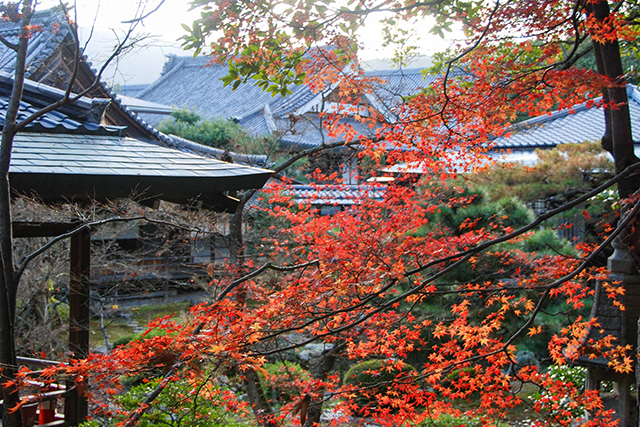
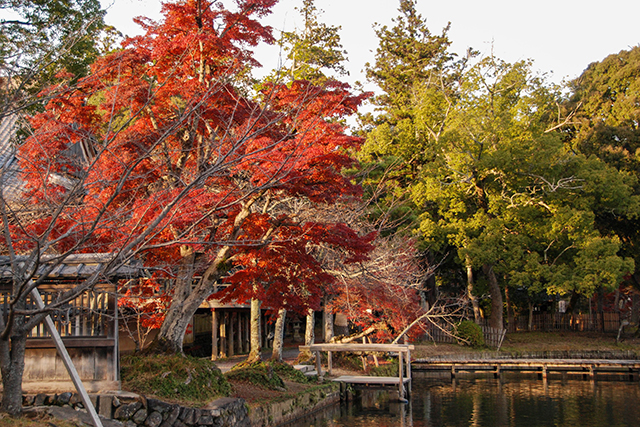
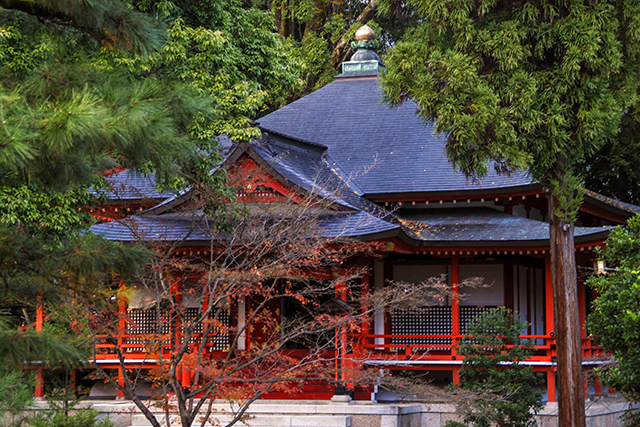
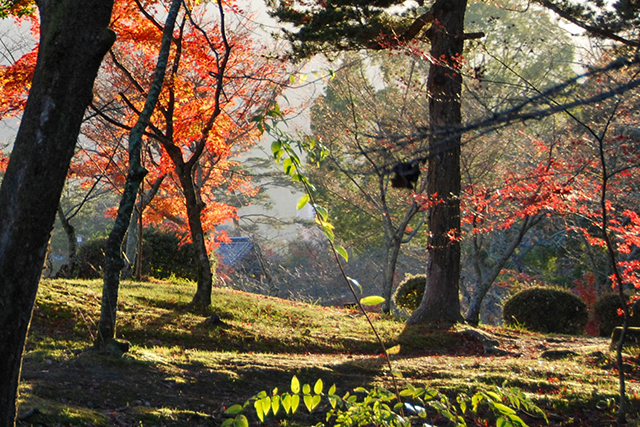
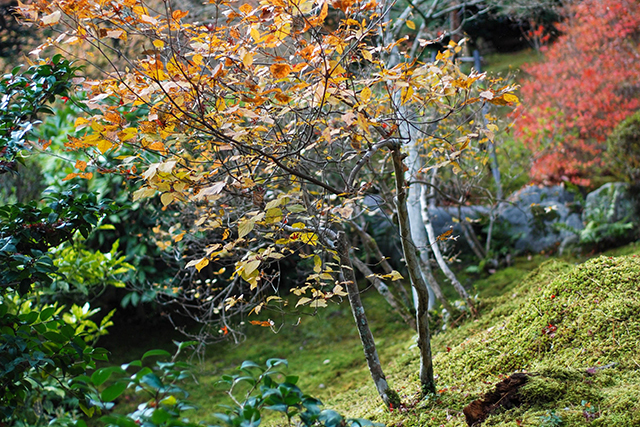
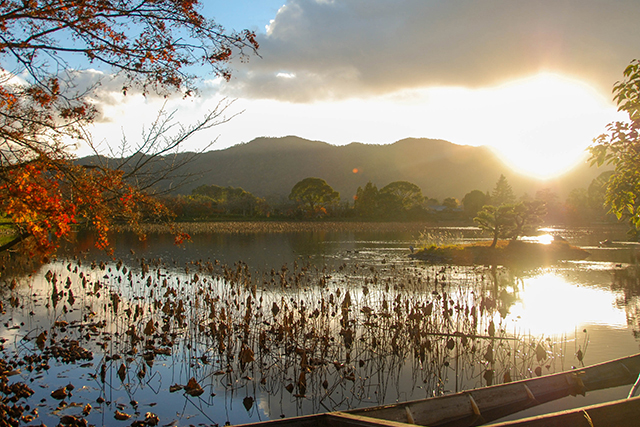
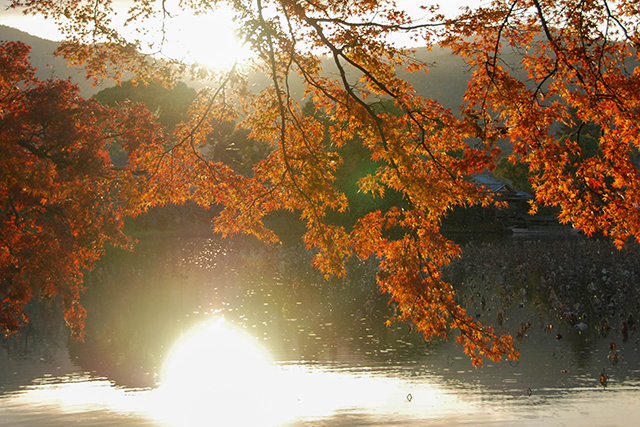
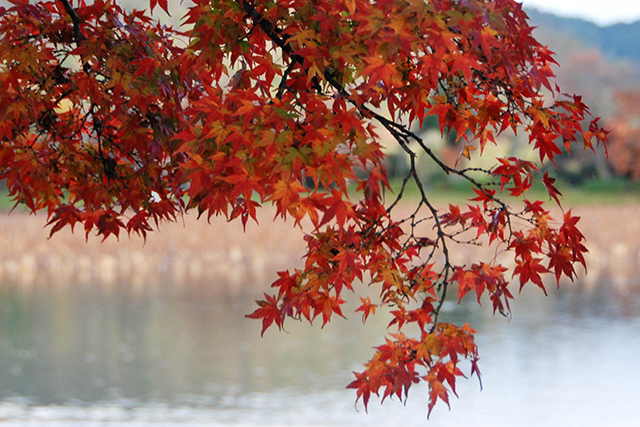
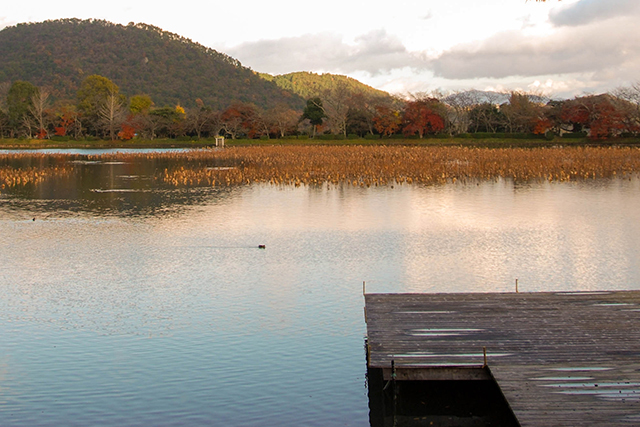
Osawa Pond
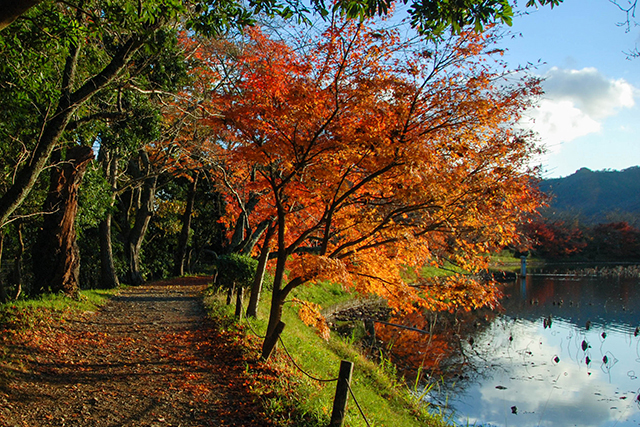
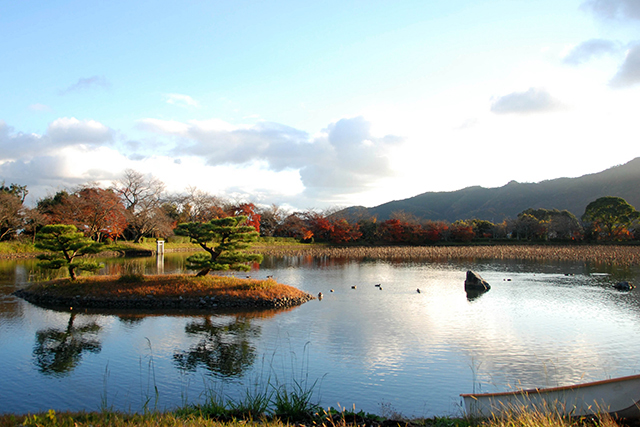
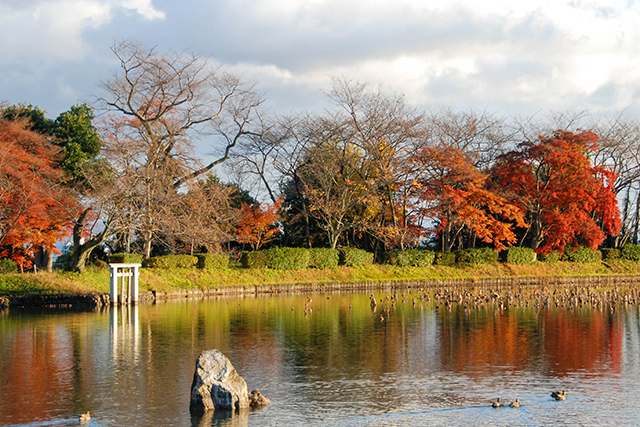
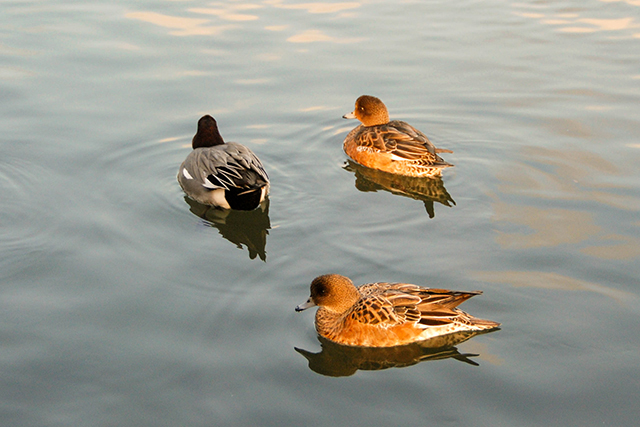
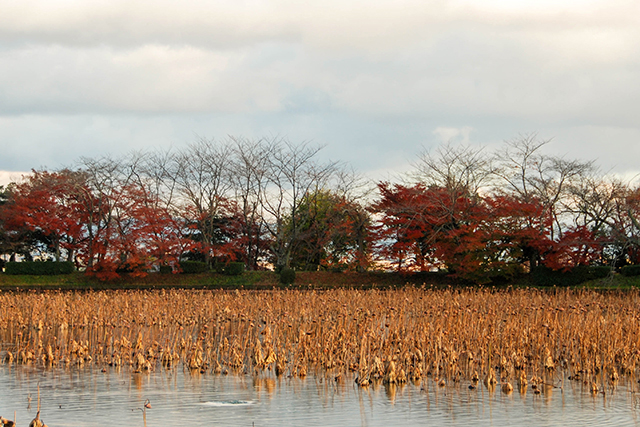
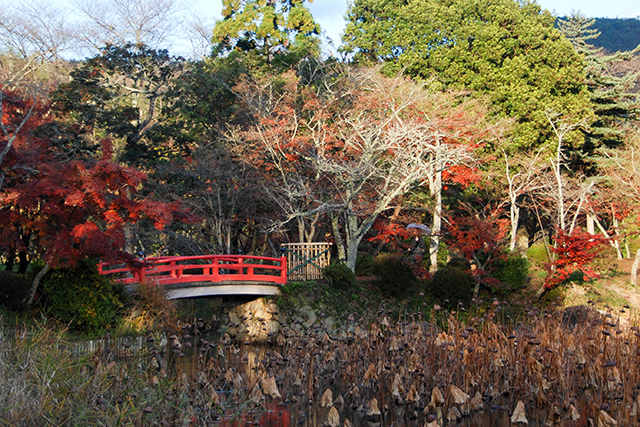
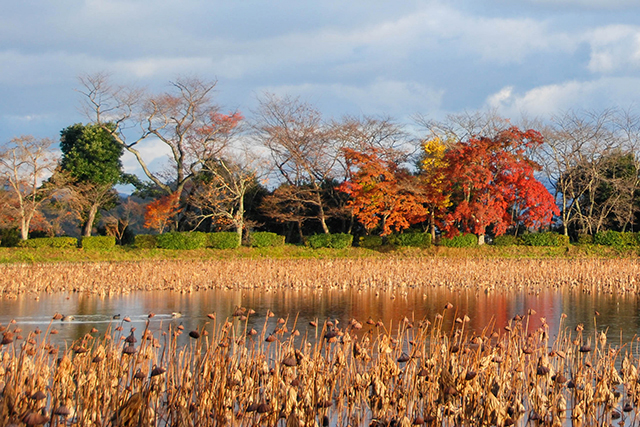
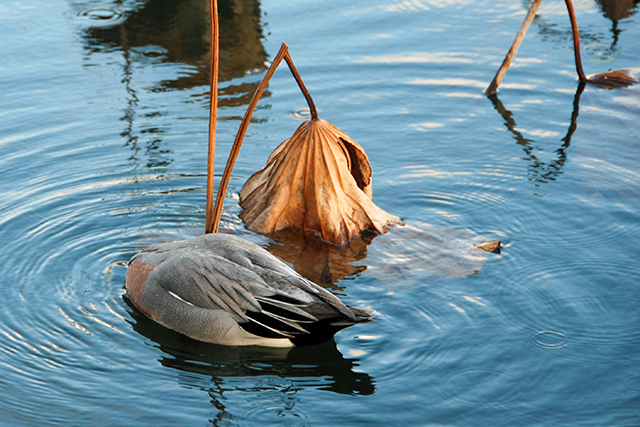
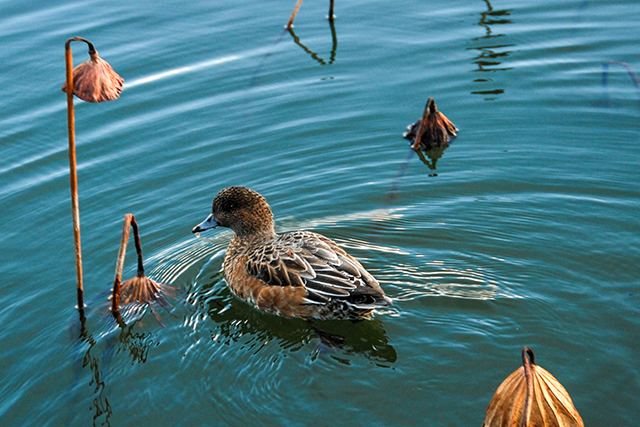
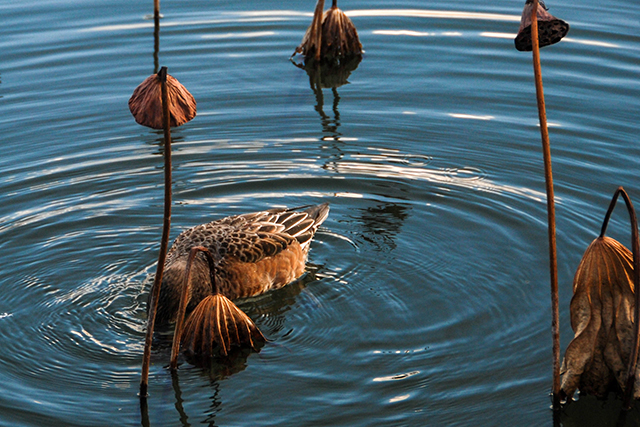
Next door to the Tenryu-ji is Osawa Pond, a 1200-year-old man-made body of water that is the oldest and last surviving (albeit incomplete) example of a Shinden-style garden. The pond was originally built for Emperor Saga’s detached palace and was used to throw elaborate parties and for recreational activities such as boating, fishing and moon viewing.
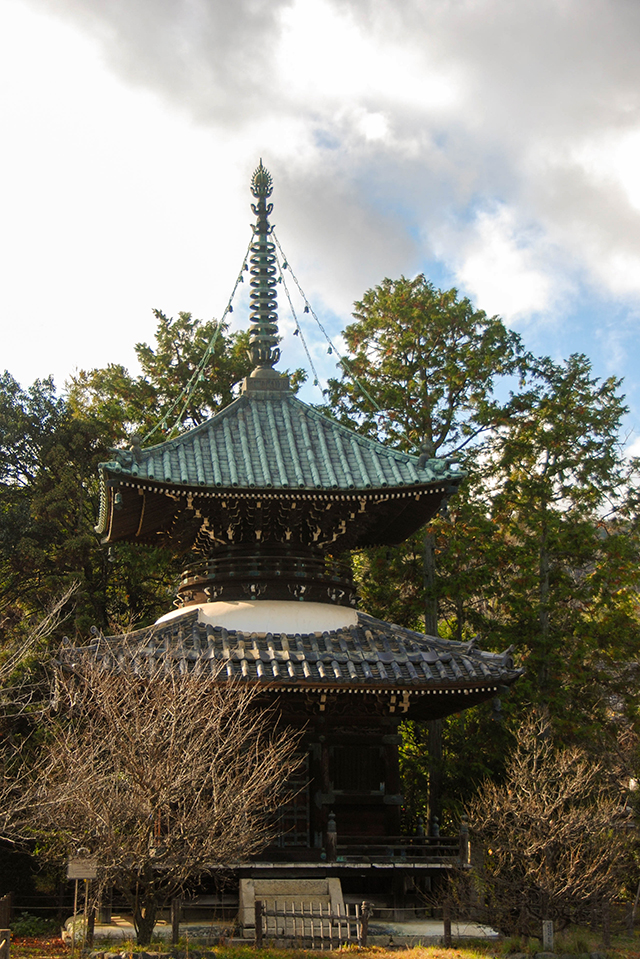
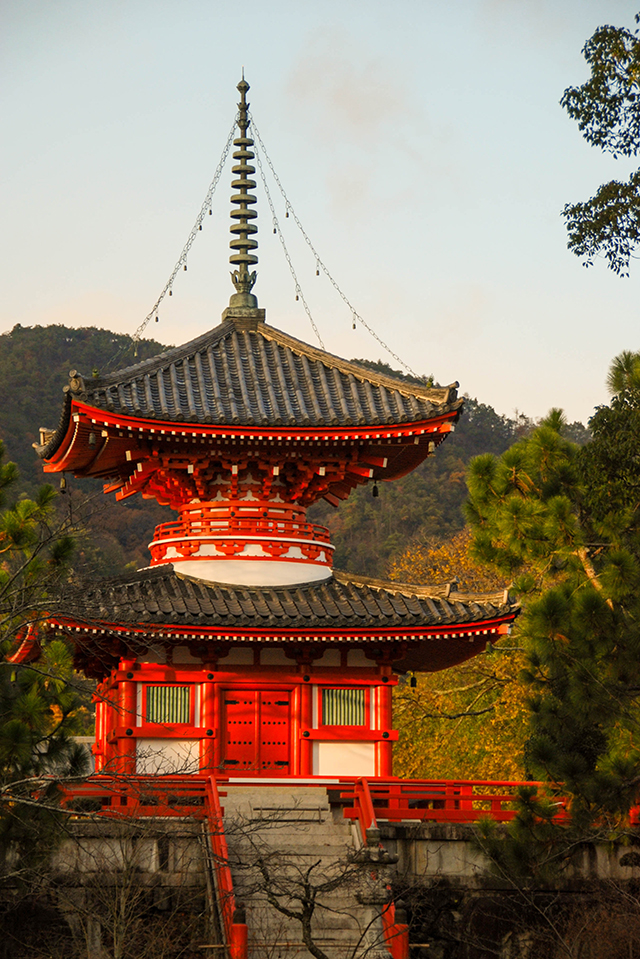
Shingyo Pagoda
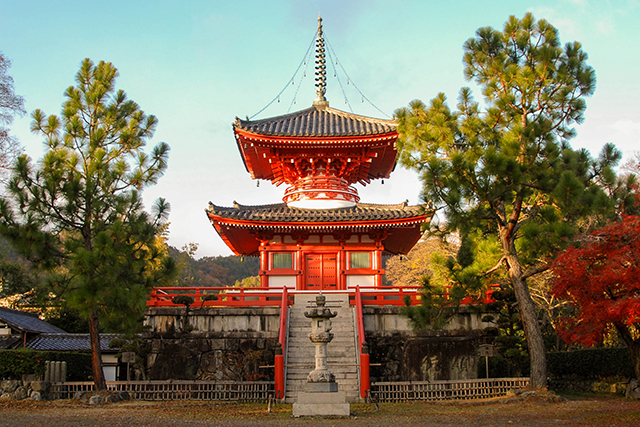
Shingyo Pagoda is a two tiered, tahoto-style pagoda erected to commemorate the 1150th anniversary of Emperor Saga writing the Heart Sutra.
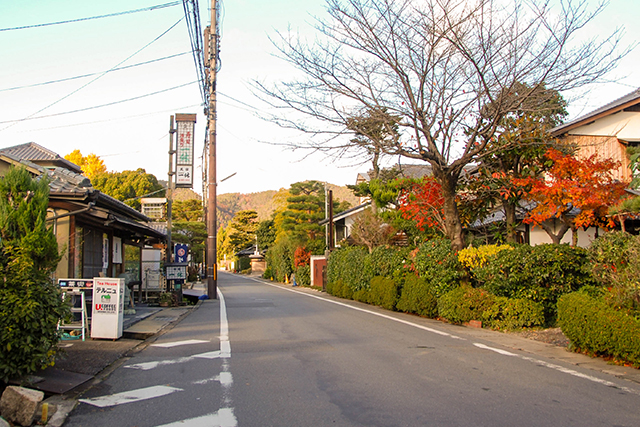
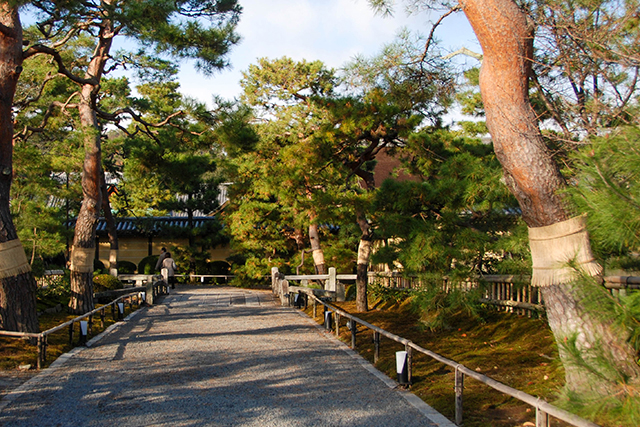
The various points of interest on the grounds of Daikaku-ji are connected by a network of walking paths.