Kyōto
Uji
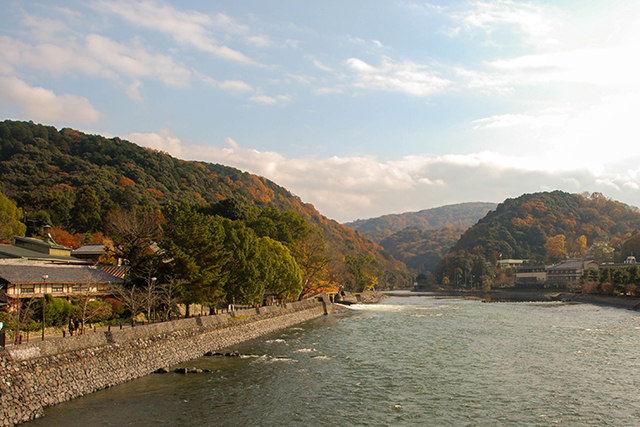
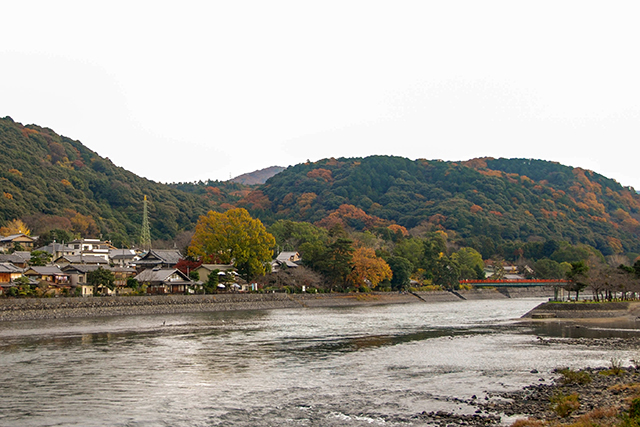
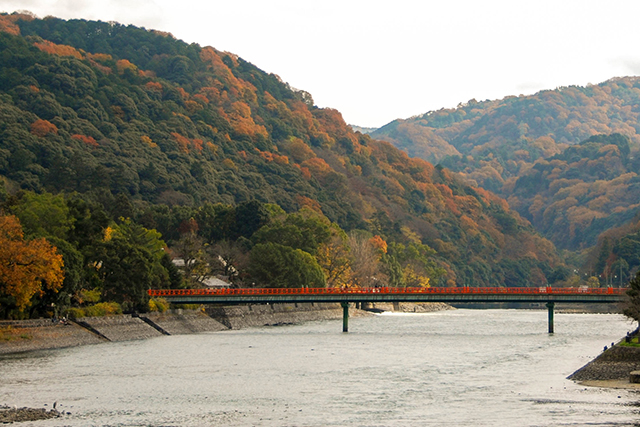
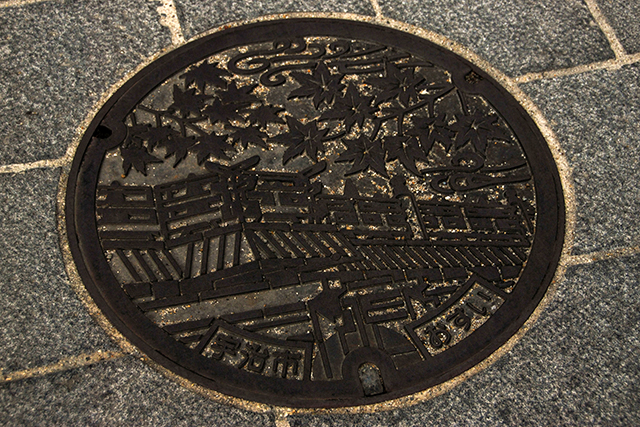
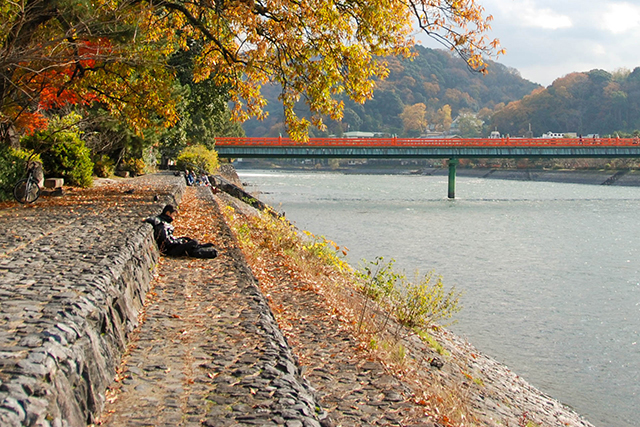
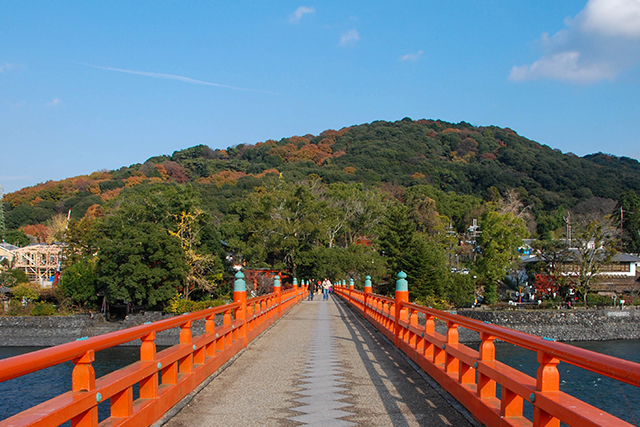
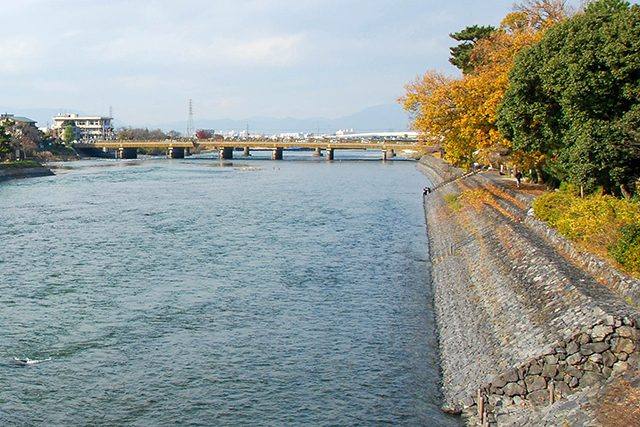
Uji is a small city situated between Kyōto and Nara, two of Japan’s most famous historical and cultural centres. Its proximity to these two former capitals resulted in Uji’s early development as a cultural centre in its own right. Uji is also famous for its green tea. While Kozanji Temple in Kyōto is believed to be the original site of tea cultivation in Japan, Uji’s tea became better known for its superior quality in the 1100s.
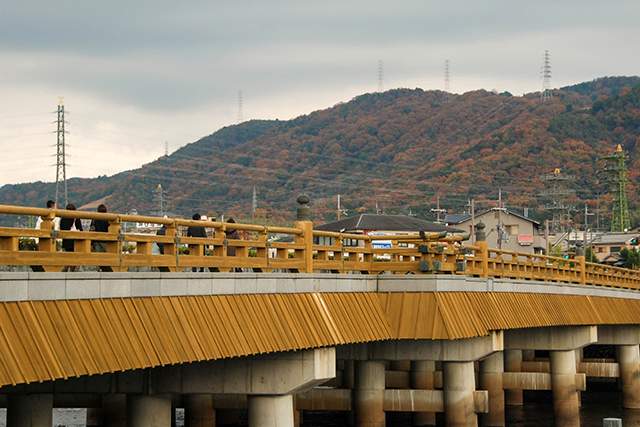
Byōdō-in
平等院, Renge-116 Uji, Kyōto 611-0021, Japan
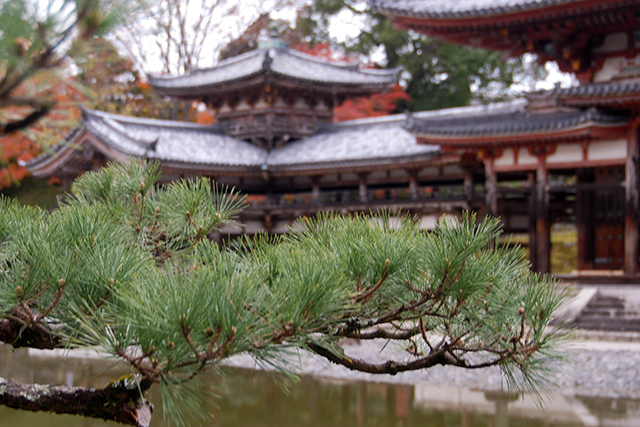
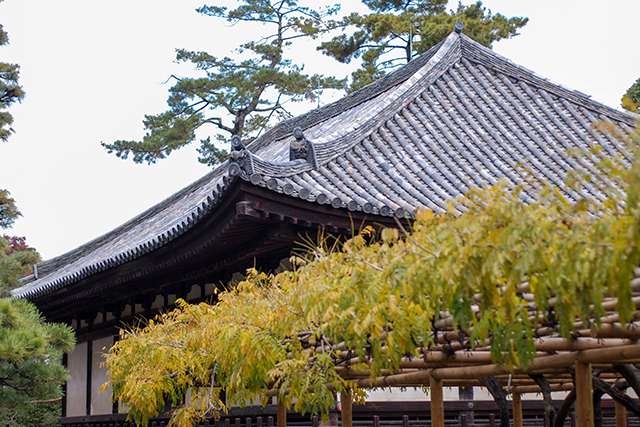
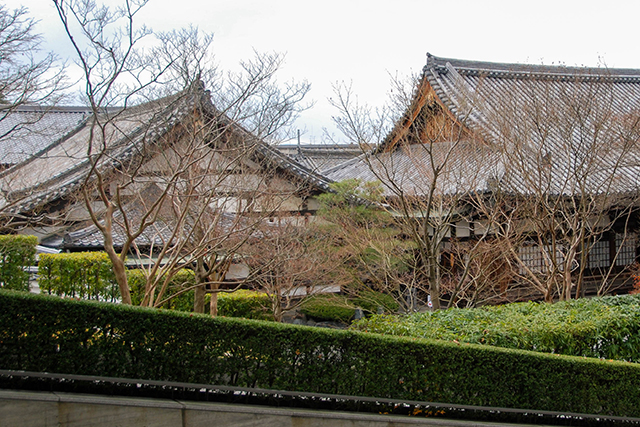
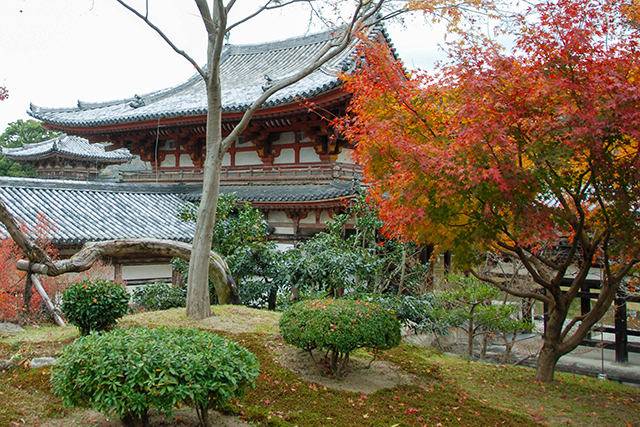
Byodoin Temple is an example of Buddhist Pure Land (Jodo) architecture. Together with its garden, the temple represents the Pure Land Paradise and influenced later temple construction. Byodoin was initially built in 998 as a countryside retreat villa for the powerful politician Fujiwara no Michinaga, not as a temple.
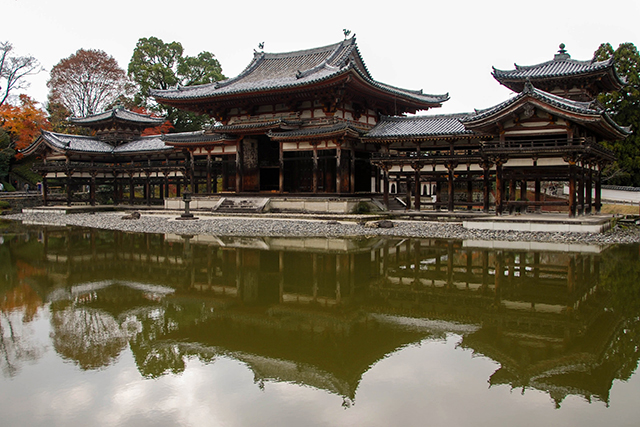
Michinaga’s son turned Byodoin into a temple and ordered the construction of its most spectacular feature, the Phoenix Hall. Although the building was given another official name, almost immediately after its construction in 1053, it was nicknamed Hoodo (“Phoenix Hall”) because of its shape and the two phoenix statues on its roof. The hall is now featured on the back of the Japanese ten yen coin.
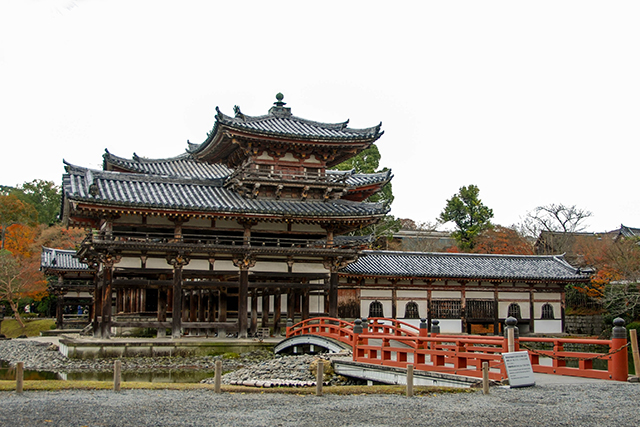
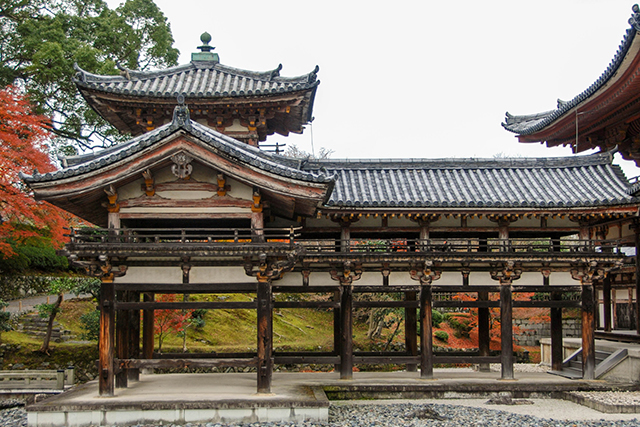
Byodoin’s buildings were repeatedly lost to fires and other calamities over the centuries, however, the Phoenix Hall was never destroyed, making it one of the few original wooden structures to survive from the Heian Period.
Fushimi
Fushimi Inari Taisha
伏見稲荷大社, 68 Fukakusa Yabunouchicho, Fushimi Ward, Kyōto, 612-0882, Japan
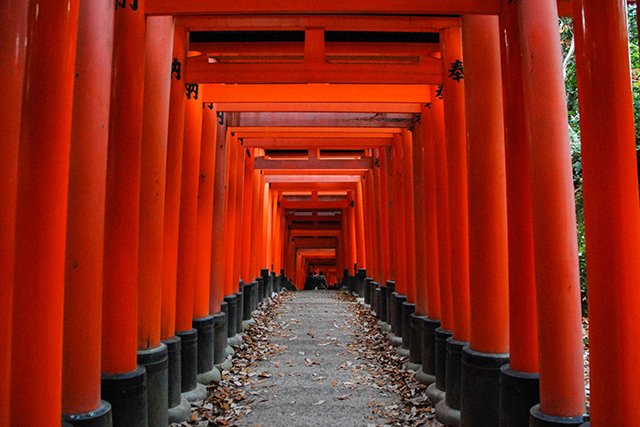
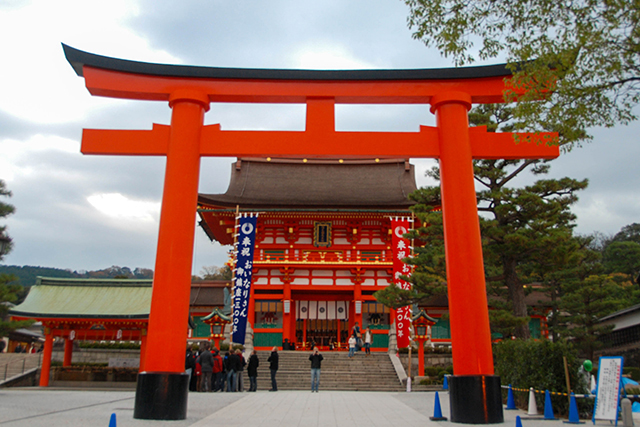
Fushimi Inari Shrine is an important Shinto shrine in southern Kyōto. It is famous for its thousands of vermilion torii gates, which straddle a network of trails behind its main buildings. The trails lead into the wooded forest of the sacred Mount Inari, which stands at 233 meters and belongs to the shrine grounds.
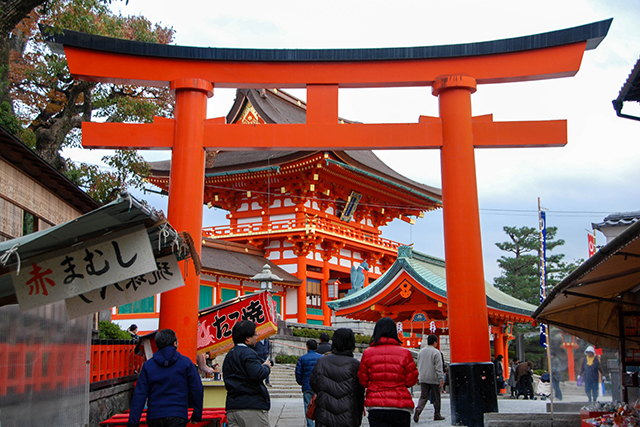
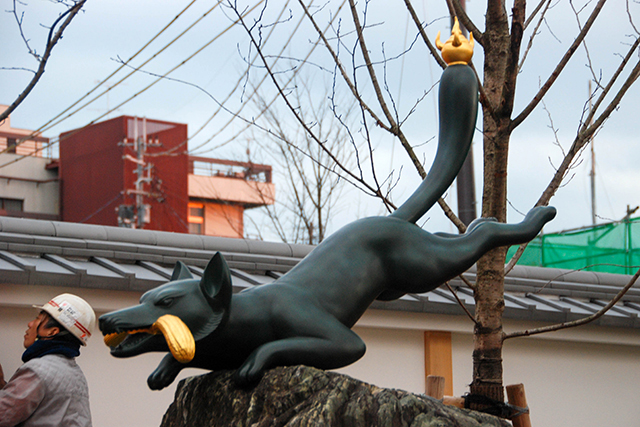
Fushimi Inari is the most important of several thousands of shrines dedicated to Inari, the Shinto god of rice. Foxes are thought to be Inari’s messengers, resulting in many fox statues across the shrine grounds. Fushimi Inari Shrine has ancient origins, predating the capital’s move to Kyōto in 794.
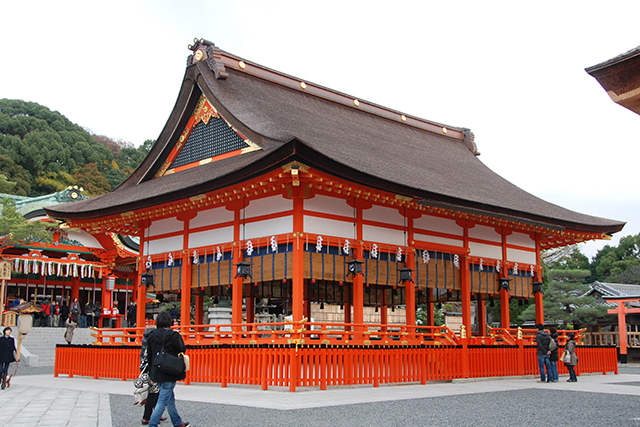
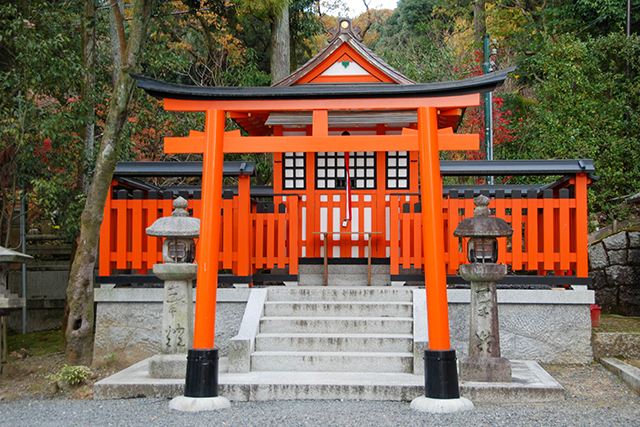
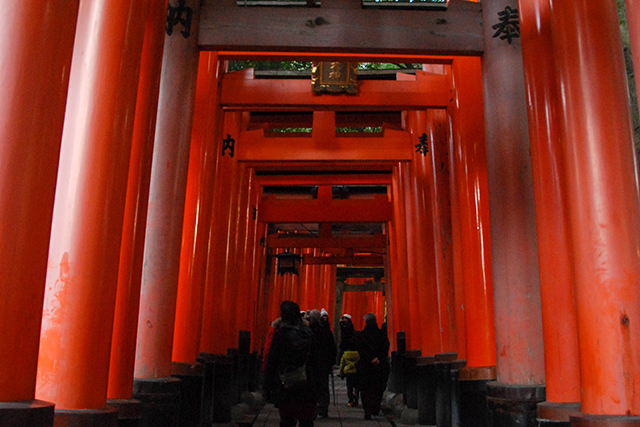
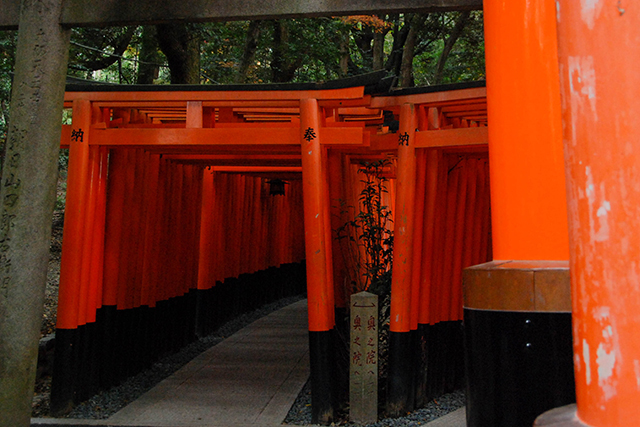
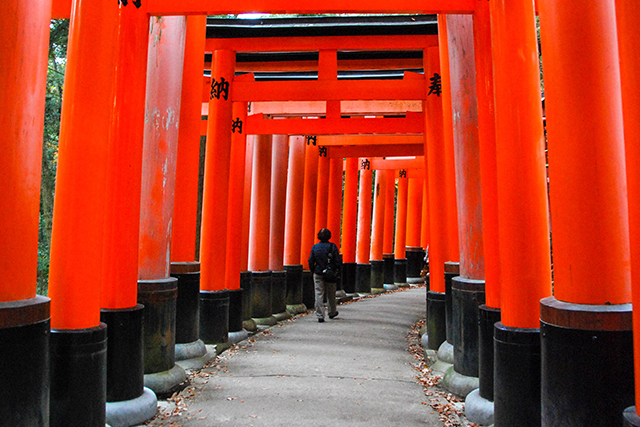
At the very back of the shrine’s main grounds is the entrance to the torii gate-covered hiking trail, which starts with two dense, parallel rows of gates called Senbon Torii (“thousands of torii gates”).
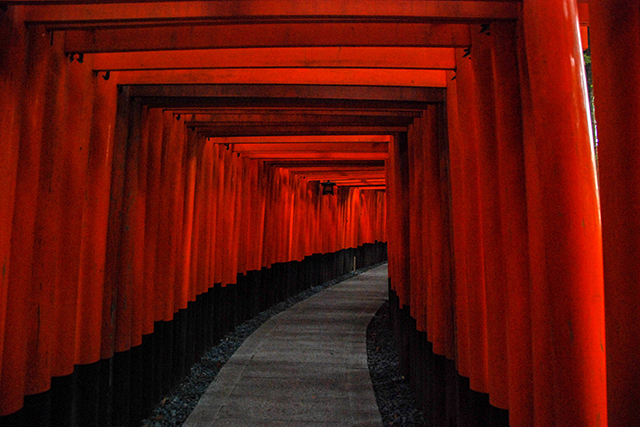
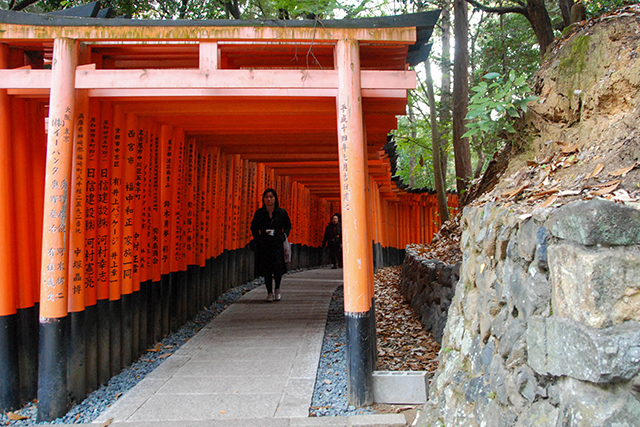
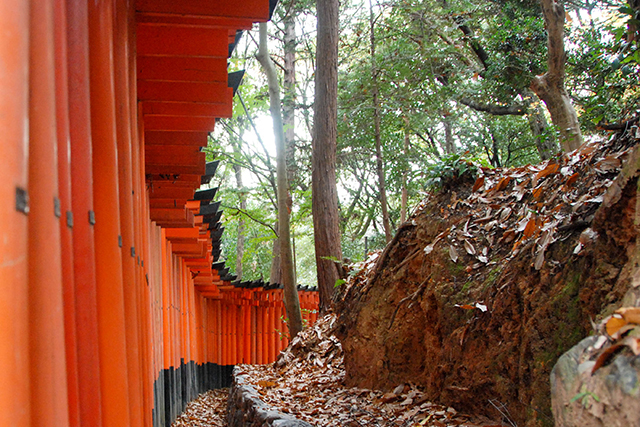
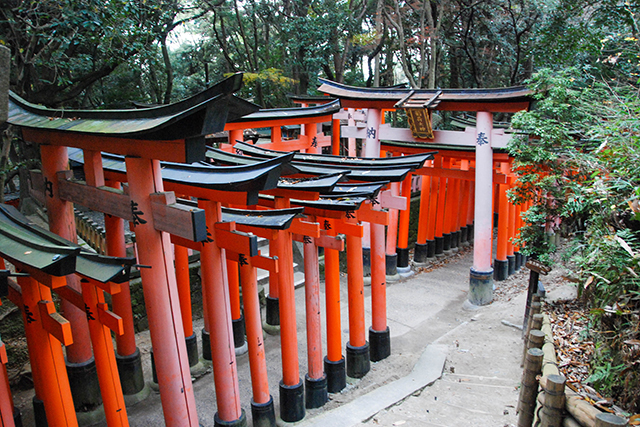
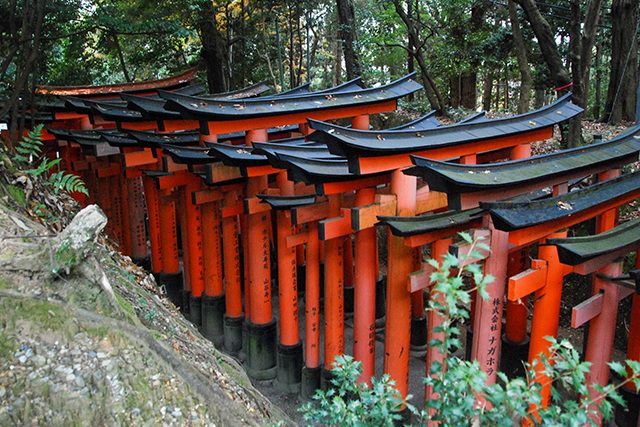
The torii gates along the entire trail are donations by individuals and companies, and you will find the donator’s name and the date of the donation inscribed on the back of each gate. The donation amount starts at around 400,000 yen for a smaller gate and increases to over one million yen for a large gate.