Kyoto – Northern Higashiyama
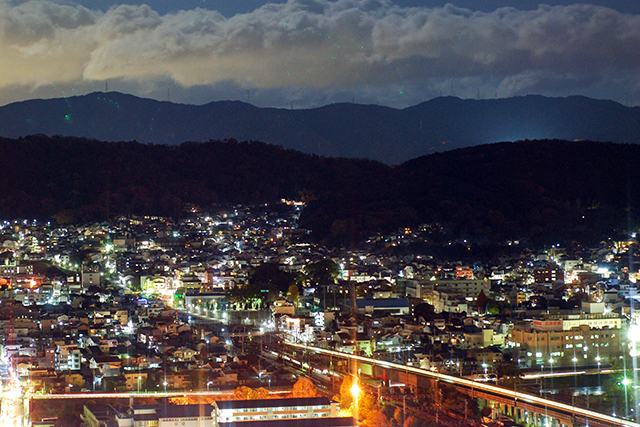
The main area of Northern Higashiyama stretches from Nanzen-ji in the south to Ginkaku-ji in the north, two temples linked by the Path of Philosophy.
Ginkakuji
銀閣寺, 2 Ginkakujicho, Sakyo Ward, Kyoto, 606-8402, Japan
Ginkakuji is a Zen temple along Kyoto’s eastern mountains (Higashiyama). In 1482, shogun Ashikaga Yoshimasa built his retirement villa on the grounds of today’s temple, modeled after Kinkakuji, his grandfather’s retirement villa at the base of Kyoto’s northern mountains (Kitayama). The villa was converted into a Zen temple after Yoshimasa’s death in 1490.
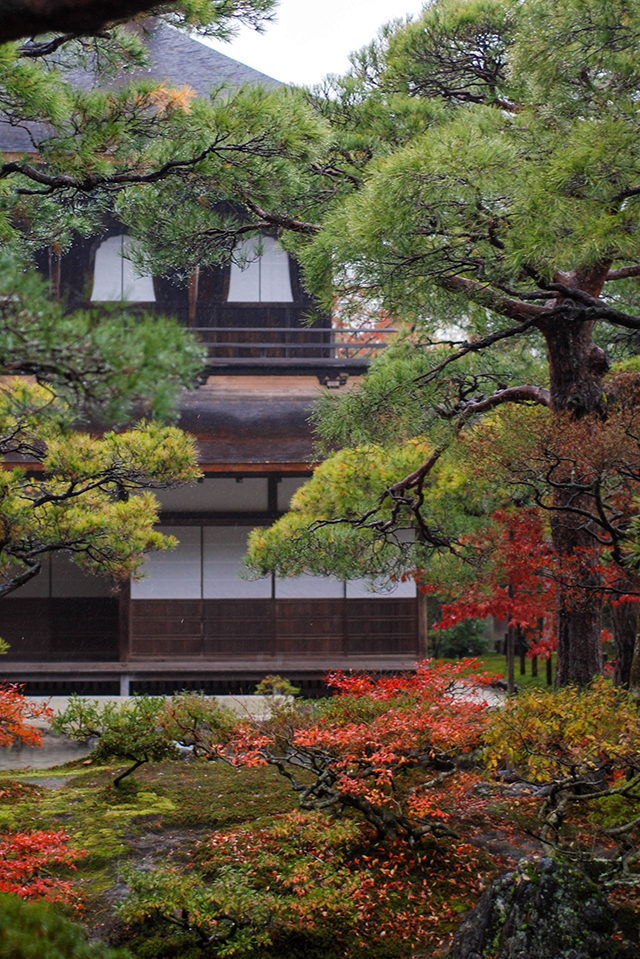
As the retirement villa of an art-obsessed shogun, Ginkakuji became a centre of contemporary culture, known as the Higashiyama Culture in contrast to the Kitayama Culture of his grandfather’s times. Unlike the Kitayama Culture, which remained limited to the aristocratic circles of Kyoto, the Higashiyama Culture had a broad impact on the entire country. The arts developed and refined during the time include the tea ceremony, flower arrangement, noh theatre, poetry, garden design and architecture.
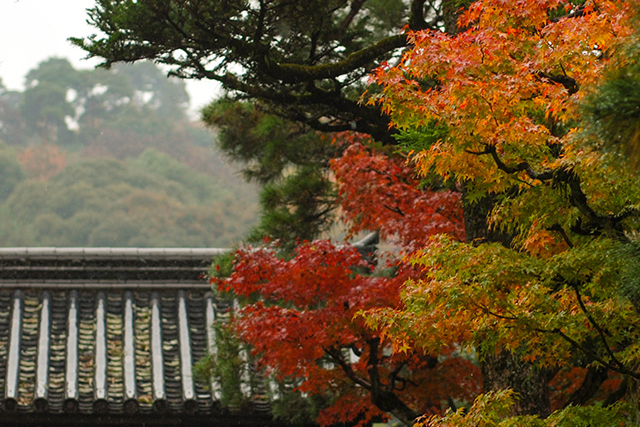
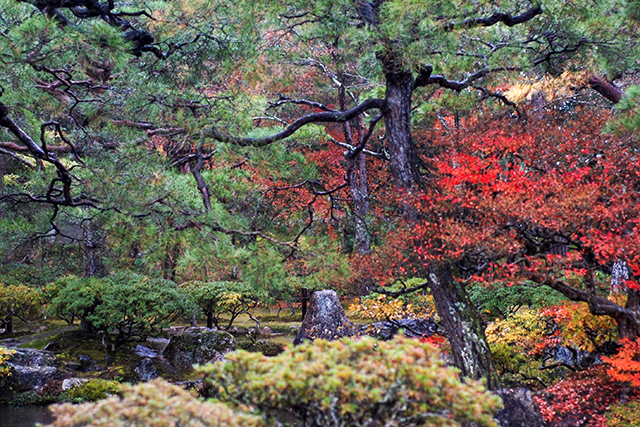
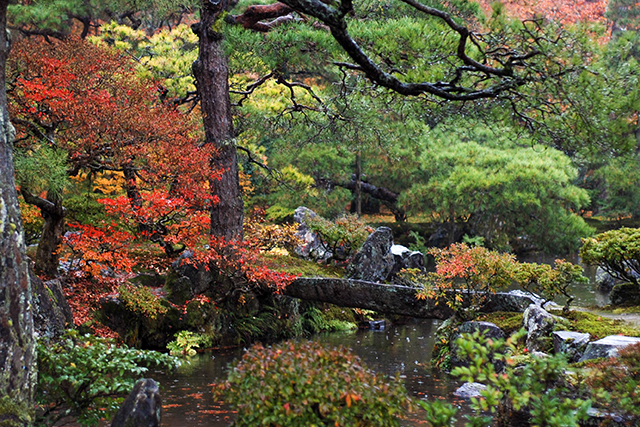
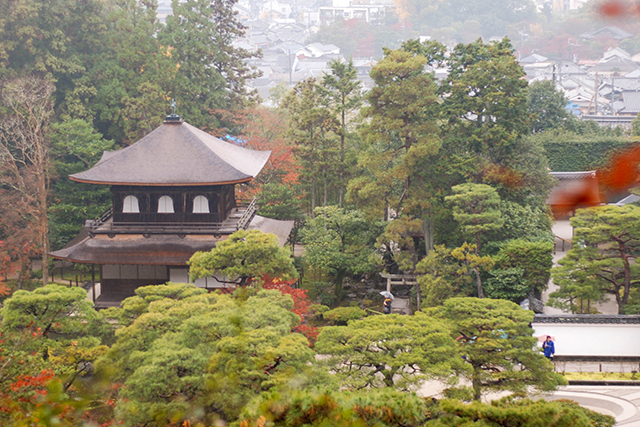
Today, Ginkakuji consisted of the Silver Pavilion, half a dozen other temple buildings, a beautiful moss garden and a unique dry sand garden. It is enjoyed by walking along a circular route around its grounds, from which the gardens and buildings can be viewed.
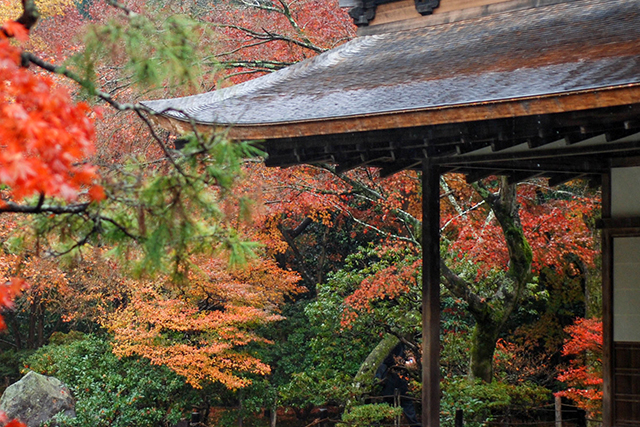
Formally named Kannonden (Kannon Hall), the pavilion’s two stories are constructed in two different architectural styles and contain a statue of Kannon, the Buddhist goddess of mercy. However, the interior of the building is not open to the public.
Despite its name, the Silver Pavilion was never covered in silver. Instead, it is believed that the name arose as a nickname more than a century after the building’s construction to contrast it with the Golden Pavilion. Alternatively, it is explained that moonlight reflecting on the building’s dark exterior (which used to be covered in black lacquer) gave it a silvery appearance.
The pavilion is one of only two buildings on the grounds of Ginkakuji which have survived intact the many fires and earthquakes of the past centuries, although it has been undergoing periodical renovation work to keep it well preserved.
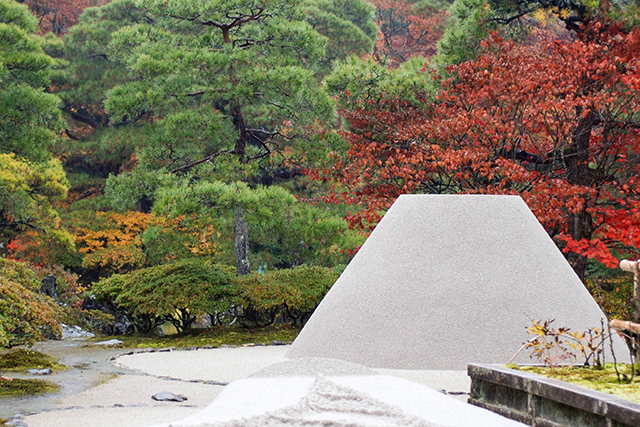
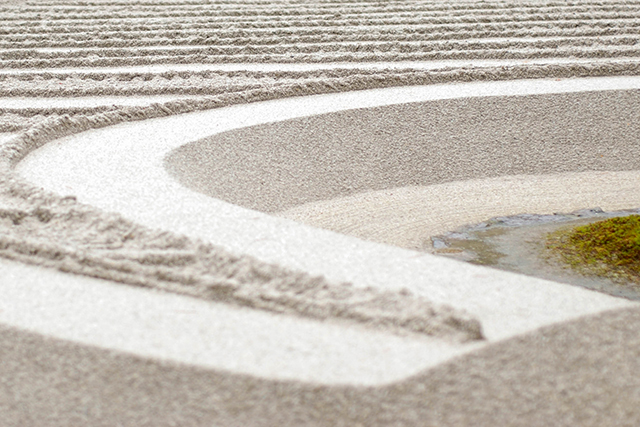
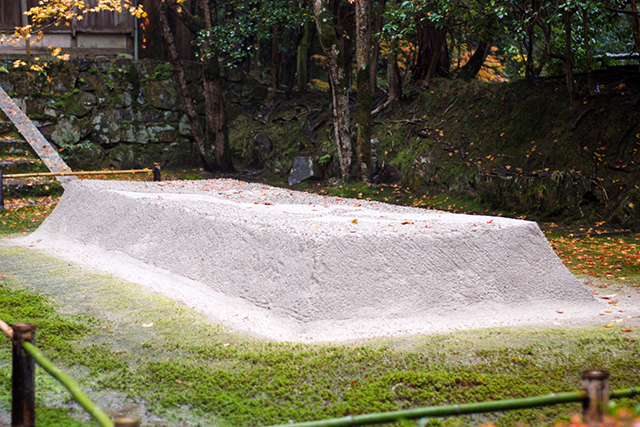
This 15th-century Zen temple featured picturesque gardens & a sand mound shaped like Mount Fuji. Next along the route is an expansive, meticulously maintained dry sand garden, known as the “Sea of Silver Sand”, with a massive sand cone named “Moon Viewing Platform”.
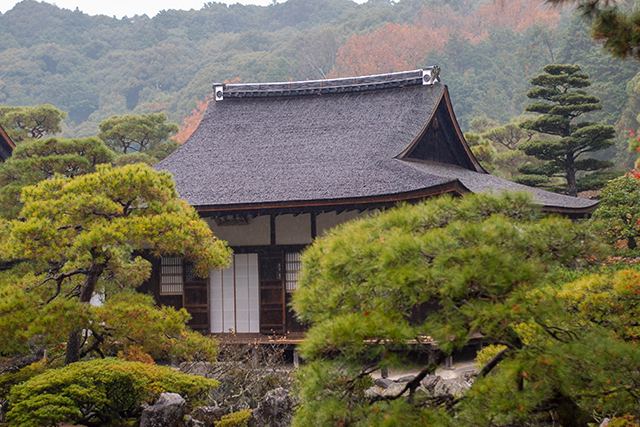
Right next to the Hondo stands the Togudo, Ginkakuji’s only other temple building besides the Silver Pavilion which dates back to the temple’s foundation. The Togudo is celebrated for containing a study room of 4.5 tatami mats, which is considered to be the oldest extant example of Shoin architecture, the architecture style in which most contemporary tatami rooms are still designed today. The building is not usually open to the public.
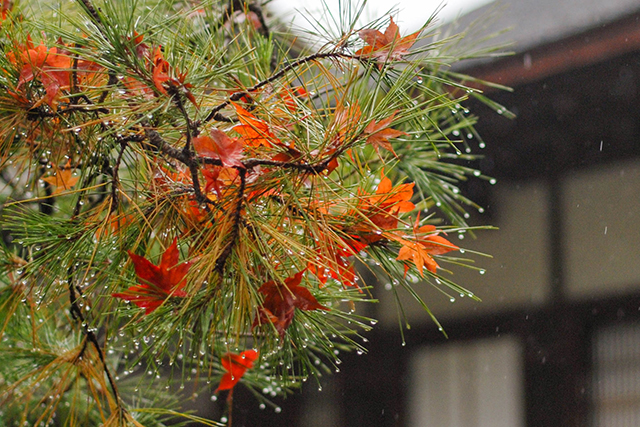
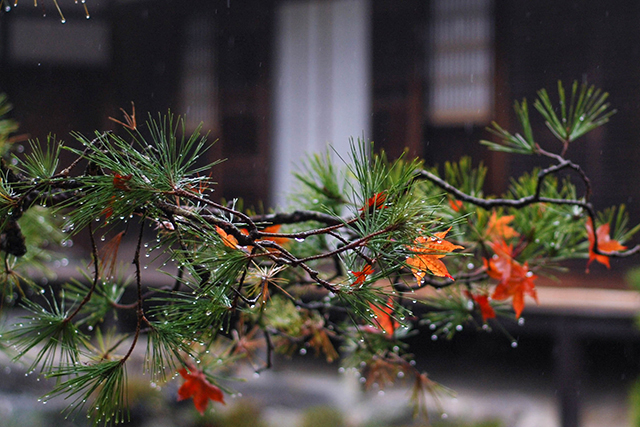
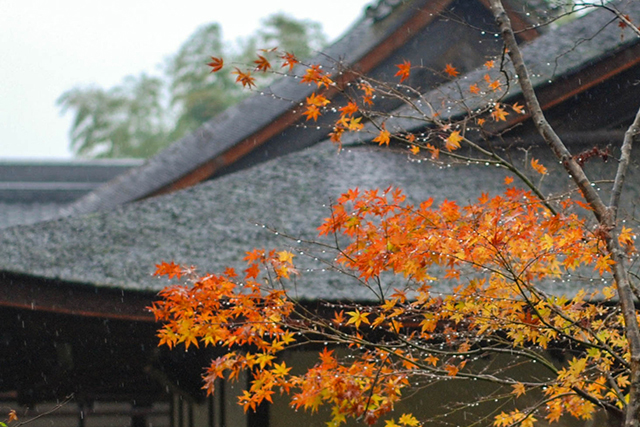
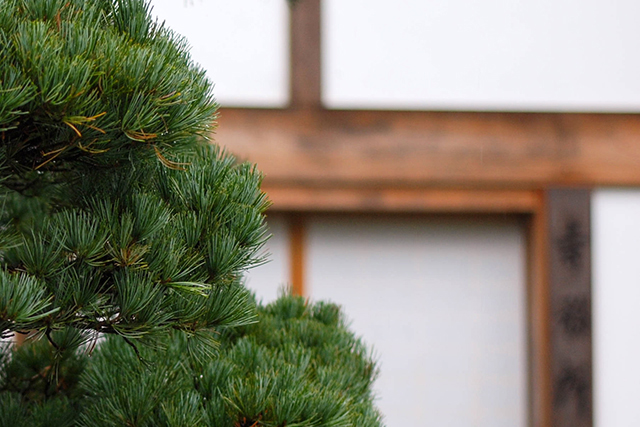
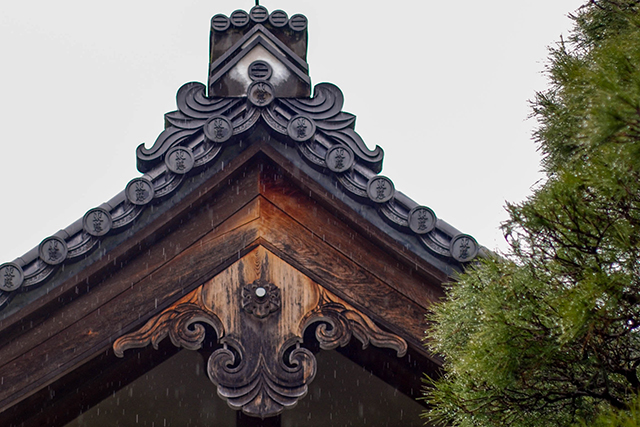
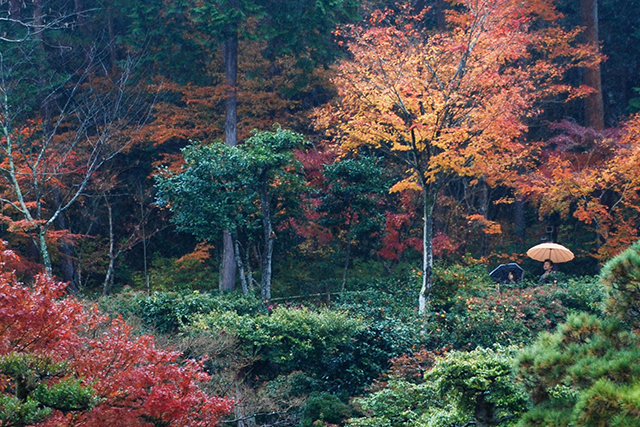
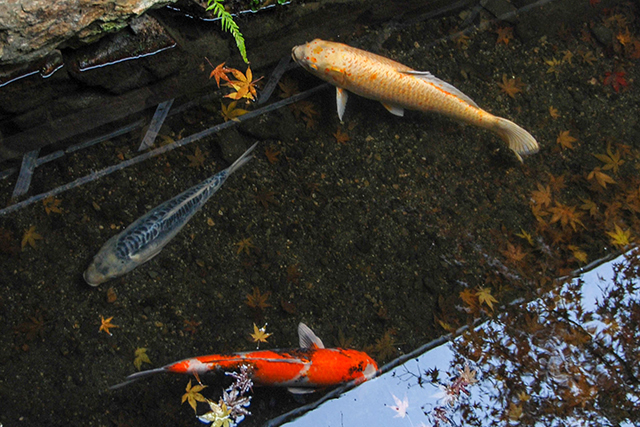
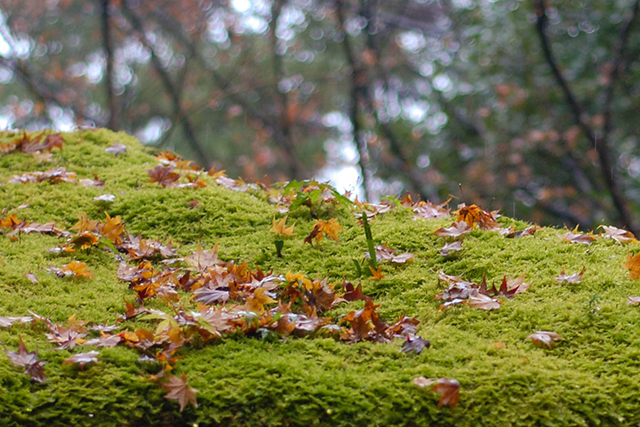
After passing by the Togudo, the walking path then takes visitors through Ginkakuji’s moss garden, which featured ponds with islands and bridges, little streams and various plants.
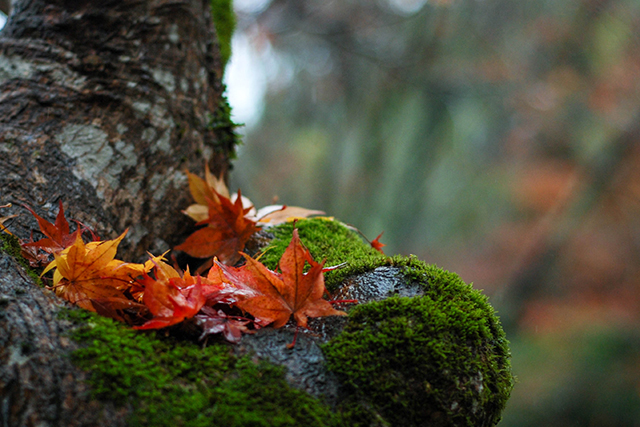
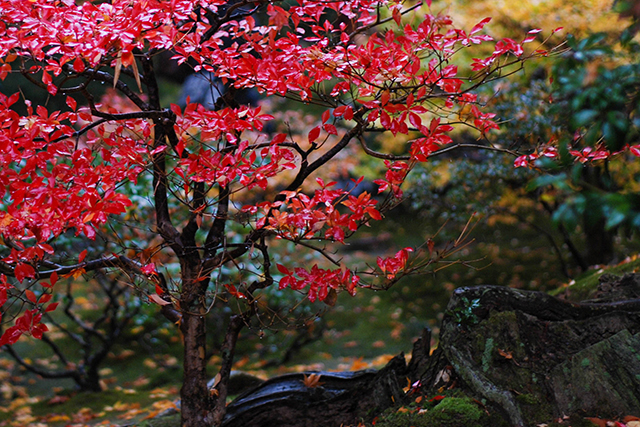

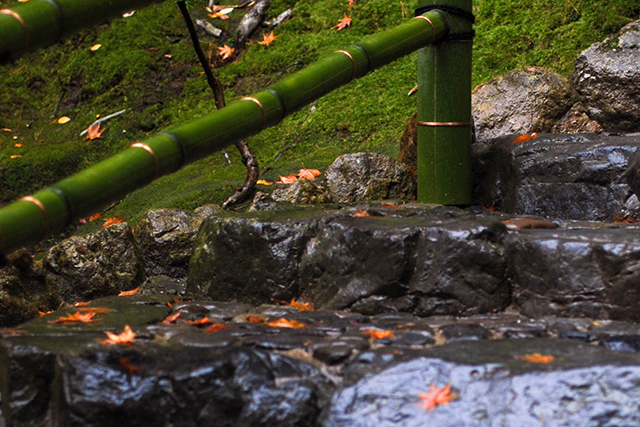

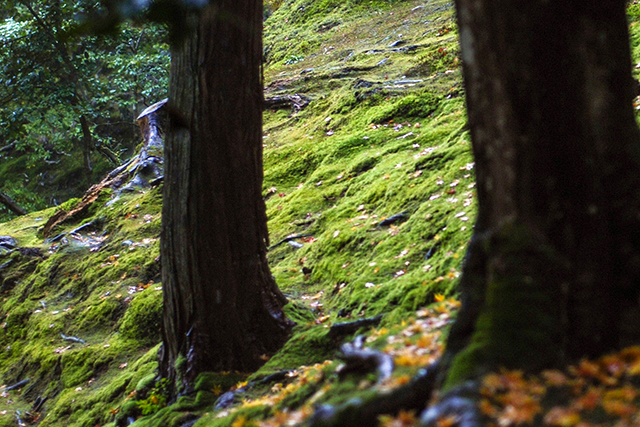
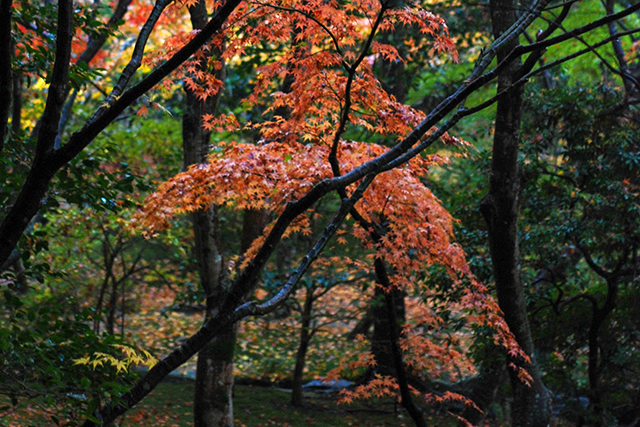
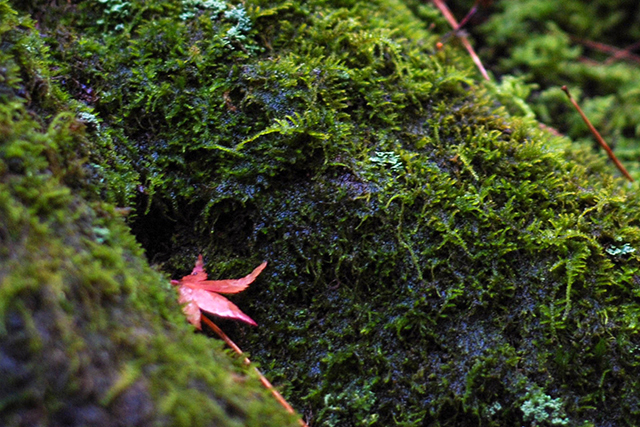
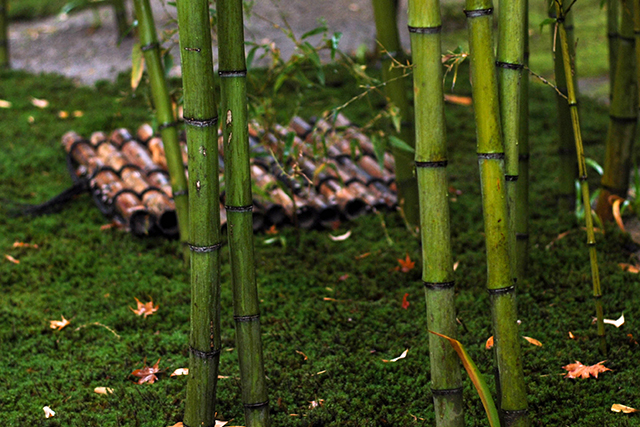
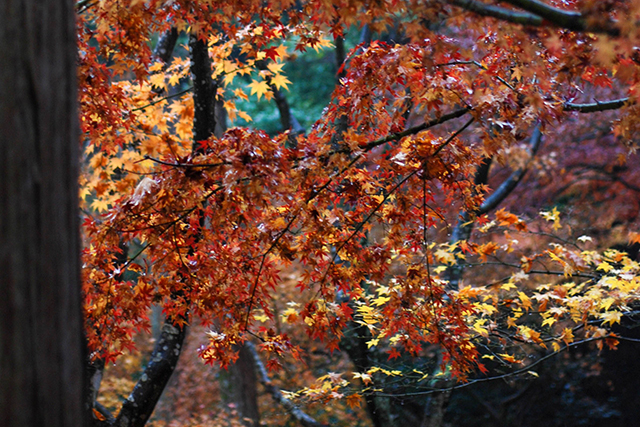
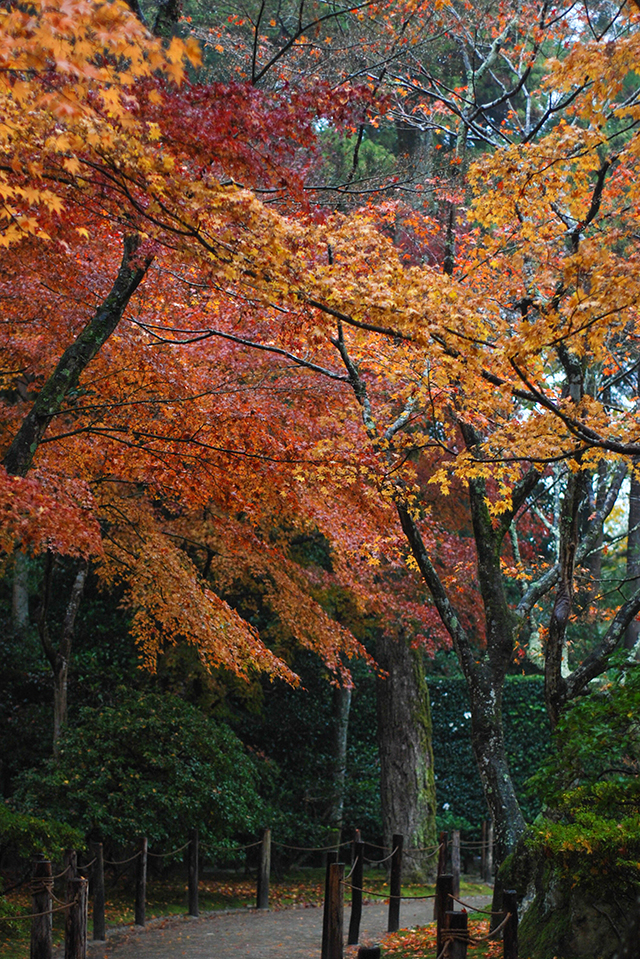
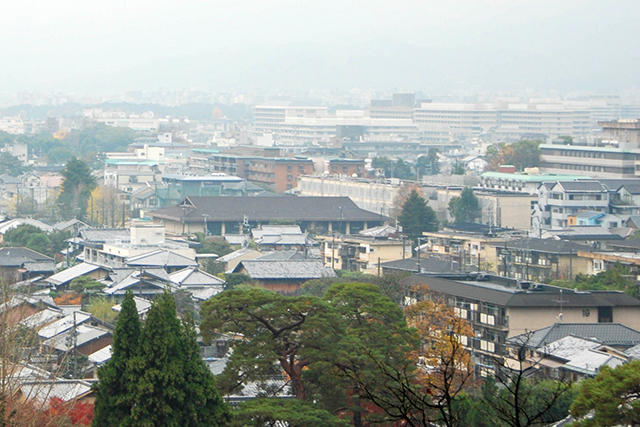
The path climbs a hill behind the buildings from where there are nice views of the entire temple grounds and the city beyond.
Honen-in
法然院, 30番地 Shishigatani Goshonodancho, Sakyo Ward, Kyoto, 606-8422, Japan
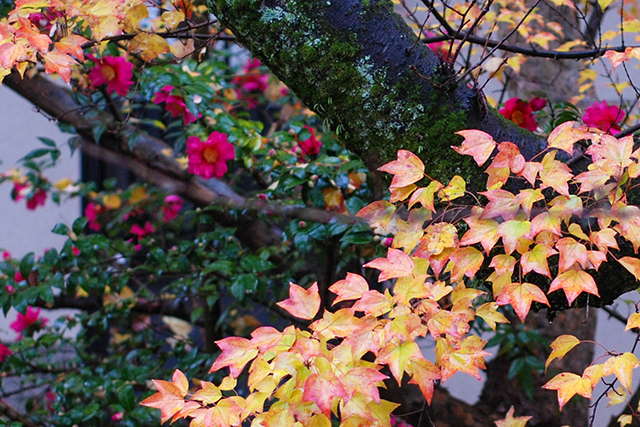
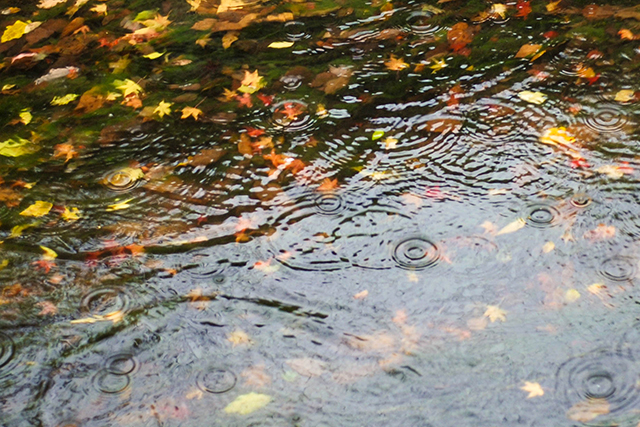
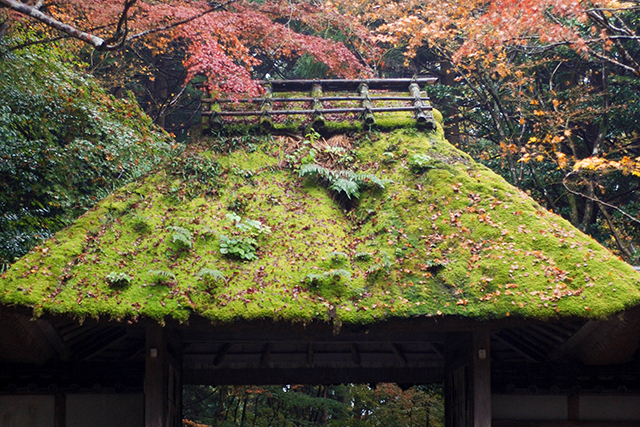
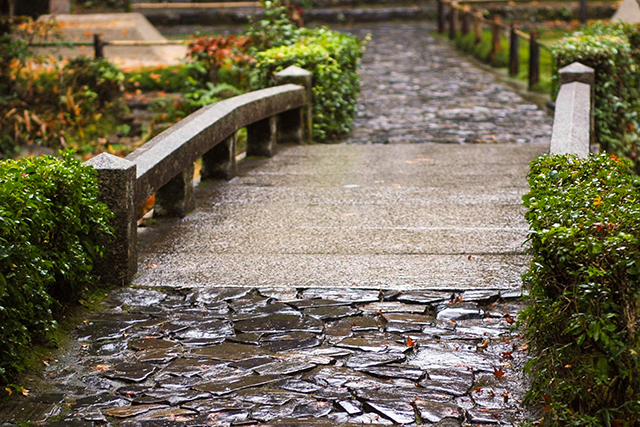
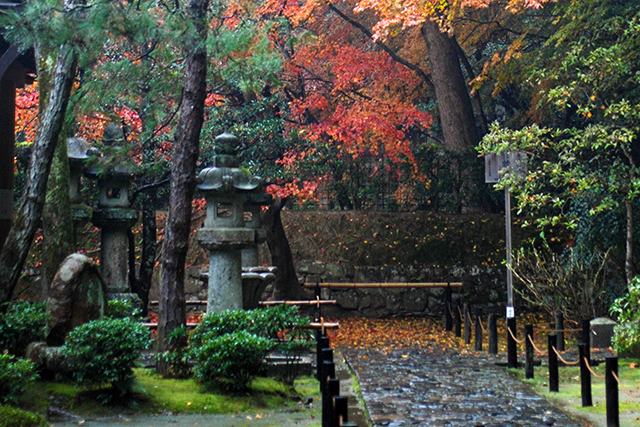
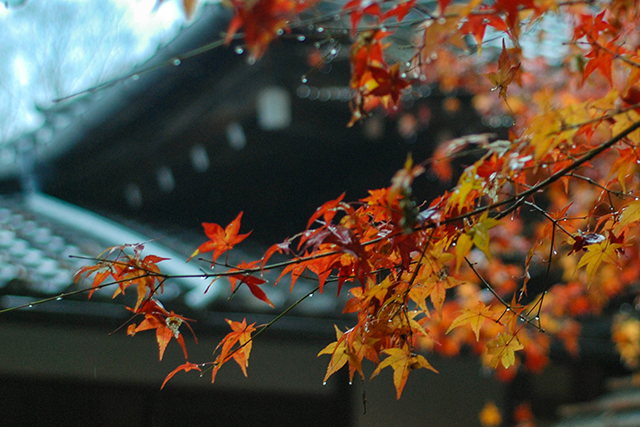
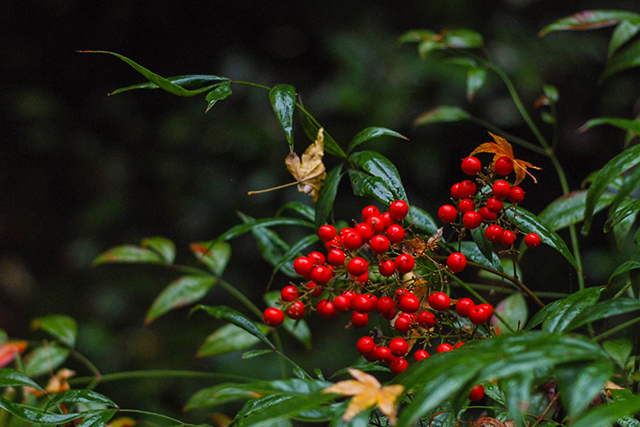
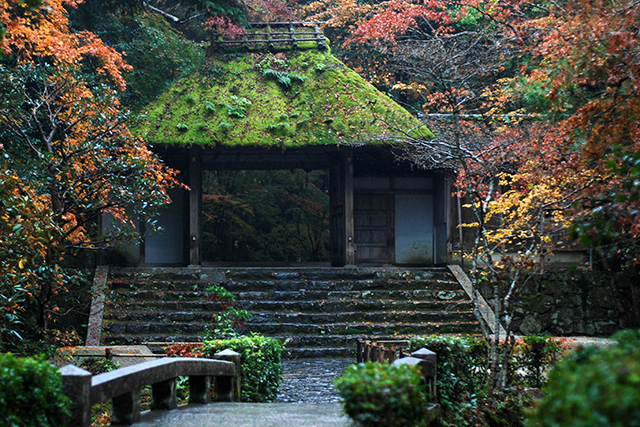
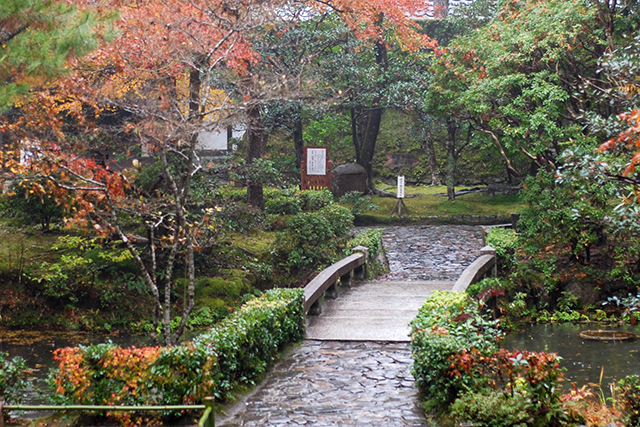
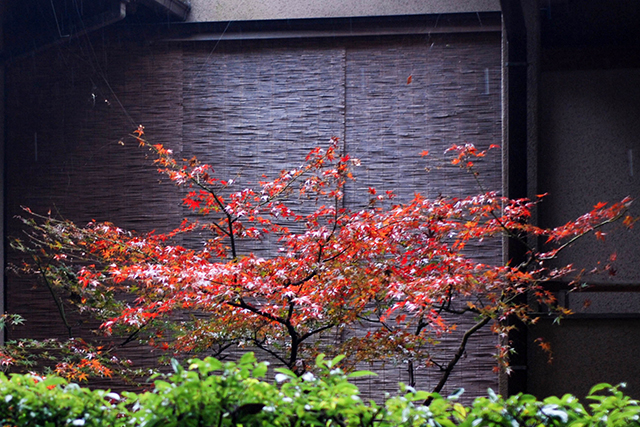
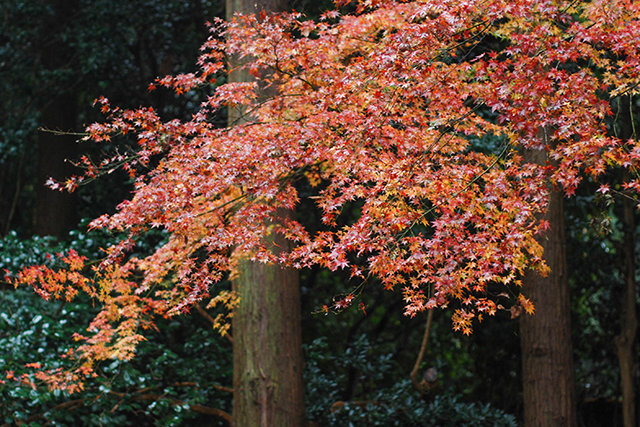
Honen-in is a single-estate temple located in Shikagaya, Sakyo-ku, Kyoto. It was originally part of the Jodo sect, but became independent and is now a single religious corporation. Its official name is Zenkisan Honen-in Manmukyoji Temple.
Anraku-ji
安楽寺, 21 Shishigatani Goshonodancho, Sakyo Ward, Kyoto, 606-8422, Japan
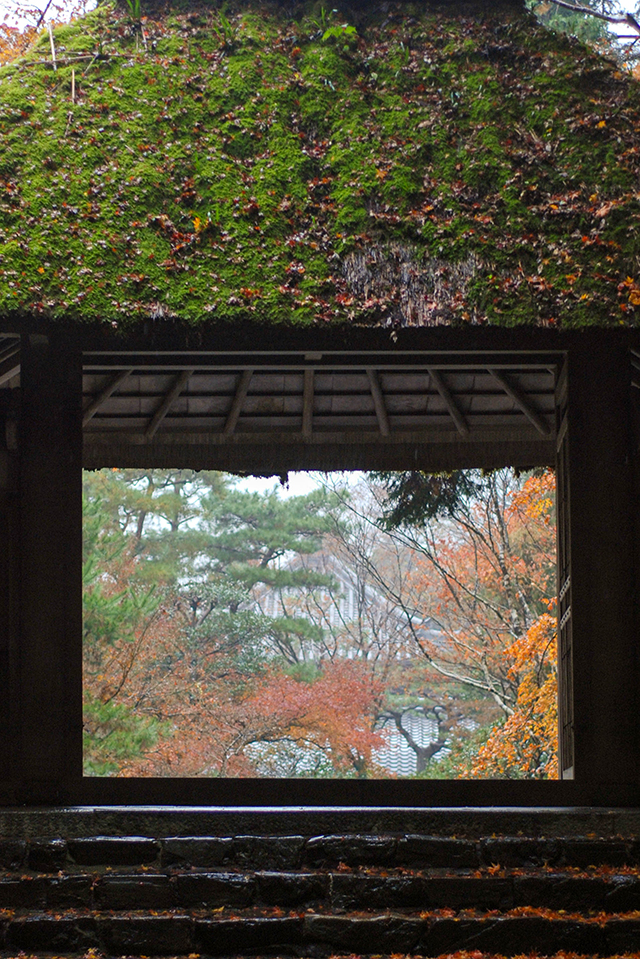
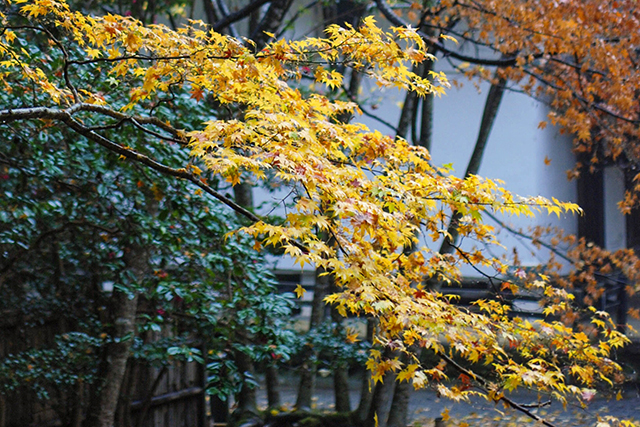
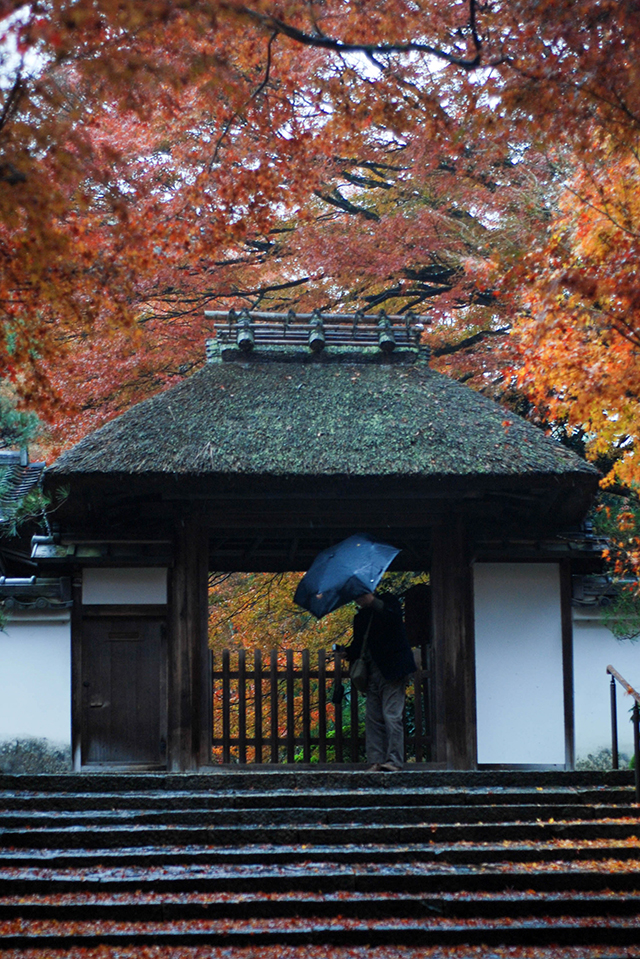
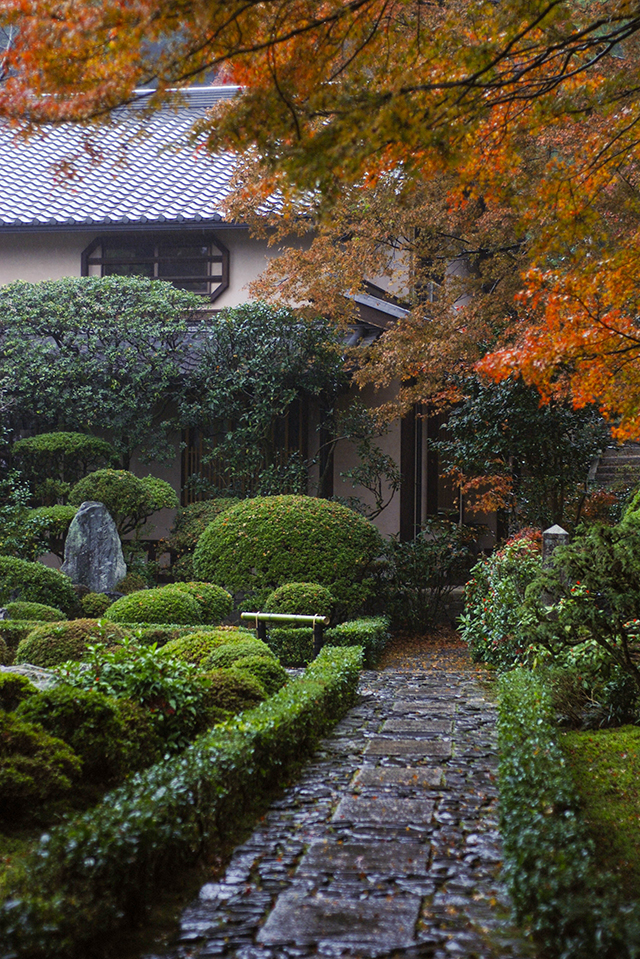
The modest temple of Anraku-ji is associated with Honen (1133-1212), the founder of Jodo Buddhism, and Anraku, one of his disciples. It was not open during our visit but the garden is known for its fine specimens of azaleas and camellias. The Main Hall (Hondo) is surrounded by pruned shrubs and hedges, their forms mirroring the wooded Higashiyama hills in the background of the temple grounds.
Philosopher’s Path
哲学の道, Sakyo Ward, Kyoto, Japan
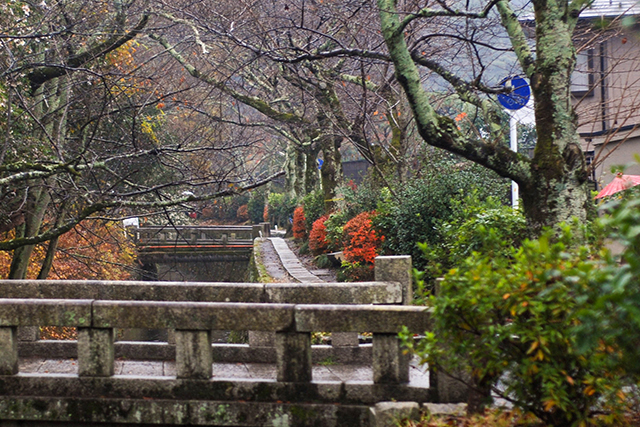
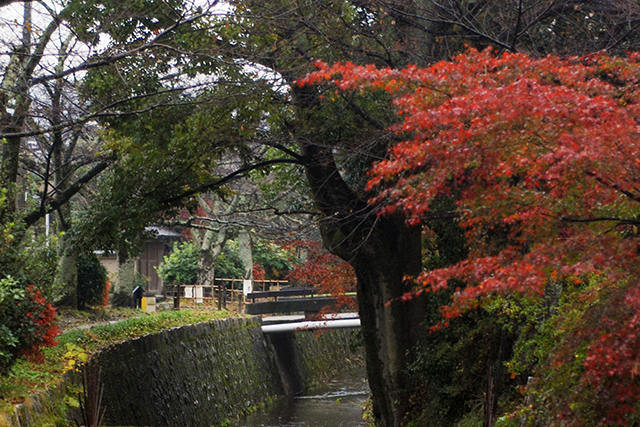
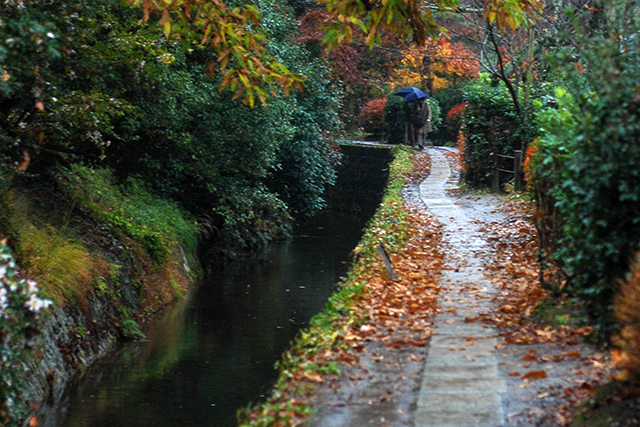
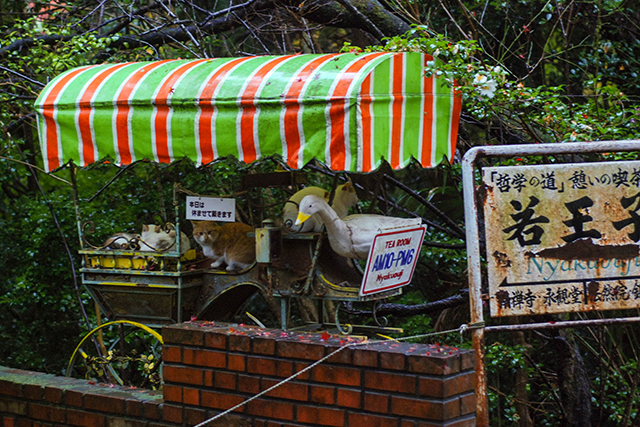
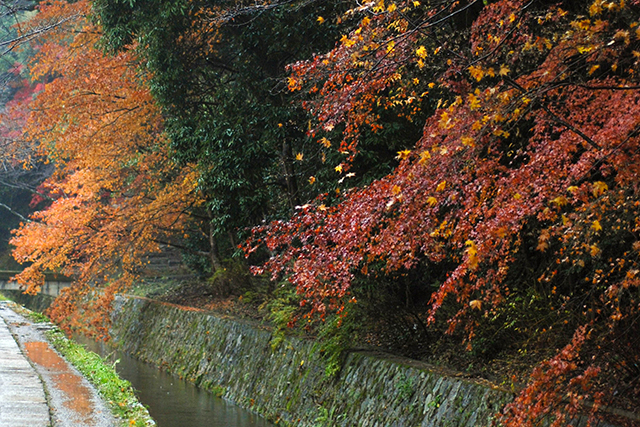
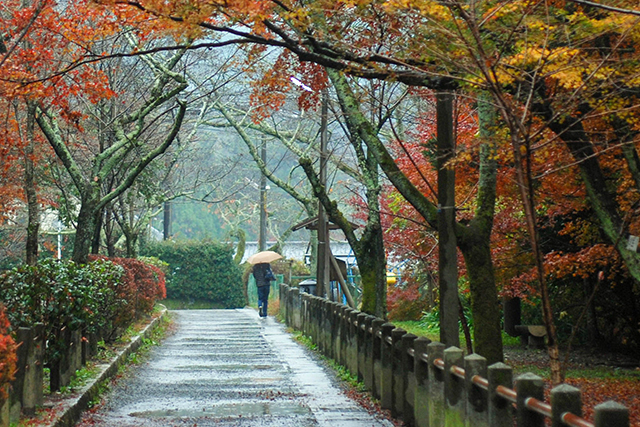
The Philosopher’s Walk is a pedestrian path that follows a cherry-tree-lined canal in Kyoto, Japan between Ginkaku-ji and Nanzen-ji. First opened in 1890 and extended again in 1912, the path follows the course of a shallow irrigation channel bringing water from the Lake Biwa Canal.

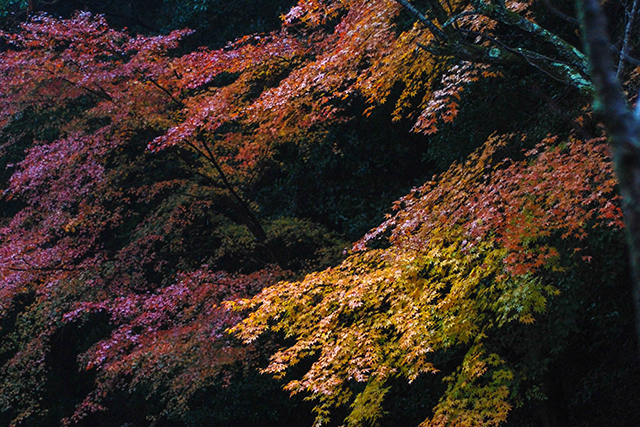
Eikandō Temple (Zenrin-ji Temple)
永観堂, 48 Eikandocho, Sakyo Ward, Kyoto, 606-8445, Japan
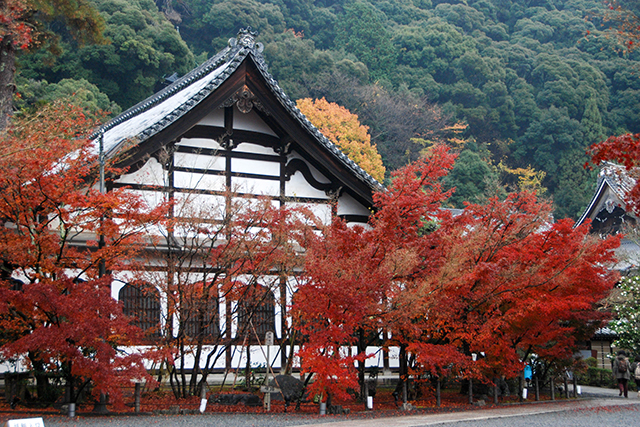
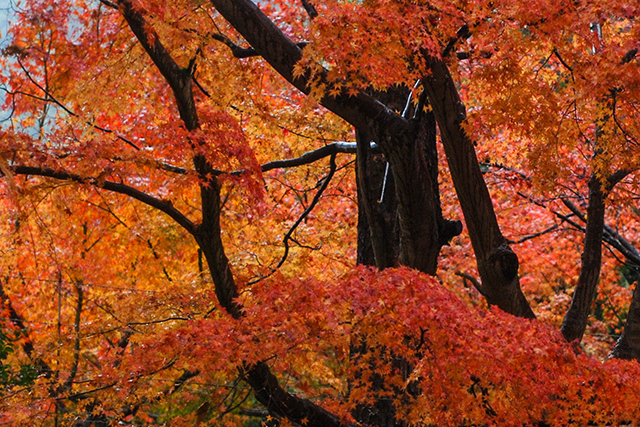
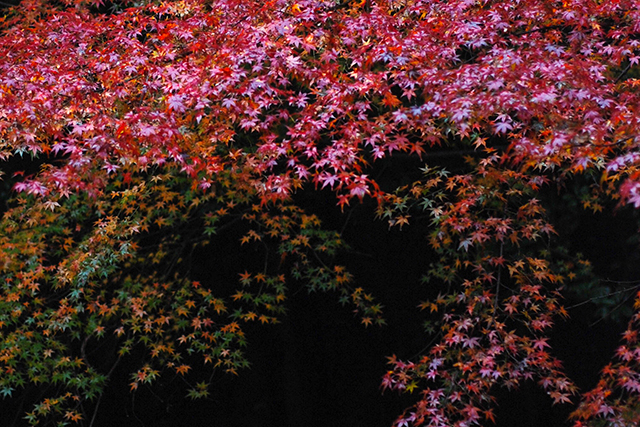
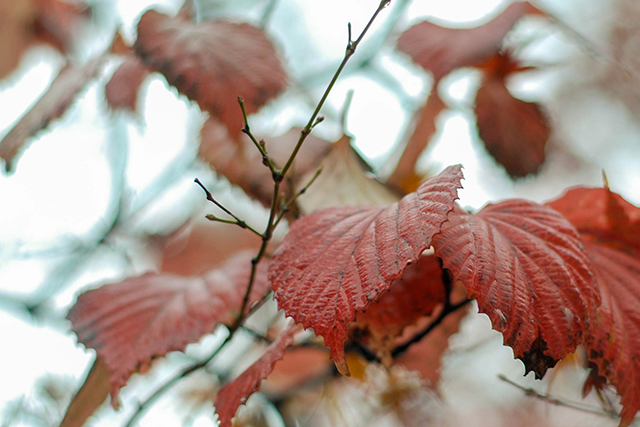
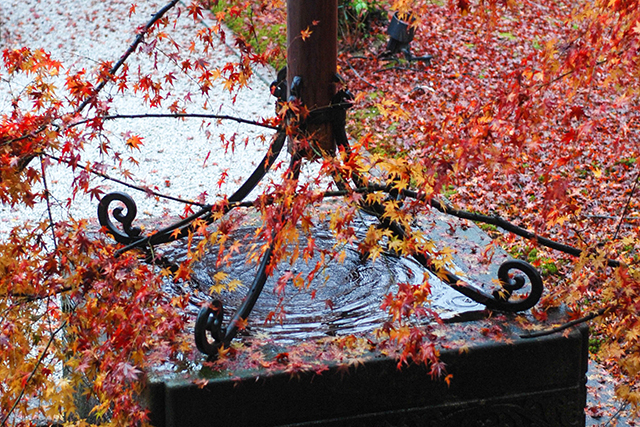
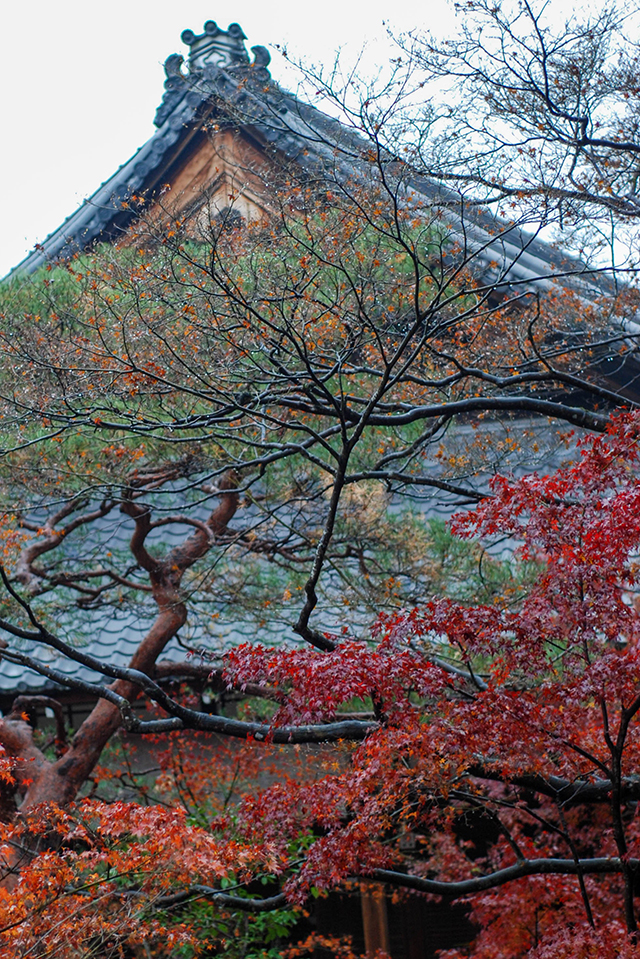
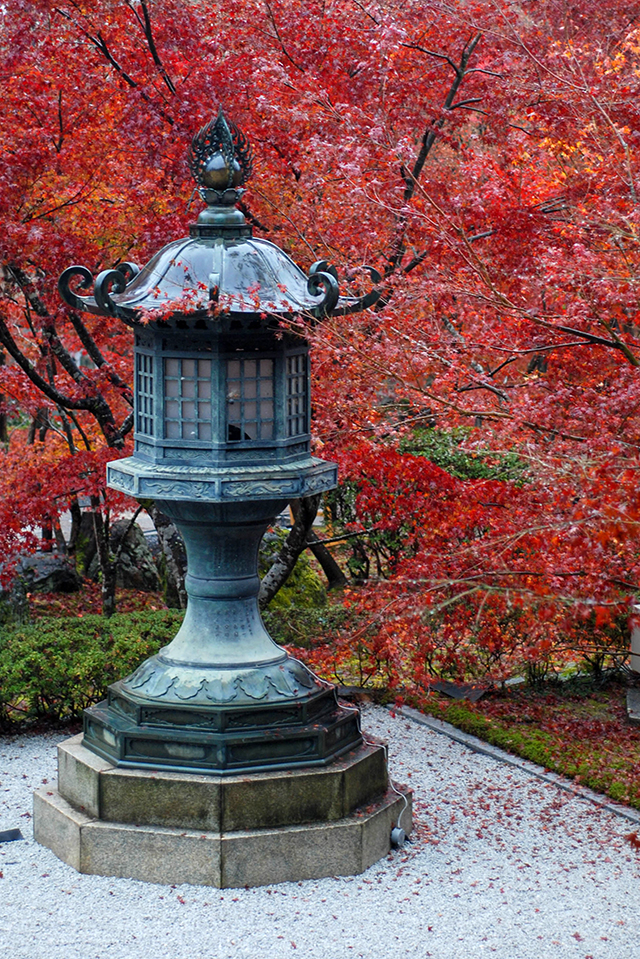
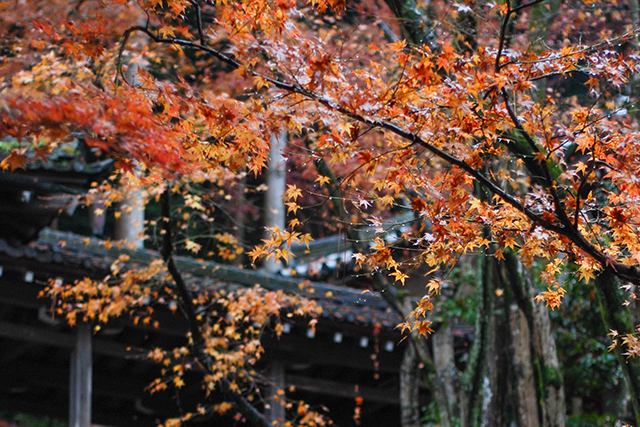
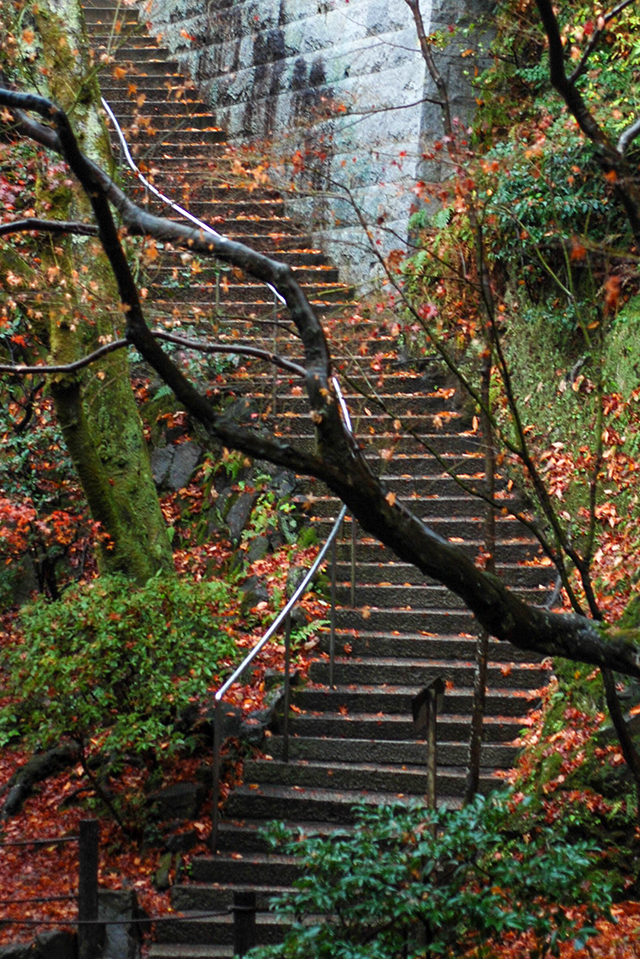
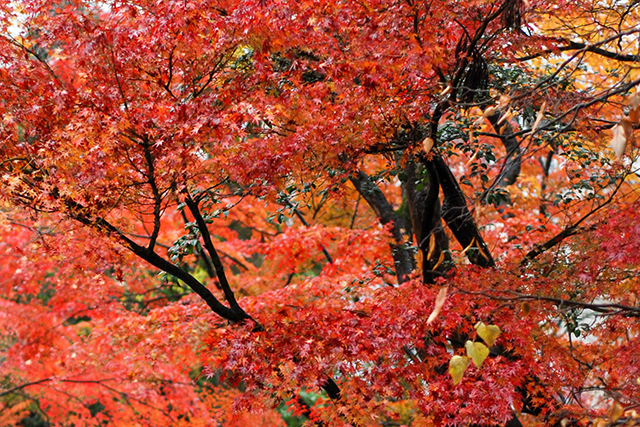
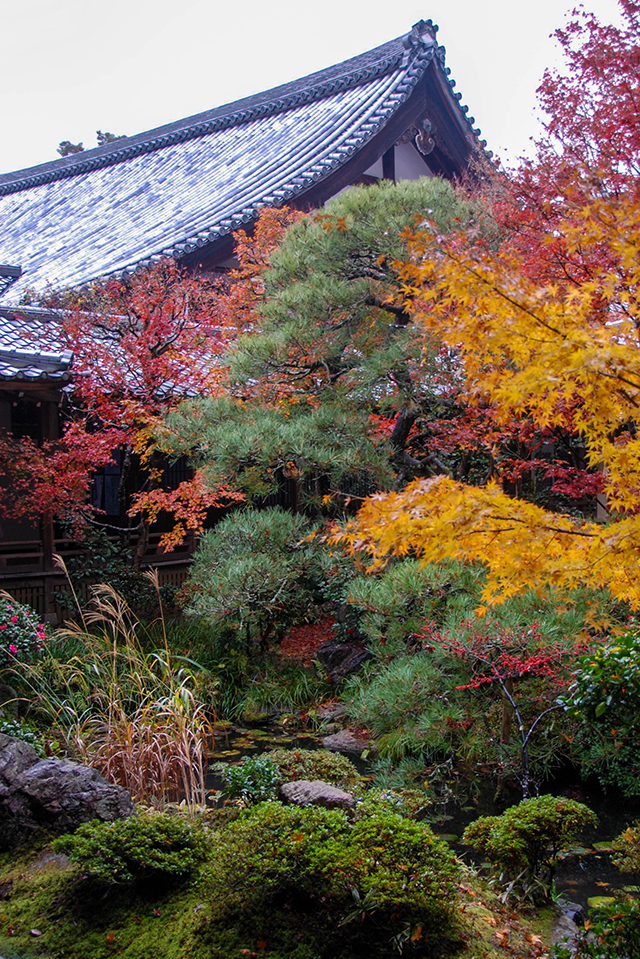
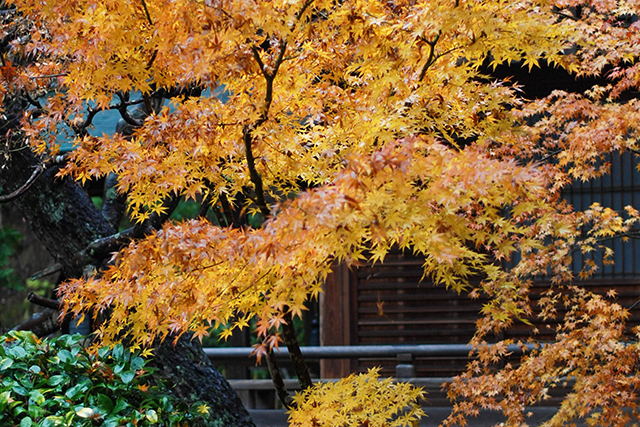
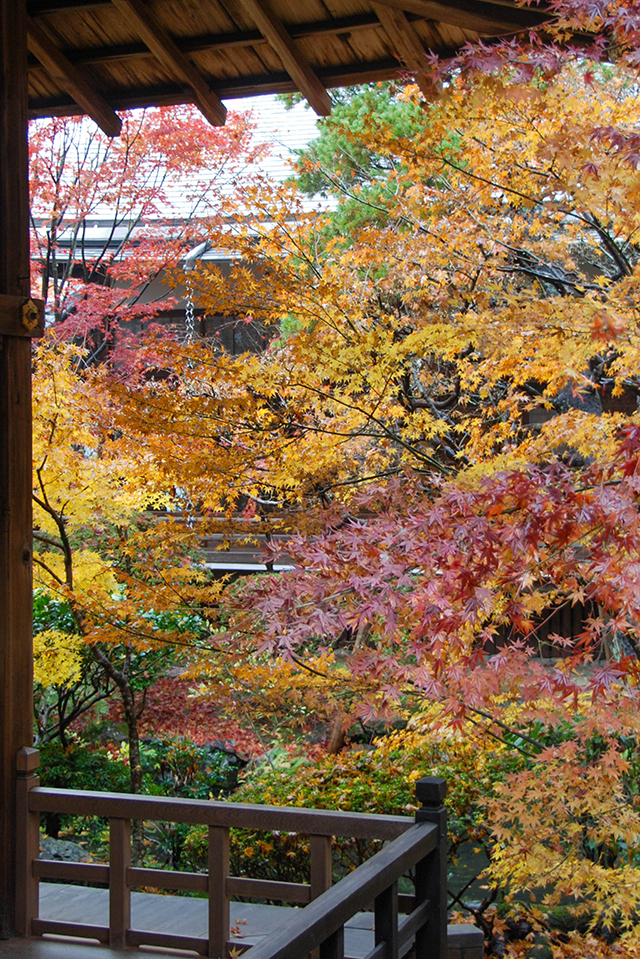
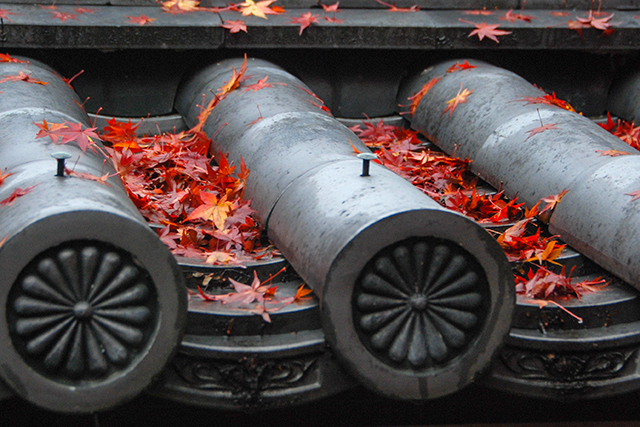
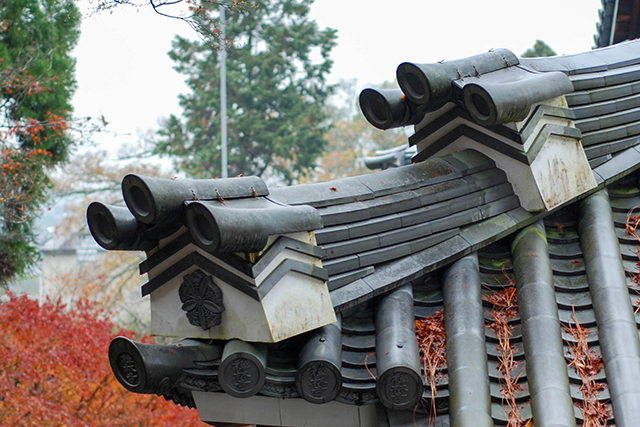
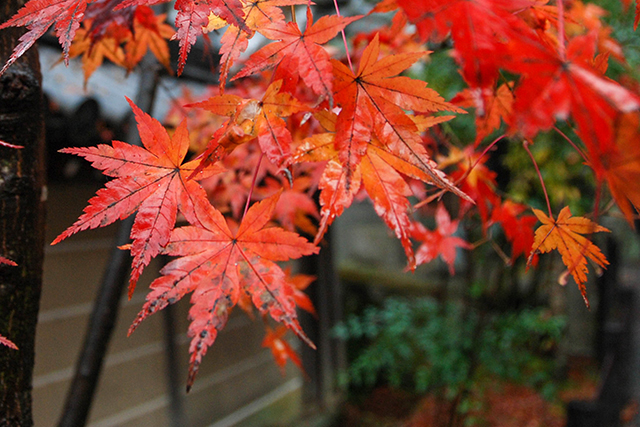
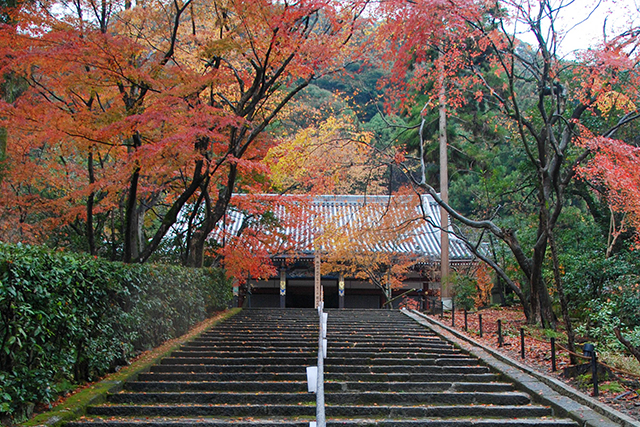
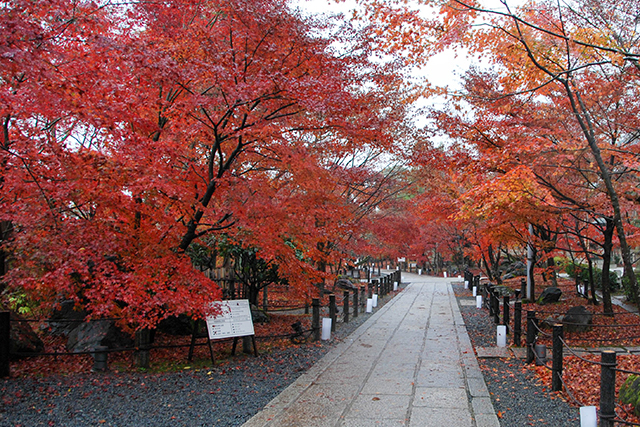
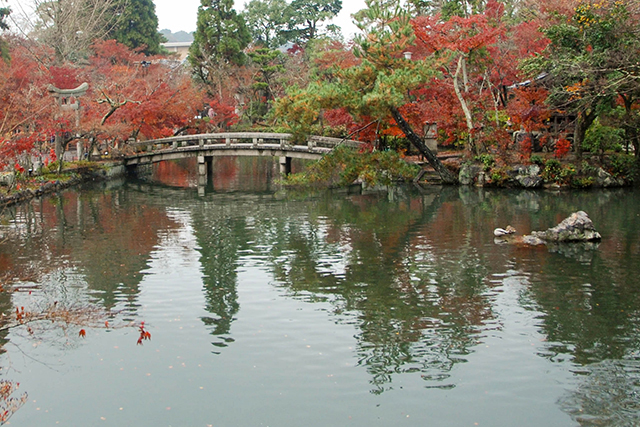
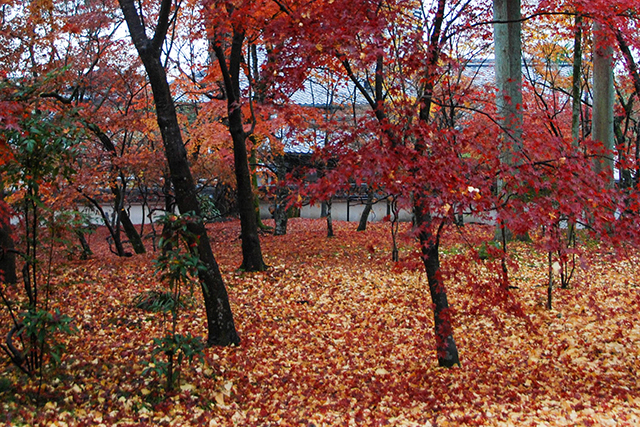
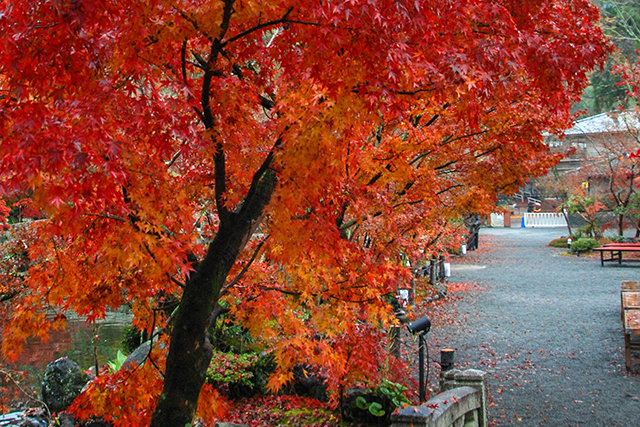
Eikando, formally known as Zenrinji Temple, belongs to the Jodo sect of Japanese Buddhism. Located just north of the large temple complex of Nanzenji, Eikando is very famous for its autumn colors and the evening illuminations that take place in fall. The temple has a long history, and there are a variety of buildings and a pond garden that visitors can explore.
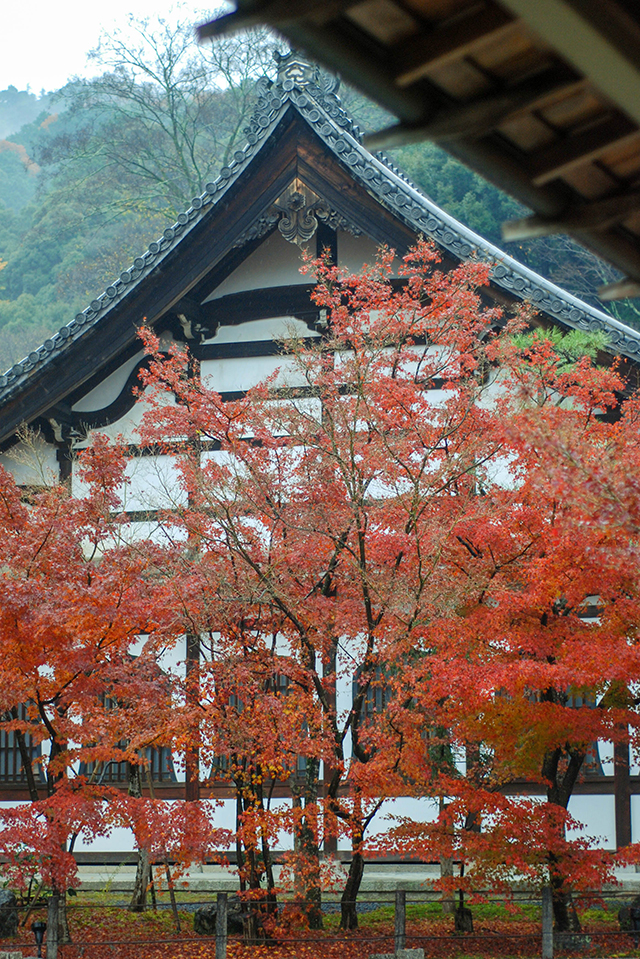
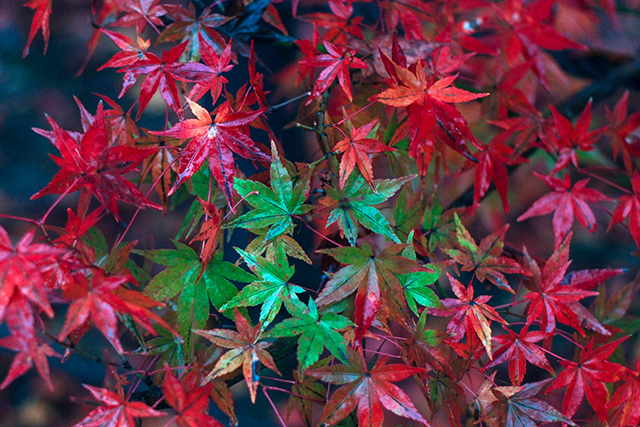
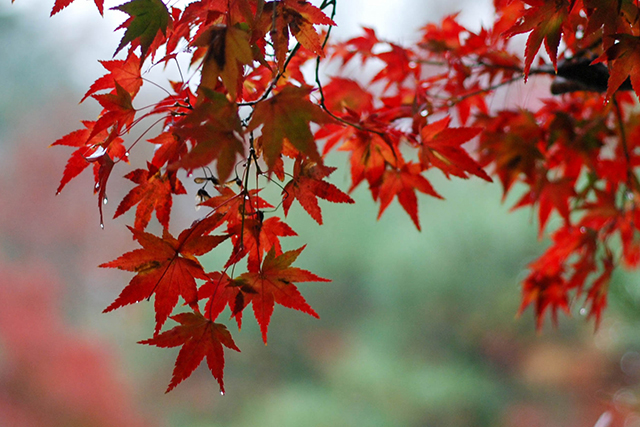
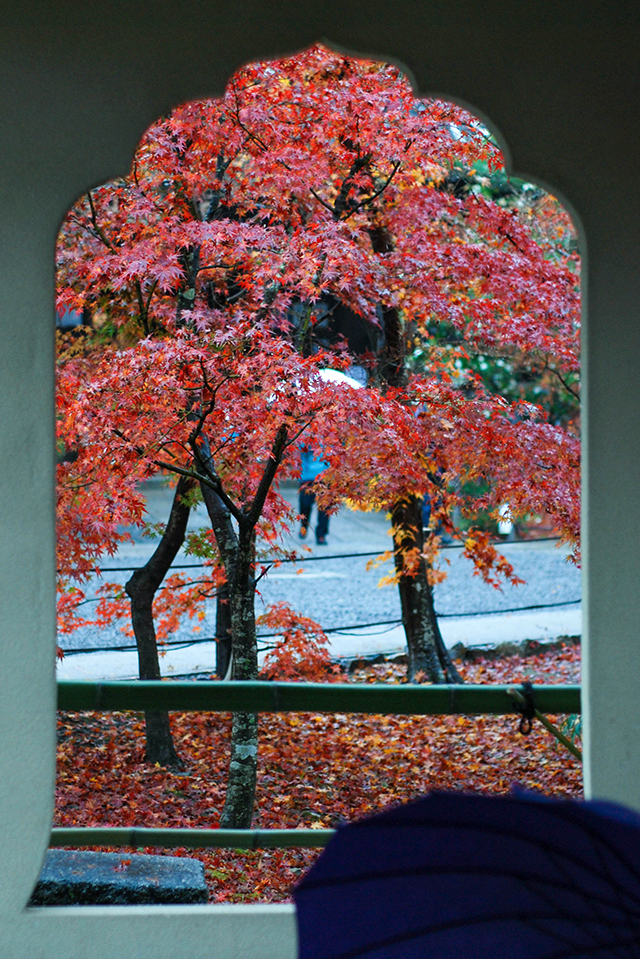
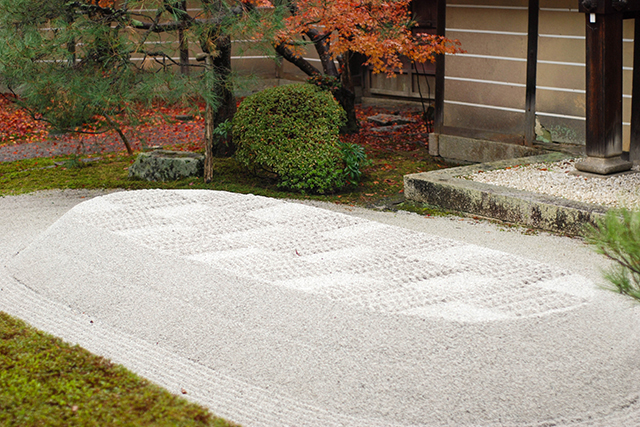
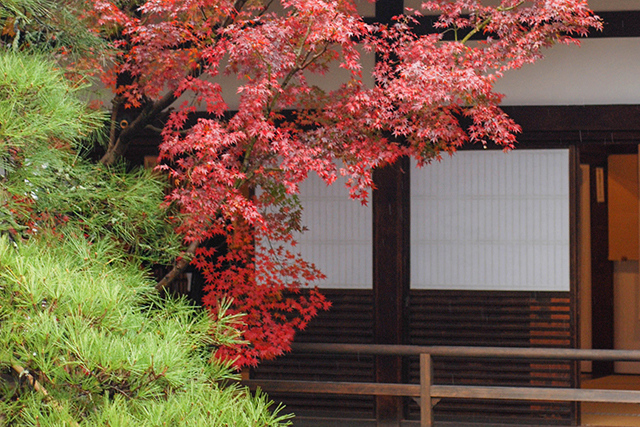
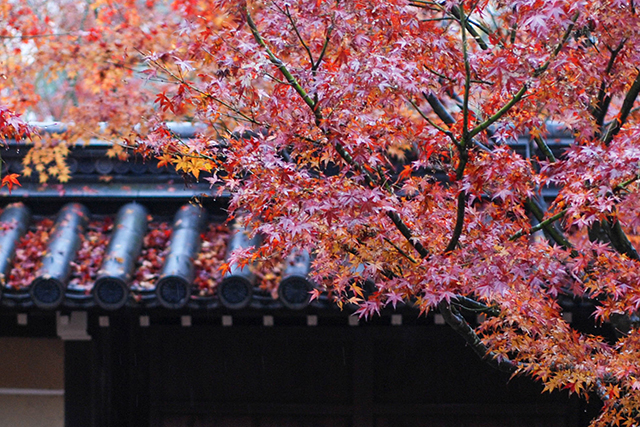
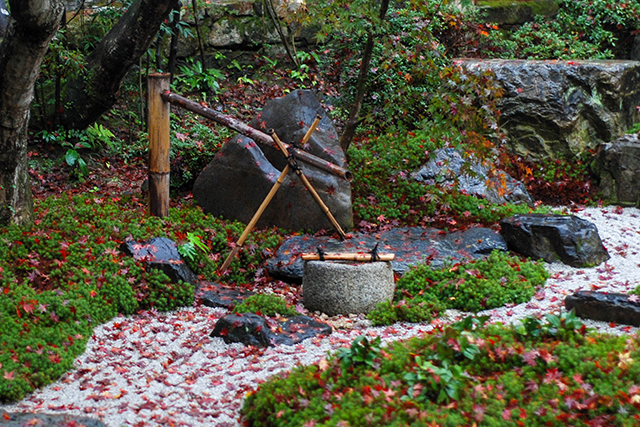
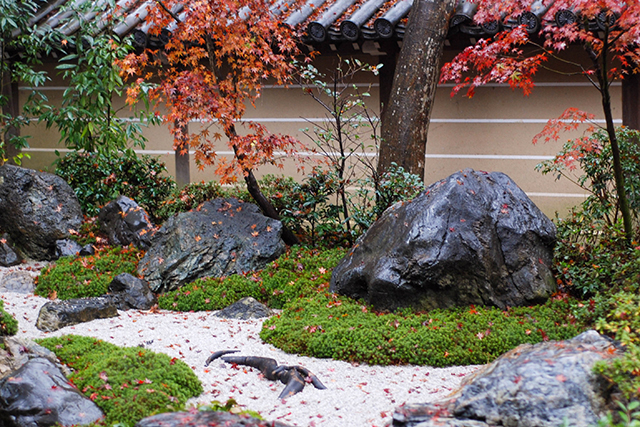
Eikando’s main buildings are built alongside the base of the hillside and are connected by wooden corridors. The first building that visitors enter is the Shakado (Hall of the historical Buddha) with a small rock garden and beautifully painted sliding doors (fusuma).
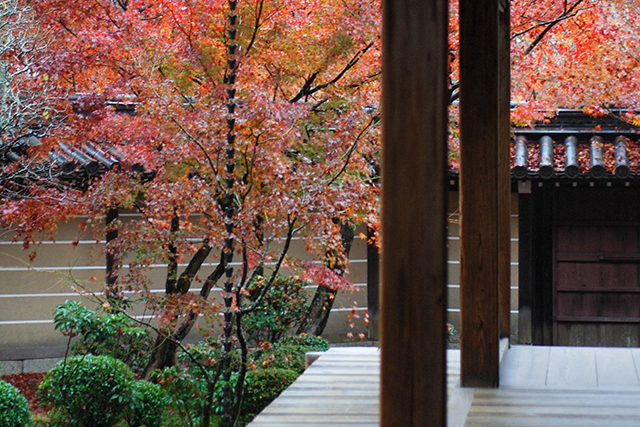
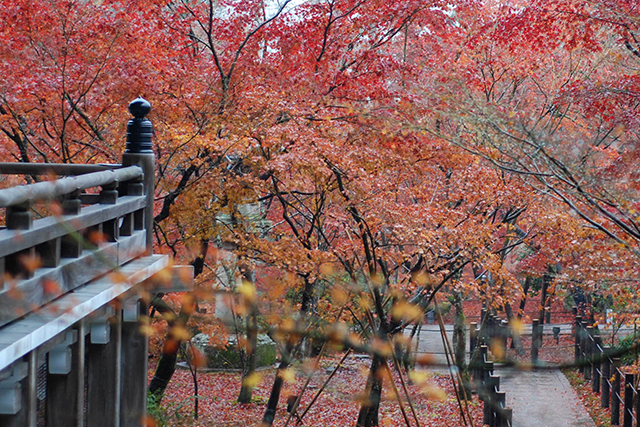
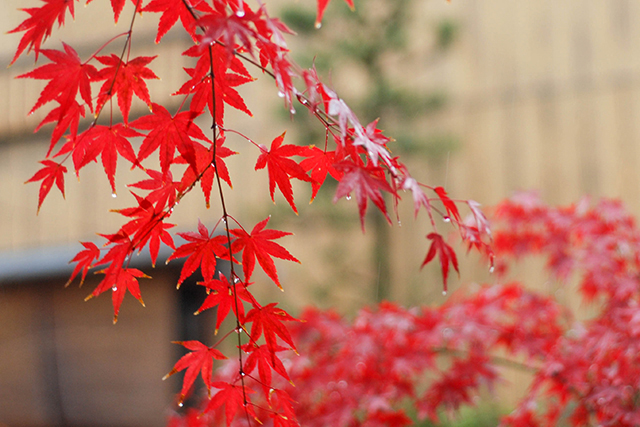
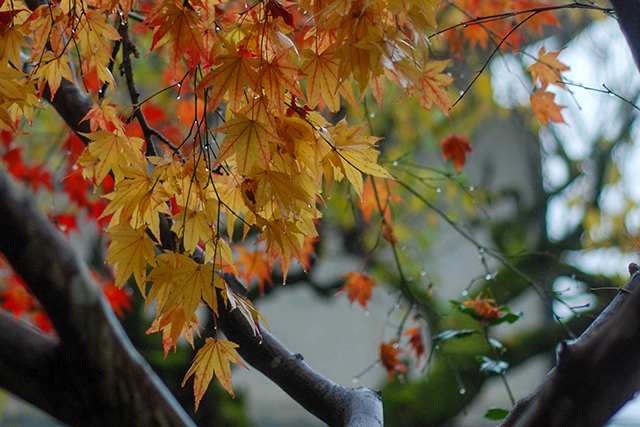
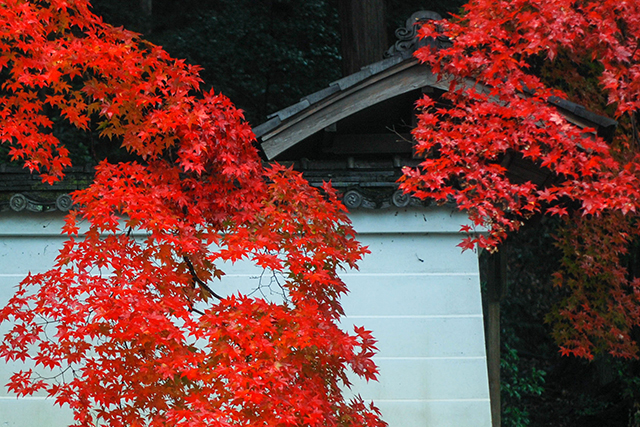
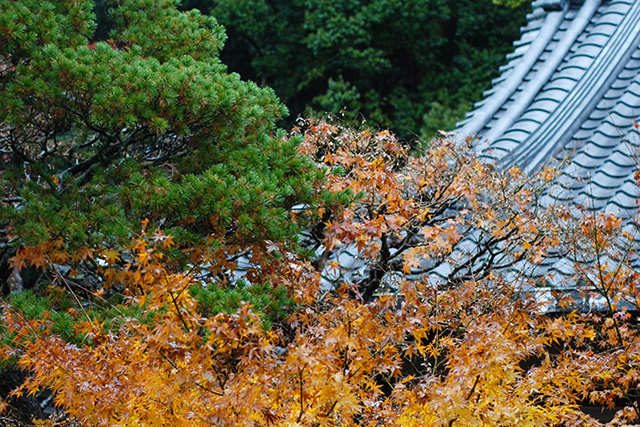
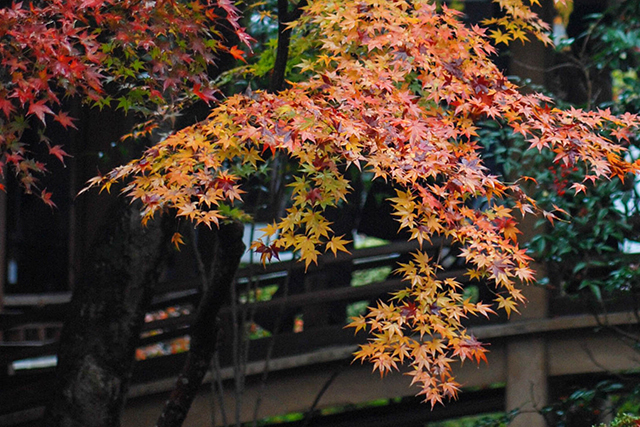
Eikando’s most recognizable building, however, is its Tahoto Pagoda, which is nestled in the trees on the hillside above the temple’s other buildings. Tahoto-style pagodas are two-story structures, whose first stories are square and the second stories are round. The view from the pagoda is particularly attractive in autumn when the maple trees of the temple grounds are changing colours.
Heian Shrine
平安神宮, Okazaki Nishitennocho, Sakyo Ward, Kyoto, 606-8341, Japan
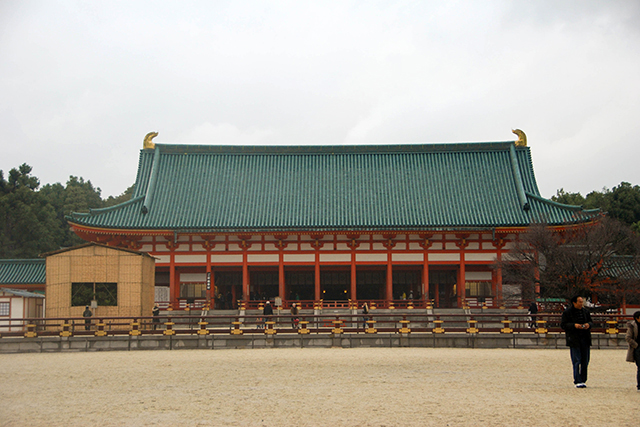
The shrine was built in 1895 on the occasion of the 1100th anniversary of the capital’s foundation in Kyoto and is dedicated to the spirits of the first and last emperors who reigned from the city, Emperor Kammu (737-806) and Emperor Komei (1831-1867). Heian is the former name of Kyoto.
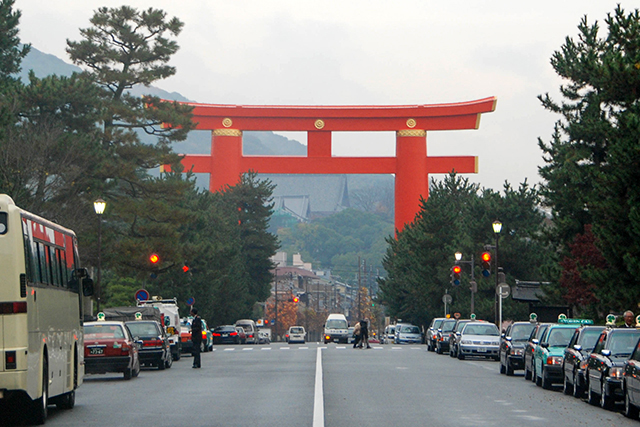
A giant torii gate marks the approach to the shrine.
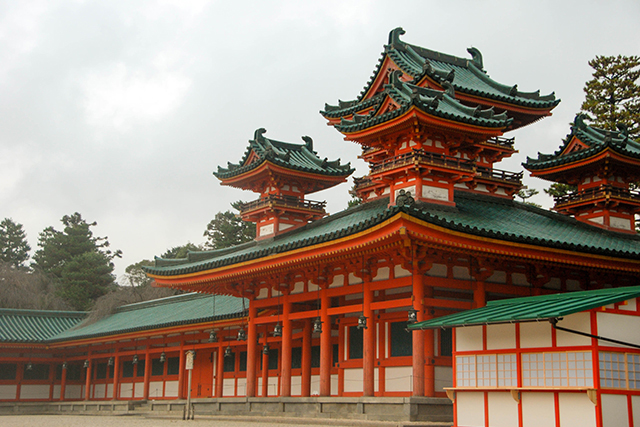
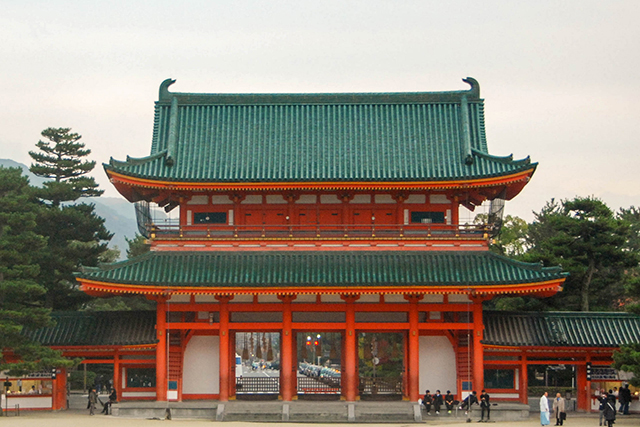
The actual shrine grounds themselves are very spacious with a wide open court at the center. The shrine’s main buildings are a partial replica of the original Imperial Palace from the Heian Period, built on a somewhat smaller scale than the original.
Kyoto Tower
京都タワー, 721-1 Higashishiokojicho, Shimogyo Ward, Kyoto, 600-8216, Japan
Kyoto Tower is an observation tower located in Kyoto, Japan. The steel tower is the tallest structure in Kyoto with its observation deck at 100 metres and its spire at 131 metres.