On day 4 of this Japan 2019 trip, we take a brief look at Nagasaki’s history of being the sole port used for trade with the Portuguese and Dutch during the 16-19th centuries.
Nagasaki
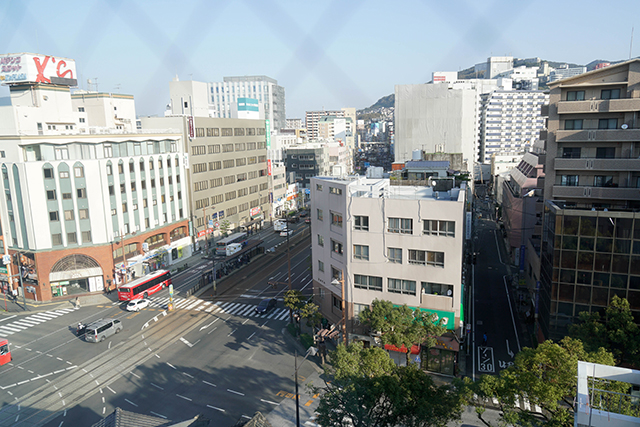
It’s a rather quiet day for us without any commuting between major cities, which is a rarity during this trip around Kyūshū, so we have a slow morning before making our way towards Dejima.
Dejima
出島, 6-1 Dejimamachi, Nagasaki, 850-0862, Japan
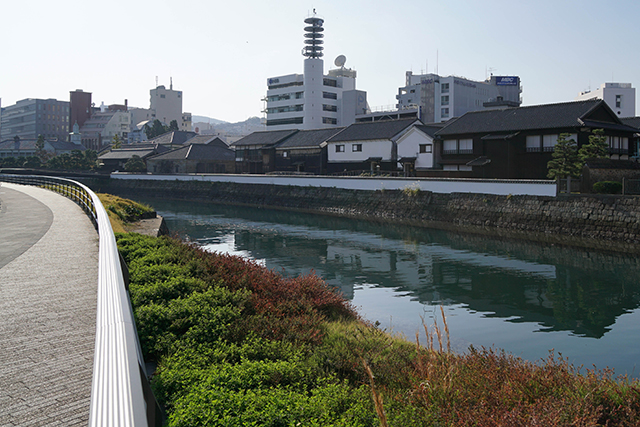
Dejima (or ‘exit island’ in Japanese) is a mere 3 minute walk from our hotel.
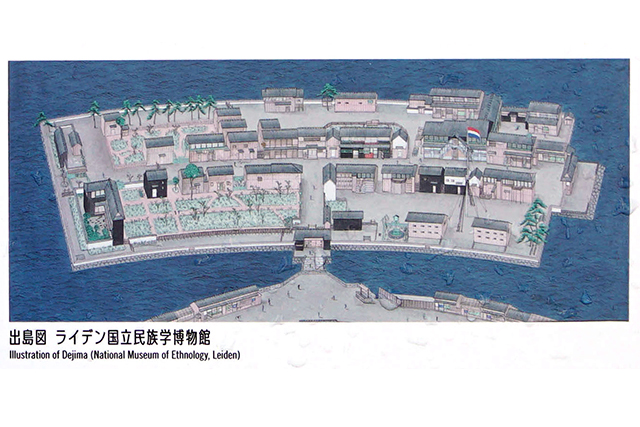
It’s a small fan-shaped artificial island in Nagasaki that was initially built in 1634 to segregate Portuguese residents from the Japanese population. In 1641, the Portuguese were expelled from Japan, and the Dutch Trading Station was moved to Dejima.
Dejima was abolished after the Treaty of Kanagawa in 1854 and the island was later integrated into Nagasaki city through land reclamation of the bay.
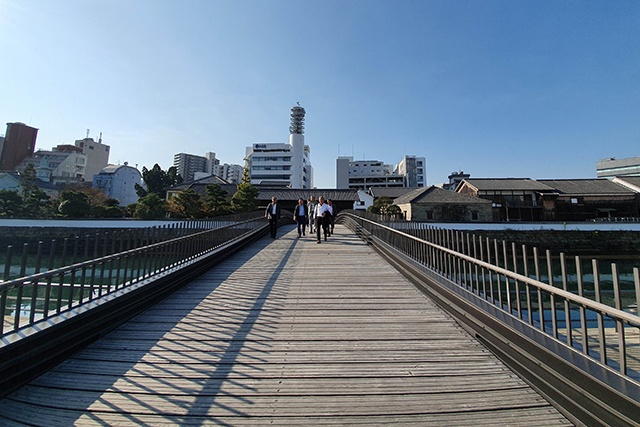
The Dejima Dutch Trading Station was designated a Japanese national historic site in 1922 with restoration works continuing to present day. While the original fan-shaped artificial island of Dejima no longer exists due to repeated reclamation of the bay, Nagasaki is planning to restore Dejima to its 19th-century state. Currently, some 10 buildings throughout the area have been restored.
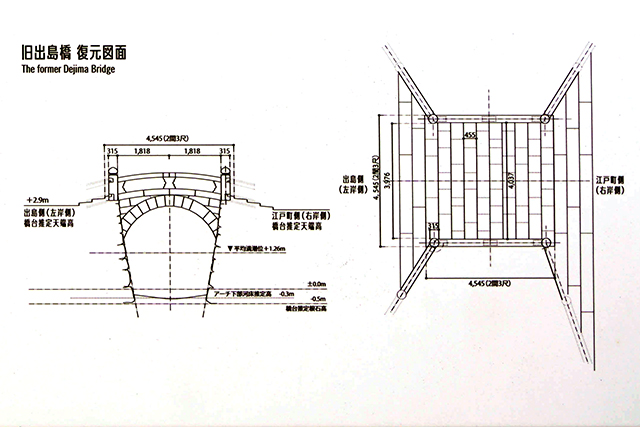
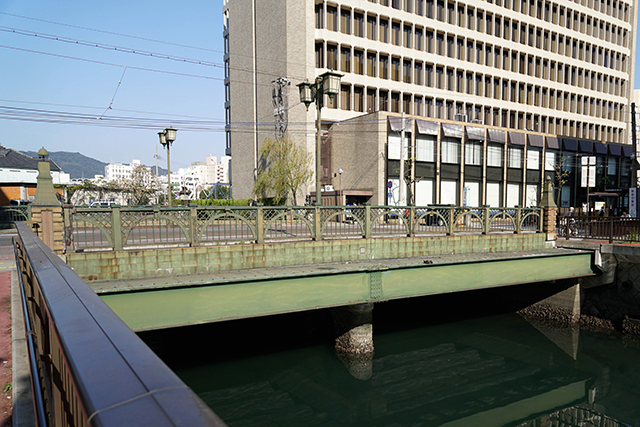
From 1641 to 1854, during Japan’s two centuries of isolation, the island was the single place of direct trade and exchange between Japan and the outside world. As such, the Dejima Bridge was the only link between the island and Nagasaki during the Edo Period.
The original wooden bridge [above, bottom] was replaced with a stone arch bridge in 1678. The latter was removed as a result of the diversion of Nakashima River in 1889 […]
Nakashima River was diverted due to silt collecting at the mouth of the river, and Dutch civil engineer Johannis de Rijke was engaged by the Meiji Government in 1877 to investigate the problem:
The first phase of the Nagasaki Harbor Improvement Project was conducted from 1885 to 1889. The river was diverted so as to curve between Dejima and Edo-machi via Chokyu Bridge and present-day Deshima Bridge, and an 18 to 20-meter swath of land was cut from the northern side of the island.
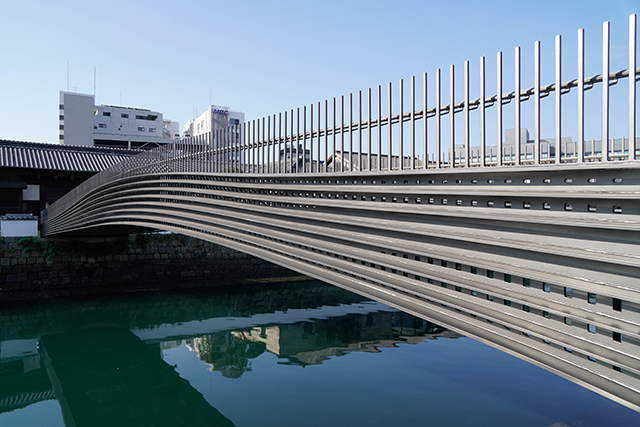
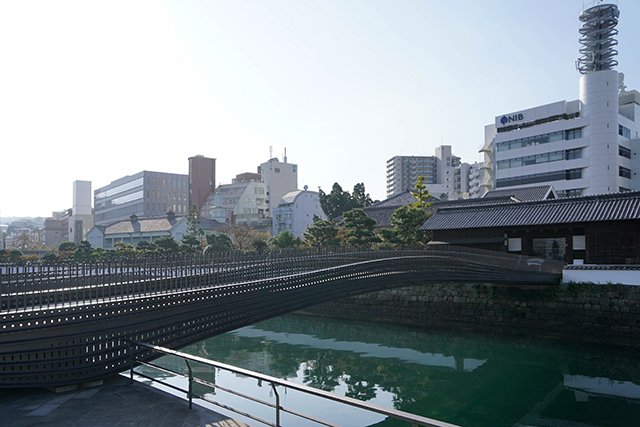 In 2017, the Dejima Main Gate Bridge (Omotemonbashi) was constructed on the site of the former Dejima Bridge to restore access to Dejima across the canal.
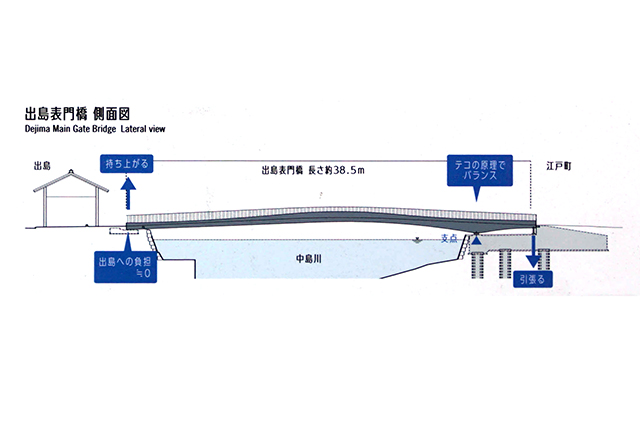
Since Dejima is a nationally designated historic site, it was impossible to alter the embankment wall and build an abutment on the former island.
European designer Laurent Ney implemented a unique structure to support the bridge on only one side. As a result, the bridge uses the principle of the lever to achieve balance, amalgamating state-of-the-art structural analysis technology with the traditional shipbuilding skills of Nagasaki.
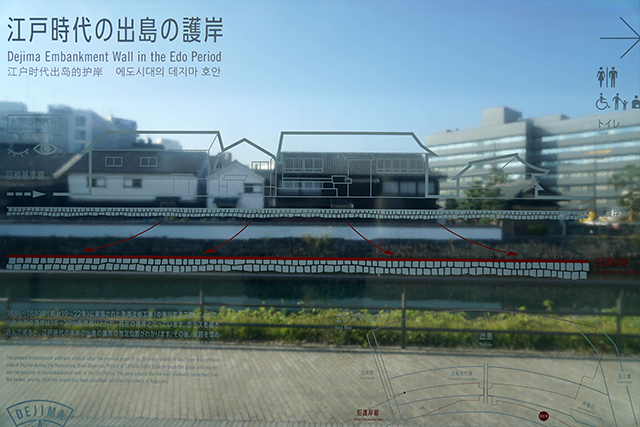
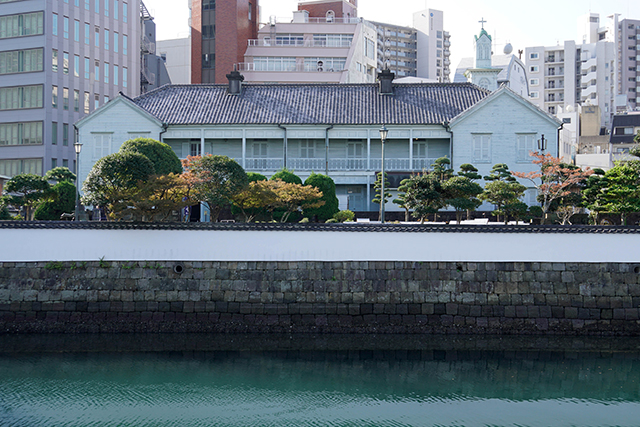
During the reconstruction of the Dejima Main Gate Bridge, foundation stones, stone walls and many other remains were excavated and restored. The city has a long-term plan to re-surround the island on all sides and so fully restore its characteristic fan-shaped form and all of its embankment walls.
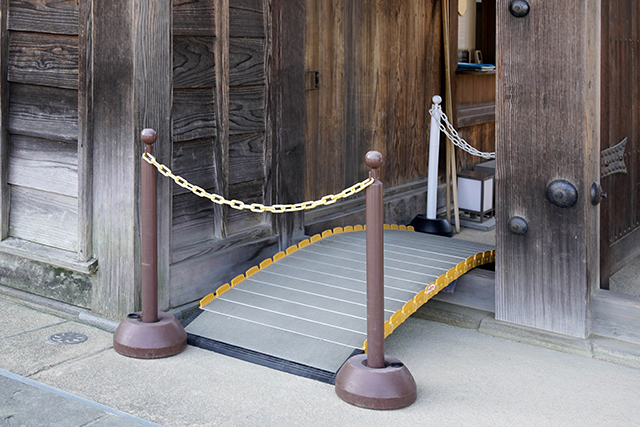
Visitors can enter the historic site to view the buildings up close for an admission fee of ¥510. We’re not keen, but we’re amused by this makeshift bridge providing level access over the entrance frame.
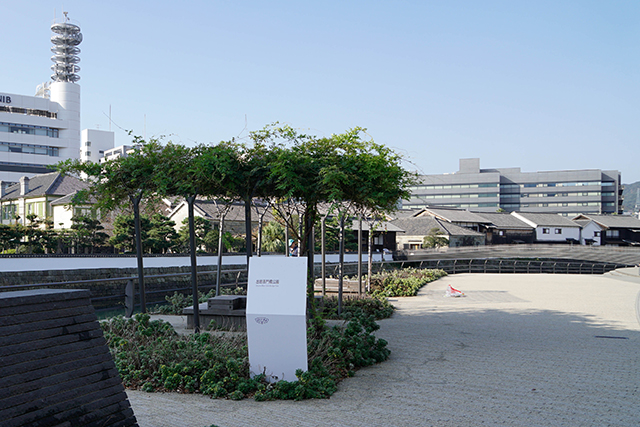
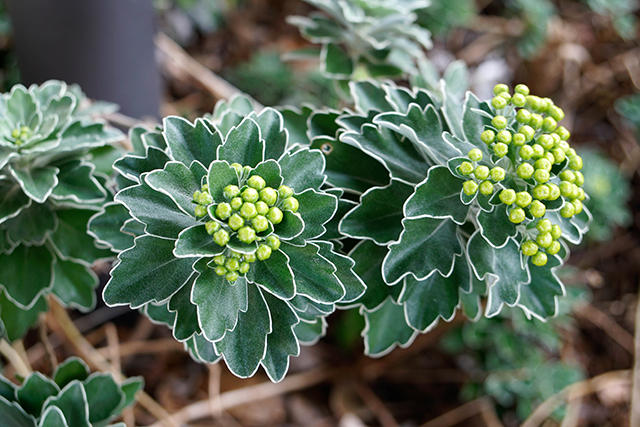
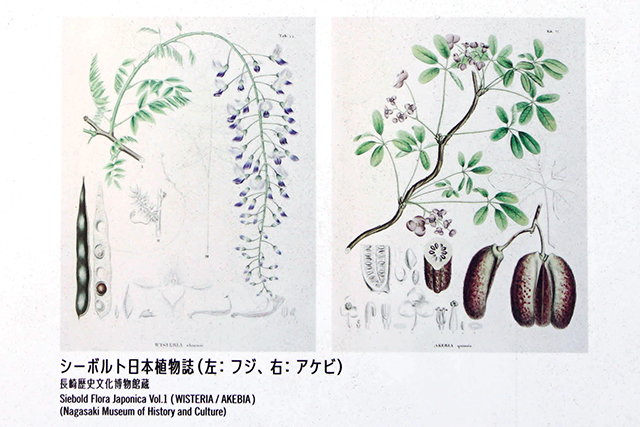
Further along the river, we see a corner with the ‘Siebold Botanical Garden’:
During his stay in Nagasaki from 1823, Dejima physician P F von Siebold sent approximately 260 indigenous Japanese plants to the Netherlands via Batavia (Jakarta). Five of the plants still being cultivated in the Hortus Botanicus at Leiden University were brought back to Dejima in 2000 and planted to commemorate the 400th anniversary of relations between Japan and the Netherlands. The five plants are Japanese maple, Japanese ivy, wisteria, akebi (chocolate vine) and keyaki (Japanese elm).
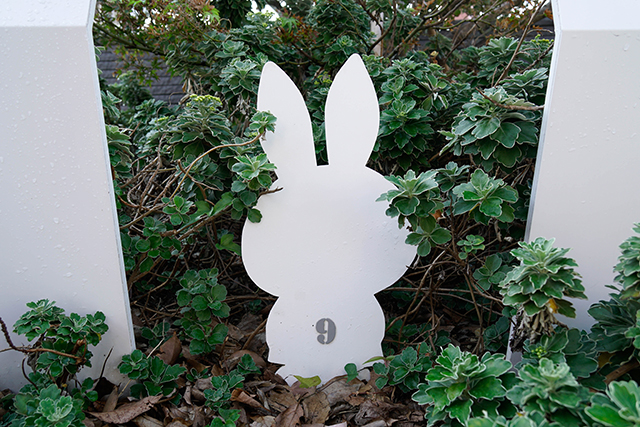
Given Japan’s penchant for all things cute and Dejima’s Dutch connections, it only makes sense that Miffy — the small female rabbit in a series of picture books drawn and written by Dutch artist Dick Bruna — featured around Dejima. Indeed, there’s ‘Miffy Orienteering’, which encourages visitors to find all the nine Miffy hiding around the park.
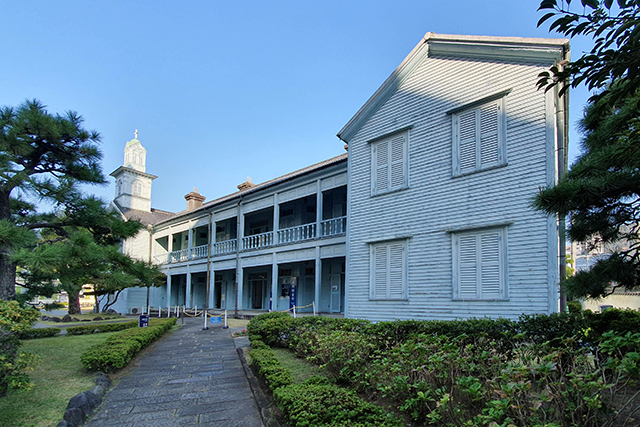
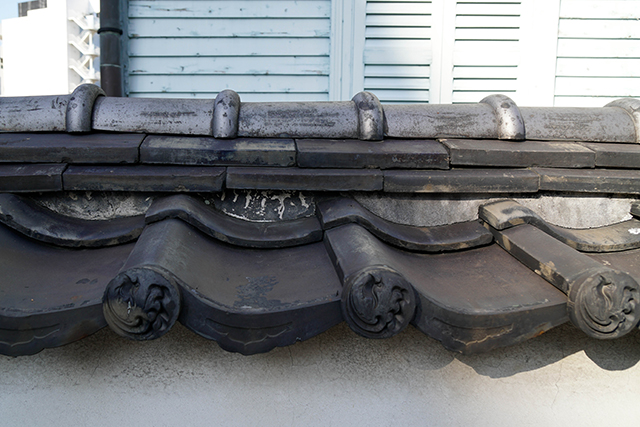
This is the old Dejima seminary, the oldest Protestant seminary in Japan.
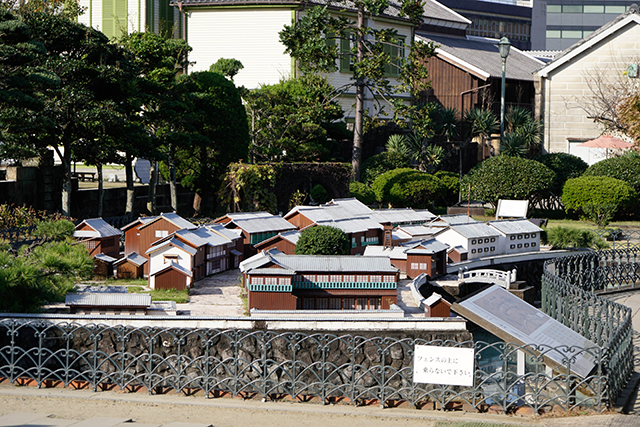
There’s a miniature reconstruction of the island as it was during the Edo period. It shows the original stone bridge connecting the island to Nagasaki.
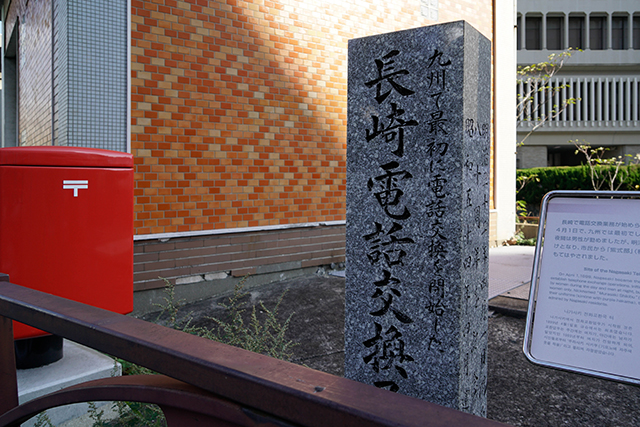
Opposite Dejima is the site of the Nagasaki Telephone Exchange.
On April 1, 1899, Nagasaki became the first city on the island of Kyūshū to establish telephone exchange operations. Initially the telephone exchange was staffed by women during the day and men at night, but from 1903 onwards it was staffed by women only. Nicknamed ‘Murasaki Shikibu’ (author of the Tale of Genji) because of their uniforms (kimino with purple hakama), these telphone operators were greatly admired by Nagasaki residents.
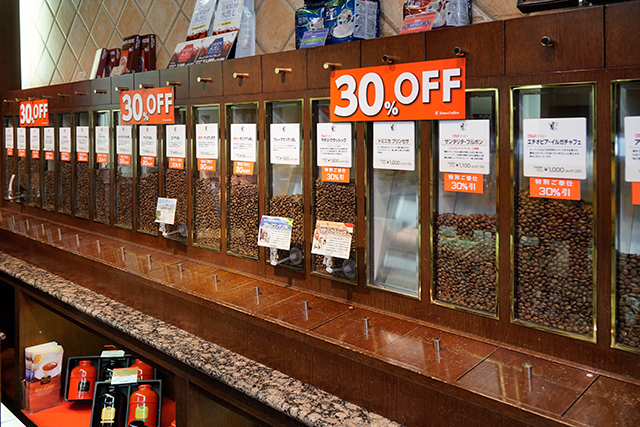
Walking towards Hamanomachi, we walk past a shop selling all sorts of coffee beans and tea.
Hamanomachi
2-33 Hamamachi, Nagasaki, 850-0853, Japan
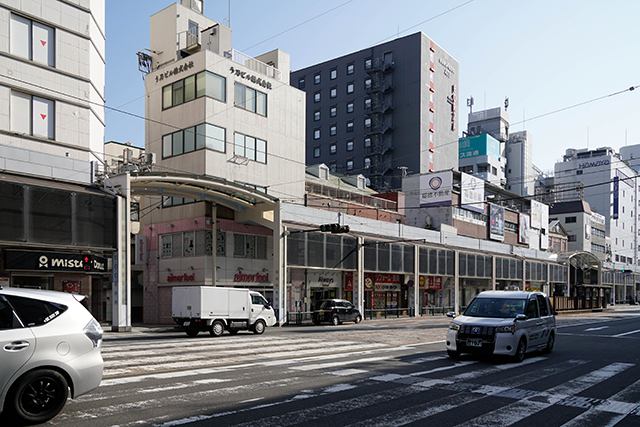
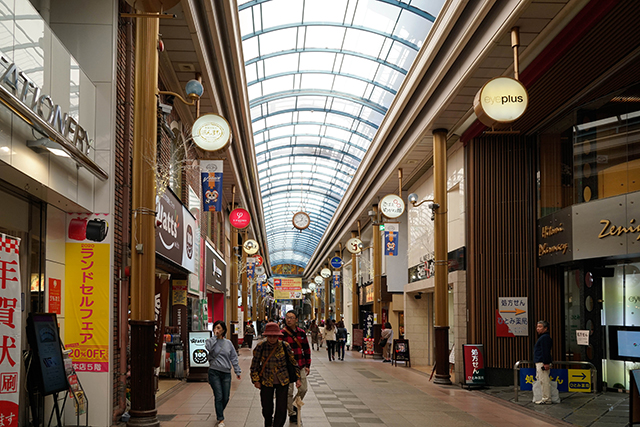
Hamanomachi is Nagasaki’s main shopping district with numerous covered streets for shopping.
Mister Donut
ミスタードーナツ長崎S東美ショップ, 1-22 Hamamachi, Nagasaki, 850-0853, Japan
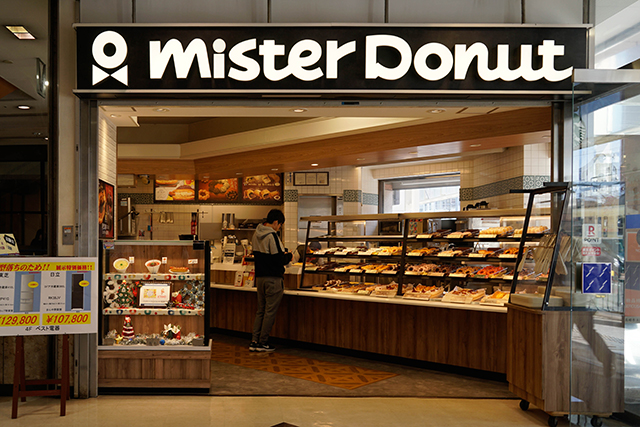
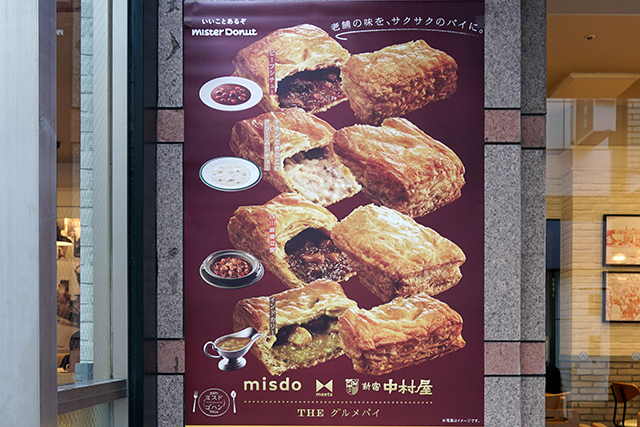
We’re excited to try the new offerings of hot pies at Mister Donut. Along with bagels, I guess this is their way of attracting customers into their stores during the morning, before the afternoon cravings for sweets.
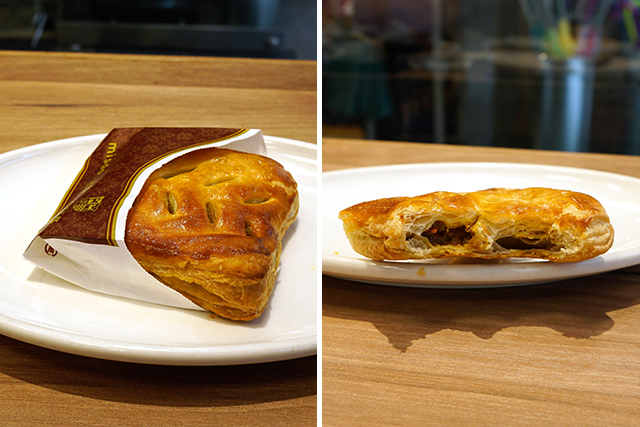
This is the Hot & Savoury Pie Beef Stew (¥220 +tax)
We enjoy the gentle sweetness of the tomato in the sauce, which recalled the comforting sauce in hayashi rice.
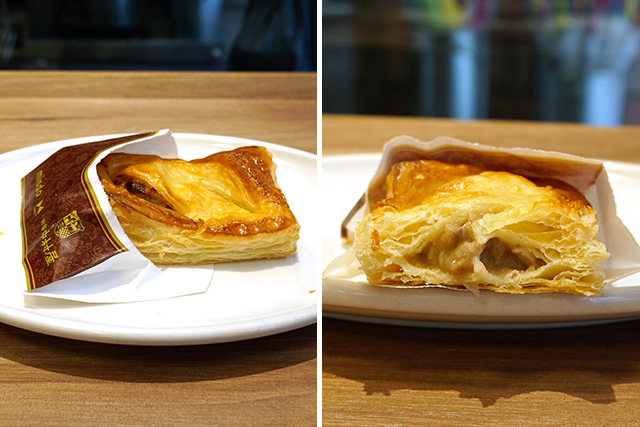
This is the Hot & Savoury Pie White Stew with Chicken and Mushroom (¥220, +tax)
This is one of our favourites of the four with its rich and creamy sauce that delivered a prominent mushroom flavour with the bite from the chicken. It tastes like a good chicken and mushroom soup with a thicker consistency.
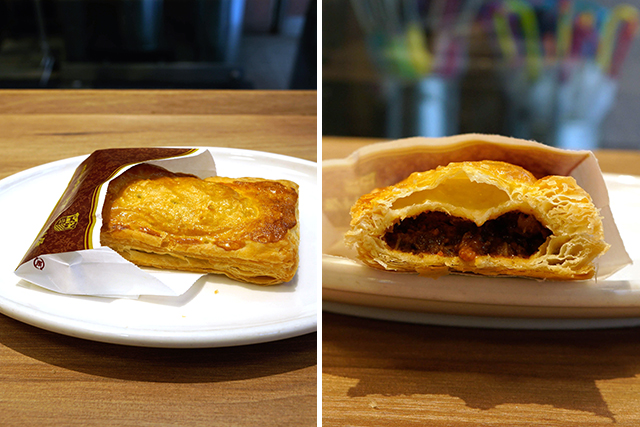
This is the Hot & Savory Pie Sichuan Style Mapo Tofu (¥220 +tax)
This one has an enjoyable sharpness that recalled the citrus in a sansho powder and delivered on the Sichuan aspect with gentle numbing spiciness that lingered on the palate.
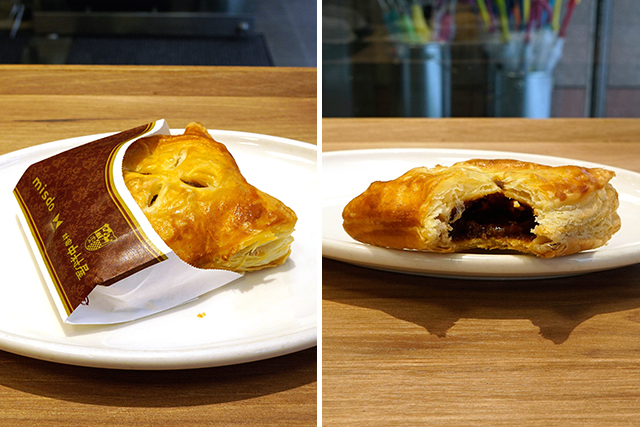
This final one is the Hot & Savoury Pie Indian Style Curry (¥220 +tax)
The curry had a gentle, tingling heat that made it a spicy twist on the beef stew pie.
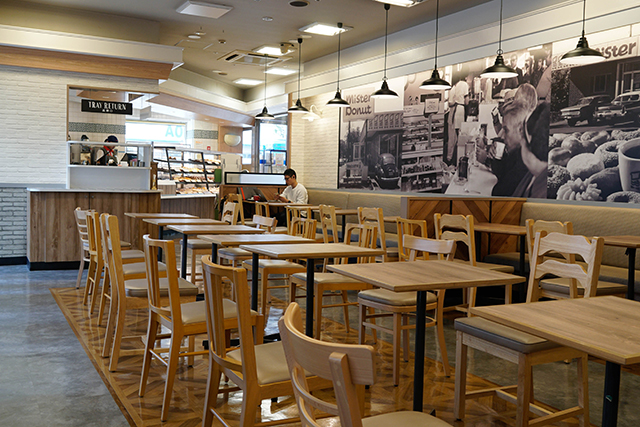
We enjoyed the crisp pastry and tasty innards of these gourmet pies from Mister Donut immensely.
Boulangerie Prunelle
Boulangerie Prunelle, 長崎S東美ショップ, 1-22 Hamamachi, Nagasaki, 850-0853, Japan
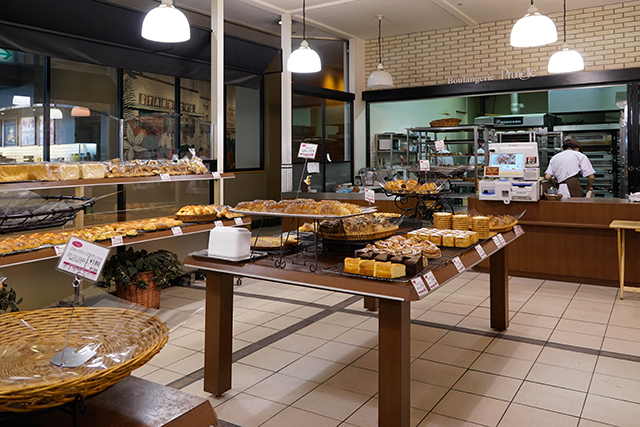
A few shops away from Mister Donut is Boulangerie Prunelle, a large bakery selling all manners of baked goods.
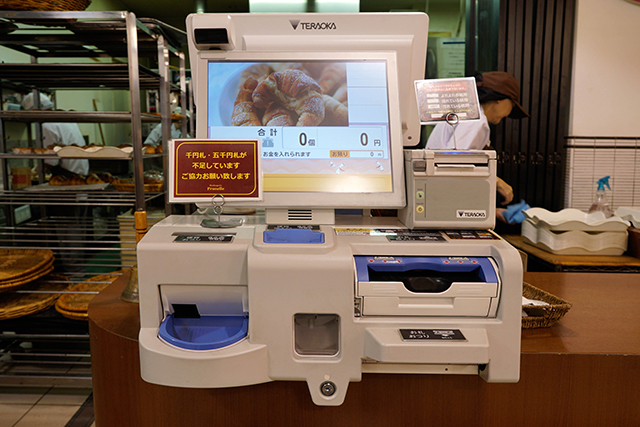
This is our first encounter with the cashier/self-serve checkouts in Japan. The cashier scans/puts the price of the items into the machine as well as bags the items for you but doesn’t deal with the money. Rather, the customer puts the money into the machine that faces them and is given the right amount of change.
While this was our first encounter with this kind of system in Japan (or anywhere really), we found they were quite common around Kyūshū. It keeps the personal aspect of customer service while increasing efficiencies and hygiene by leaving the customer to deal with the money. Oddly, we didn’t find the machines quite so common in Tōkyō.
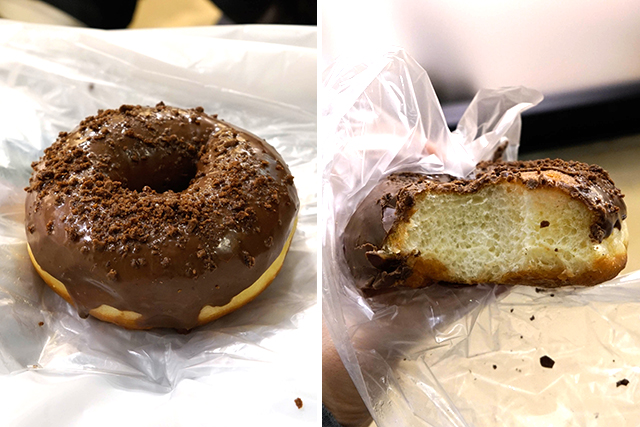
D picks up a chocolate doughnut, which he found lighter and fluffier than the one from Mister Donut.
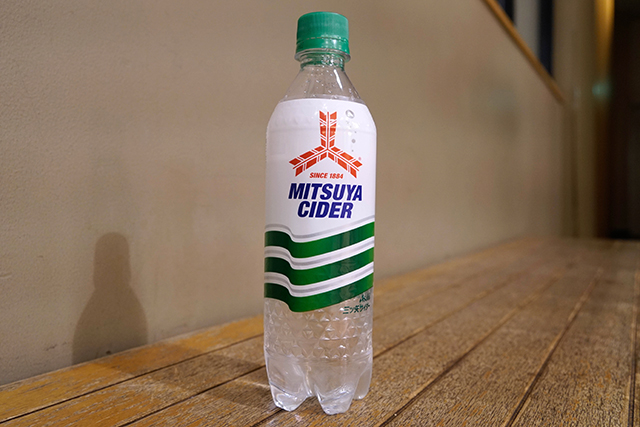
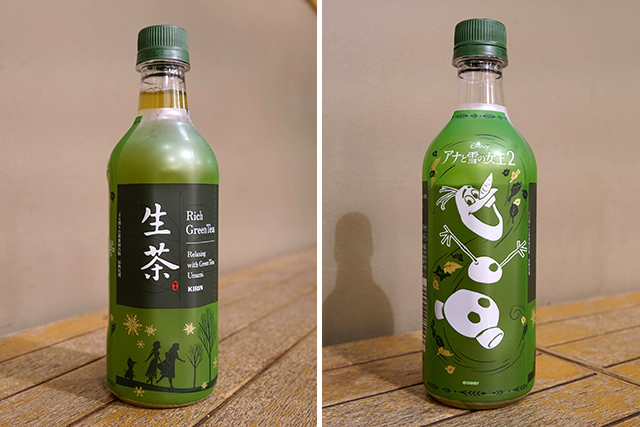
We cleanse our palate with Mitsuya Cider and a Kirin Namacha Rich Green Tea. This was one of my favourite drinks during this trip, with rich umami in the green tea flavour, but without any bitterness whatsoever.
Hamanomachi Arcade
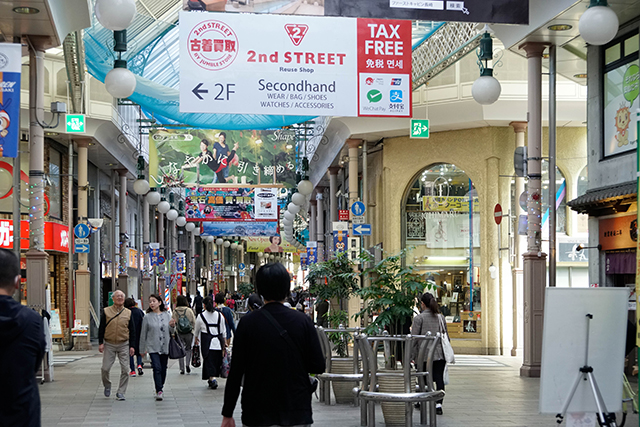
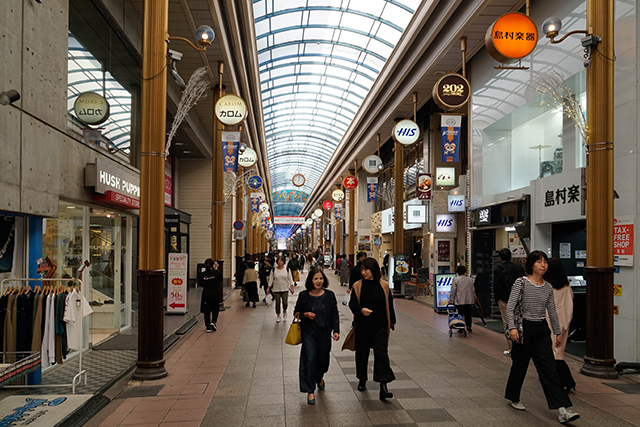
There are over 700 stores in the arcade from domestically well-known brands to local family-owned businesses that sell clothing, accessories, cosmetics, souvenirs, local produce and pastries
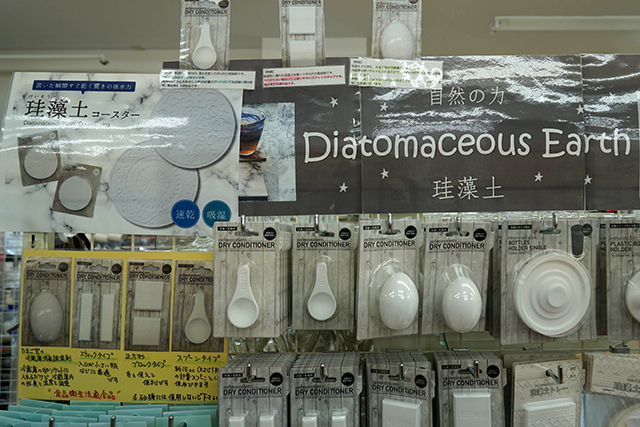
At the Daiso, there’s a series of diatomaceous earth products. As they absorb moisture, they’re an alternative to silica gel or desiccant. The spoons are useful for being kept in salt and sugar containers, which need to be kept dry.
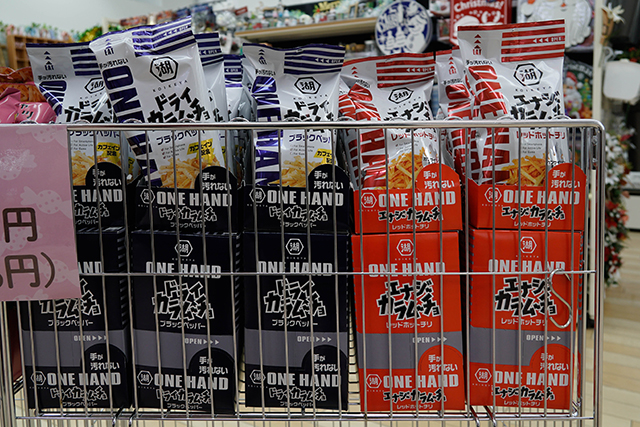
There are bags of crisps designed for being eaten with one hand, so your other hand can be kept clean for multitasking.
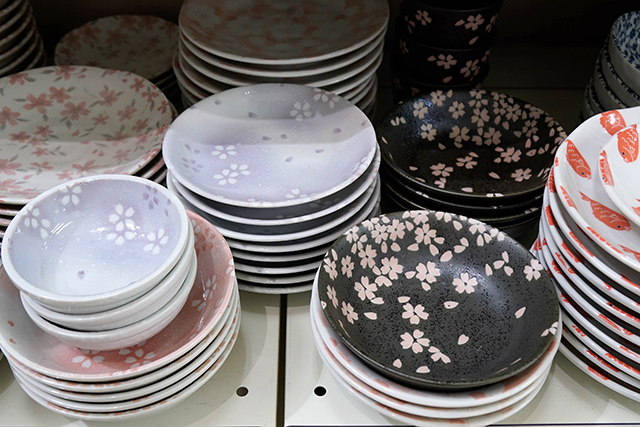
The Daiso in Japan stocks very beautiful plates.
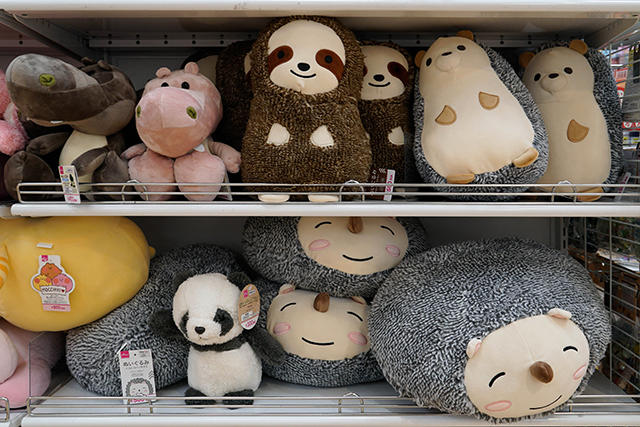
There’s an extensive variety of plush toys.
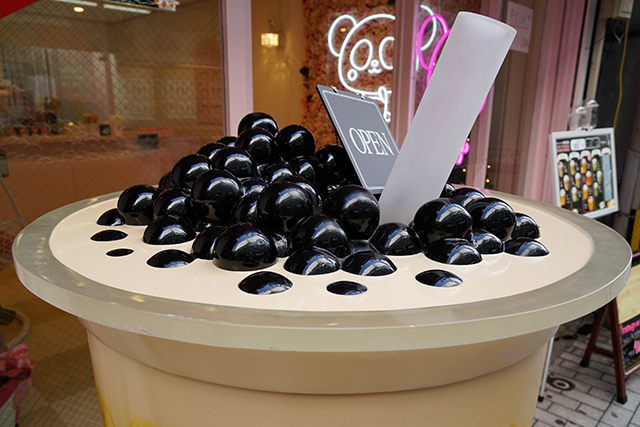
With Japan’s bubble tea boom, we spot a giant cup of pearl milk tea heaped with black pearls welcoming people into the store.
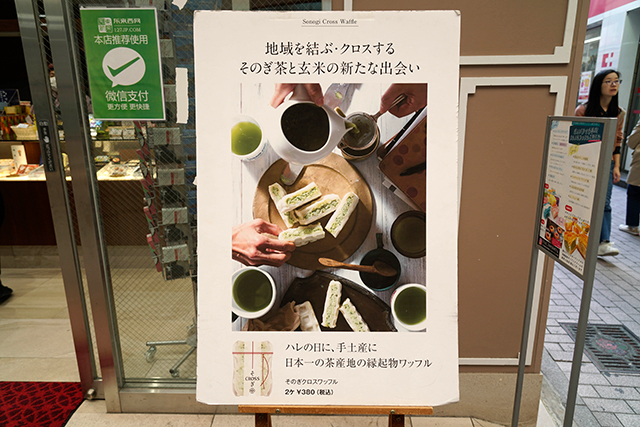
Around the corner, there’s a shop selling premade mochi waffles with green tea cream.
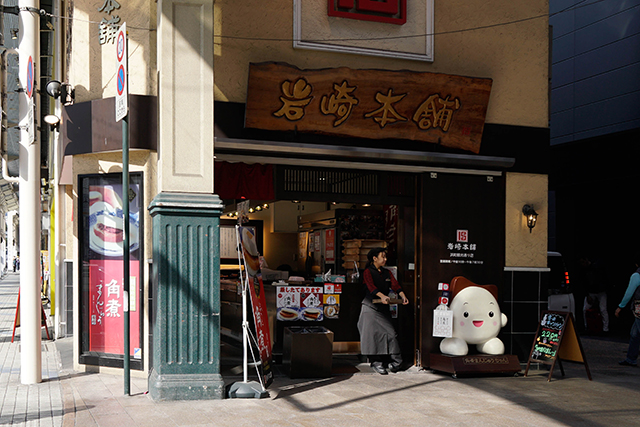
Gua bao is available throughout Nagasaki and specialty shops sell them prepackaged even here outside Chinatown.
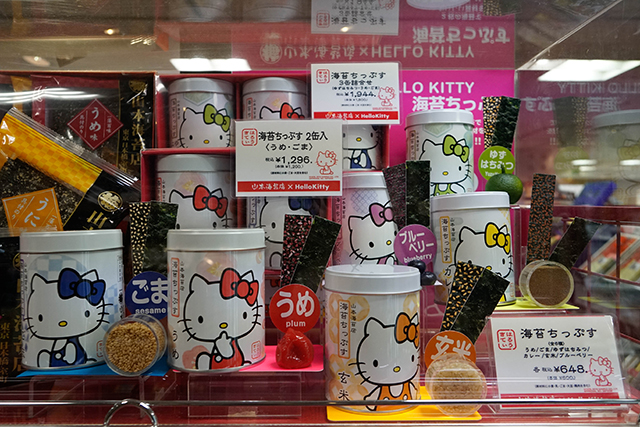
There are Hello Kitty themed seaweed snacks flavoured with various condiments.
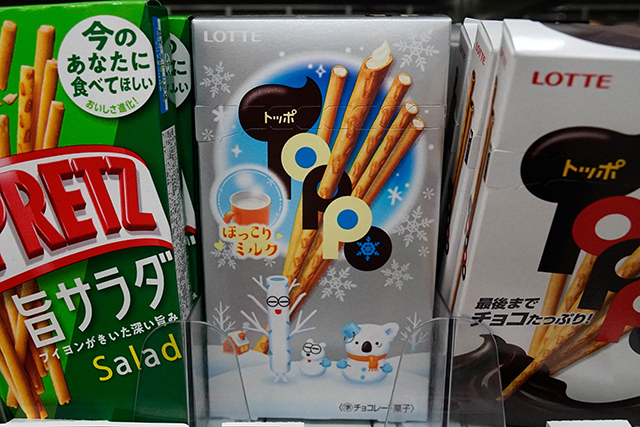
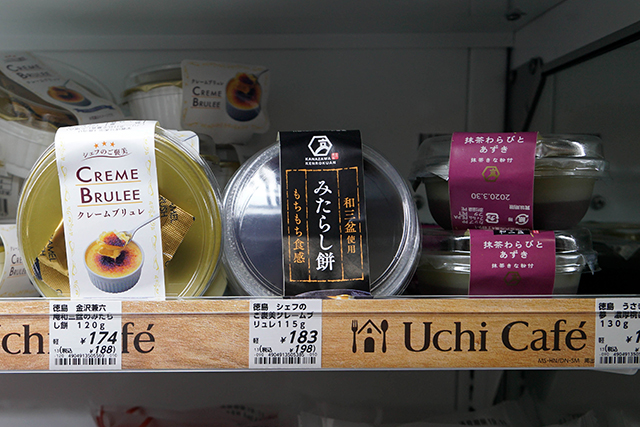
We pop into a Family Mart and find some cutely packaged Toppo, as well as some creme brulee, mitarashi dango and matcha warabi azuki.
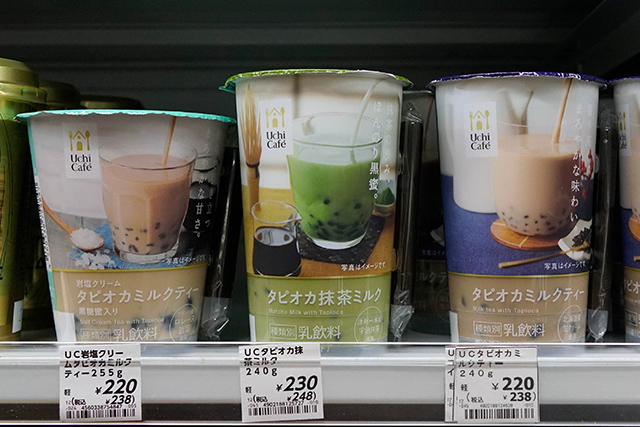
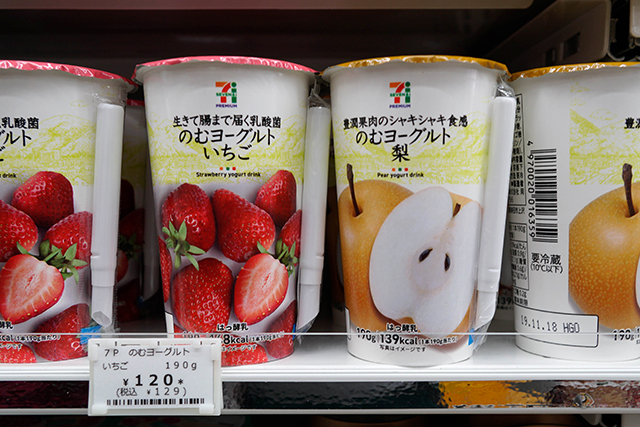
In the drinks cabinet, we find numerous kinds of premade bubble tea, as well as fruit yoghurts.
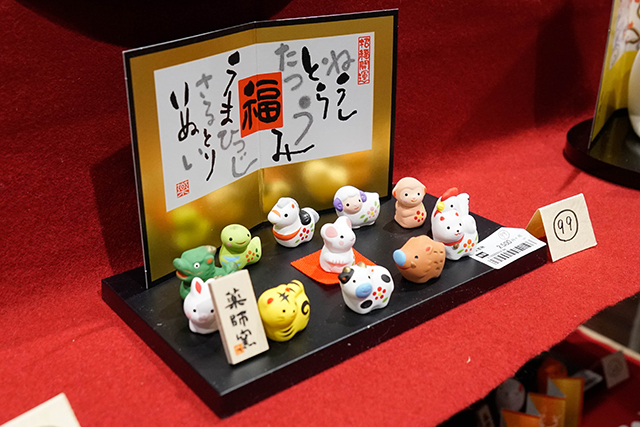
There’s this cute set of zodiac animals at a gift store.
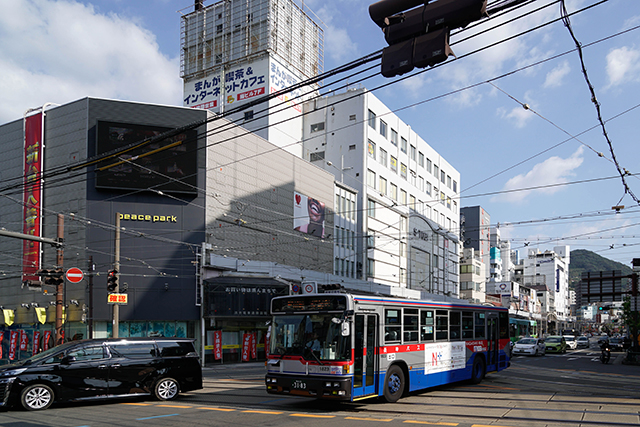
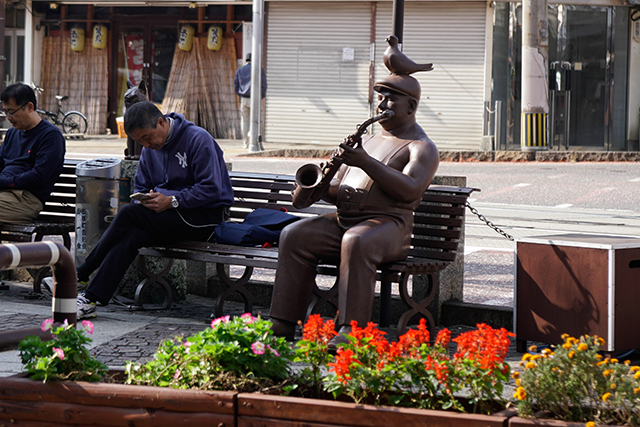
Having checked out the shops, we walk towards Chinatown.
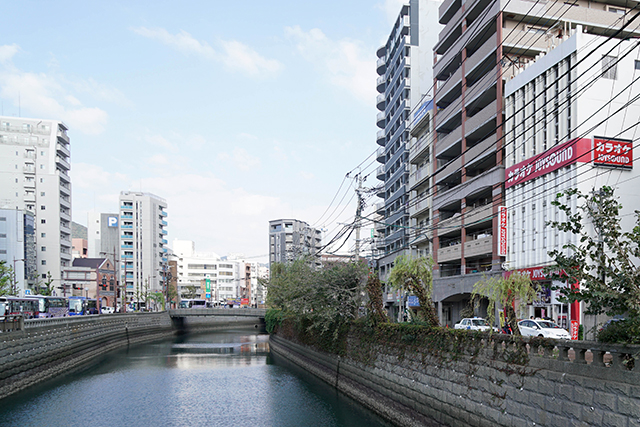
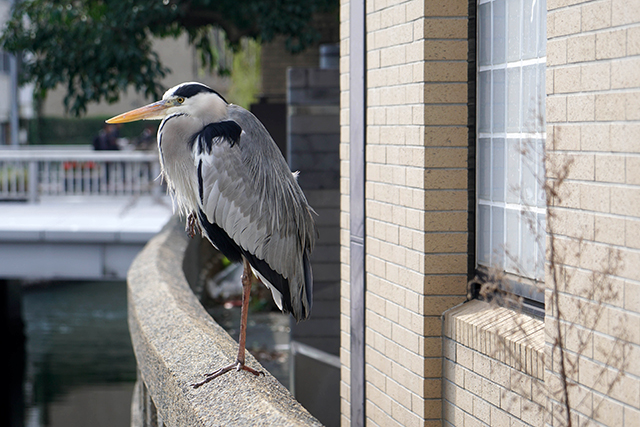
Waiting for the lights to change, we notice this unmoving heron standing on one leg. It didn’t move an inch the entire time, and the only reason we figured out it was real was its breathing.
Caffé Veloce
カフェベローチェ 長崎西浜通り店, 5−11 しをや化粧品ビル 1F, Dozamachi, Nagasaki, 850-0841, Japan
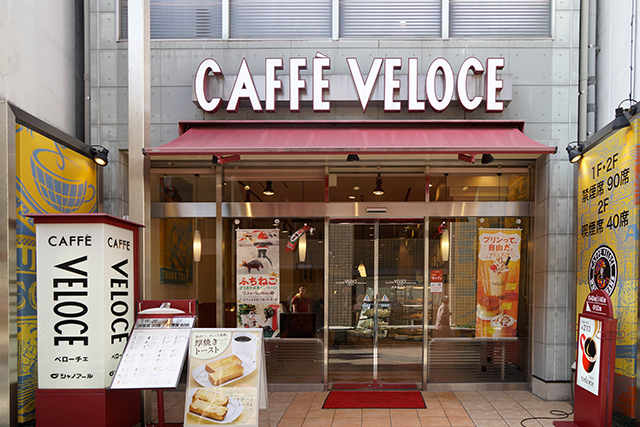
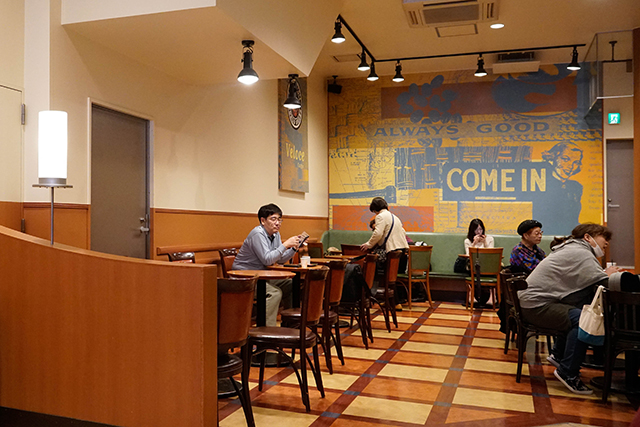
On the way to Chinatown, we make a rest stop at Caffé Veloce, one of our favourite coffee shops in Japan. We’d stopped by an earlier one in the shopping street only to backtrack due to the thick cigarette smoke that greeted us on entering that store (the smoking section was sectioned off but the air still flowed freely near the ceiling).
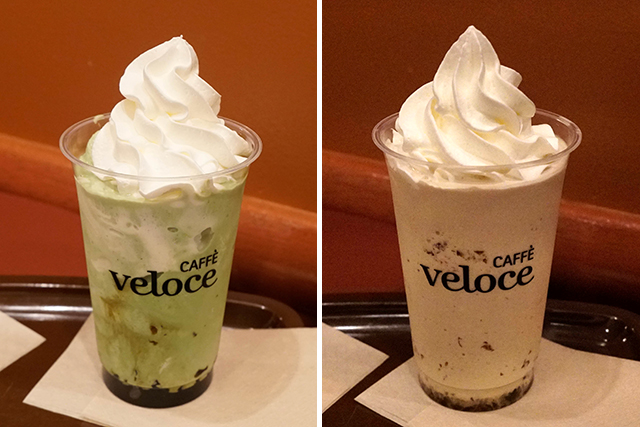
On the left is the Kuromitsu Matcha Mazely (¥380 including tax), which consisted of their regular soft serve blended with Uji matcha on a base of kuromitsu jelly and topped with whipped cream. The kuromitsu jelly adds an interesting textural accent to the drink as well as a prominent sweetness that, along with the whipped cream, masks much of the vegetal notes of the matcha and leaves only a very mild flavour.
On the right is the Coffee Mazely (¥380 including tax), which consisted of their regular soft serve blended with their regular iced coffee on a base of their regular coffee jelly and topped with whipped cream. The coffee jelly here also adds textural interest, yet also accentuates the coffee flavour in the soft serve, making for a well-balanced coffee drink that we preferred.
Shinchi Chinatown
長崎新地中華街, 10-13 Shinchimachi, Nagasaki, 850-0842, Japan
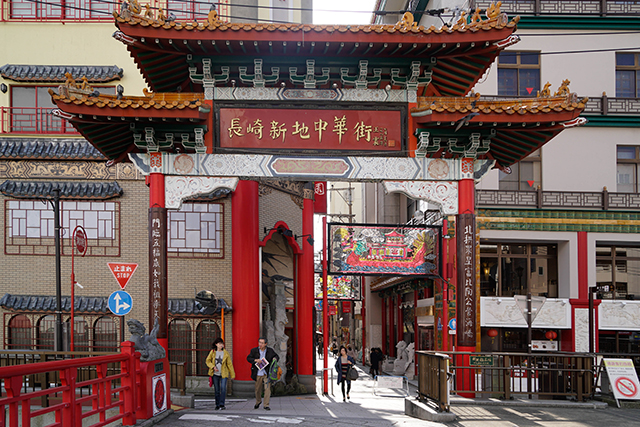
Nagasaki Shinchi Chinatown is the oldest Chinatown in Japan, and — along with the other port cities of Yokohama and Kōbe — one of the three of the largest in Japan. This is the gate at the north entrance.
The area of Shinchi Chinatown used to be called Shinichi Warehouses, where Chinese boats stored their goods to be traded and on the south side there were water gates that opened when ships came in to be unloaded.
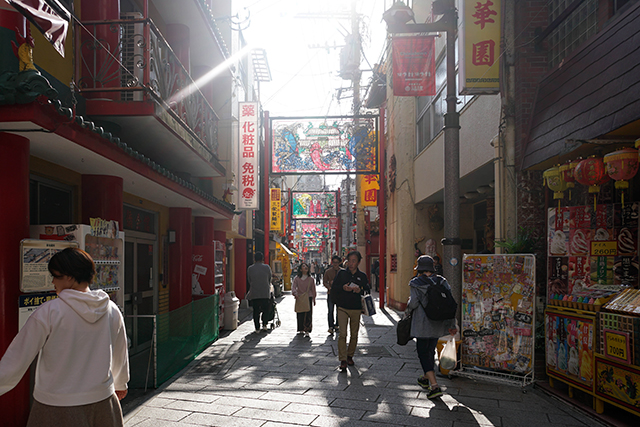
Nagasaki’s Chinatown is smaller in scale than the ones in Kōbe and Yokohama, with about 30 shops in total.
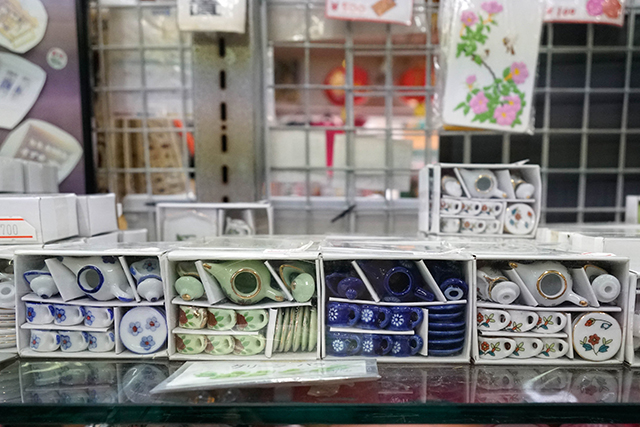
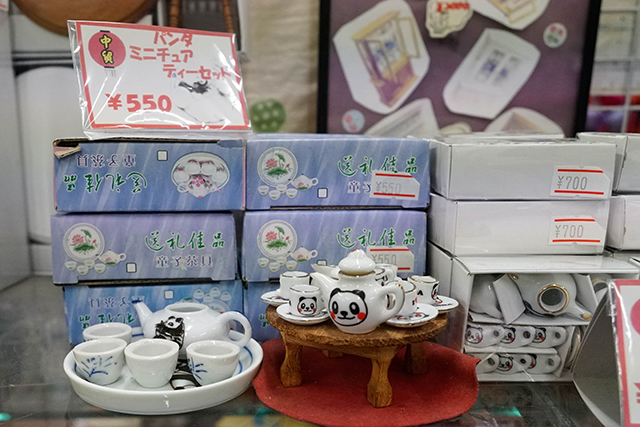
We find miniature teapot sets for a very reasonable price available.
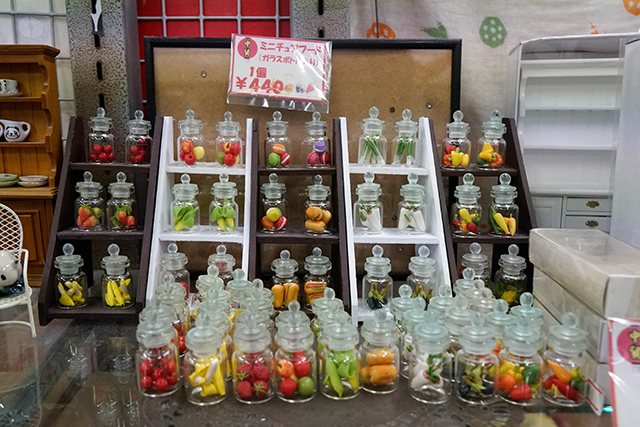
There’s also miniature fruit in tiny jars.
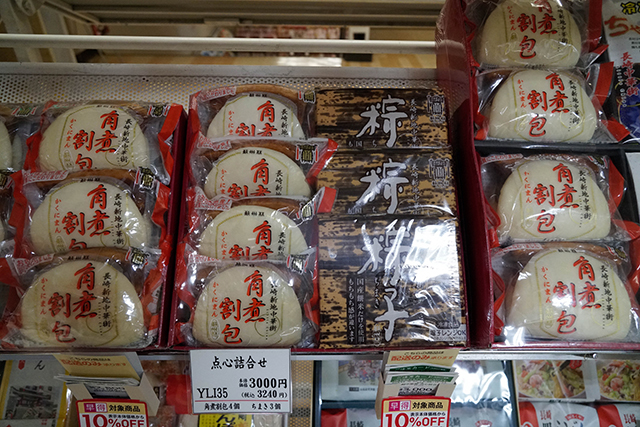
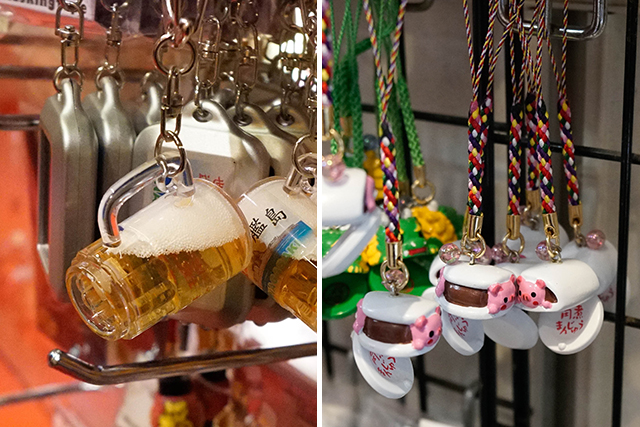
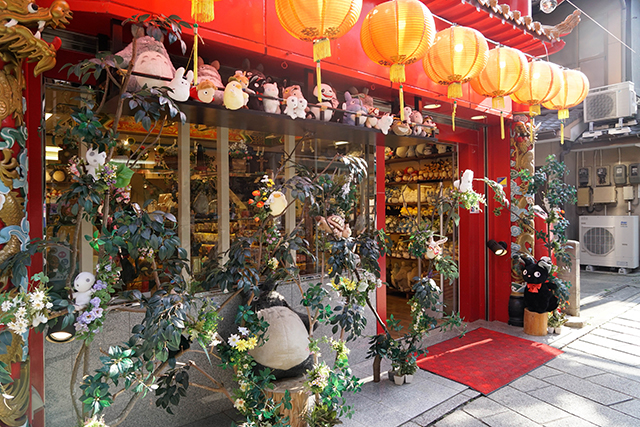
When it comes to food, it’s the gua bao — or what D likes to call ‘lazy manjū’ — that’s available everywhere we look, whether fresh or prepackaged as omiyage. Along with a frothy beer charm, there are also charms featuring the gua bao with a cute pig sticking its face out.
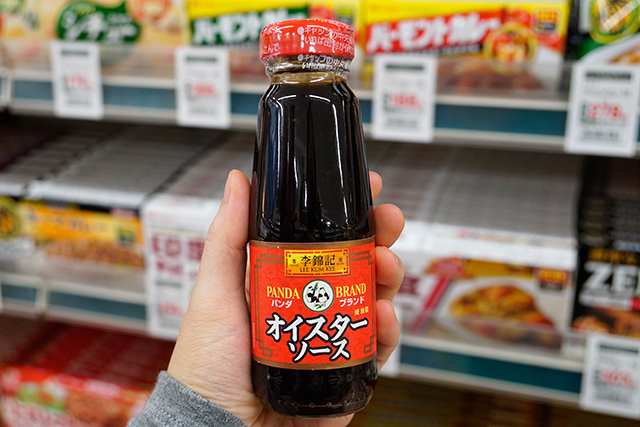
At the supermarket inside Chinatown, we found the tiniest bottle of oyster sauce.
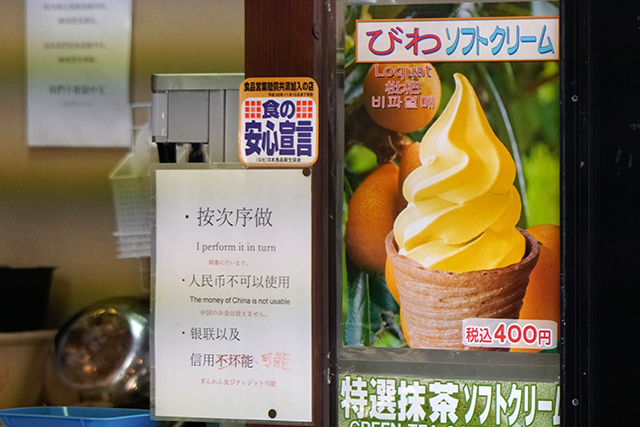
We also found it amusing that people find it acceptable to use the Chinese currency just because they’re in a Chinatown.
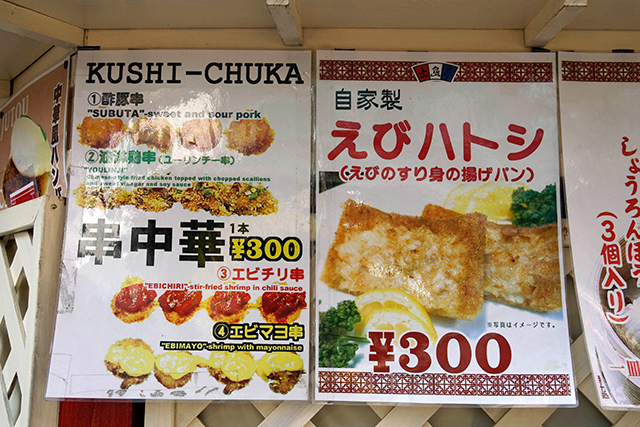
There are various types of Chinese inspired Japanese foods, but the stall is closed.
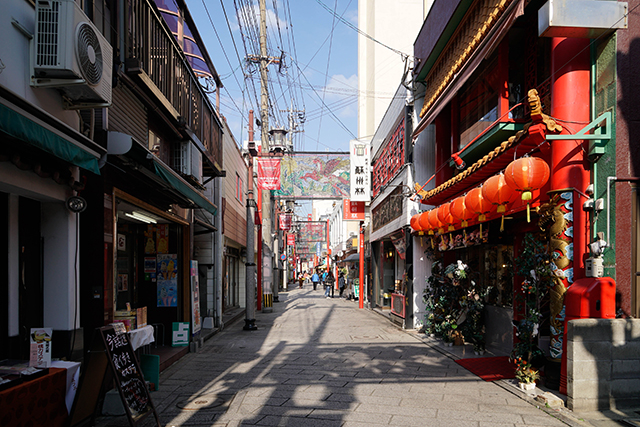
Minato Park
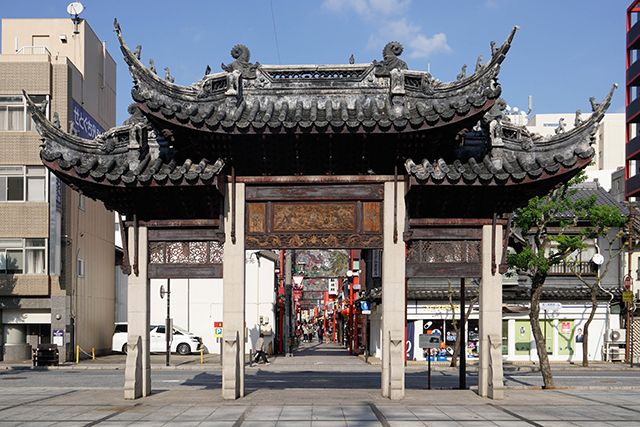
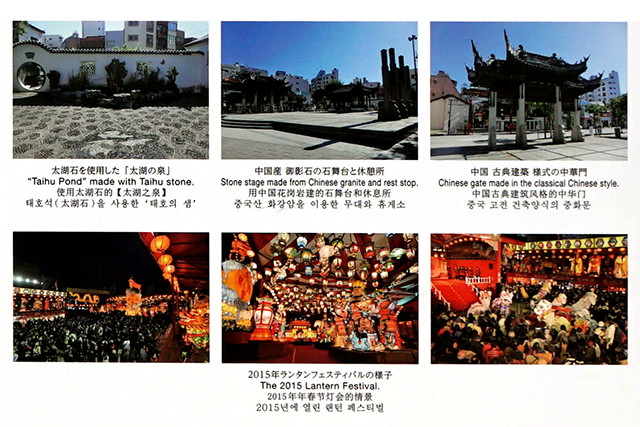
At the south end of Chinatown is Minato Park. An estuary used to flow down to the port at this location with before land was reclaimed around 1926 and became Minato Park. During Lunar New Year, the popular Nagasaki Lantern Festival is held here.
Lively trade with the Chinese and the Dutch has been carried out in Nagasaki ever since the port was opened in 1571. The area around the Minato Park (present day China Town) used to contain the Tojin-Yashiki (Chinese Quarter) and warehouses to store goods belonging to the Chinese traders.
Minato Park was constructed in 1957 on land which had been reclaimed from the ocean in the early Showa Period (1926-1989). The park has undergone renovations four times; between 1988-1990, 1992, 2010 and 2015. These renovations were carried out in order to make repairs, and to adapt to the needs of those who use the park and changes in the surrounding area. These upgrades to the park have been made in accordance with local history, and have produced a Chinese-style park.
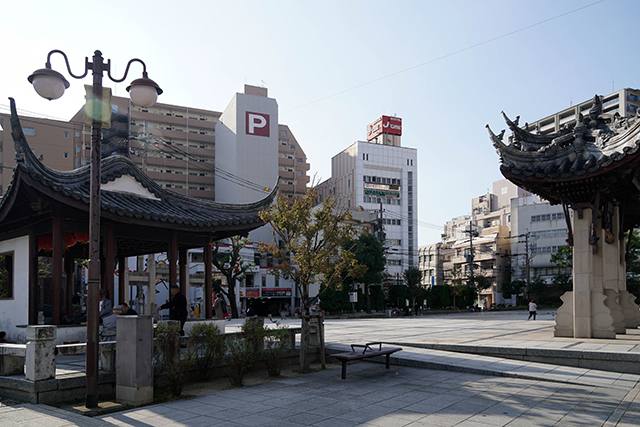
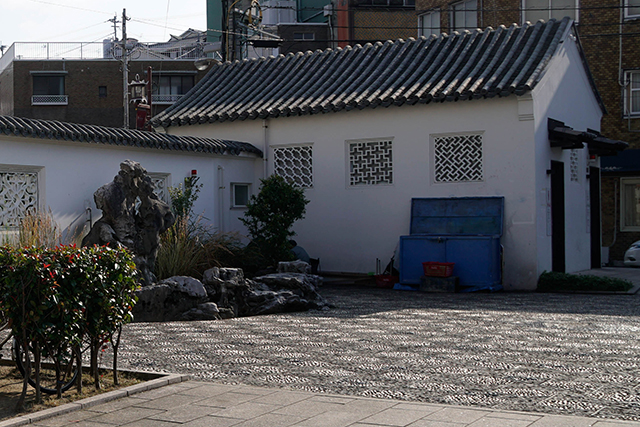
A sign explains the design concept for the park:
Specialist engineers were invited from China to work on the park renovations which took place between 1988 and 1990. A Chinese atmosphere reflecting traditional culture can be enjoyed throughout the park. Such featured include the classical Chinese gate, the rest stop, and the Taihu Pond which was constructed from Taihu stone. In 1994, this design earned the park the Tezukuri Kyodo Award as a “Furusato no Bunka wo Hagukumu Machikado no Hiroba” (Street Corner Park which Nurtures Local Culture”).
Aeon Nagasaki Shop
イオン長崎店, 3-17, Shinchimachi, Nagasaki, 850-0842, Japan
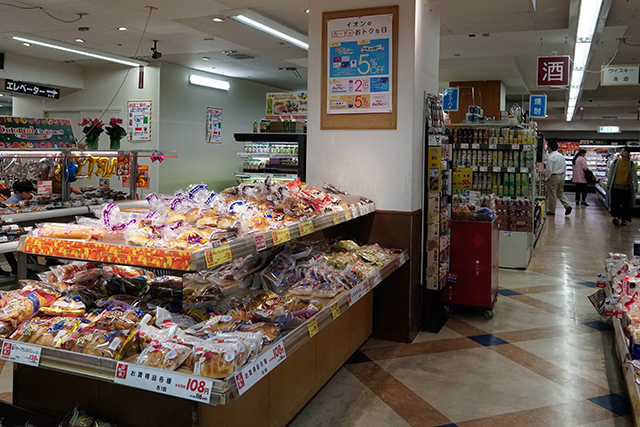
On our way back to the hotel, we stop by the Aeon supermarket.
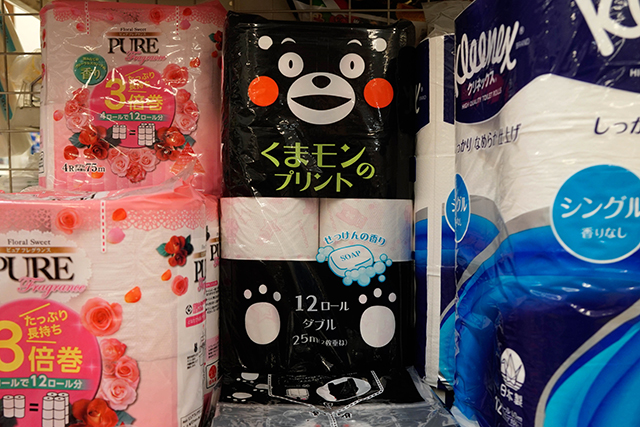
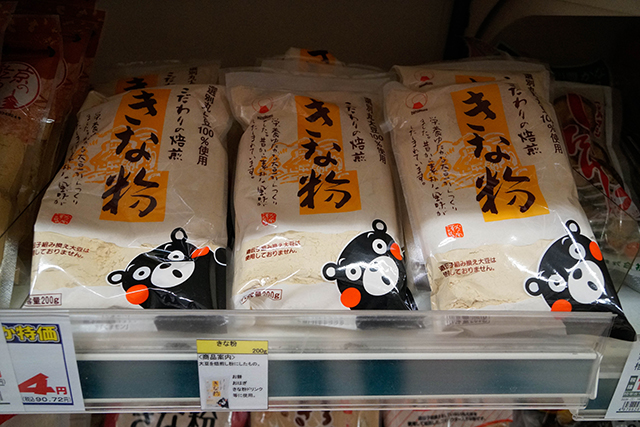
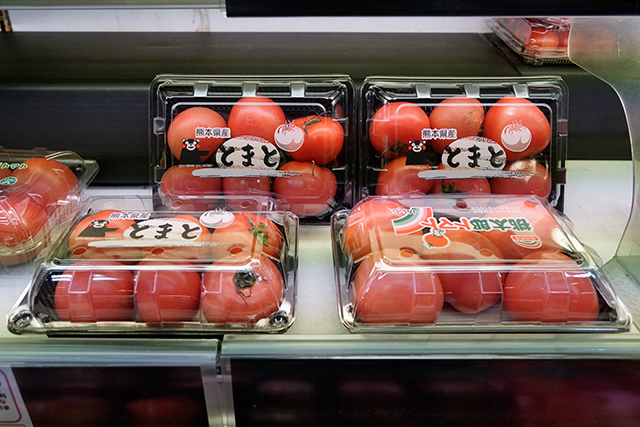
There are numerous products with Kumamon available with toilet paper printed with pink Kumamon as well as kinako and tomatoes.
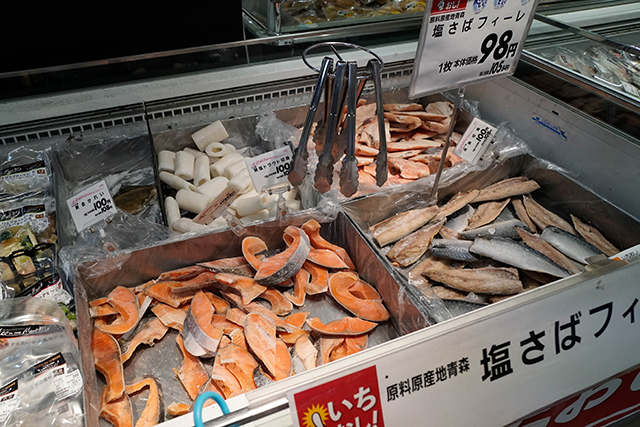
Their seafood is self-serve, frozen and very affordable!
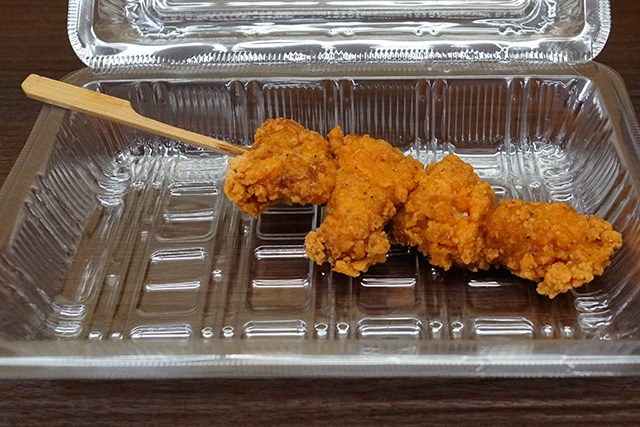
D picked up a spicy chicken skewer, which he heated in the microwave at the supermarket. The chicken had a tasty herb and spice flavour, although it wasn’t crunchy.
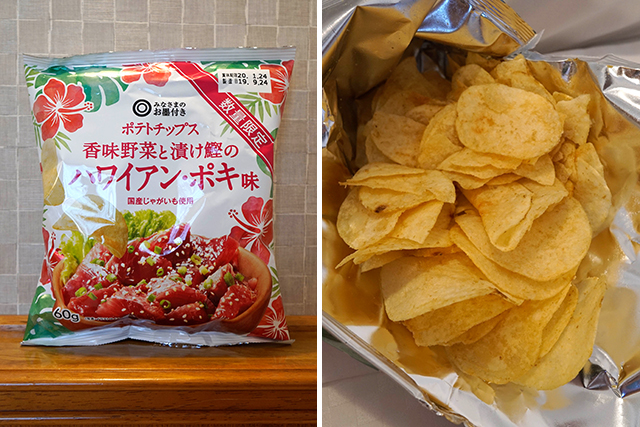
Back in the comfort of our hotel room, we try these Aeon branded Hawaiian Poke flavoured potato chips. It’s such a novel flavour and very enjoyable with its mix of wasabi mayonnaise flavour with an extra hint of fishy.
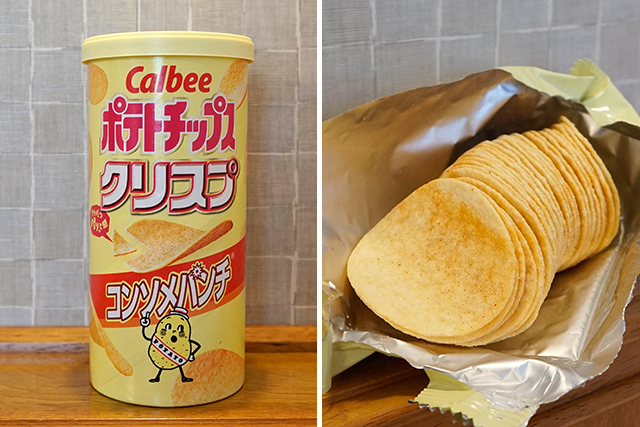
We also try these Calbee Potato Chips in Consomme Punch flavour. We find these weren’t quite as crisp as YBC Chip Star although the consomme is enjoyable.
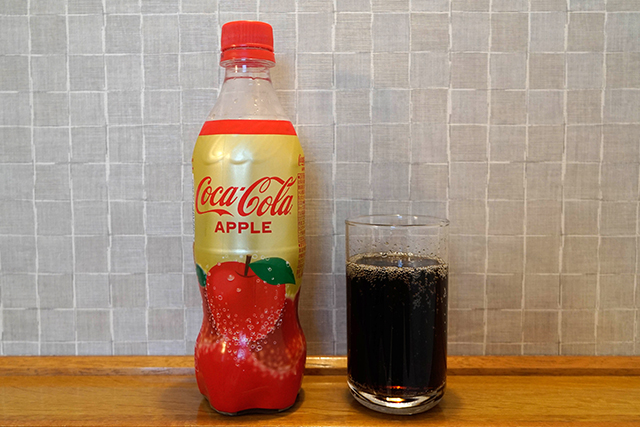
To wash down the snacks, we have some Coca-Cola Apple. This was Japan’s autumnal flavour and find the crisp apple flavour very natural and refreshing.
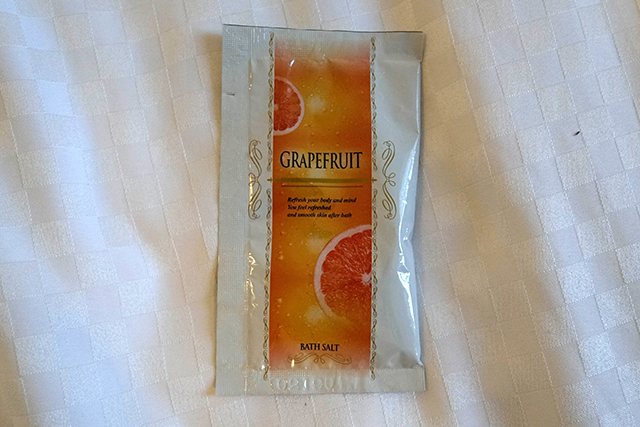
We’re not used to so much walking so soak our feet in the bath with some complimentary grapefruit bath salts before dinner.
Bunmeido Main Store
文明堂 総本店, 1-1 Edomachi, Nagasaki, 850-0861, Japan
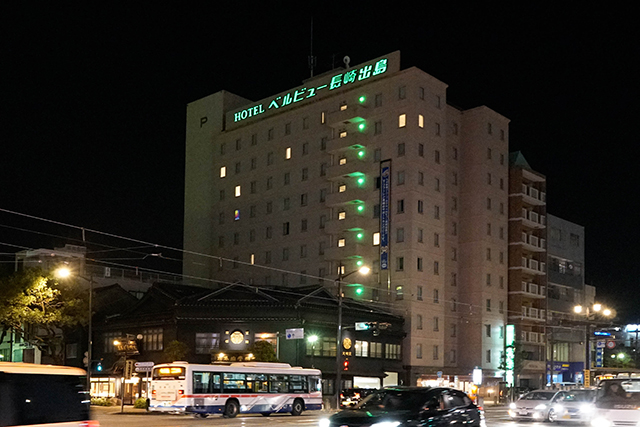
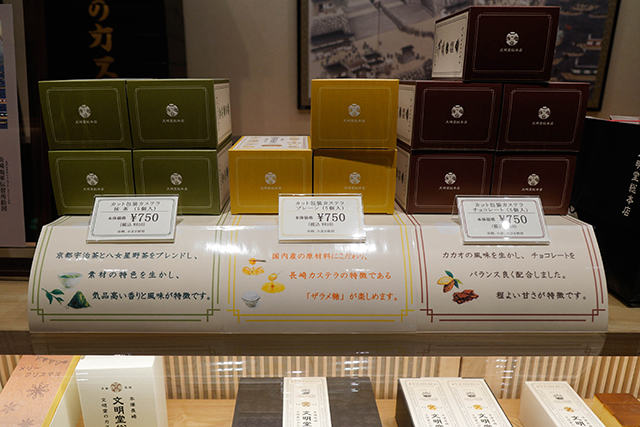
We stop by the Bunmeido Main Store, which is directly next door to our hotel, to pick up some castella that we thoroughly enjoyed.
Nagasaki Dejima Wharf
長崎出島ワーフ, 1-1-109 Dejimamachi, Nagasaki, 850-0862, Japan
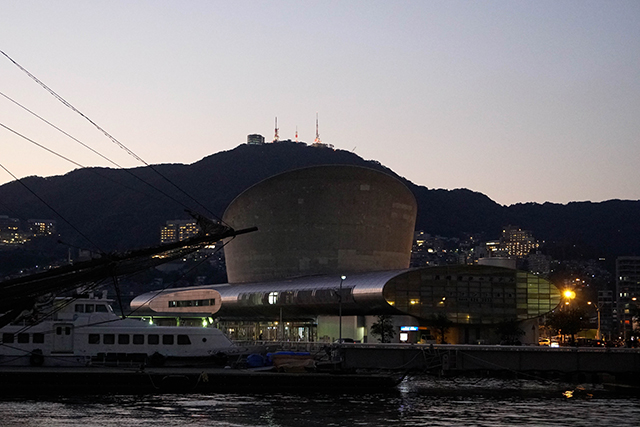
The ferry wharf looks like a futuristic space ship and has routes connecting Nagasaki to various islands including Gunkanjima.
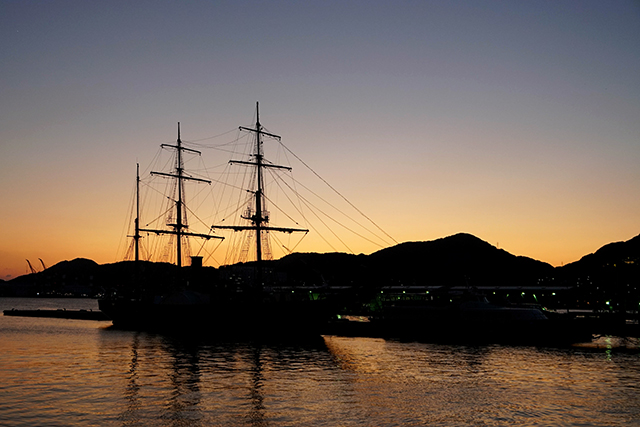
At the wharf, we see a replica of the Kankō Maru — Japan’s first steam-powered warship that was gifted to Japan in 1855 by the Netherlands in efforts to establish formal diplomatic relations and the opening of Japanese ports to Dutch merchant vessels. This replica was built in 1987 and sails sail along the coast of Japan.
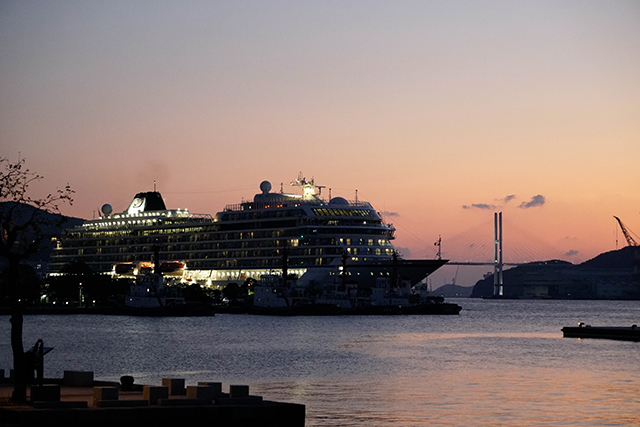
There’s also a cruise ship with Megami Bridge in the background.
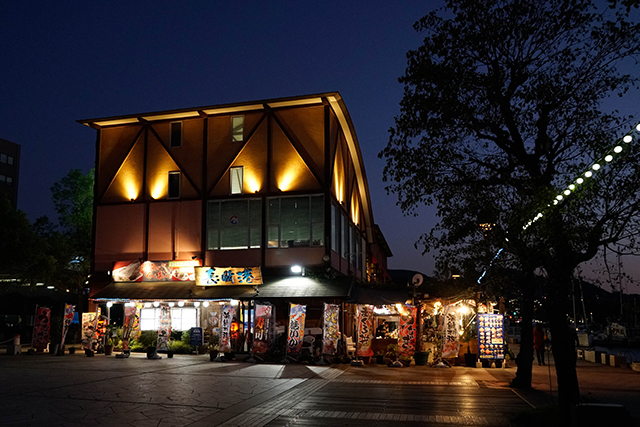
There are also a bunch of small restaurants and souvenir shops facing onto the water.
You Me Town Nagasaki
ゆめタウン 夢彩都, 10-1 Motofunamachi, Nagasaki, 850-0035, Japan
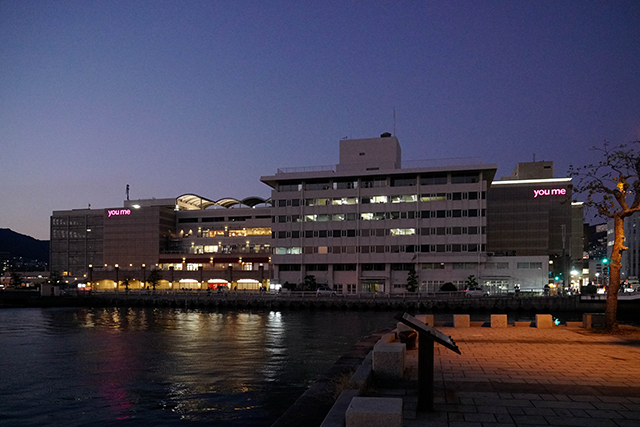
You Me Town Nagasaki is a stone’s throw from our hotel.
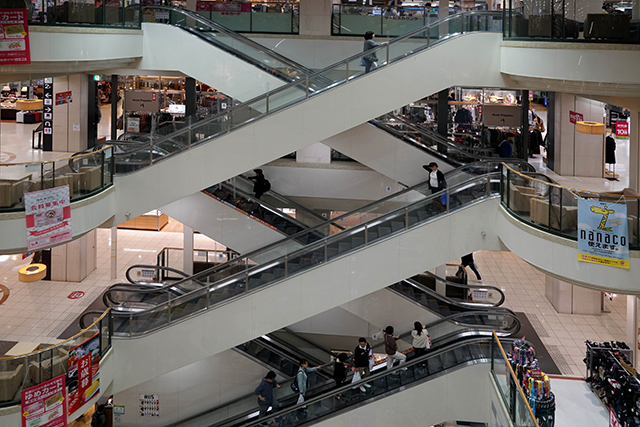
It’s a multi-level shopping mall with shops that are geared towards domestic locals, despite its proximity to the tourist district that is Dejima.
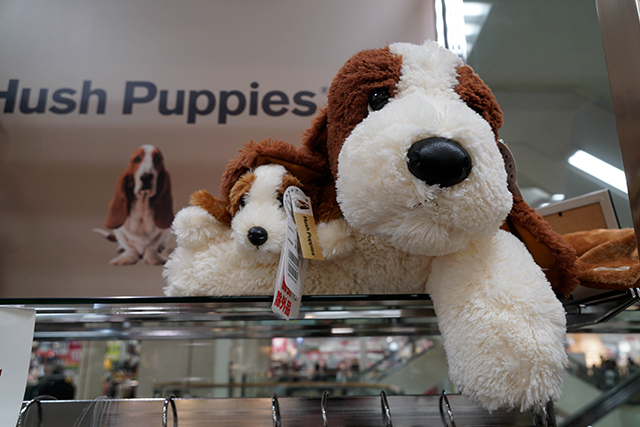
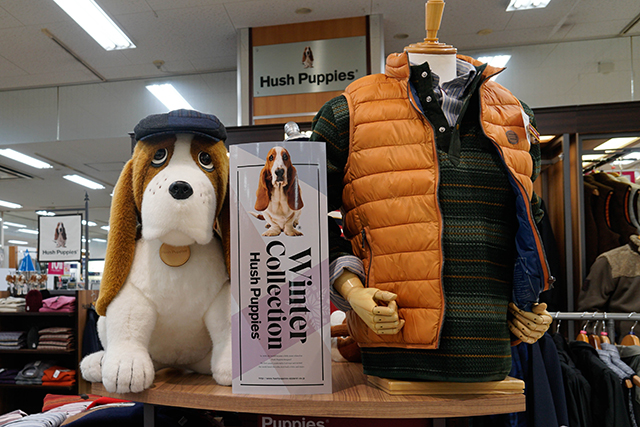
Cute Basset Hound plush dogs at the Hush Puppies store. Some are available for purchase.
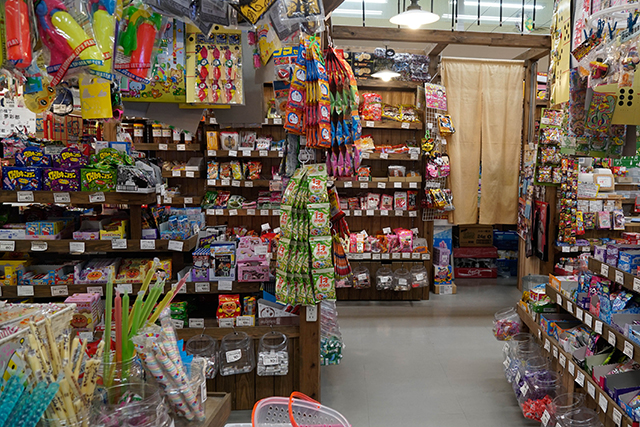
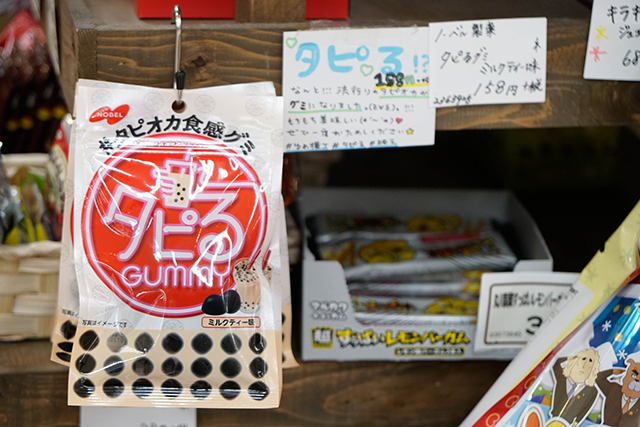
There’s a dagashi shop tucked away in a corner next to the toys. The Japanese love bubble tea so much there’s even tapioca gummy.
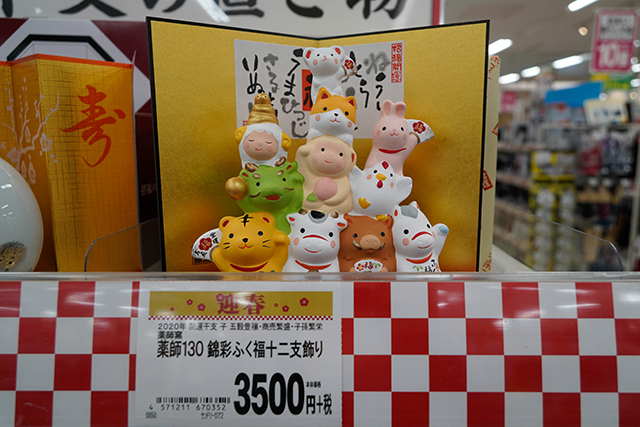
We see more cute zodiac displays.
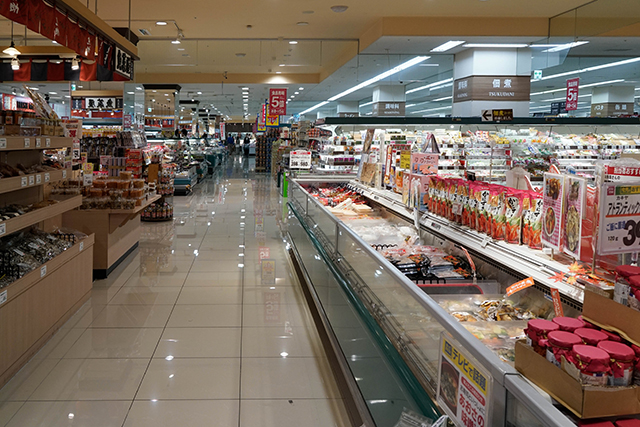
There’s a huge supermarket in the basement of the shopping mall.
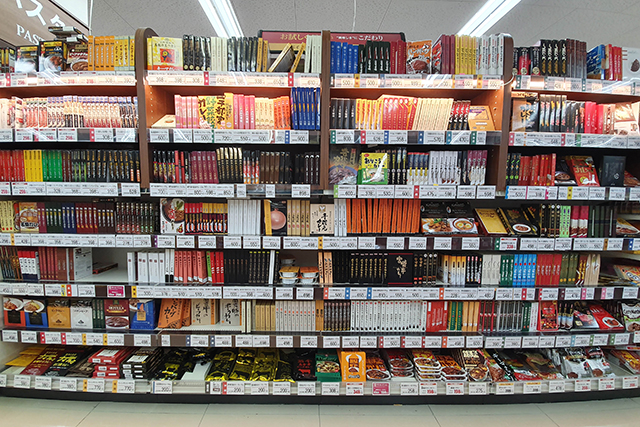
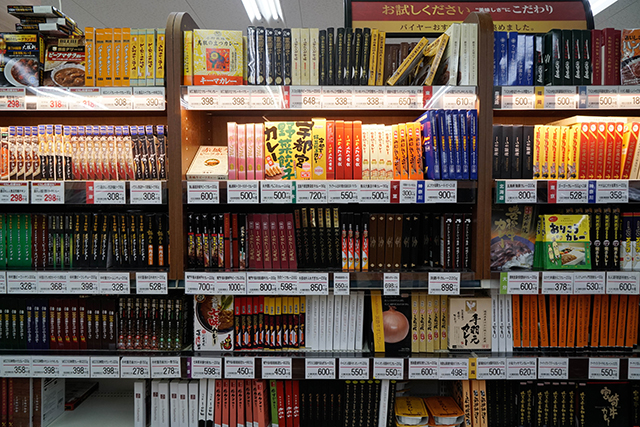
The bookshelf display for curry roux impresses us every time…
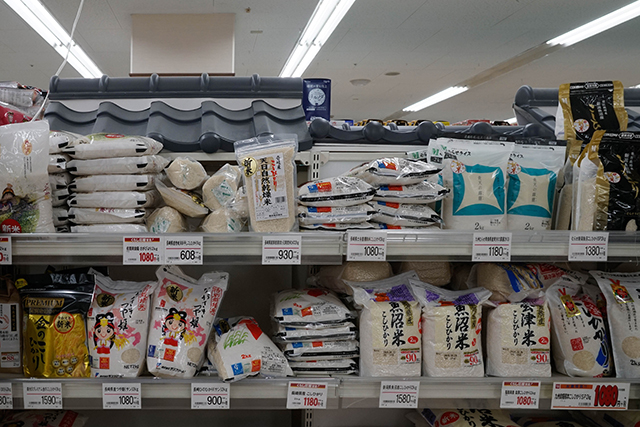
…while the rice section is decorated with replica roof tiles you’d normally see on traditional Japanese buildings.
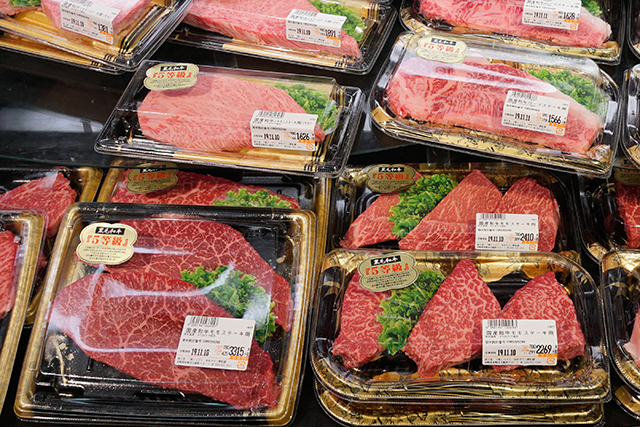
There’s a beautiful selection of marbled beef for sale in the meat section.
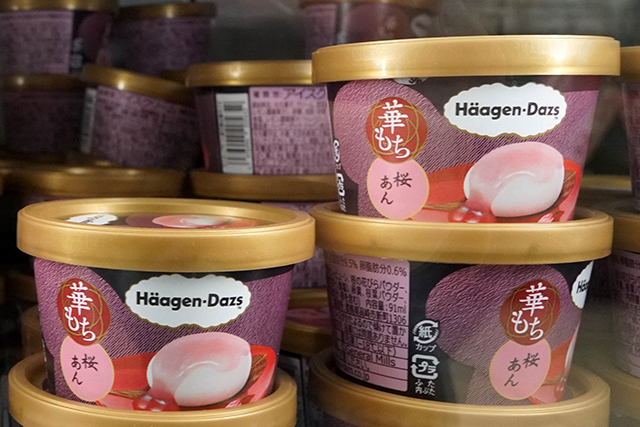
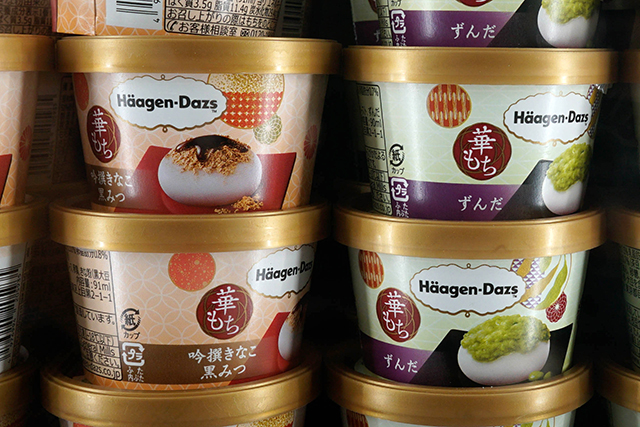
In the freezer, one of the most extensive availability of limited edition Haagen Dazs flavours. There’s mochi sakura an, mochi kinako and kuromitsu, and zunda (mashed, slightly sweetened edamame).
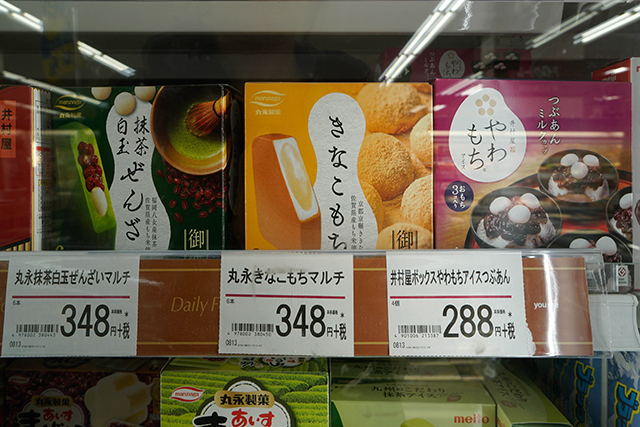
There’s also delectable looking matcha zenzai, kinako mochi and yawamochi. If only we had enough space to eat them all!
Don Don Tei
丼丼亭, ゆめタウン 夢彩都 4F, 10-1 Motofunamachi, Nagasaki, 850-0035, Japan
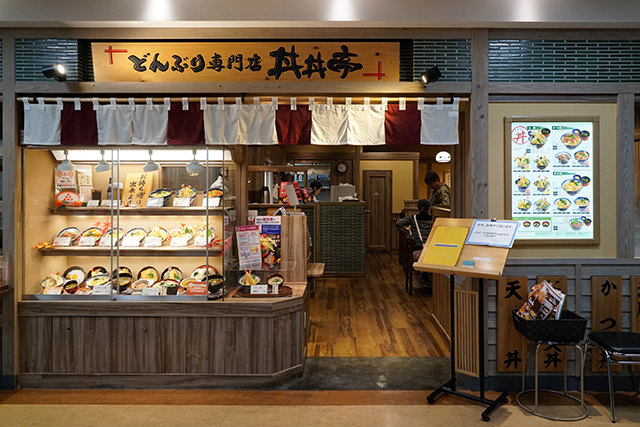
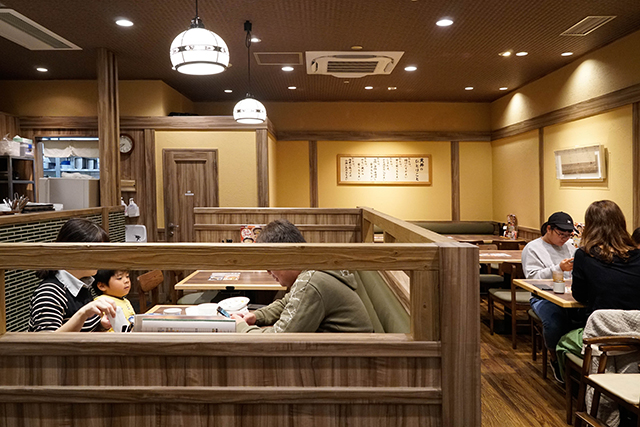
Heading up to the restaurant floor, we make a round of the restaurants before deciding on Don Don Tei, which specialises in donburi.
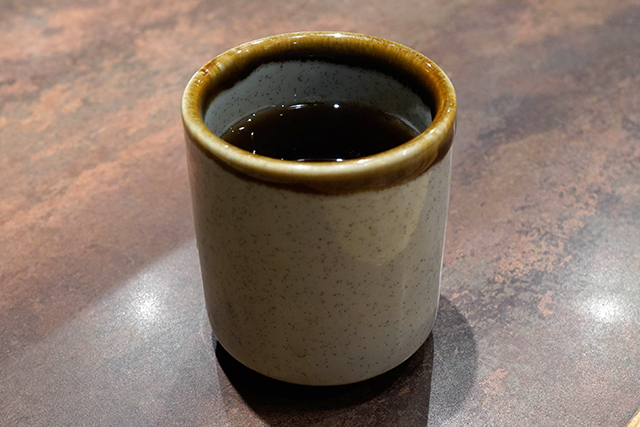
We’re greeted with complimentary hōjicha as we peruse the menu.
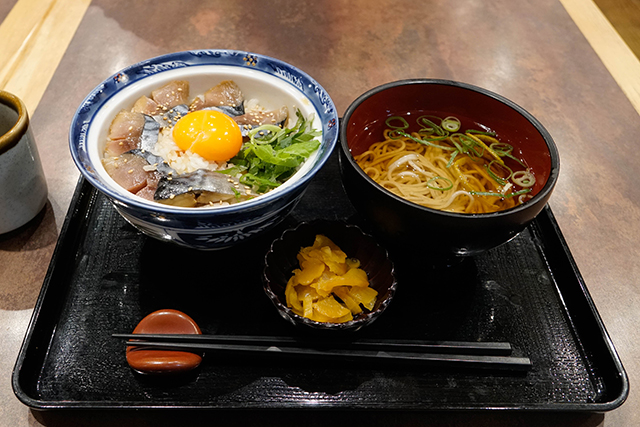
This Tsuke Saba Don (¥864 +tax, with mini noodles) with of soy sauce marinated mackerel bowl and is from their limited time Don Don Tei x SABAR collaboration menu.
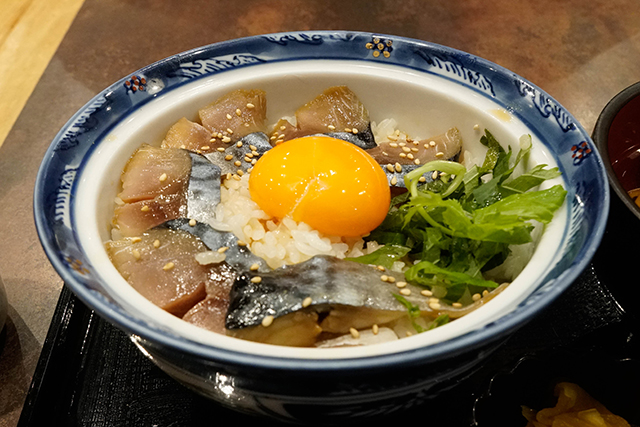
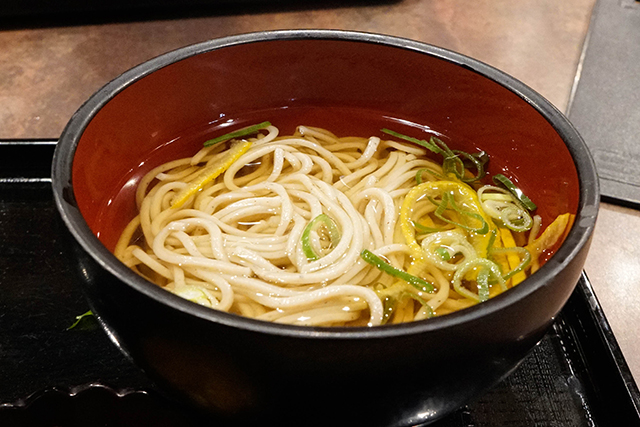
This soy sauce marinaded mackerel was delicious with a ‘meatier’ flavour and texture than raw fish, while the egg yolk added an enjoyable creaminess that brought the flavours together. The yuzu rind added a refreshing brightness to the already light dashi broth.
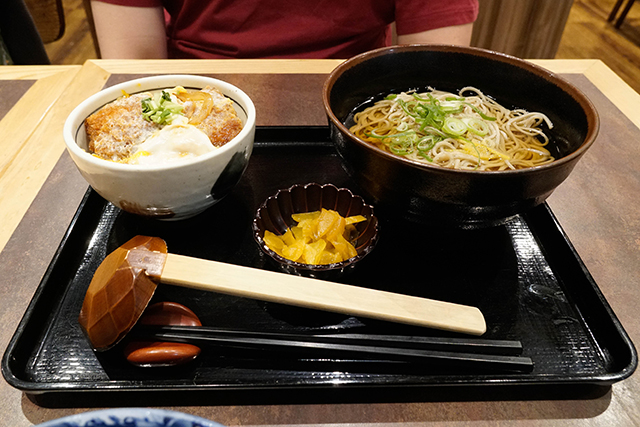
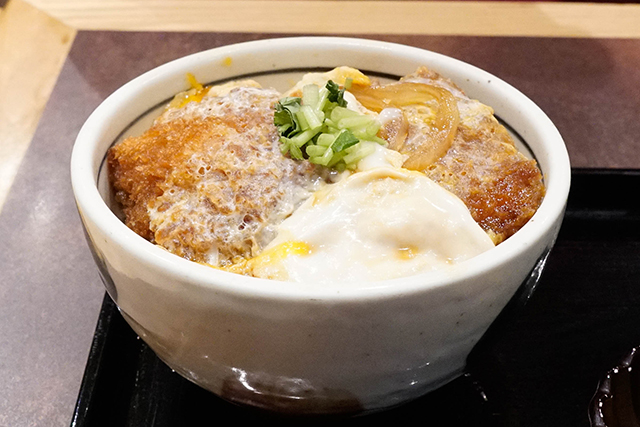
This is D’s Mini Donburi and Kake Soba Set (¥737 +tax) with a mini katsudon and hot soba in a broth. D enjoyed the soba much like I did but was let down by the katsu not retaining any crispness as a result of the sauce, but that’s to be expected.
Hotel Belleview Nagasaki
ホテルベルビュー 長崎出島, 1-20 Edomachi, Nagasaki, 850-0861, Japan
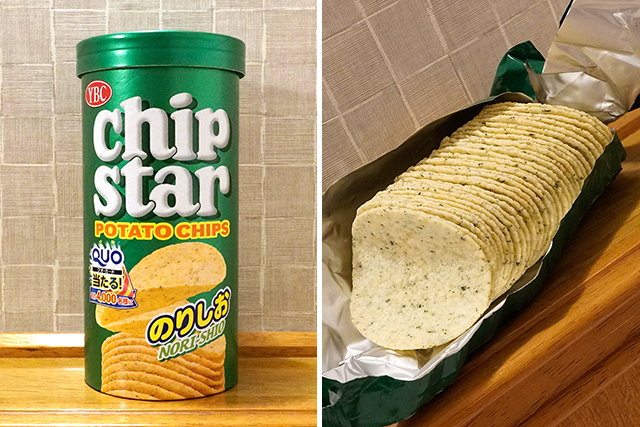
Back at our hotel, we continue with YBC Chip Star Potato Chips in nori shio flavour. The chips have visible nori flakes, which deliver a punchy umami flavour, while the chips themselves have an addictive crispness.
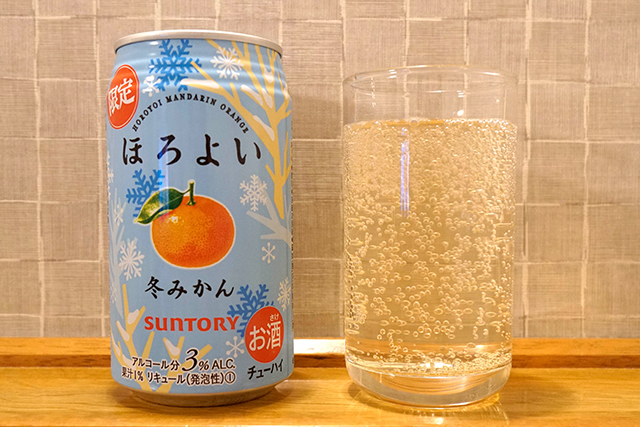
The Suntory Horoyoi series is one our favourite of the mainstream alcohol from supermarkets in Japan. This one is the Fuyu Mikan or winter mandarin. We enjoyed the prominent sweetness of the lightly zesty citrus. Indeed, it tasted like a carbonated mikan drink with only the slightest hint of alcoholic bitterness in the finish.
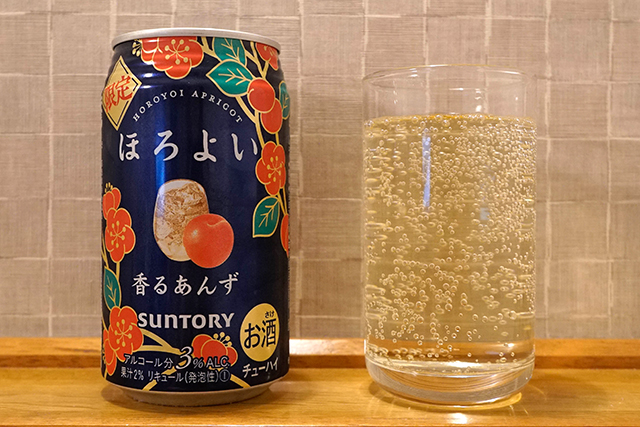
This is the Kaoru Anzu or fragrant apricot, which came through bright and fruity much like a Japanese plum with its pleasant balance of acidity and sweetness.
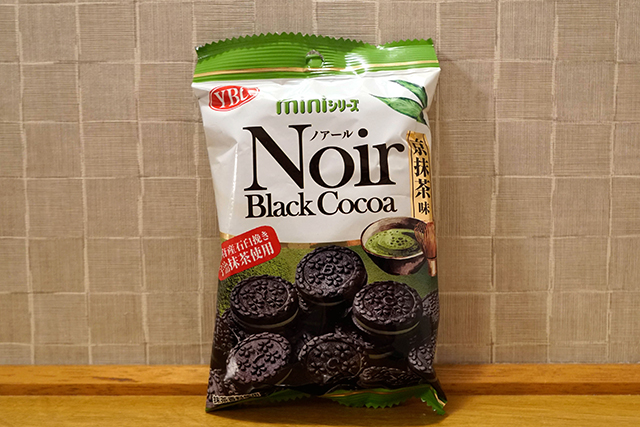
YBC had the contract to manufacture Oreos in Japan up until a few years ago when it was shifted offshore to China and with it, a new recipe. Thankfully, YBC continues to use the original Oreo recipe to make their Noir series and this one is the Matcha version.
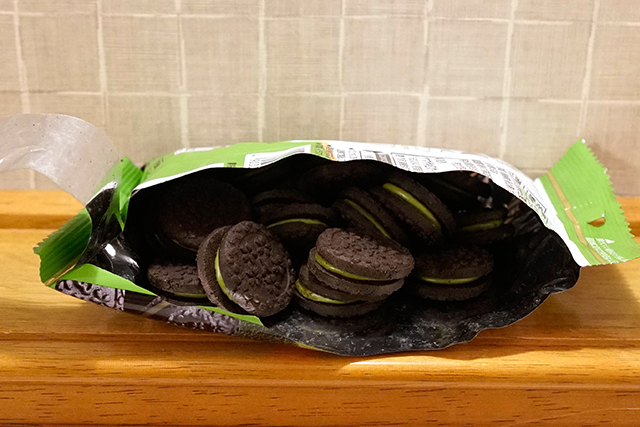
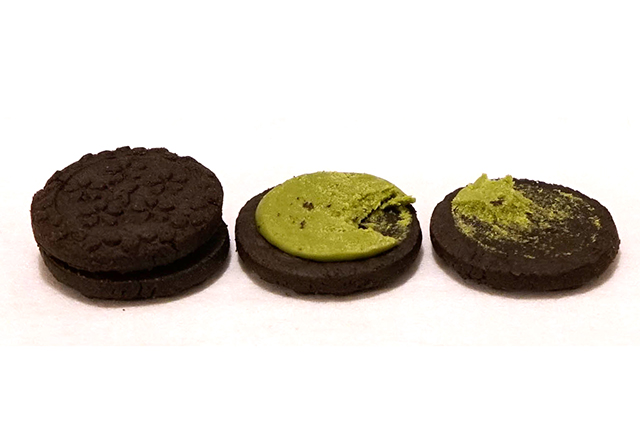
The matcha flavour came through very strong with a vegetal and bitterness, in contrast to the original one which balances the unsweetened cocoa of the biscuit with the sweetness of the filling.
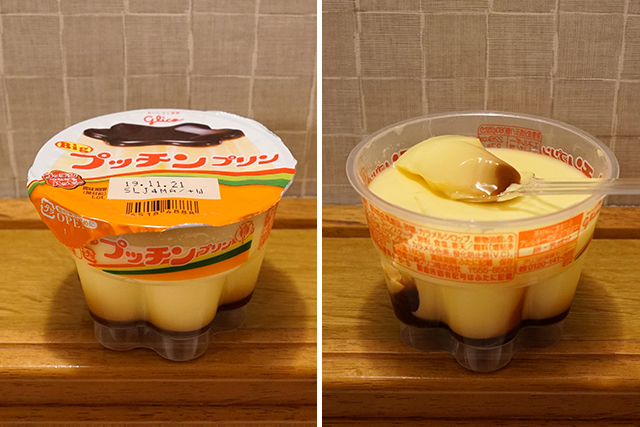
Finally, this is the Glico Pucchin Pudding, the most-sold pudding in the world. After endless encounters with this pudding in anime for over a decade, we finally got around to eating it ourselves. Essentially, it’s a creme caramel. In a hotel room, we opted not to flip it upside down and instead ate it straight out of the cup. Surprisingly, the pudding is firmer with a more eggy flavour than we expected. Nonetheless, the mouthfeel was smooth, although we would’ve enjoyed more caramel with each spoon, perhaps that’s the result of getting the ‘big’ version.
With our bellies full, we finish for the night only to be woken up in the wee hours of the morning by the delightful smells of castella baking next door.
Nagasaki was Day 3 of 15 in this Japan 2019 trip around Kyūshū. Day 4 saw us exploring Kokura, Fukuoka.